
2026 Flatbed Trailers For Sale
Shop 2026 flatbed trailers with specs on length, deck materials, axle setups, tie-down systems, and load applications.
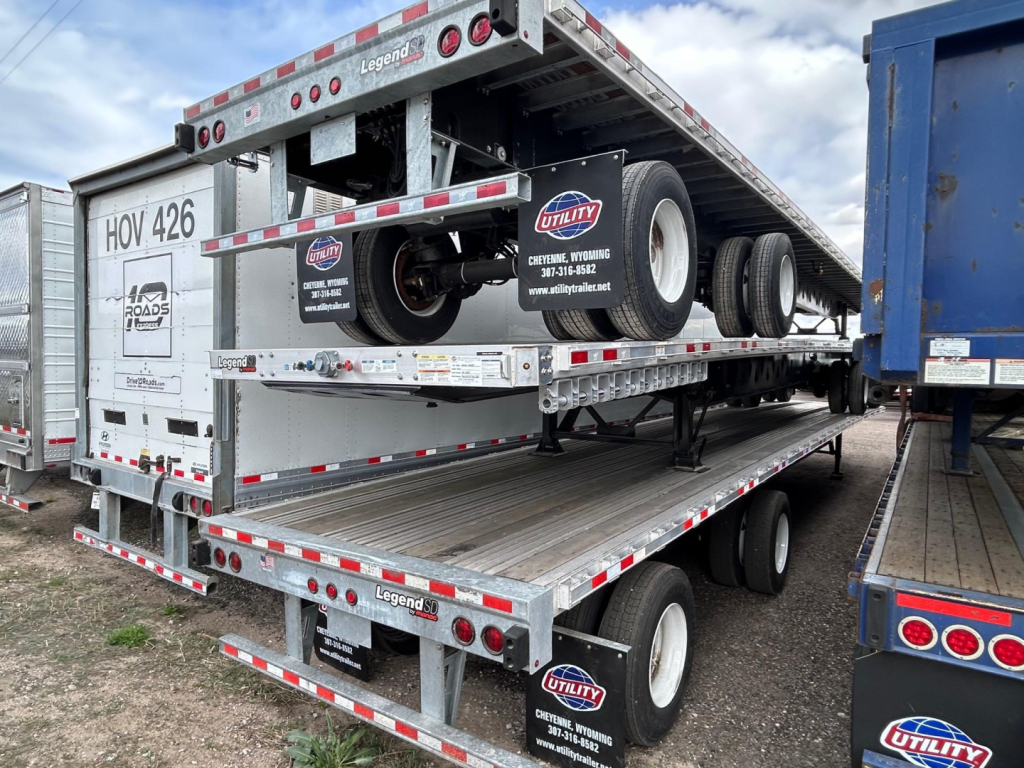
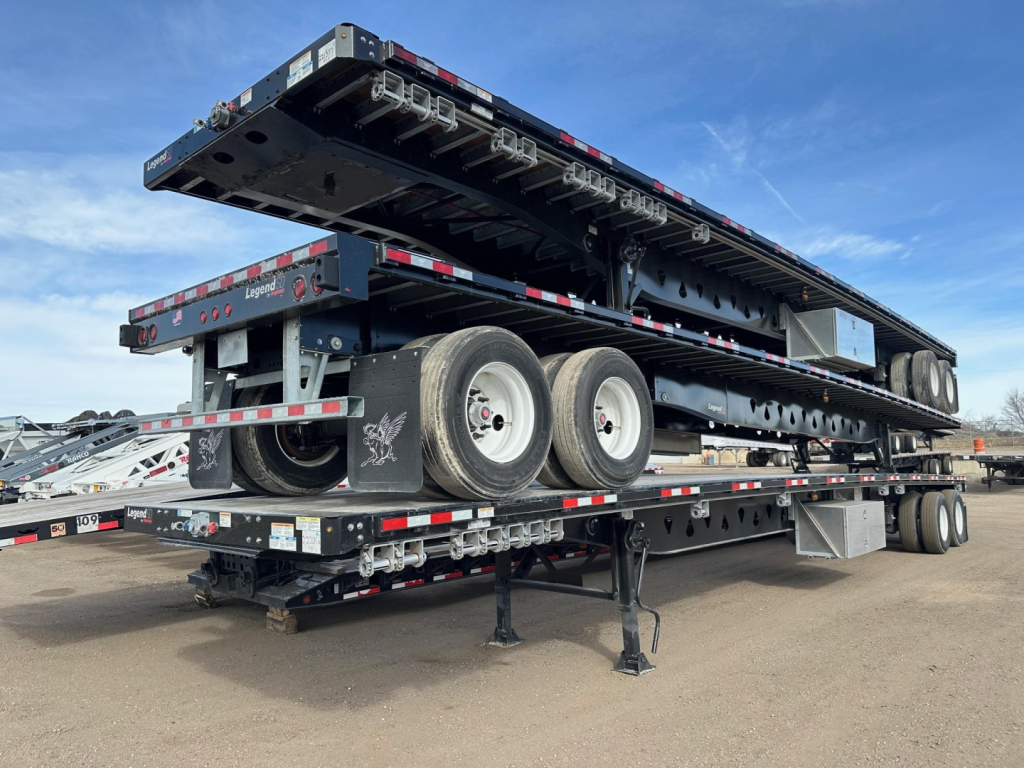
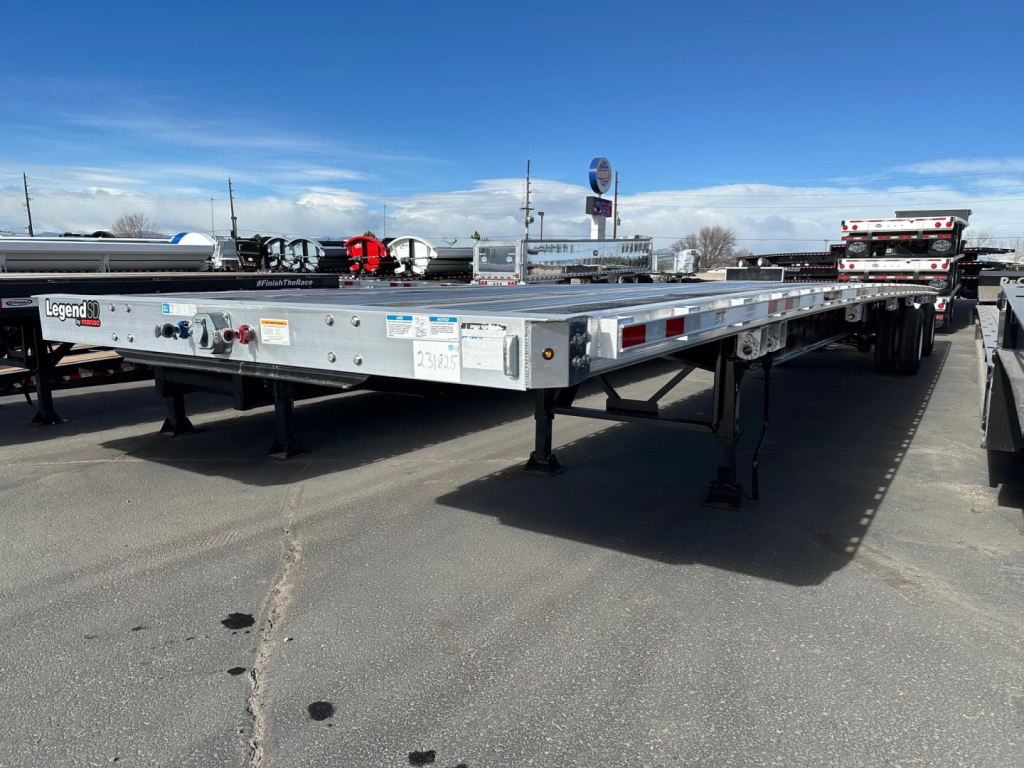
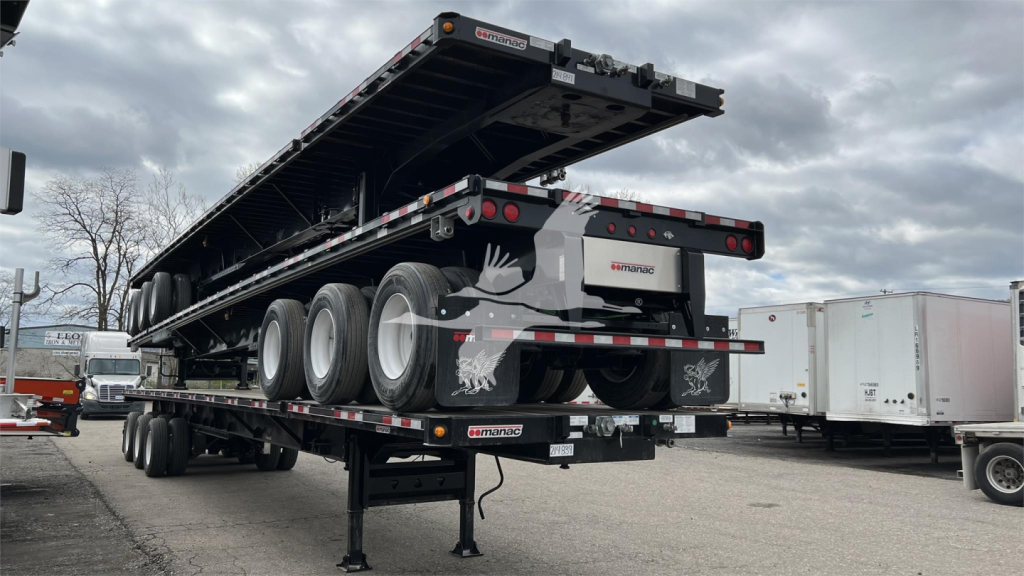
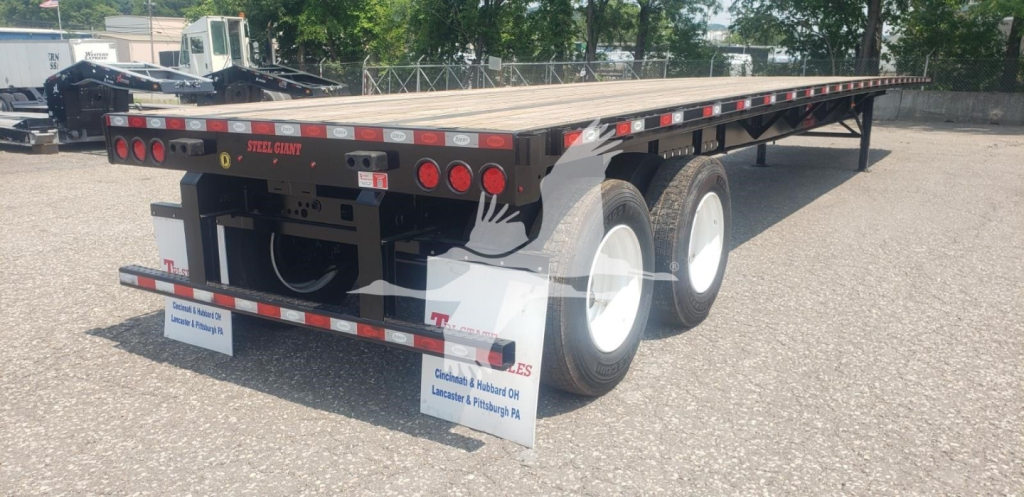
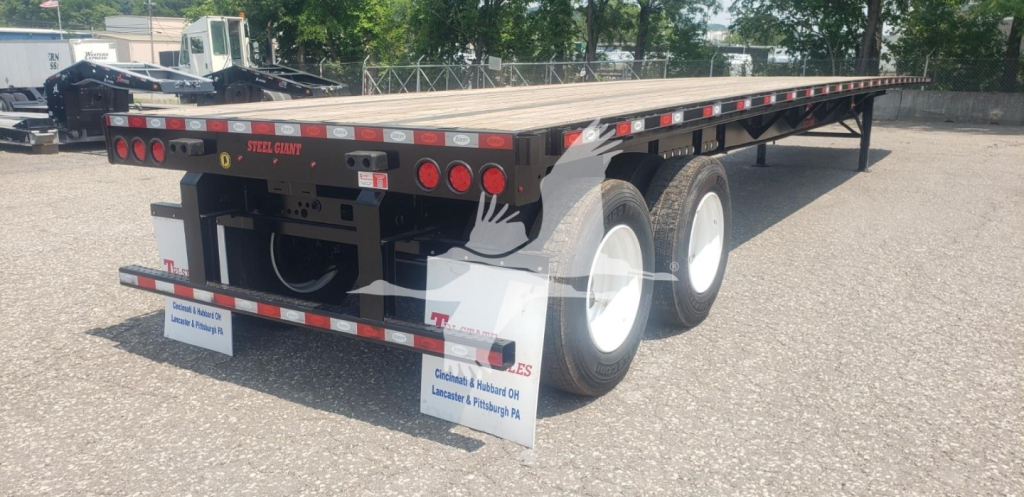
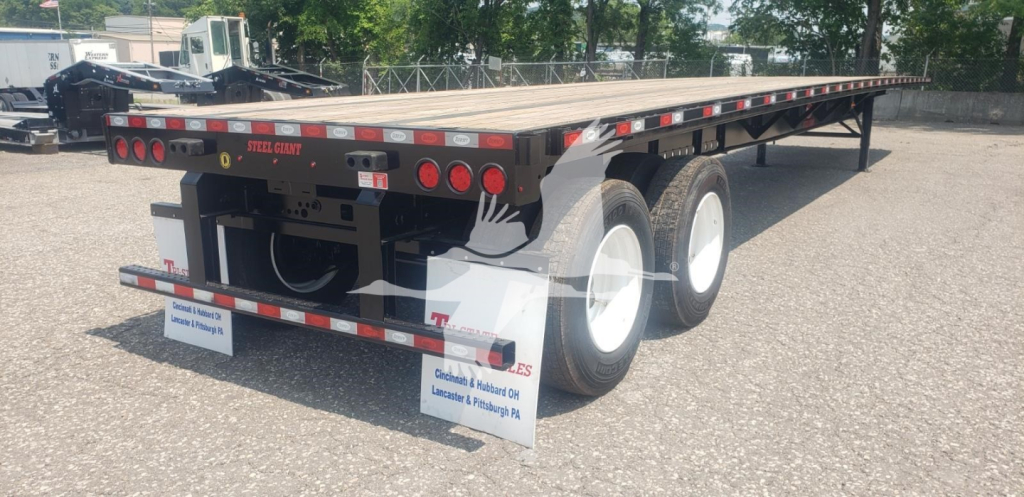
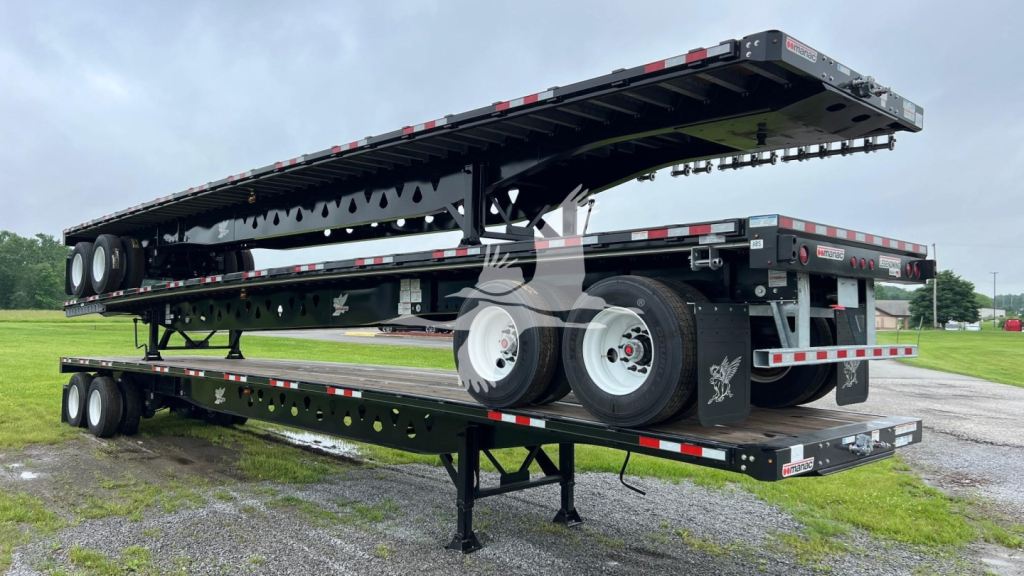
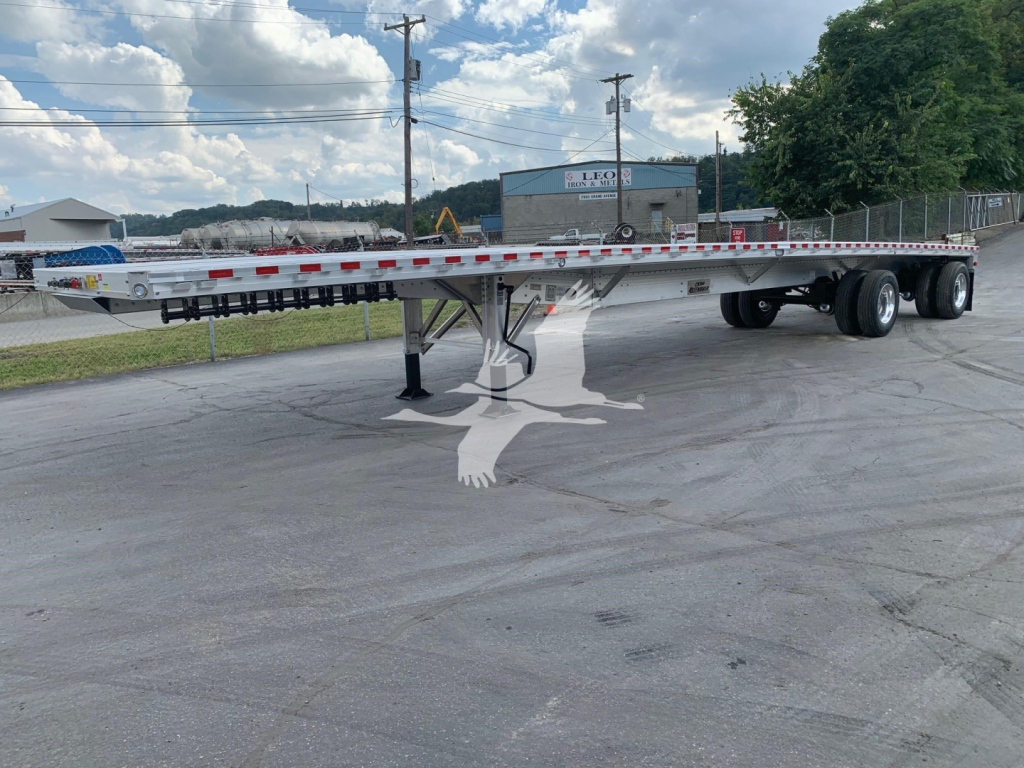
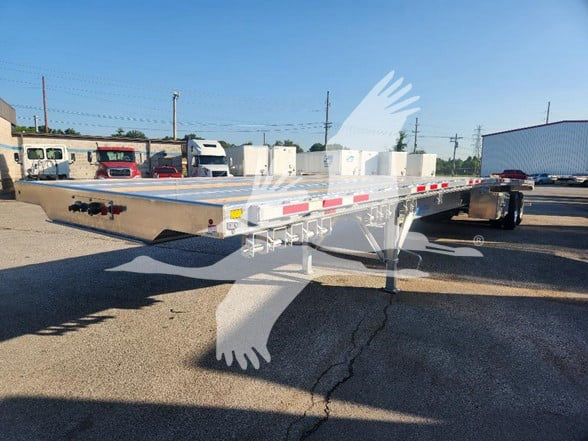
Selling a 2026 flatbed trailer? List your 2026 flatbed trailer for sale and reach thousands of commercial buyers.
2026 Flatbed Trailers
Frequently Asked Questions about 2026 Flatbed Trailers
What should I look for first when comparing 2026 flatbed trailers?
Start with the trailer’s intended freight, because that determines deck length, construction, axle configuration, and securement package. A standard 48- or 53-foot flatbed handles most general commodity work, while an extendable model is better for long steel, pipe, trusses, and machinery. After that, compare tare weight, concentrated load rating, kingpin setting, suspension type, and the number and placement of winches, chain ties, stake pockets, and rub rail openings. Those details affect payload, loading flexibility, and how easily the trailer fits your lanes and state bridge requirements.
What is the difference between steel, aluminum, and combo flatbed trailers?
Steel flatbeds are typically rugged and well-suited for hard-use applications, but they usually weigh more and cut into payload. Aluminum flatbeds reduce empty weight and can improve corrosion resistance, which matters in high-mileage or all-weather service. Combo trailers use steel where structural strength is critical, such as main beams or crossmembers, and aluminum in the deck or side rail areas to balance durability with payload efficiency. The right choice depends on commodity type, loading equipment, operating environment, and how much value you place on tare weight versus repair simplicity.
Are air ride or spring ride suspensions better on a flatbed trailer?
Air ride is often preferred for higher-value freight, mixed commodity hauling, and operations that want better ride quality and easier dock and load height control. It can help reduce shock transfer to the cargo and is common on newer highway flatbeds. Spring ride remains a practical option for operators who want mechanical simplicity and lower initial cost, especially in vocational or rough-service work. The better setup depends on the freight, the roads traveled, maintenance preference, and whether the trailer will be used mainly for regional construction support or long-haul open-deck freight.
Why do kingpin setting and axle slide matter on a flatbed?
Kingpin setting and tandem or rear axle slide position directly affect bridge law compliance, turning radius, and how the trailer balances weight across the drives and trailer axles. A common kingpin setting on standard highway flatbeds is around 24 to 30 inches, but the best setup depends on the tractor wheelbase and the states you run. Sliding tandems and rear axle slide configurations add flexibility for distributing weight and meeting state-specific requirements, including California-legal combinations. Buyers running dense freight should pay close attention to these dimensions before choosing a trailer.
What securement features are most important on a flatbed trailer?
The most useful securement package usually includes a full rub rail, stake pockets, chain tie-down openings, winch track, and enough sliding winches to match the freight mix. Coil packages, pipe spools, bulkhead pockets, and recessed chain ties can also be important depending on what the trailer will haul. Deck material matters too, with Apitong and aluminum floors both common in the market. A strong securement layout improves loading speed, gives drivers more tie-down options, and helps the trailer adapt to steel, lumber, machinery, palletized freight, and specialty loads.