
2026 Manac Flatbed Trailers For Sale
Shop 2026 Manac flatbed trailers including steel and combo designs with air ride, sliding tandems, winch systems, and 48' to 53' decks.
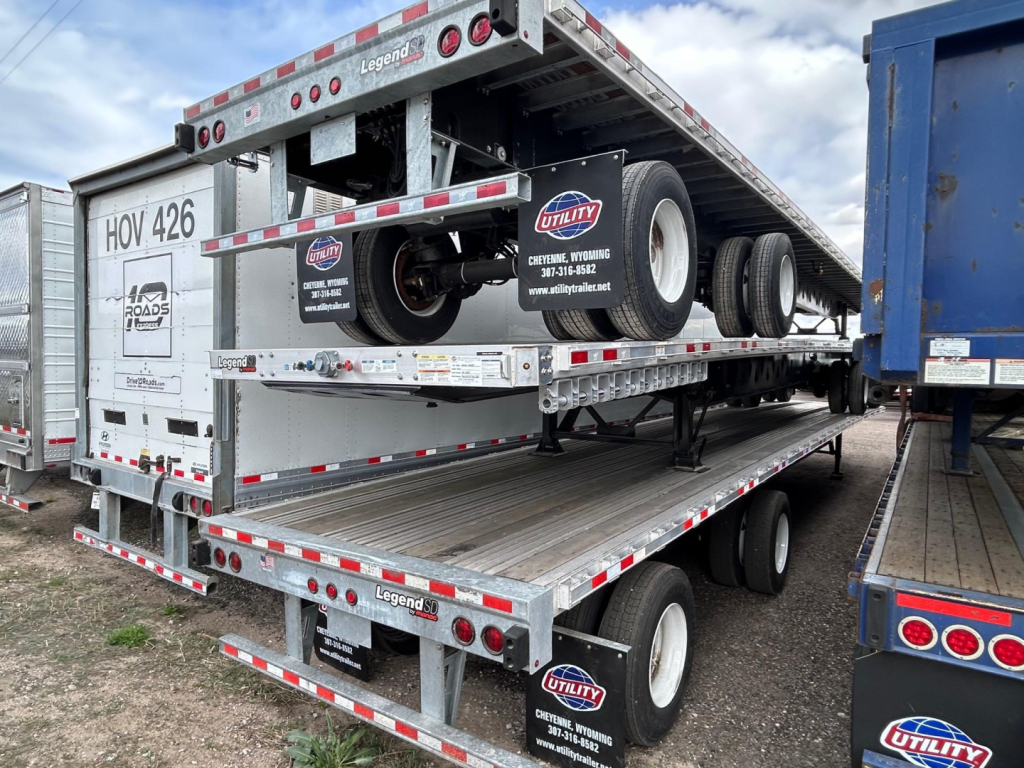
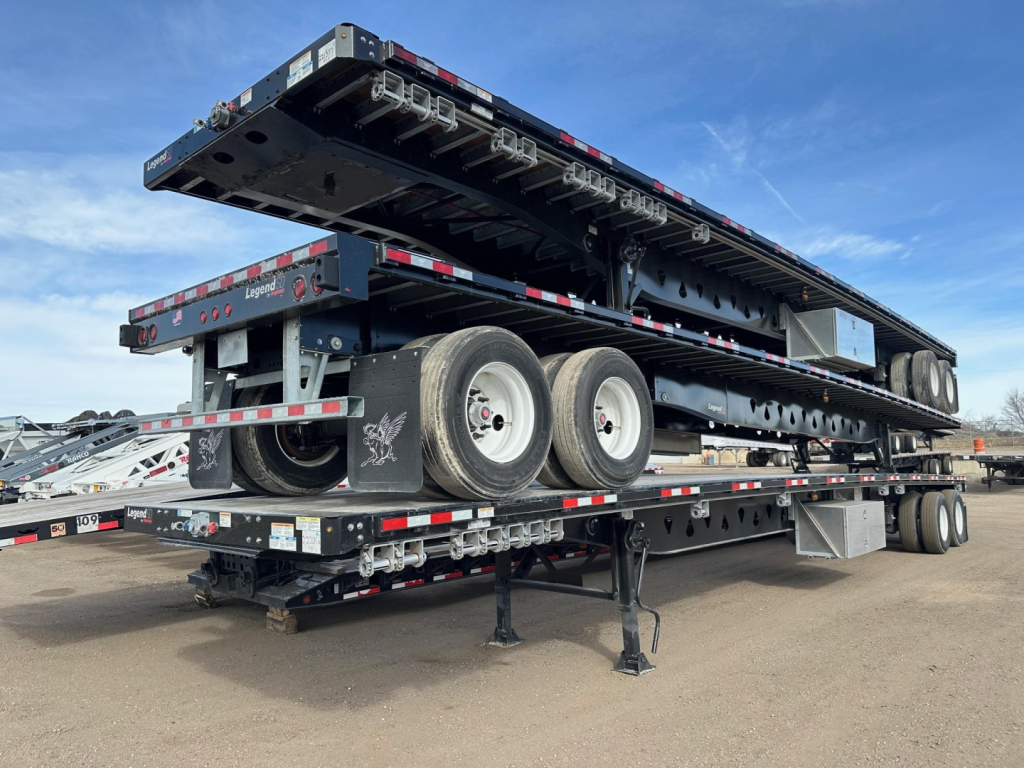
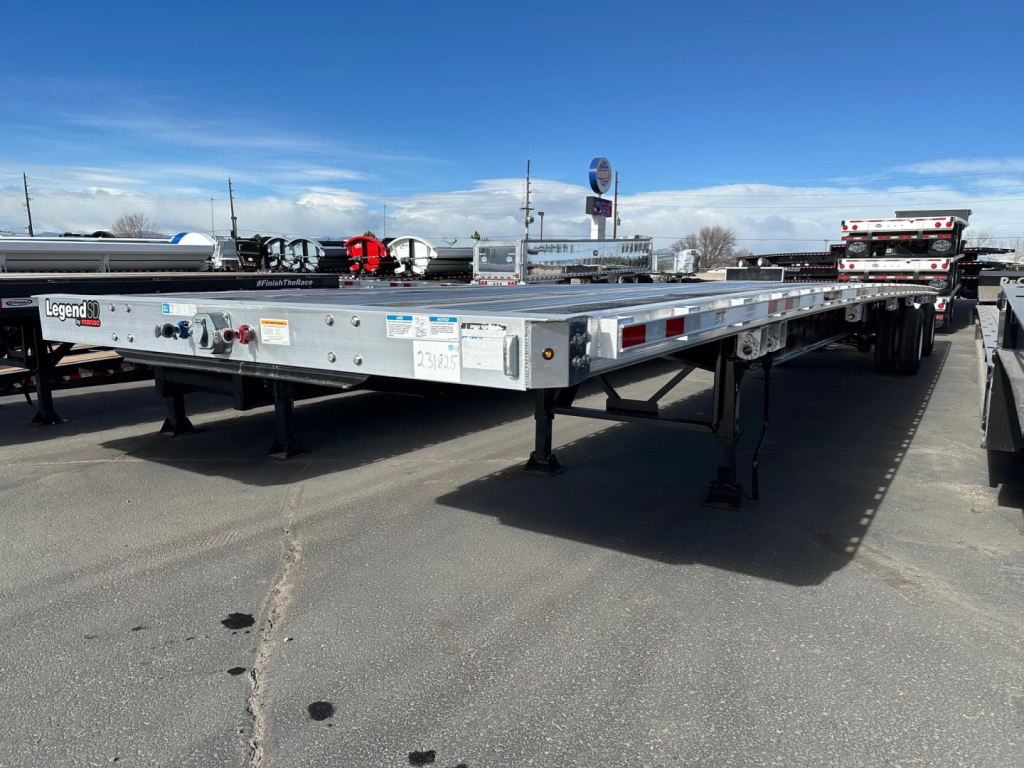
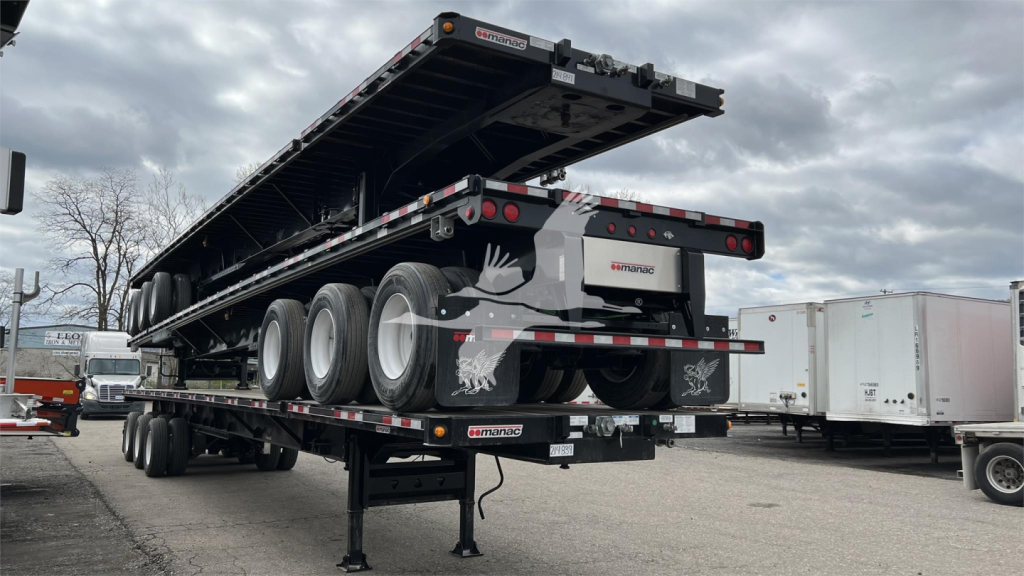
Selling a 2026 manac flatbed trailer? List your 2026 manac flatbed trailer for sale and reach thousands of commercial buyers.
2026 Manac Flatbed Trailers
For general freight, common specs include stake pockets, pipe spools, sliding winches, nail strips, and an ICC bumper. Buyers hauling coils, palletized products, lumber, or jobsite freight should pay attention to floor material and securement layout. Apitong wood floors remain popular for repairability and traction, while combo designs with aluminum deck and rails can help reduce empty weight without giving up steel beam strength. Galvanized crossmembers are a notable feature on many newer trailers because they improve corrosion resistance, especially in northern climates and on year-round regional routes where road treatment chemicals shorten understructure life.
Running gear matters just as much as deck construction. Many Manac flatbed trailers in this class use tandem axles with a sliding tandem or rear slide axle, paired with air ride suspension from brands such as Hendrickson. A 49" sliding tandem is a common setup for bridge law flexibility and axle scaling, and air pin sliders reduce the time and effort needed to reposition the suspension. Tire size is commonly 11R22.5, with steel wheels still common on work-focused specs. Buyers moving high-mileage freight should also look for tire inflation systems, dump valves, landing gear brand, and kingpin setting, since those details affect maintenance intervals, loading dock fit, and day-to-day usability.
If the freight mix includes longer material, equipment, or specialized loads, Manac is also well known for extendable flatbed trailers, sometimes called stretch flatbeds. These can offer a much wider working range than a standard fixed deck, but the buyer should weigh extension capacity, closed tandem or triaxle configuration, and the service history of the extendable mechanism. For a standard 2026 Manac flatbed, the best value usually comes from matching trailer construction to freight density, securement method, and route demands. A lighter combo flatbed may make sense for maximizing payload, while a steel flatbed can be the better fit for punishing duty cycles, frequent forklift loading, and operations where ruggedness and lower repair complexity matter more than tare weight.
Frequently Asked Questions about 2026 Manac Flatbed Trailers
What is the difference between a Manac steel flatbed and a Manac combo flatbed?
A steel flatbed typically uses steel in the main beams, side structure, and more of the trailer frame, which favors durability and simpler heavy-duty repair. A combo flatbed usually keeps steel main beams but adds aluminum components such as the deck or side rails to reduce tare weight. The practical choice comes down to payload goals, repair environment, and duty cycle. Steel trailers often appeal to fleets handling rough loading conditions, while combo trailers are often chosen to improve legal payload without stepping into a full aluminum platform.
What deck length is most common on a 2026 Manac flatbed trailer?
The most common fixed-deck lengths in this category are 48 feet and 53 feet, both generally at 102 inches wide. A 48-foot flatbed is still a standard choice in many operations because it is versatile, lighter, and familiar to a broad customer base. A 53-foot flatbed gives more deck space for legal freight that benefits from additional length, especially in building products and mixed-load applications. The right length depends on freight profile, state length rules, and how often the extra deck space actually turns into better revenue.
Why do buyers look for sliding tandems and air ride on flatbed trailers?
A sliding tandem helps the operator adjust axle position for bridge compliance, weight distribution, and loading flexibility. This matters when freight placement changes from load to load or when state bridge formulas make axle spacing critical. Air ride suspension is widely preferred on flatbeds because it improves ride quality for sensitive cargo, reduces shock transfer through the deck, and generally supports better long-haul service. When paired with an air pin slider, the tandem can be repositioned faster and with less manual effort.
Are galvanized crossmembers worth it on a flatbed trailer?
Galvanized crossmembers are a strong feature for buyers concerned about long-term corrosion resistance. They are especially valuable in regions with heavy winter road salt, coastal exposure, or high moisture conditions. Crossmembers take abuse from road spray, trapped debris, and repeated deck loading, so corrosion protection in that area can extend trailer life and preserve structural condition. Buyers planning to keep a trailer for many years or run it in harsh climates often place real value on galvanized understructure components.
When does an extendable Manac flatbed make more sense than a standard fixed deck?
An extendable flatbed makes sense when the freight regularly includes long structural material, oversized equipment, poles, or other loads that exceed the working deck length of a standard trailer. It adds flexibility, but that flexibility comes with more weight, more moving parts, and more inspection points than a fixed deck. Buyers should verify the closed length, extended length, axle configuration, and the condition of the extension system if considering a used unit. For general commodity freight, a fixed deck is usually the simpler and more economical choice.