
2026 Manac Flatbed Trailers For Sale in Ohio
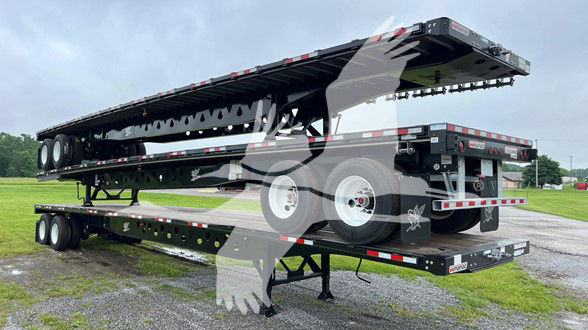
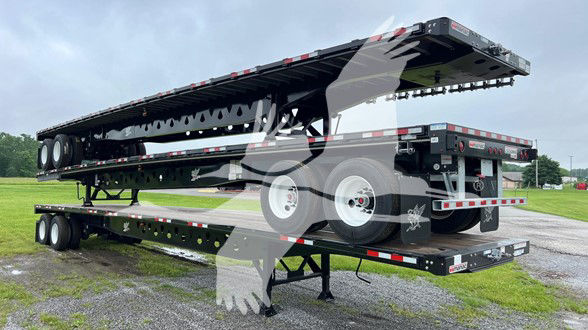
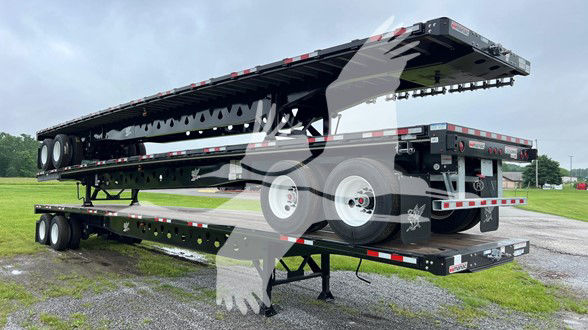
Have 2026 manac flatbed trailer to sell? List it here to reach thousands of buyers.
2026 Manac Flatbed Trailers in Ohio
Two of the biggest buying decisions in this class are suspension type and corrosion resistance. Air ride setups, such as common tandem configurations with Hendrickson Intraax suspensions, help protect sensitive freight and can improve ride quality over rough Ohio roads and mixed regional routes. Spring ride versions remain popular for fleets that want mechanical simplicity and lower upfront cost. Galvanized crossmembers and galvanized rear bumpers are worth close attention because they help slow corrosion in states where winter road treatment is a real factor. Crossmember spacing, often 12 inches on center in this category, is another key detail because it affects floor support and concentrated load handling.
Securement layout matters just as much as core structure. Many Manac flatbeds in this group are spec'd with double pipe spools, 12 sliding winches, LED lighting, and sliding tandem settings around 49 inches. A 30-inch kingpin setting is common on standard 48-foot steel flatbeds and can help with tractor compatibility and axle spread management, while some specialty or extendable configurations may use a shorter kingpin setting. Buyers hauling dense freight should also pay attention to weight ratings in concentrated sections of the deck, landing gear brand, tire size, wheel type, and the placement of mud flap brackets and rear lighting. These details affect daily usability more than they may appear to on paper.
For buyers comparing listings, the most important question is not just steel flatbed versus steel flatbed. It is how the trailer is spec'd for the lanes and freight it will actually run. A standard fixed-length Manac flatbed is usually the right fit for general commodity work and fast turnaround loading. An extendable flatbed can make sense for longer materials but adds complexity and weight. If the freight mix includes coils, machinery, bundled steel, or building products, focus on deck integrity, side rail condition, winch placement, tandem slide travel, and suspension choice. A well-spec'd Manac flatbed trailer can stay productive for years if the deck, frame, and running gear match the application from day one.
Frequently Asked Questions about 2026 Manac Flatbed Trailers in Ohio
What are the most common specs on a 2026 Manac flatbed trailer?
A common 2026 Manac flatbed trailer spec is a 48-foot by 102-inch steel flatbed with tandem axles, a 1 1/8-inch Apitong floor, steel side rails, roadside winch track, sliding winches, and 11R22.5 tires. Many are built with 12-inch crossmember spacing, a sliding tandem, LED lighting, and two-speed landing gear. Exact configurations vary by application, but these are typical features buyers compare first because they affect cargo securement, deck durability, and daily operating practicality.
Is air ride or spring ride better on a flatbed trailer?
Air ride is usually preferred when the freight includes machinery, finished materials, or other cargo that benefits from a smoother ride. It can reduce shock transfer and improve cargo protection on rough pavement. Spring ride is simpler and often less expensive to maintain, which appeals to operations hauling rugged freight or prioritizing lower acquisition cost. The right choice depends on commodity mix, route quality, and how much value the operation places on ride quality versus simplicity.
Why do galvanized crossmembers matter on a flatbed trailer in Ohio?
Galvanized crossmembers help resist corrosion caused by moisture, road salt, and seasonal temperature changes. In Ohio and other rust-belt markets, understructure corrosion can shorten trailer life and increase repair costs over time. A trailer with galvanized structural components can hold up better in year-round service, especially if it sees winter roads regularly. Buyers planning long ownership cycles or high annual mileage often place a premium on this feature.
What should I look for in the securement setup on a Manac flatbed?
The securement package should match the freight. Buyers often want a roadside winch track, enough sliding winches for varied load lengths, double pipe spools, strong side rails, and a deck that remains solid around tie-down points. The number and position of winches matter because they affect loading speed and how easily drivers can secure irregular freight. If the trailer will carry steel, lumber, machinery, or mixed building products, a flexible securement layout is just as important as axle and suspension specs.
When does an extendable Manac flatbed make more sense than a standard 48-foot flatbed?
An extendable flatbed makes sense when the operation regularly handles long materials that exceed a standard 48-foot deck, such as pipe, structural steel, trusses, or other overlength freight. It gives more versatility, but it also adds weight and mechanical complexity compared with a fixed-length trailer. For general freight and high-frequency loading, a standard 48-foot flatbed is usually the simpler and more efficient choice. The decision comes down to how often the extra deck length is needed and whether that added flexibility offsets the tradeoffs.