
2026 Flatbed Trailers For Sale in Ohio
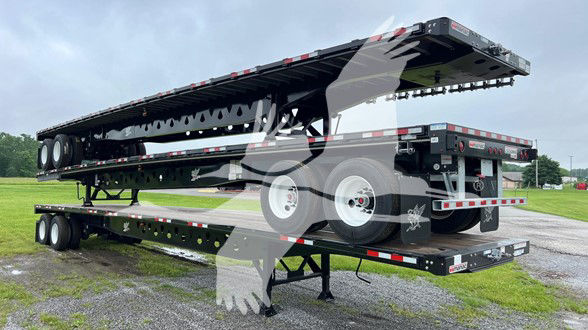
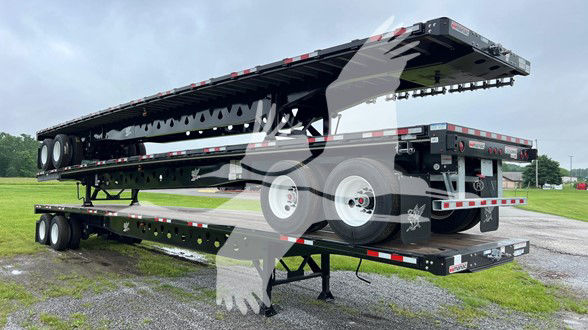
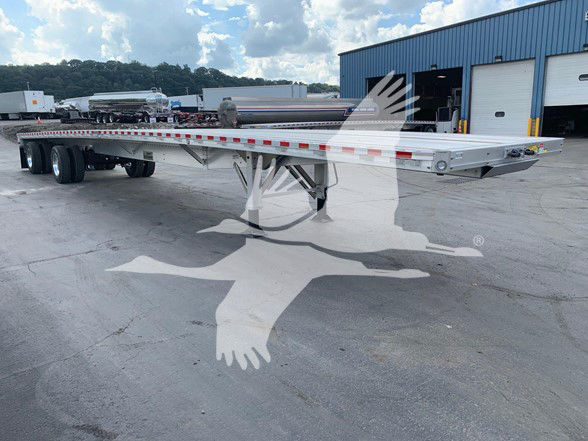
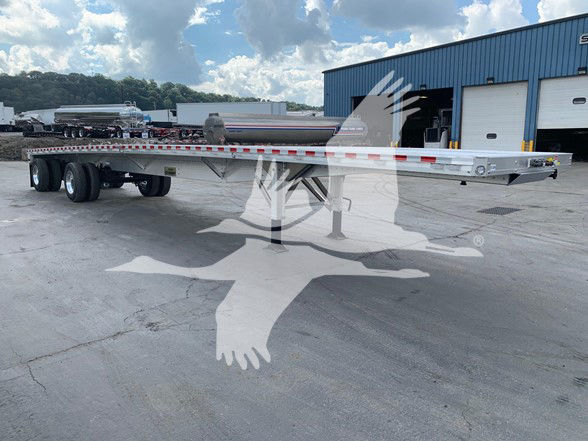
Have 2026 flatbed trailer to sell? List it here to reach thousands of buyers.
2026 Flatbed Trailers in Ohio
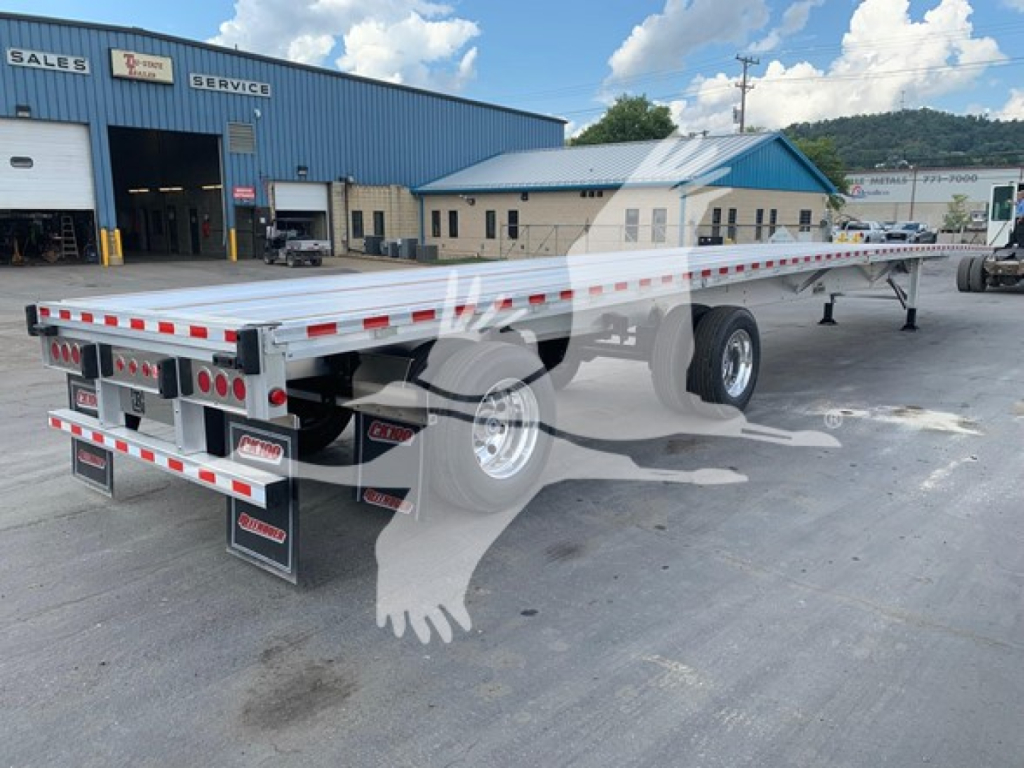
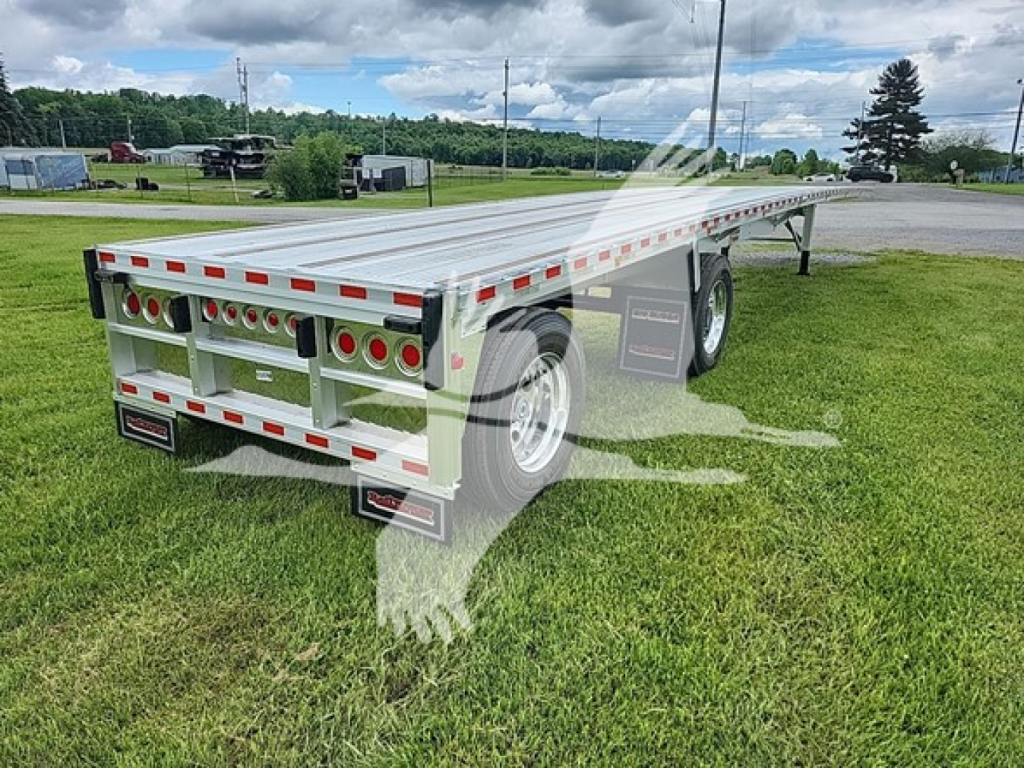
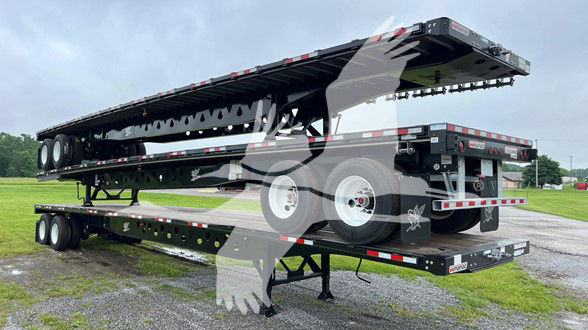
The spec details matter more than the badge on the nose. Common road flatbed setups include tandem axles with air ride suspension, 22.5-inch rubber, and either a fixed spread or sliding tandem depending on axle law flexibility and the freight mix. Kingpin setting, crossmember spacing, and coil package design all affect how well the trailer handles concentrated loads. A 30-inch kingpin with a 10-foot-2-inch spread is common on lightweight aluminum models, while some steel trailers use a 49-inch sliding tandem for easier bridge compliance and dock positioning. Buyers hauling coils, lumber, or dense machine parts should pay close attention to extra crossmembers, rated capacity in 4 feet and 10 feet, and the presence of full-length winch tracks, sliding winches, pipe spools, and nailing strips.
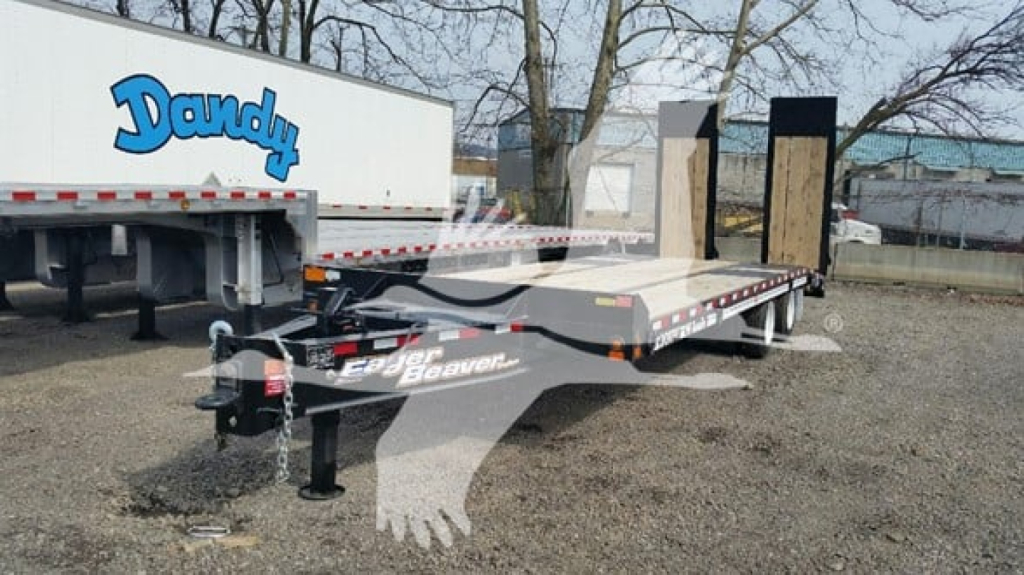
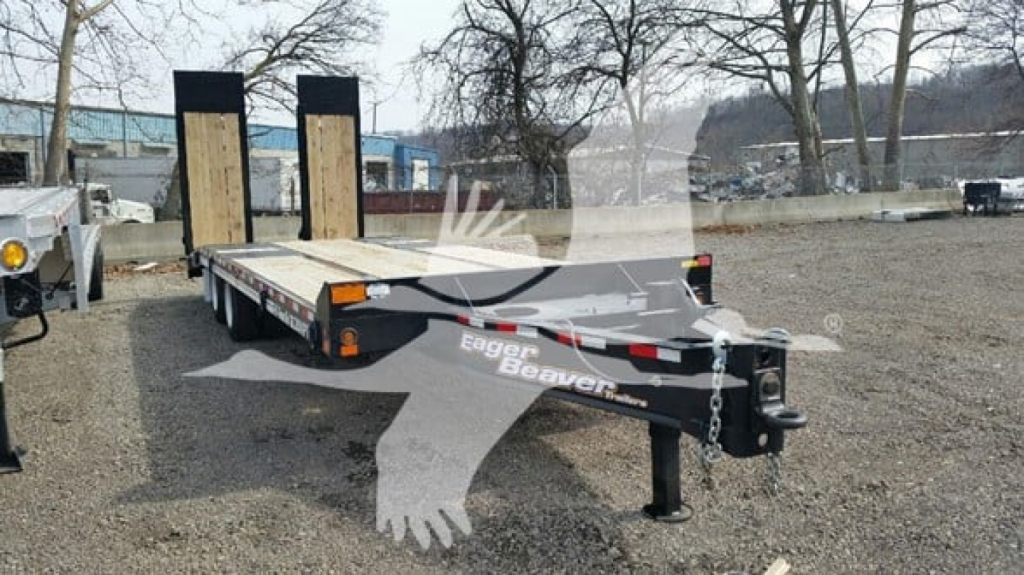
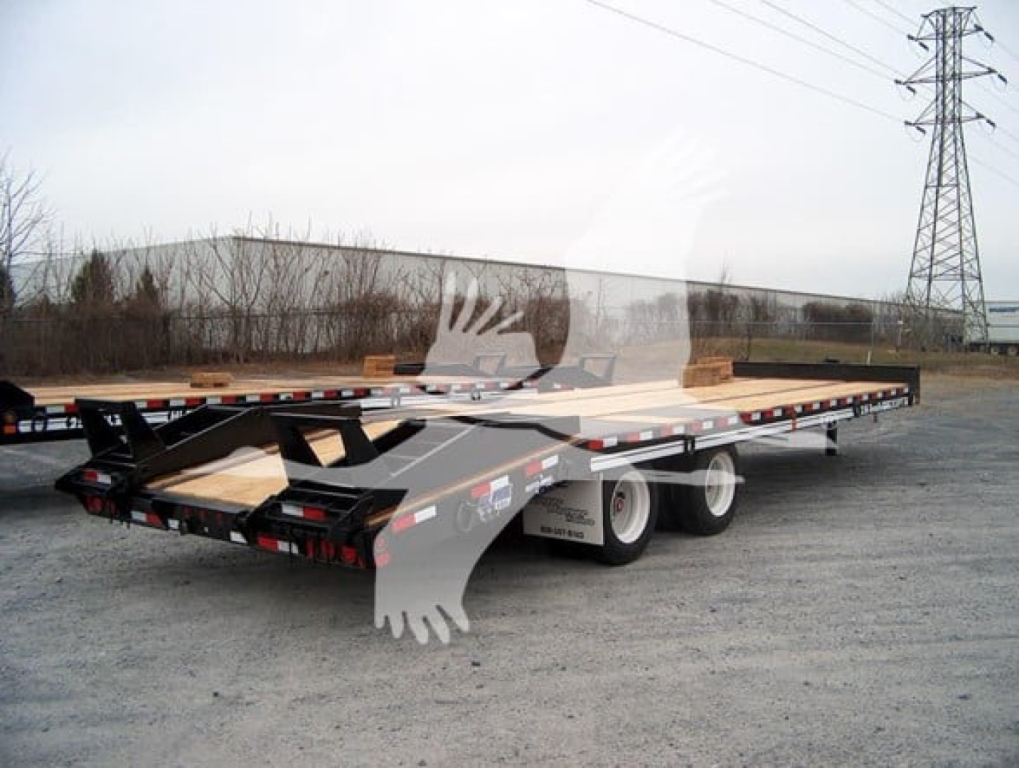
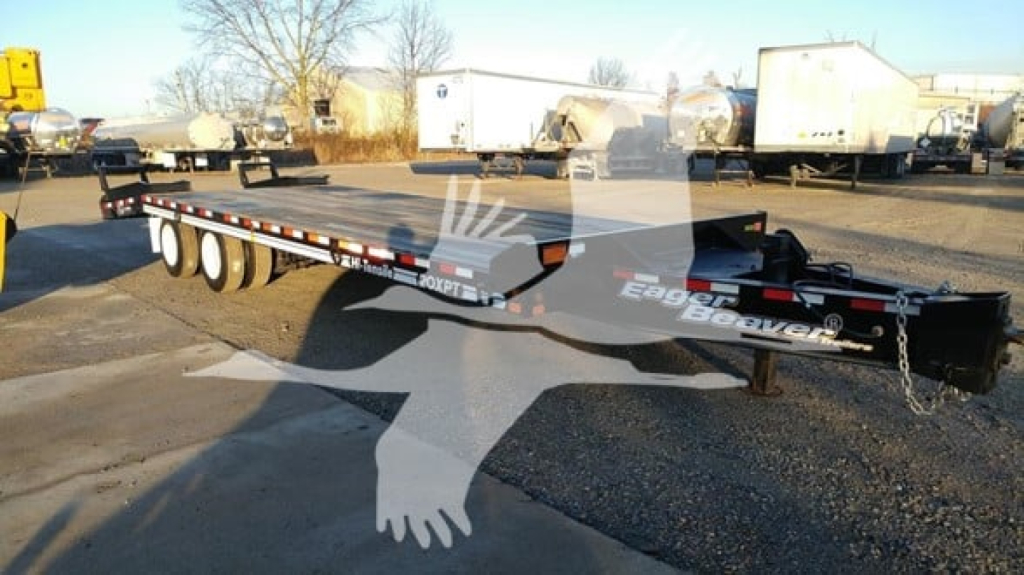
Deck and securement configuration will determine how versatile the trailer is day to day. Aluminum floors reduce weight, but wood floors and Apitong decking still have strong appeal for traction, repairability, and securement flexibility. Many buyers want full-length roadside or both-side winch tracks, enough sliding winches to match their strap package, and double pipe spools for staging chains, straps, and edge protection. Bulkhead choice also matters. Some general freight flatbeds are ordered without a bulkhead to save weight, while equipment-oriented tag flatbeds often use a full-width steel bulkhead, D-rings, a beavertail, and ramps. Those shorter pintle trailers are still flatbeds, but they serve a different job than an over-the-road semi flatbed. They are better suited for skid steers, compact excavators, and jobsite equipment than long-haul building products.
A buyer comparing 2026 flatbed trailers should also look past the deck to the running gear and service-life items. Hendrickson Intraax air ride, Jost landing gear, aluminum outside and steel inside wheel combinations, LED lighting, dump valves, disc brakes, and tire inflation systems all influence uptime and maintenance cost. In a state like Ohio, corrosion exposure, winter road treatment, and mixed interstate and local work make material choice and undercarriage condition especially important. The best flatbed trailer is the one whose weight, axle arrangement, floor type, and securement package match the freight you haul most often, not the one with the longest option list.
Frequently Asked Questions about 2026 Flatbed Trailers in Ohio
What size is most common for a highway flatbed trailer?
The most common over-the-road flatbed trailer is 48 feet long and 102 inches wide with tandem axles. That size works well for general freight, steel products, machinery, and building materials because it balances legal capacity, dock and yard maneuverability, and broad load compatibility. Some operations still use 53-foot flatbeds, while shorter tag-style flatbeds are more common for equipment and contractor use than standard freight work.
Is an aluminum flatbed better than a steel flatbed?
Aluminum flatbeds usually offer lower tare weight and better resistance to corrosion, which helps maximize payload and can be a strong advantage in states with winter road salt. Steel flatbeds are typically heavier but are often favored for rugged service, repair familiarity, and lower upfront cost on certain builds. The better choice depends on the freight profile, expected service life, repair environment, and how much value a fleet places on payload versus structural heaviness.
What flatbed specs matter most for heavy concentrated loads?
For heavy concentrated freight, buyers should focus on crossmember spacing, coil package reinforcement, axle spread or tandem configuration, kingpin setting, and the trailer's load rating in short sections such as 4 feet and 10 feet. Those specs tell you more about real load handling than overall GVWR alone. Securement equipment also matters because dense freight often requires a stronger tie-down plan with winch tracks, chain positions, and staging points for chains, straps, and protection gear.
What is the difference between a standard flatbed and a tag flatbed trailer?
A standard semi flatbed connects to a fifth wheel and is built for highway freight, usually in 48-foot or 53-foot lengths. A tag flatbed uses a pintle-style connection and is often shorter, with features such as a bulkhead, beavertail, D-rings, and loading ramps. Tag flatbeds are commonly used for hauling equipment and materials behind vocational trucks, while semi flatbeds are used for broader commercial freight applications.
Which suspension setup is best on a flatbed trailer?
Air ride suspension is a common choice on highway flatbeds because it helps protect freight, improves ride quality, and is widely accepted across general freight operations. Spring ride is simpler and is often seen on equipment-oriented tag trailers where ruggedness and cost control matter more than ride quality. The right suspension depends on cargo sensitivity, route conditions, maintenance preferences, and whether the trailer is primarily hauling freight or equipment.