
2026 Van Trailers For Sale in Pennsylvania
Shop 2026 van trailers for sale in Pennsylvania. Compare 53-foot dry van specs, air-ride suspensions, swing doors, floors, and logistics options.
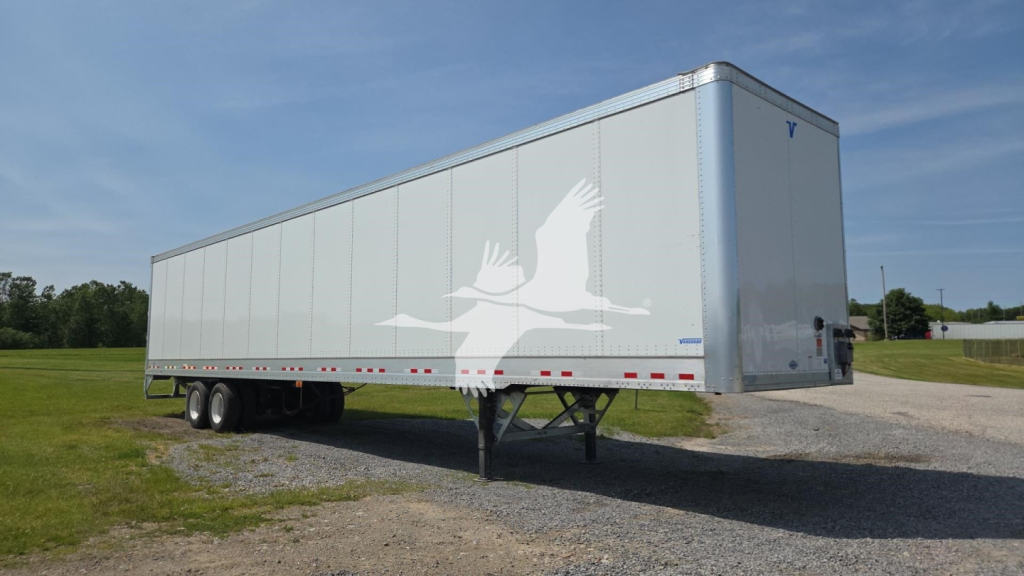
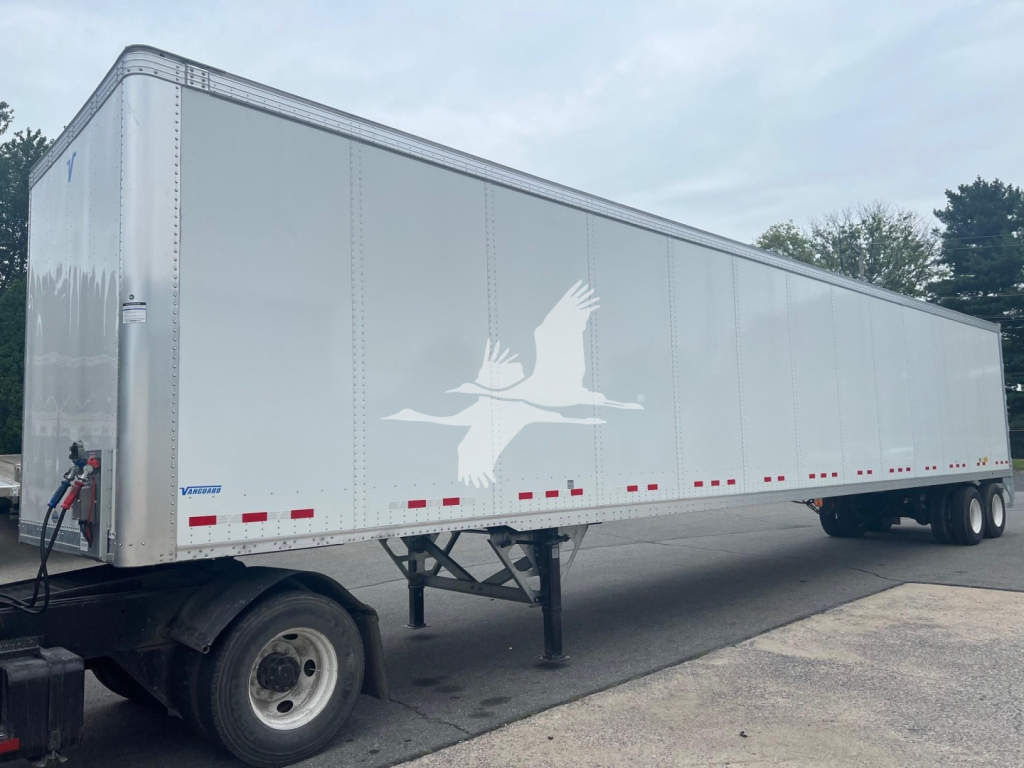
Have 2026 van trailer to sell? List it here to reach thousands of buyers.
2026 Van Trailers in Pennsylvania
Plate vans are common in this class because they hold up well in high-cycle freight. Expect galvanized steel side panels or composite plate construction, logistics posts on regular centers, scuff liners, hardwood flooring, and anti-snag roof bows. A 1 3/8-inch laminated hardwood floor with multiple screws per board remains a common benchmark for forklift traffic and concentrated pallet weight. Crossmember spacing, usually tighter on heavier-duty specs, matters if the trailer will see dense beverage, paper, or industrial freight. Buyers running mixed freight should also look closely at interior width, interior height, and door opening dimensions, especially when cube efficiency and dock loading speed matter.
In Pennsylvania, trailer spec often follows route profile and freight mix. Fleets running the Turnpike, regional LTL support, or distribution lanes into the Northeast often prefer air-ride for cargo protection and a slider for bridge law compliance and axle adjustment. Swing doors are still standard on many dry vans because they are simple, durable, and familiar across most shipping docks, though roll-up doors may be worth considering for multi-stop work where repeated door cycles are a priority. Galvanized rear frames, bolt-on bumpers, quality landing gear, and durable nose lining all help a van trailer hold up better in wet winters, dock impact, and heavy daily use.
A newer model year trailer also gives buyers access to details that improve uptime and resale, including tire inflation systems, LED lighting, telematics prep, and upgraded suspension packages from suppliers such as Hendrickson. When comparing 2026 van trailers for sale, the best value is not just the newest build date. It is the trailer whose floor rating, lining package, axle configuration, door setup, and corrosion protection match the freight it will actually haul. A dry van that is correctly spec'd for freight density, loading method, and regional regulations will usually outperform a cheaper trailer that looks similar on paper.
Frequently Asked Questions about 2026 Van Trailers in Pennsylvania
What are the most common specs on a 2026 van trailer?
The most common setup is a 53-foot dry van with a 102-inch exterior width, 13-foot 6-inch overall height, tandem axles, and an air-ride suspension. Many buyers also look for a sliding tandem, 36-inch kingpin setting, swing doors, laminated hardwood flooring, logistics posts, and galvanized rear components. Exact interior dimensions, floor rating, and crossmember spacing can vary by manufacturer and intended freight application.
Is an air-ride slider important on a dry van trailer in Pennsylvania?
For many Pennsylvania operations, an air-ride slider is a practical spec. Air-ride helps reduce cargo shock on rough roads and protects freight such as packaged goods, electronics, and consumer products. A sliding tandem gives the operator more flexibility for bridge law compliance, axle weight distribution, and dock approach conditions, which matters on regional Northeast routes and mixed freight lanes.
What is the difference between a plate van and a sheet-and-post dry van?
A plate van uses side panels designed for greater durability and often better resistance to dock and freight contact damage. Sheet-and-post construction can be lighter in some configurations, but plate vans are often favored in demanding fleet service where forklifts, dense palletized freight, and frequent loading cycles are common. The right choice depends on payload goals, abuse level, repair preferences, and how long the trailer is expected to stay in service.
What should buyers check on the floor and interior of a van trailer?
Floor construction is one of the most important details on any dry van. Buyers should verify floor thickness, material, fastener pattern, and crossmember spacing because those factors affect forklift performance and long-term durability. Interior lining, scuff liners, logistics posts, and nose protection also matter. These components help manage freight securement, reduce wall damage, and support faster loading in dock environments.
Are swing doors or roll-up doors better on a van trailer?
Swing doors are the standard choice for many dry van applications because they provide a full rear opening, remain simple to maintain, and hold up well in dock service. Roll-up doors can be useful in multi-stop delivery work where quick opening and closing is more important, but they usually add weight and reduce some rear opening clearance. The best door style depends on loading frequency, freight type, and how often the trailer is used at conventional dock facilities.