
2026 Van Trailers For Sale
Shop 2026 van trailers with 53' dry van specs, air ride, sliding tandems, logistic posts, and cargo-friendly interior options.
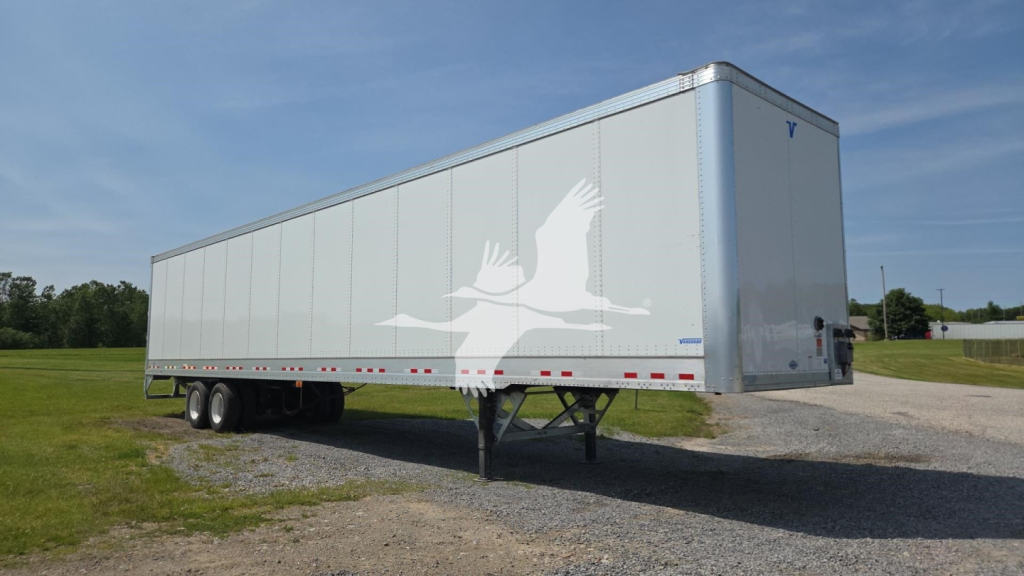
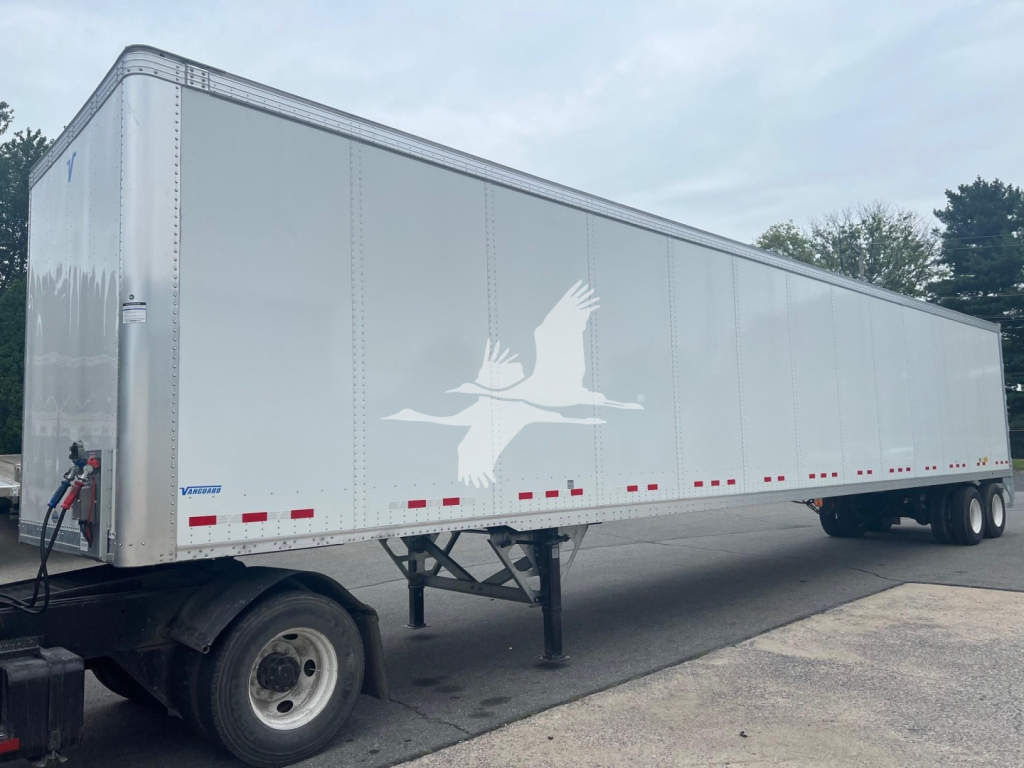
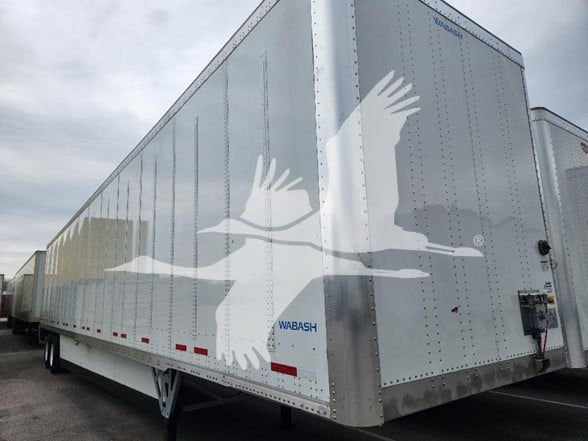
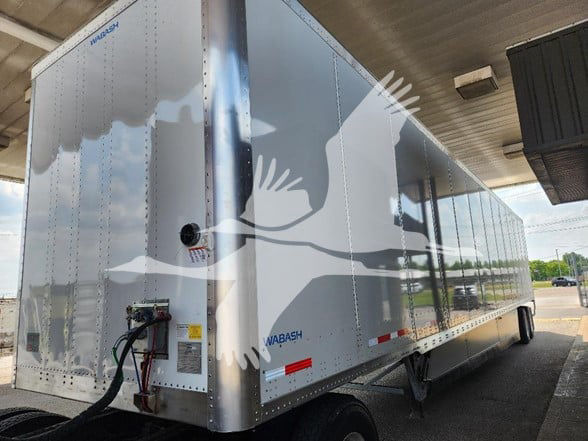
Have 2026 van trailer to sell? List it here to reach thousands of buyers.
2026 Van Trailers
The biggest buying decisions usually come down to body construction, suspension, and cargo-control layout. Aluminum or aluminum-steel combo construction helps manage tare weight, while galvanized rear frames, durable floors, and reinforced thresholds matter for fleets loading heavy pallet traffic every day. Air ride suspension is common on newer van trailers because it improves ride quality and helps protect sensitive freight, while sliding tandems give flexibility for bridge law compliance, axle spread requirements, and dock maneuvering. Buyers should also compare kingpin settings, crossmember spacing, roof bow design, and floor thickness, especially if the trailer will see high-cycle forklift loading or concentrated floor loads.
Interior spec matters more than many first-time buyers expect. Logistic posts, E-track, plywood lining, scuff liners, front wall protection, and threshold plates directly affect how well the trailer handles mixed freight and how expensive it is to keep in service. Door configuration is another practical choice. Roll-up doors are common in LTL and multi-stop work where dock convenience matters, while swing doors can reduce maintenance and preserve full rear opening access for some operations. Tire inflation systems, side skirts, air lift axles, and low-rolling-resistance tire packages may also appear on newer van trailers aimed at improving uptime and fuel economy.
For a 2026 model year van trailer, buyers often focus on long-term operating cost as much as purchase price. Look closely at suspension brand, brake setup, wheel type, tire size, rear impact protection, and the condition or design of wear components such as floors, door hardware, and landing gear. A dry van that matches your freight profile, loading method, and route restrictions will usually return more value than simply choosing the lightest or least expensive spec. The right trailer should fit your dock heights, cargo securement needs, state bridge rules, and maintenance program from day one.
Frequently Asked Questions about 2026 Van Trailers
What is a van trailer used for?
A van trailer, commonly called a dry van trailer, is used to haul freight that needs full weather protection and secure enclosed transport. Typical cargo includes palletized consumer goods, packaged food products, paper, boxed freight, retail merchandise, and many non-temperature-sensitive industrial products. It is the standard trailer type for dock-high shipping and general over-the-road freight.
What are the most common specs on a 2026 dry van trailer?
Most 2026 dry van trailers in this category are 53 feet long, 102 inches wide, and built with tandem axles on 22.5-inch tires. Common specs include air ride suspension, sliding tandems, wood floors over steel crossmembers, aluminum roofs, logistic posts, scuff liners, and either roll-up or swing rear doors. Inside height is often around 108 to 110 inches, but exact cargo clearance depends on roof design, floor construction, and tire setup.
Is air ride or spring suspension better on a van trailer?
Air ride is generally preferred on newer van trailers because it offers a smoother ride, better cargo protection, and broader acceptance in premium freight applications. Spring suspension can be simpler and may reduce upfront cost, but it is less common on late-model fleet dry vans. For operations hauling fragile, high-value, or mixed freight, air ride is usually the stronger long-term choice.
What should I inspect first on a used or late-model van trailer?
Start with the floor, rear frame, door operation, suspension condition, and signs of damage around the nose, side panels, and crossmembers. Buyers should also check tandem slide function, brake condition, tire wear, landing gear, roof integrity, and interior cargo-control equipment such as E-track or logistic posts. On high-cycle freight trailers, the threshold plate, scuff areas, and front wall protection often reveal how hard the trailer has been worked.
Are roll-up doors or swing doors better on a dry van trailer?
The better choice depends on the application. Roll-up doors are convenient for frequent dock stops and urban delivery work because they open quickly and stay out of the way. Swing doors are mechanically simpler, often lighter to maintain over time, and can provide a full-height, full-width rear opening that some shippers and forklift operators prefer. The right door style depends on stop frequency, dock conditions, and maintenance priorities.