
2026 Vanguard Van Trailers For Sale
Shop 2026 Vanguard van trailers with specs buyers compare most: 53' dry vans, logistics posts, air ride, sliding tandems, and durable floor options.
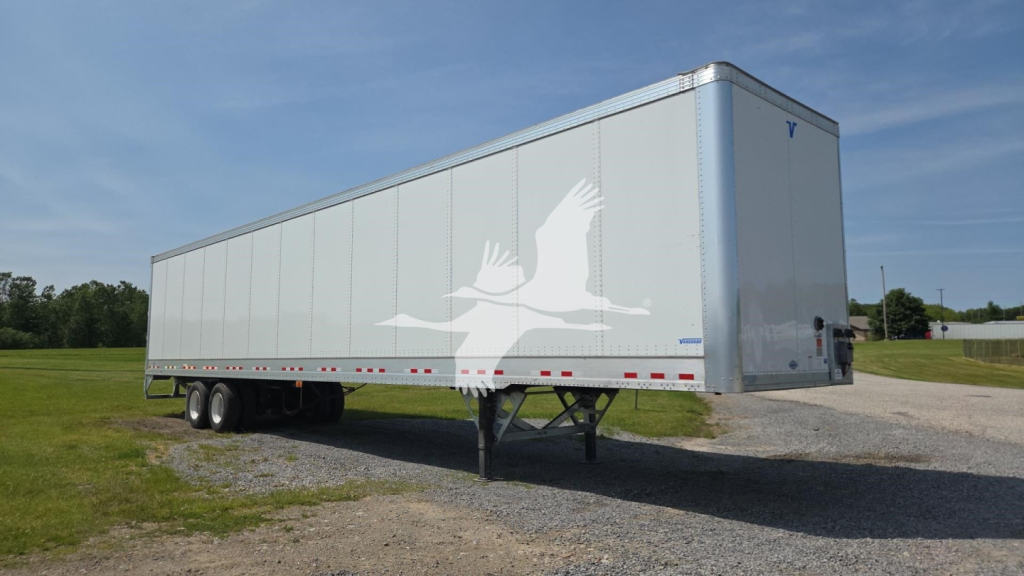
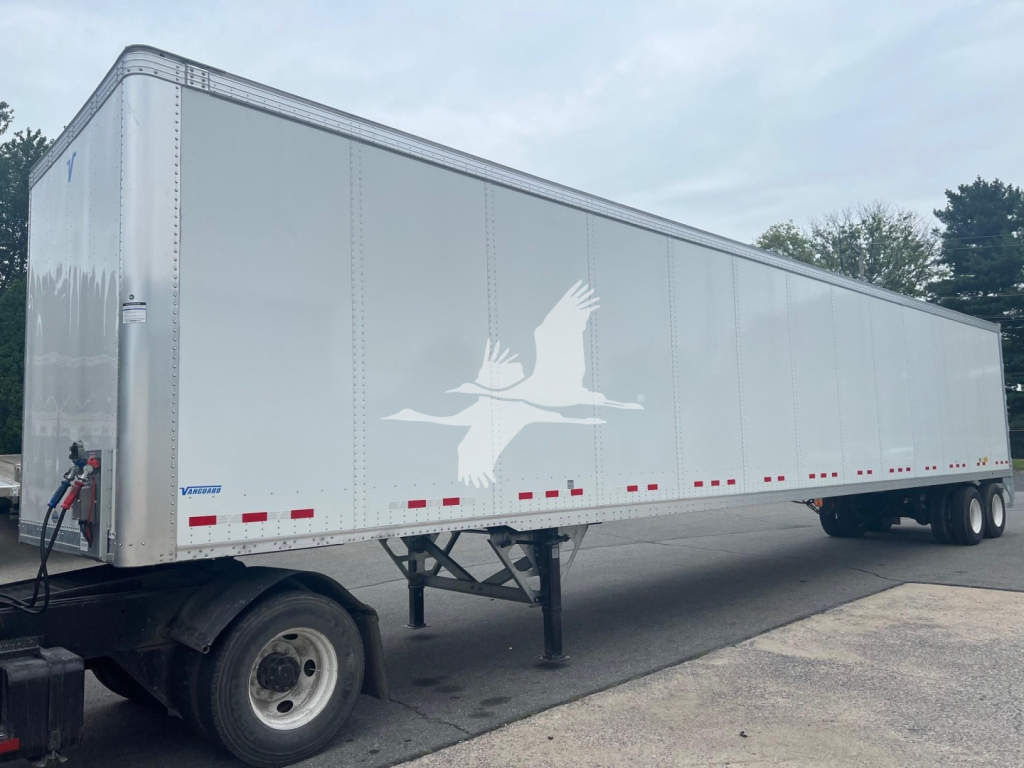
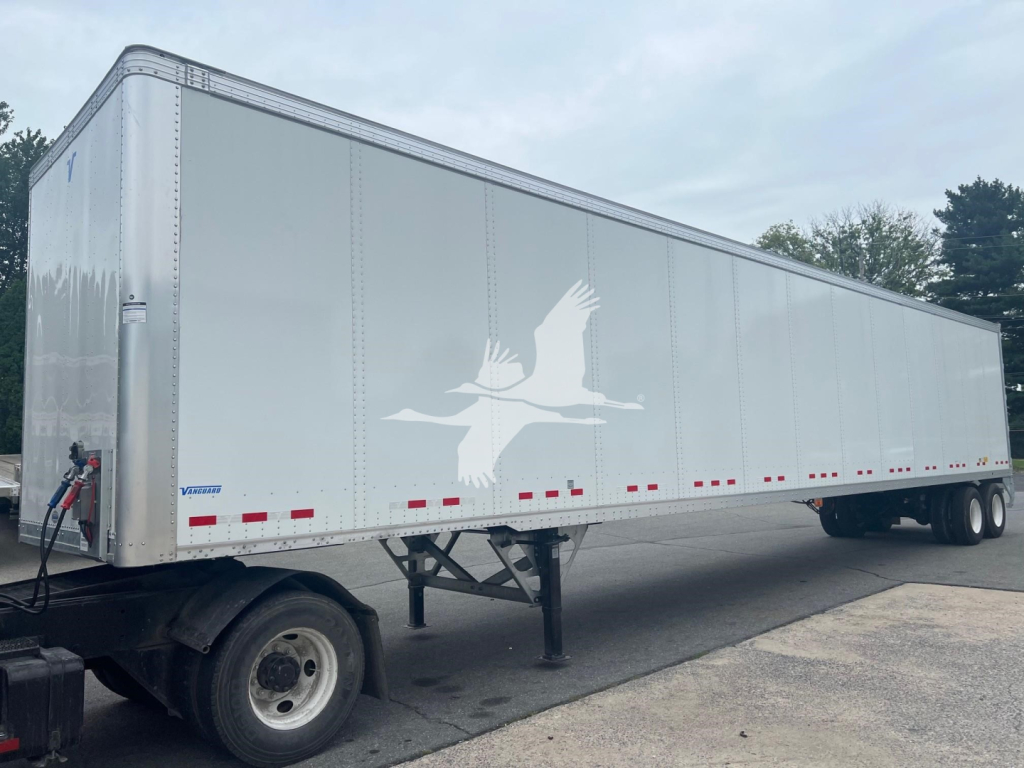
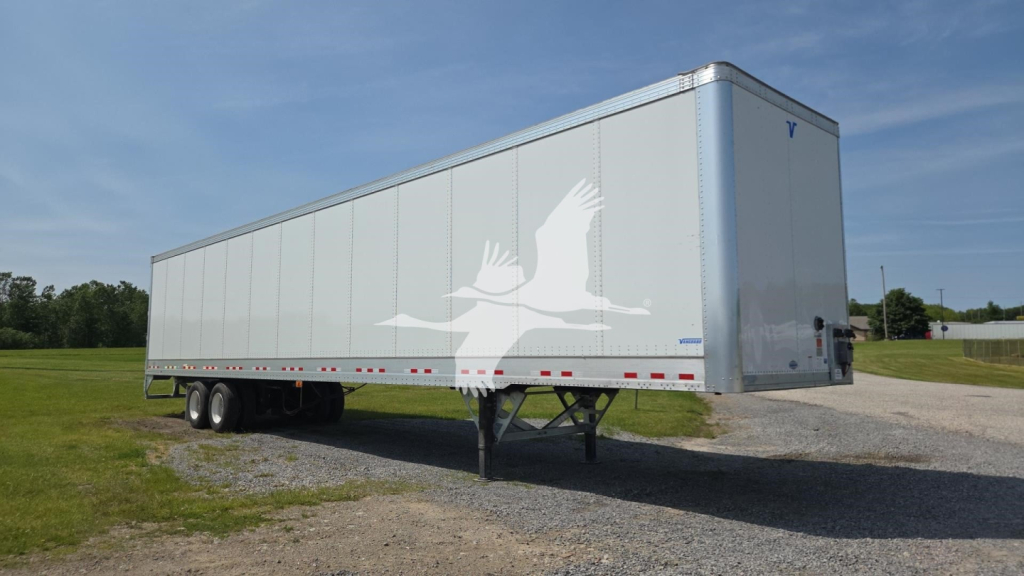
Have 2026 vanguard van trailer to sell? List it here to reach thousands of buyers.
2026 Vanguard Van Trailers
The spec decisions that matter most are usually suspension, tandem setting, floor build, and interior freight handling layout. Air ride with a sliding tandem remains the standard choice for dry van fleets because it protects freight better than spring ride and gives flexibility for bridge laws, axle scaling, and loading dock positioning. A common setup is a 49-inch sliding tandem with 295/75R22.5 tires, steel or aluminum wheels, and a 36-inch kingpin setting. Inside, many buyers look for logistics posts on 48-inch spacing, scuff liners or scuff plates, threshold plates, and a durable hardwood floor such as 1-3/8-inch oak. These details matter if the trailer will see mixed freight, liftgate carts, pallet jack traffic, or frequent forklift loading.
Vanguard dry vans are often spec'd for high-utilization fleet service, so rear frame durability and dock equipment compatibility deserve attention. Galvanized rear frames, reinforced bumpers, recessed dock bumpers, anti-snag roof bow designs, and quality rear door hardware all affect uptime in terminal and warehouse environments. Swing doors are still common in this category because they are simple, durable, and widely accepted across shipping facilities. Buyers should also pay attention to the nose structure, crossmember spacing, ABS configuration, landing gear brand, and optional tire inflation systems such as Hendrickson TireMaax PRO, since those features can reduce roadside failures and improve maintenance consistency across a fleet.
For a buyer comparing multiple 2026 Vanguard van trailers, the real question is how closely the trailer matches the freight and lane profile. General dry freight operations usually want a balanced tare weight and durability package. Dedicated retail or grocery support may prioritize logistics-ready interiors, full-height liners, and stronger threshold protection. Regional fleets with heavy dock contact often favor corrosion-resistant rear components and robust floor fastening. When the trailer is spec'd correctly, a Vanguard van can serve as a versatile dry freight platform with the dimensions, cube, and serviceability expected in mainstream over-the-road and regional van operations.
Frequently Asked Questions about 2026 Vanguard Van Trailers
What are the typical dimensions of a 2026 Vanguard van trailer?
Most 2026 Vanguard van trailers in this category follow the standard 53-foot by 102-inch dry van format with a 13-foot 6-inch overall height. Inside dimensions are commonly about 101 inches wide and 110 inches high, with a rear door opening sized to handle standard palletized freight and dock loading requirements. Those dimensions give carriers broad freight compatibility across retail, manufacturing, and general dry goods lanes.
What is the difference between a sheet-and-post van and a plate van?
A sheet-and-post van uses exterior sheets supported by vertical posts, while a plate van uses heavier plate-style side construction or composite plate panels for a smoother and more damage-resistant wall structure. Buyers often choose between them based on repair philosophy, operating environment, and weight sensitivity. Plate-style vans are commonly preferred in hard-use freight operations where interior wall durability and cleaner sidewall surfaces matter more than shaving every possible pound of tare weight.
Why is air ride suspension so common on Vanguard van trailers?
Air ride is common because it helps protect freight, improves ride quality, and supports broader shipper acceptance for sensitive or high-value cargo. It also pairs well with sliding tandem configurations used to manage axle weights and meet bridge requirements. For carriers handling mixed freight, air ride is usually the practical standard because it balances cargo protection, driver acceptance, and resale appeal.
What interior features should buyers look for in a dry van trailer?
The most useful interior features depend on cargo type, but many buyers focus on logistics posts, scuff liners, nose liners, threshold protection, and hardwood floor construction. Logistics posts improve load securement flexibility, especially for mixed pallet patterns or decking systems. Scuff protection and reinforced flooring matter in operations with frequent forklift traffic, pallet jack use, and repeated loading at busy docks.
Which specs have the biggest impact on long-term operating cost?
Floor durability, rear frame corrosion resistance, suspension components, tire management features, and door hardware usually have the biggest effect on long-term cost. A strong floor and well-protected rear structure reduce expensive dock-related repairs. Quality suspension spec, standardized wheel and tire sizes, and options like automatic tire inflation systems can also improve uptime and lower maintenance expense over the life of the trailer.