
2026 Trailers For Sale in Ohio
Shop 2026 trailers for sale in Ohio, including dry vans, flatbeds, lowboys, and specialized hauling trailers with buyer-focused specs.
Learn more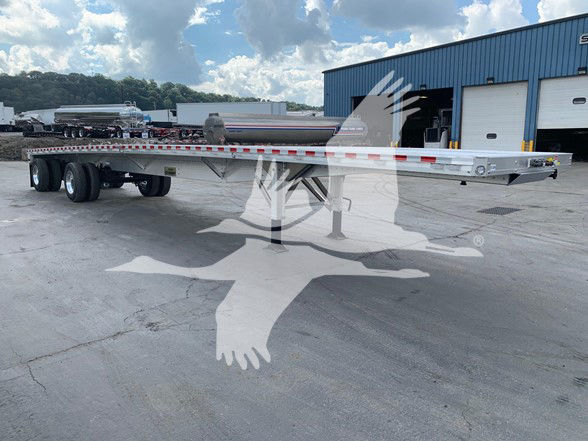
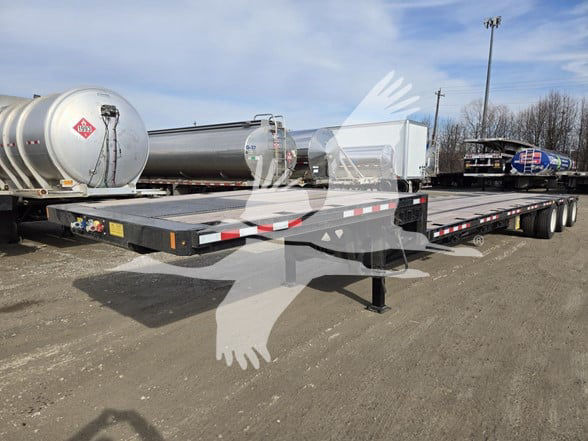
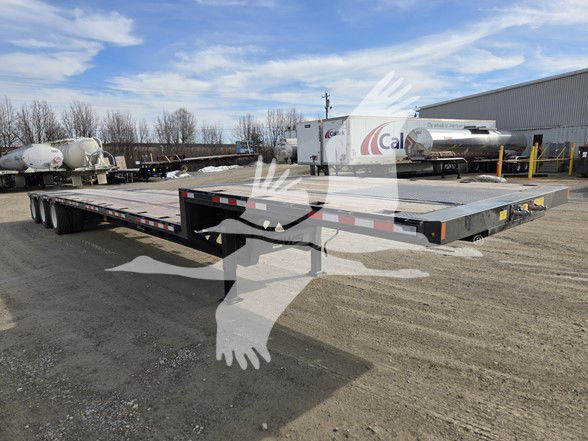
Showing 25 to 27 of 27 results
Have 2026 trailer to sell? List it here to reach thousands of buyers.
About 2026 Trailers in Ohio
For van trailers, the specs that matter most are length, inside height, floor rating, tandem configuration, and sidewall construction. A 53-foot van with a 102-inch outside width remains the standard for high-cube freight, and buyers should pay close attention to door opening dimensions, logistics post spacing, scuff liner design, roof bow spacing, and kingpin setting. Sliding tandems are still the most versatile setup for bridge law compliance and dock flexibility. Composite plate sidewalls, aluminum roofs, hardwood floors, galvanized rear structures, and systems like Hendrickson TireMaax are all desirable on 2026 dry van trailers because they support durability, payload management, and lower maintenance over time.
On the open-deck side, 2026 flatbed trailers and lowboy trailers serve very different jobs. A flatbed trailer, also known as an open deck trailer, is built for palletized materials, steel, lumber, machinery, and freight that needs side loading or overhead crane access. Buyers should look at deck length, bulkhead design, aluminum versus combo construction, winch track layout, sliding winches, chain tie-down count, coil package specs, and axle spread. A lowboy trailer, including hydraulic detachable gooseneck and mechanical detachable configurations, is used when deck height and loading angle matter more than deck accessibility. Main deck height, loaded fifth wheel height, gooseneck style, axle spacing, swing clearance, outriggers, apitong flooring, and rated capacity in a defined deck length are key buying points.
For buyers comparing 2026 trailers for sale in Ohio, the best value usually comes from matching the trailer to the freight first, then narrowing by suspension, axle arrangement, deck or body construction, and serviceability. Steel and combination trailers generally favor heavy-duty applications, while aluminum-focused builds can help maximize payload. Tire size, wheel type, crossmember spacing, landing gear, brake setup, and tie-down hardware all affect long-term operating cost and day-to-day usability. A current-model trailer should be evaluated the same way a fleet manager would evaluate a spec sheet: by legal payload, loading efficiency, maintenance access, and how well the trailer matches the lanes, commodity, and tractor configuration it will run behind.
Frequently Asked Questions
What types of 2026 trailers are most common for sale in Ohio?
The most common 2026 trailers in Ohio usually include dry van trailers, flatbed trailers, lowboy trailers, and double drop trailers. Dry vans are used for general freight and dock-to-dock operations. Flatbeds are common in steel, lumber, and construction material hauling. Lowboys and double drops are more specialized for heavy equipment, pavers, and taller machinery that require reduced deck height or detachable loading.
What should I check first when comparing 2026 trailers?
Start with the application and legal operating requirements. Trailer length, axle configuration, suspension type, kingpin setting, deck height, and body construction all need to match the freight and the tractor that will pull it. On vans, floor rating, inside height, tandem slide range, and rear frame construction are major factors. On flatbeds and lowboys, tie-down equipment, deck material, capacity rating, and loading method are usually the most important buying points.
Is air ride suspension standard on most newer trailers?
Air ride suspension is very common on late-model trailers because it improves ride quality, helps protect freight and equipment, and is widely accepted in fleet operations. It is especially common on dry vans, flatbeds, and lowboys built for heavier or more sensitive loads. Buyers should still verify the specific suspension brand, axle spacing, ride height controls, and whether the trailer includes dump valves or raise-and-lower capability for loading and docking.
What makes a 2026 lowboy or detachable trailer a good heavy-haul choice?
A strong heavy-haul spec starts with the rated capacity in a stated deck length, then moves to deck height, gooseneck design, axle group, and loading geometry. Hydraulic detachable goosenecks improve loading convenience for many machines, while mechanical detachable designs can offer durability and lower system complexity. Features like apitong decking, outriggers, D-rings, swing clearance, traction cleats, and compatibility with a future flip axle or third axle matter when the trailer will handle varied equipment and permit loads.
Why do kingpin setting and tandem position matter on a 2026 trailer?
Kingpin setting and tandem position directly affect weight distribution, bridge law compliance, tractor-trailer balance, and maneuverability. On van trailers, a common kingpin setting such as 36 inches works well in many fleet applications, especially when paired with a sliding tandem. On specialty trailers, kingpin location and axle placement are even more critical because deck load position and fifth wheel height can change how the trailer tracks, loads, and scales.