
2026 Drop Deck Trailers For Sale in Ohio
Shop 2026 drop deck trailers for sale in Ohio. Compare deck lengths, loaded height, axle setups, ramps, beavertails, and tie-down options.
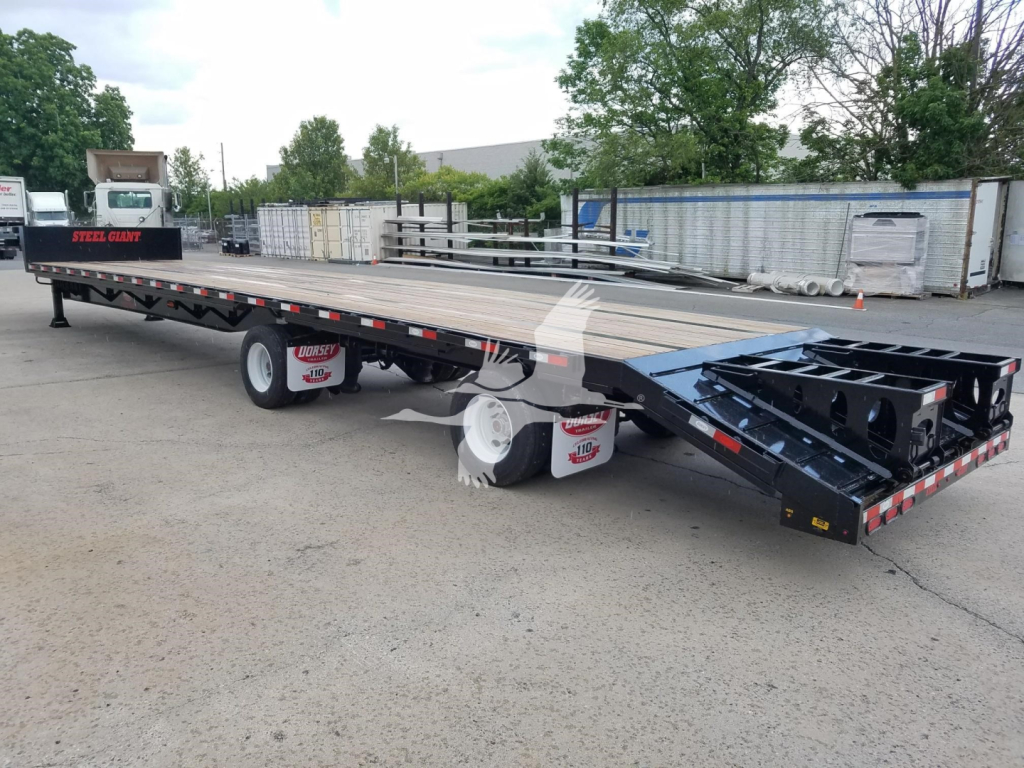
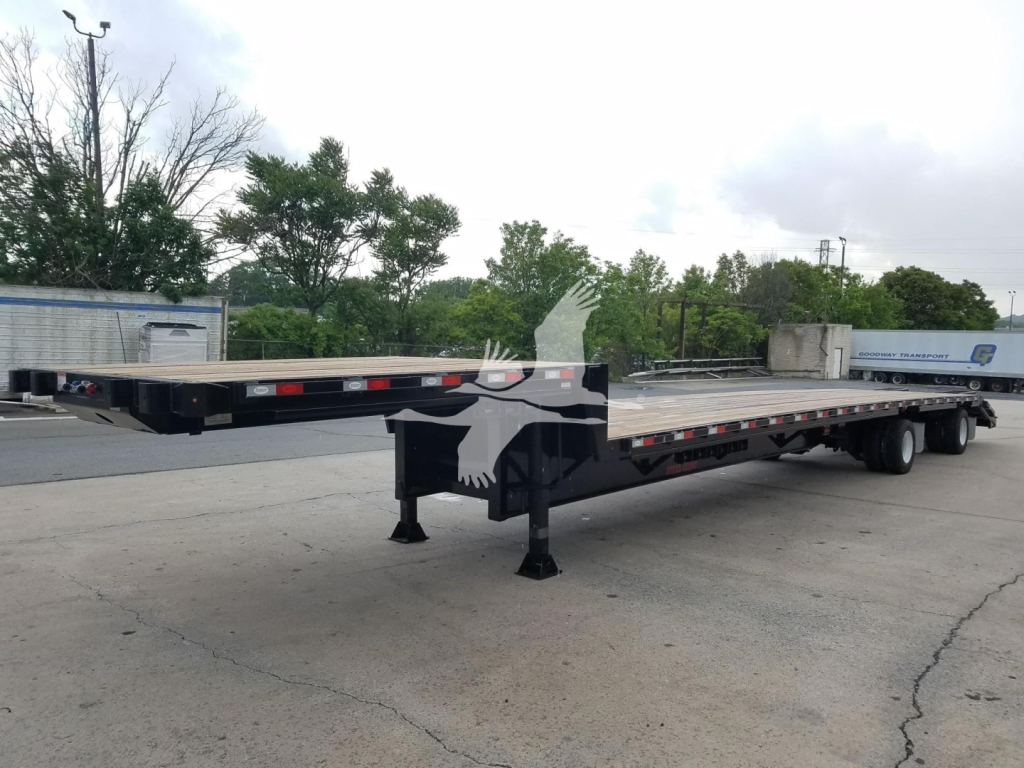
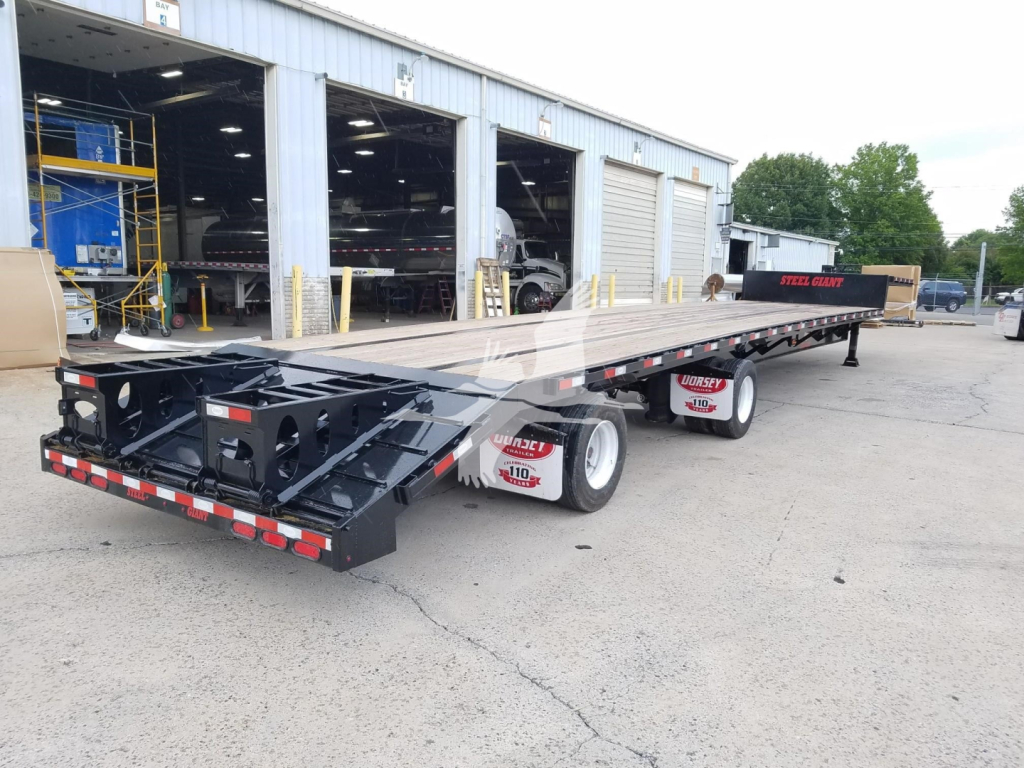
Selling a 2026 drop deck trailer? List your 2026 drop deck trailer for sale and reach thousands of commercial buyers.
2026 Drop Deck Trailers in Ohio
The main buying decision is usually deck configuration. Most drop decks in this class are 48 or 53 feet long, 102 inches wide, with a top deck around 10 to 11 feet and a lower deck around 37 to 38 feet. Loaded deck height commonly lands in the high-30-inch to low-40-inch range depending on tire size, suspension, and frame design. Buyers comparing 2026 models should look closely at kingpin setting, axle spread, crossmember spacing, and the concentration rating in the lower deck. A trailer rated for 60,000 pounds in 10 feet is a different tool than a lighter-weight all-aluminum unit built to maximize payload on general freight. Steel drops usually bring durability and stronger concentrated load handling, while aluminum drops cut empty weight and can add payload capacity for legal gross operations.
Tie-down equipment and loading hardware make a major difference in day-to-day usability. Common specs include roadside or both-side winch tracks, sliding winches, double pipe spools, chain slots, coil packages, and extra crossmembers for dense freight. Apitong flooring is still common on steel-frame trailers because it holds up well under forklifts and tracked equipment, while aluminum floors reduce tare weight on certain applications. Beavertail drop decks with spring-assisted ramps are especially useful for moving compact equipment, forklifts, scissor lifts, and small construction machines without a separate loading setup. Air ride suspension, dump valves, tire inflation systems, LED lighting, galvanized components, and disc brakes are all worth attention if uptime and maintenance cost matter to your operation.
For an Ohio buyer, corrosion resistance, winter serviceability, and parts support should be part of the comparison. Galvanized crossmembers, durable paint, sealed lighting, and common suspension and brake components can help when trailers see road salt and year-round use. It also pays to match tire size and axle configuration to the freight mix and loading docks you run most often. Tandem axle drop decks remain the standard for broad freight versatility, while tri-axle configurations can make sense for heavier concentrated loads and specialized permits. The best 2026 drop deck trailer is the one whose deck height, frame strength, tie-down package, and loading features fit your freight profile without adding unnecessary tare weight or complexity.
Frequently Asked Questions about 2026 Drop Deck Trailers in Ohio
What is the difference between a drop deck trailer and a flatbed trailer?
A drop deck trailer has two deck levels: an upper deck over the tractor frame area and a lower main deck behind it. That lower deck gives you more vertical loading room than a standard flatbed, which is why drop decks are commonly used for taller freight that still needs to stay within legal overall height. A flatbed is simpler and often lighter, but a drop deck is usually the better choice for machinery, crated equipment, and loads that would ride too high on a straight deck.
What deck sizes are common on a 2026 drop deck trailer?
Most standard drop deck trailers in this category are 48 or 53 feet long and 102 inches wide. The upper deck is often around 10 to 11 feet long, while the lower deck is typically about 37 to 38 feet on a tandem model. Main deck height commonly falls around 37 to 41 inches loaded, depending on frame design, suspension, and tire size. Those dimensions matter because they affect legal load height, usable deck space, and how easily equipment can be loaded.
When is a beavertail drop deck the better choice?
A beavertail drop deck is a strong option when the trailer will regularly load rolling or tracked equipment. The sloped rear section and ramps reduce the loading angle compared with a straight rear deck, which makes it easier to load forklifts, compact construction equipment, lifts, and similar machines. The tradeoff is that a beavertail changes the rear deck profile, so buyers hauling long, uniform freight should confirm it still fits their cargo and securement patterns.
Should I choose steel or aluminum for a drop deck trailer?
Steel drop decks are generally favored for rugged service, concentrated loads, and applications where frame durability matters more than tare weight. Aluminum drop decks usually weigh less, which can improve payload capacity on legal gross loads and general freight work. The right choice depends on your freight mix. If you haul machinery, dense steel products, or freight that puts high stress into specific deck zones, steel often makes more sense. If payload and fuel efficiency are higher priorities, aluminum can be the better long-term fit.
What specifications matter most when comparing drop deck trailers?
The most important specs are loaded deck height, lower-deck length, axle configuration, kingpin setting, crossmember spacing, and concentrated load rating. After that, buyers should compare tie-down equipment such as winch tracks, sliding winches, chain slots, coil packages, and pipe spools. Suspension brand, dump valve setup, brake type, tire size, flooring material, and ramp or beavertail options also affect how the trailer performs in daily service. These details determine not just capacity, but how efficiently the trailer handles your specific freight.