
2013 Trailers For Sale
Shop 2013 used trailers including dry vans, curtainsides, and tank trailers. Compare specs, axle setups, materials, and applications.

Showing 29 to 56 of 59 results
Looking for the easiest place to sell your 2013 trailer? List it here to reach thousands of buyers.
2013 Trailers
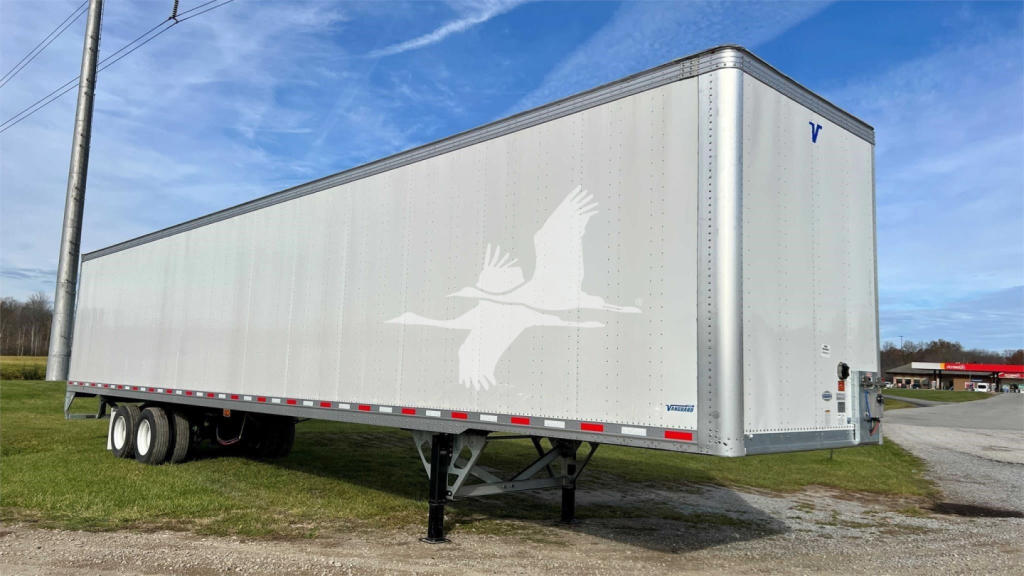
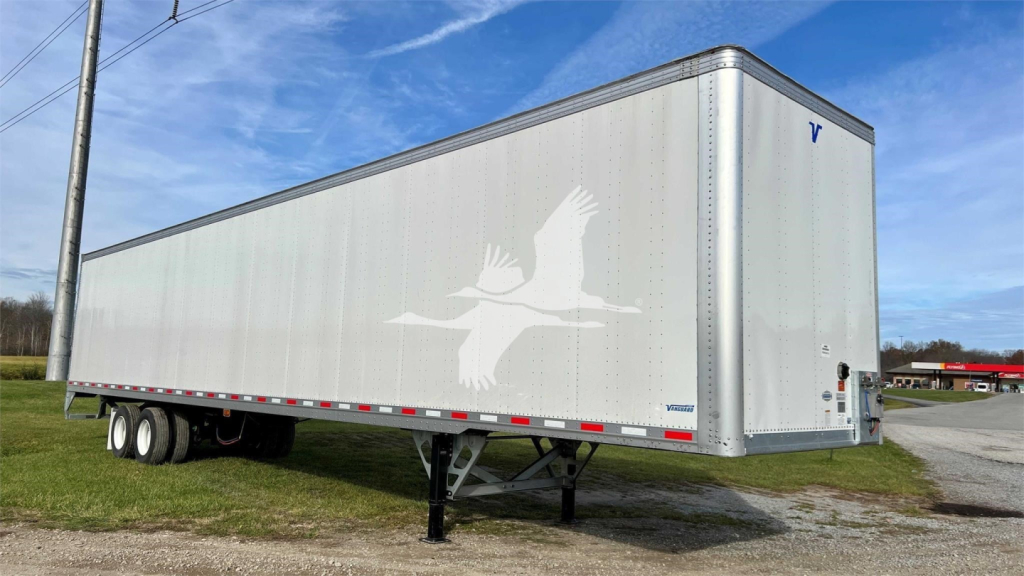
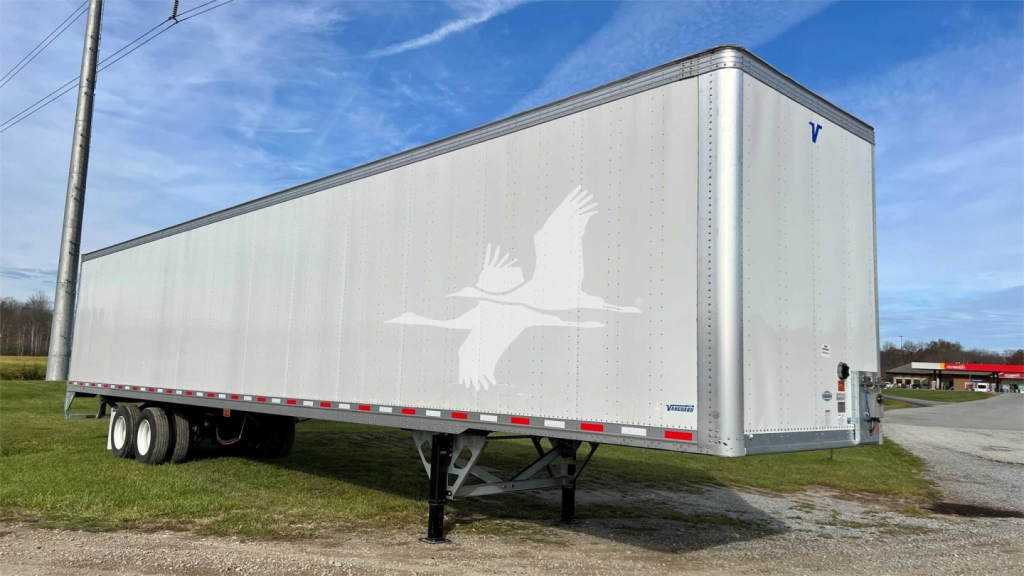
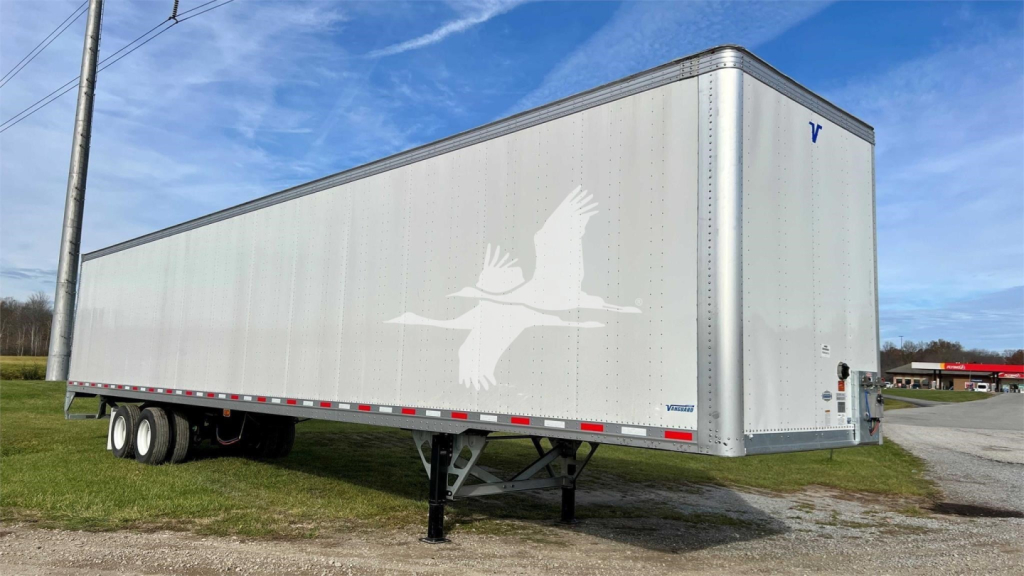
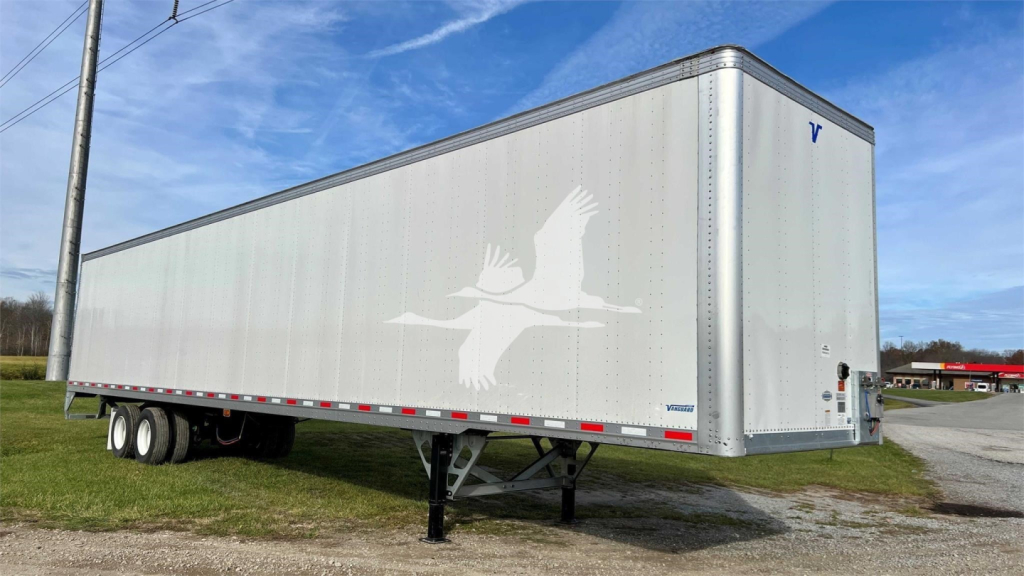
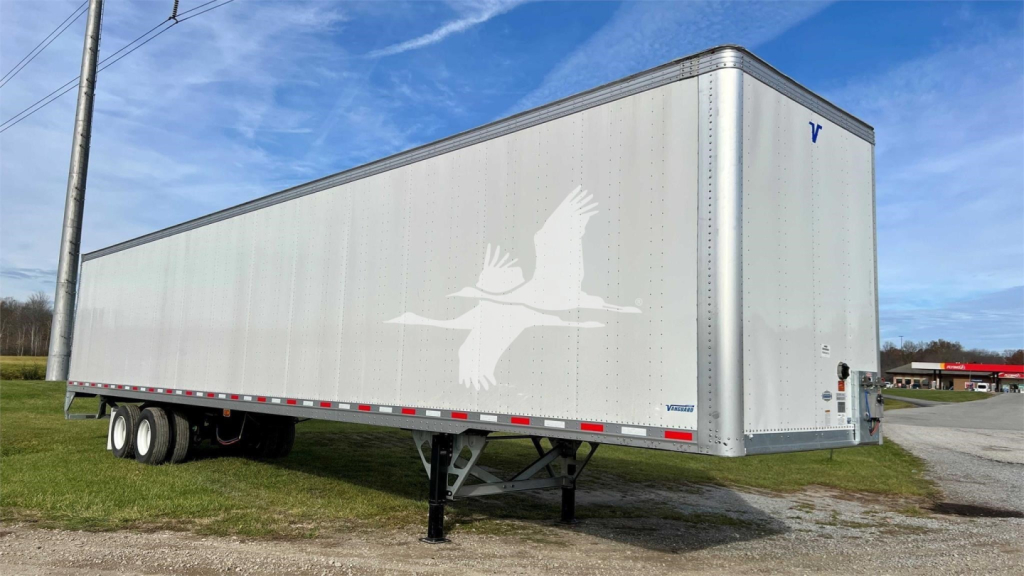
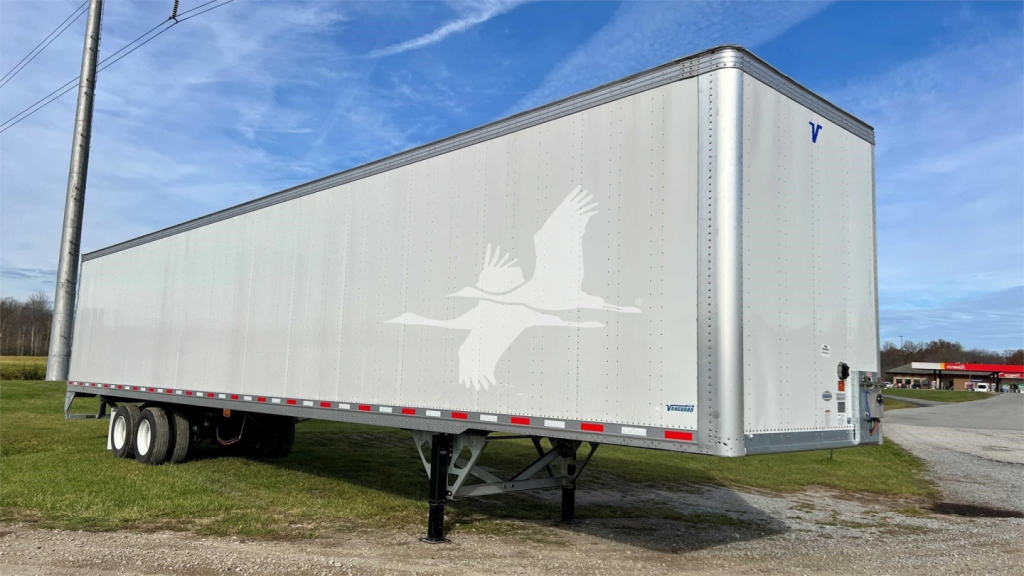
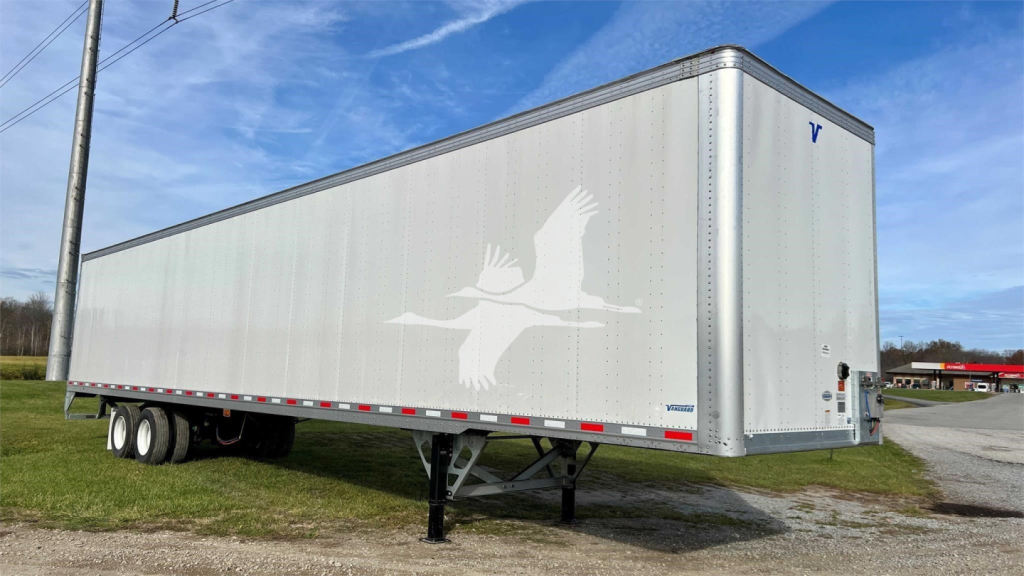
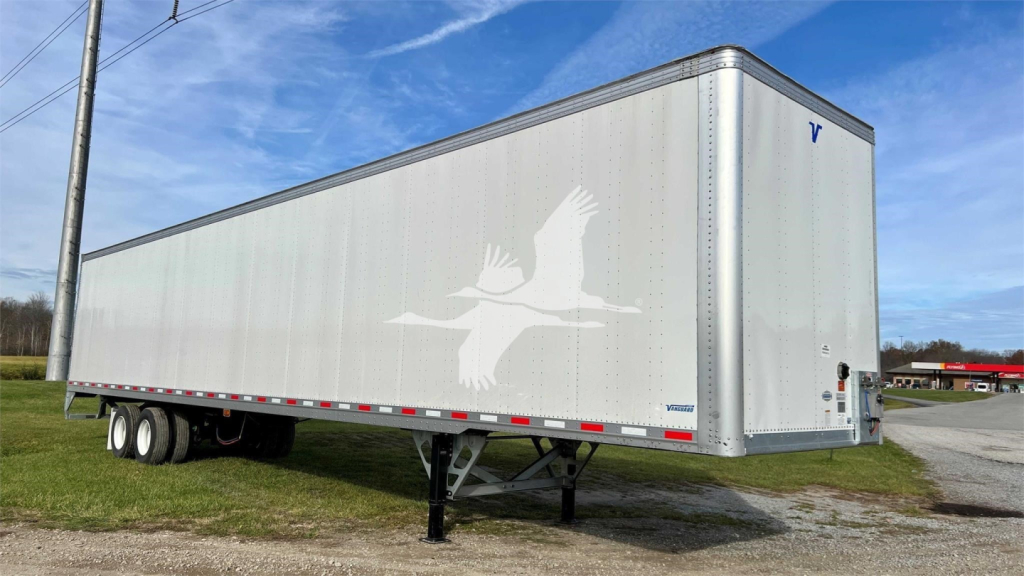
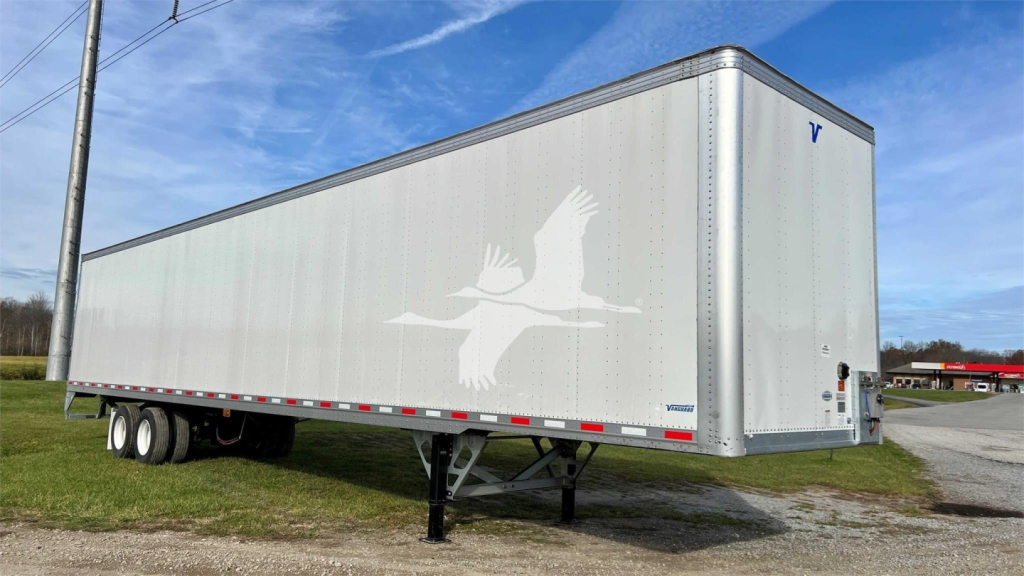
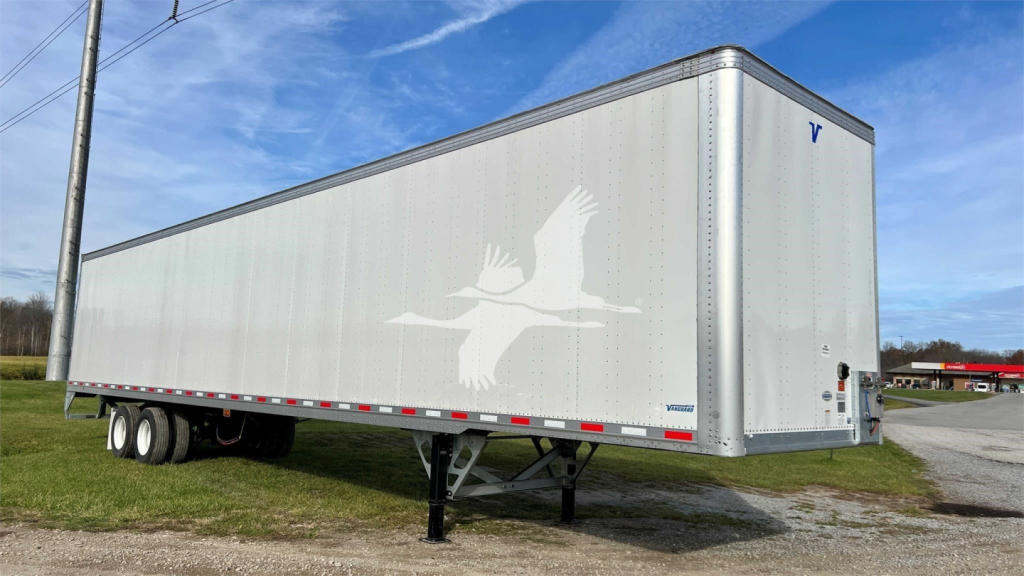
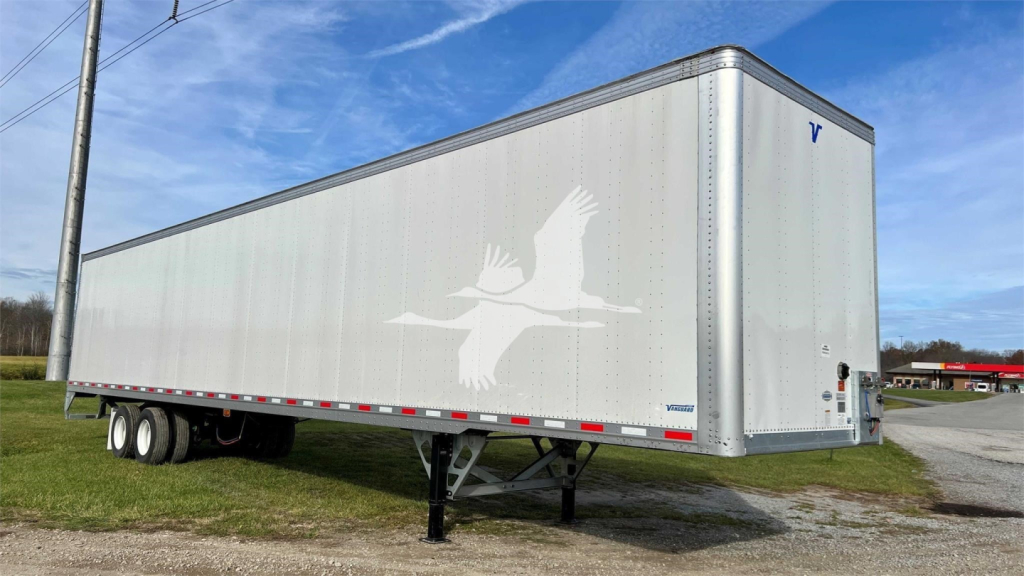
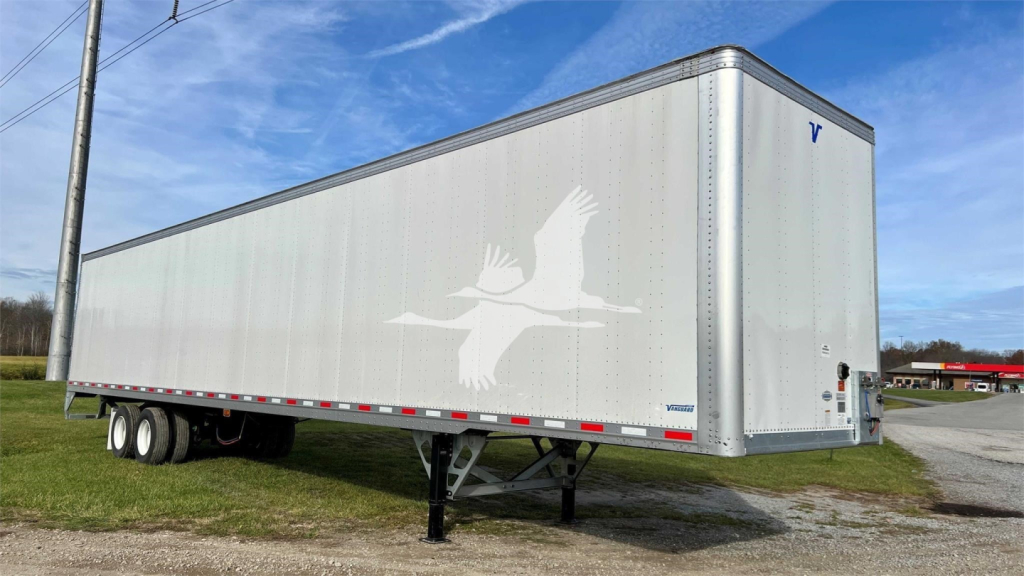
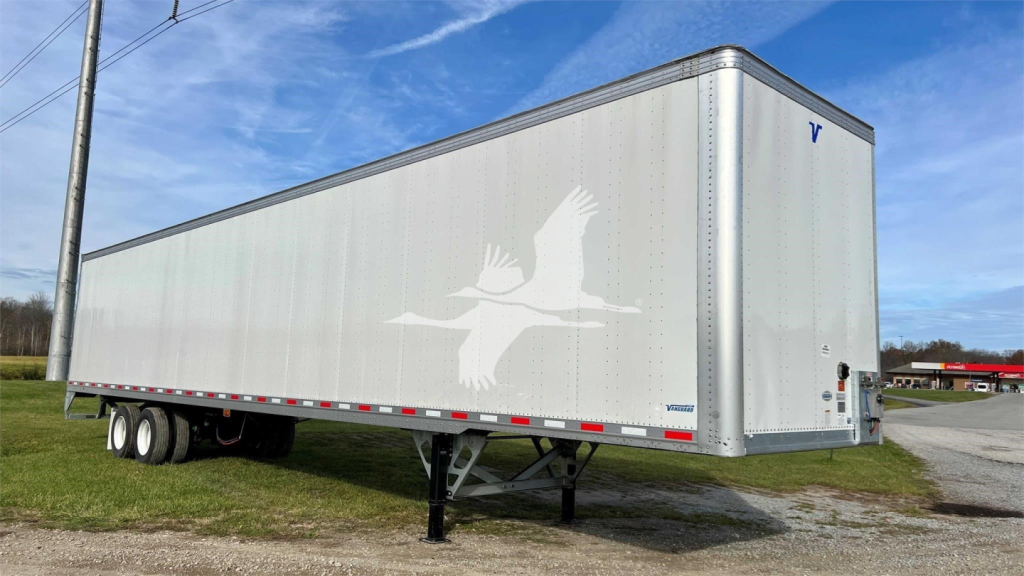
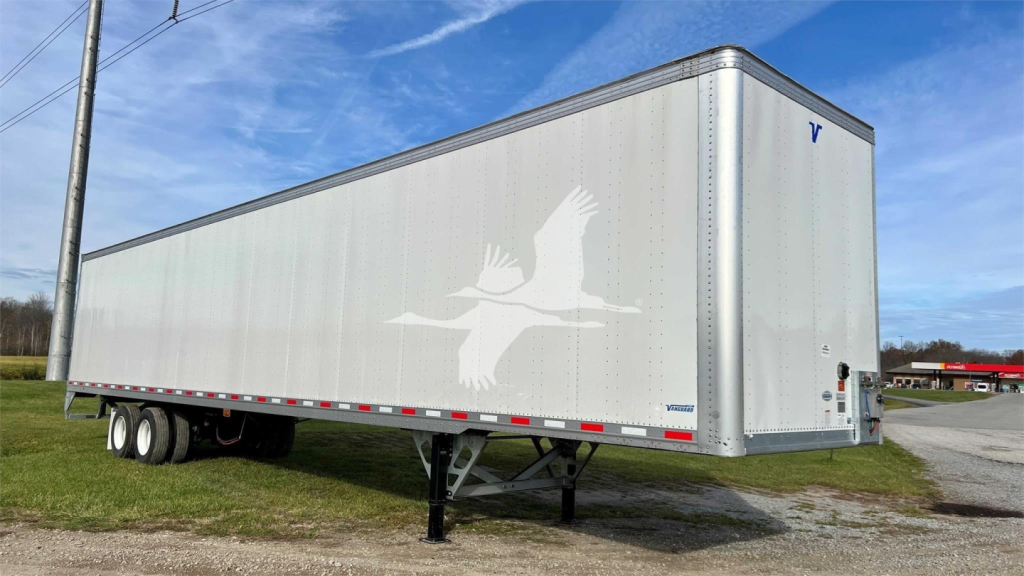
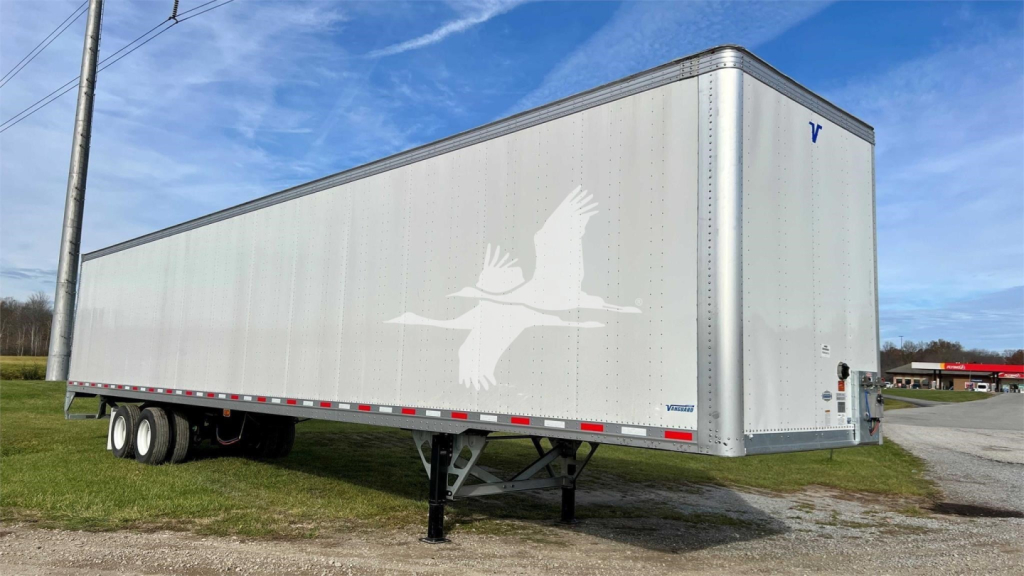
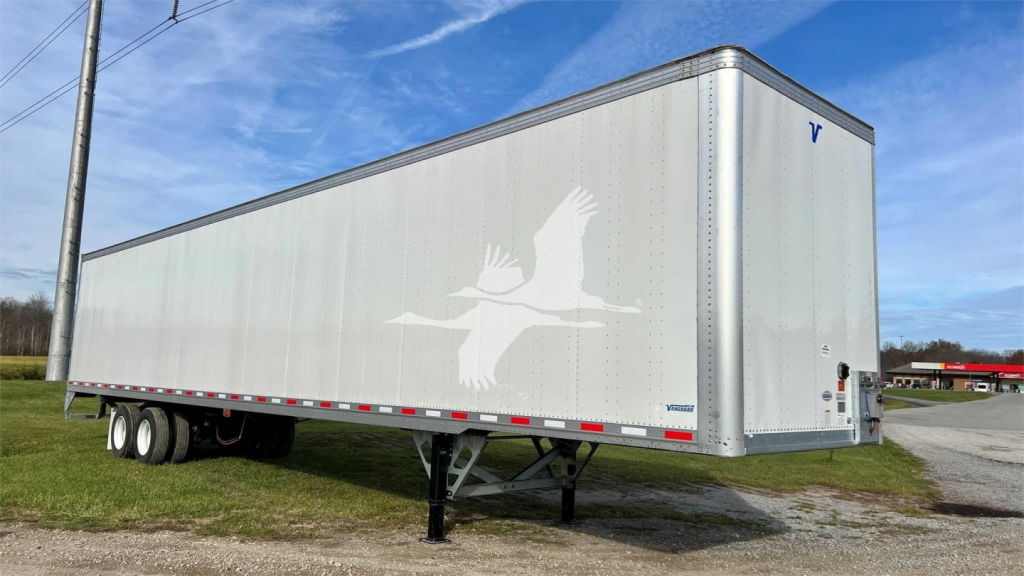
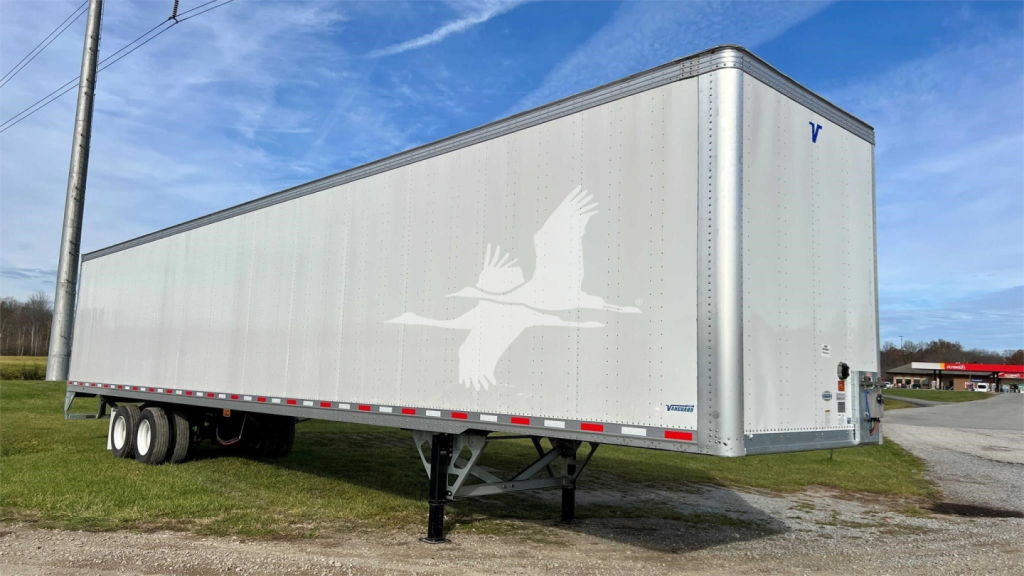
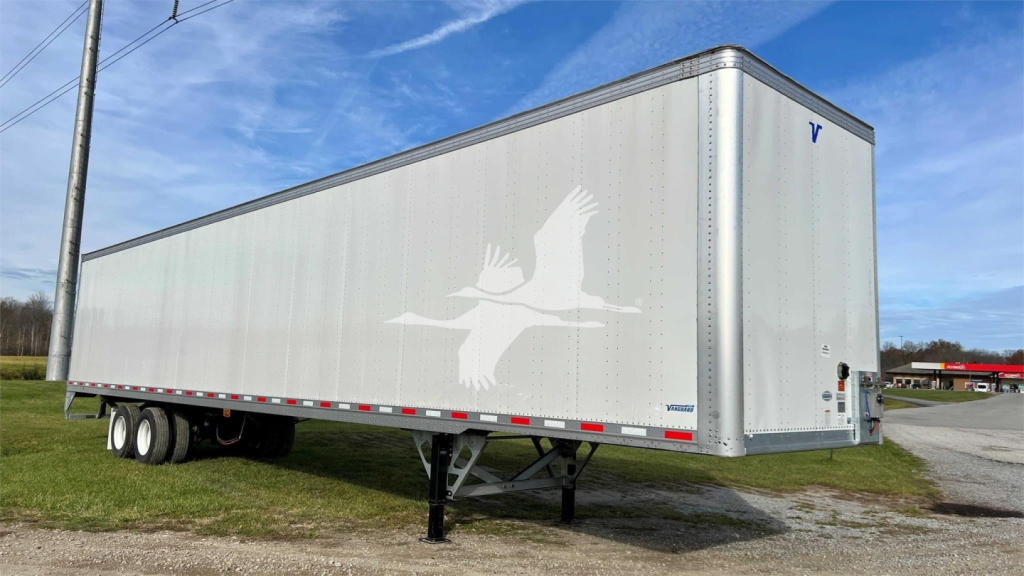
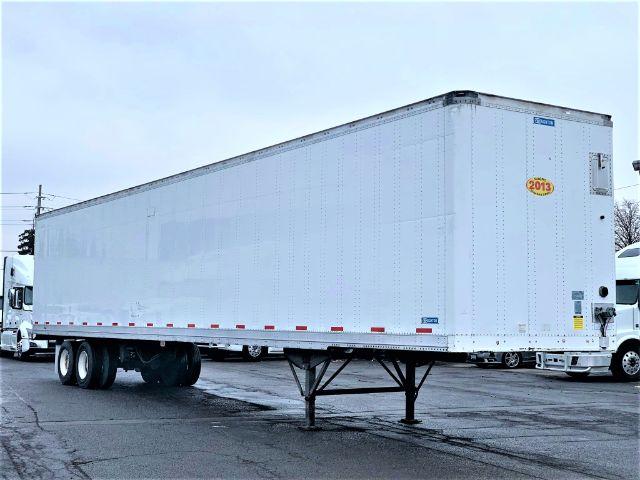
For general freight, 2013 dry van trailers are commonly found in 53-foot by 102-inch configurations with air ride suspension, sliding tandems, wood floors, scuff liners, logistics posts, and either swing or roll-up doors. Those details matter. A sliding tandem helps with bridge law compliance and dock positioning. Swing doors are simple and durable for full rear access, while roll-up doors can be useful in tight docks where door swing is limited. Buyers should pay close attention to floor condition, threshold plate wear, roof bow and roof skin condition, sidewall lining, and signs of heavy forklift traffic. On older vans, door frame alignment, rear sill corrosion, and suspension wear can tell you more than the model year.
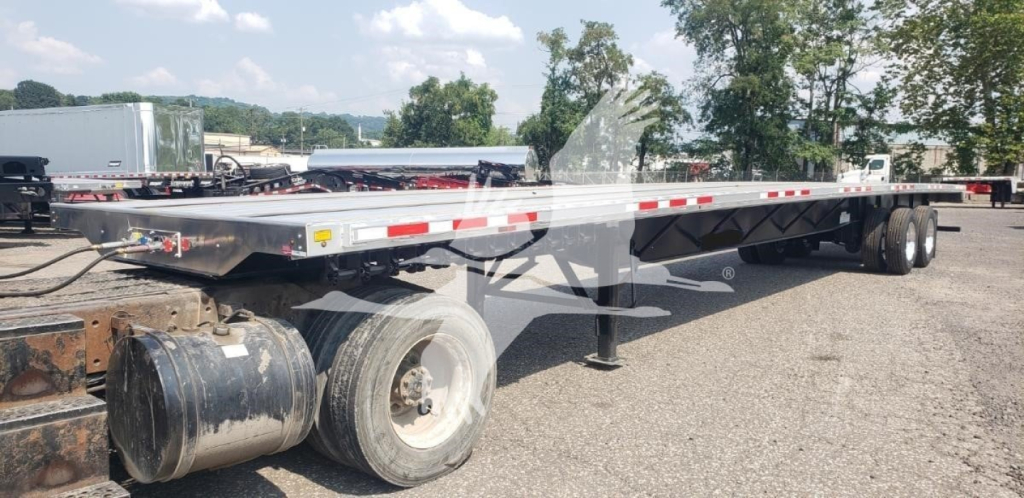
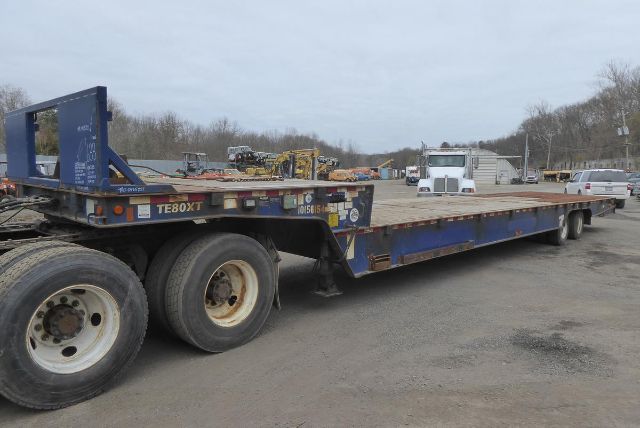
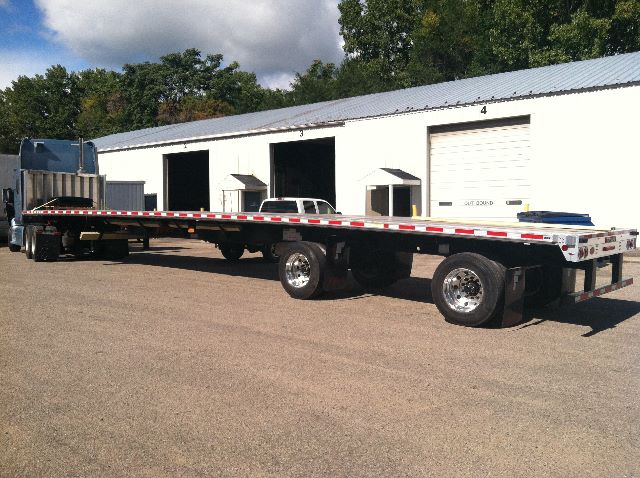
In 2013 flatbed and curtainside trailers, weight and cargo securement setup are usually the first buying decisions. Aluminum construction is common and valuable for payload, especially on brands known for light tare weight. Look closely at kingpin setting, crossmember spacing, side rail condition, winch track layout, sliding winches, coil package equipment, bulkhead configuration, and the condition of a Conestoga or curtain system if equipped. A 48-foot aluminum platform with air ride and fixed spread or tandem axles can fit a wide range of building products, steel, machinery, and weather-sensitive freight. Curtainside and Conestoga setups add versatility, but the moving components, bows, tarps, rollers, and tracks need careful inspection because repair costs can add up quickly.
Specialized 2013 tank trailers require the most disciplined review because capacity and specification have to match the product hauled. In fuel service, buyers will typically focus on DOT 406 or MC-406 configuration, compartment count and size, bottom loading, vapor recovery, overfill protection, emergency valve actuation, and current test status. Aluminum barrel and frame construction helps reduce weight, but the compliance side is just as important as the hardware. Check inspection and test dates, internal condition, piping layout, cabinet setup, suspension brand, tire size, and brake percentages. For any 2013 trailer, maintenance history, tire age, brake life, structural repairs, and evidence of proper preventive maintenance matter more than cosmetics alone. A well-kept 2013 trailer can still deliver dependable service if the specification fits the freight and the condition supports the price.
Frequently Asked Questions about 2013 Trailers
What should I look for first when buying a 2013 used trailer?
Start with the trailer’s intended application, then verify the structural and running gear condition. On a 2013 trailer, inspect the frame, crossmembers, suspension, axle alignment, brake wear, tire condition, wheel ends, and any signs of prior damage or poor repairs. After that, focus on category-specific items such as dry van floors and door frames, flatbed securement systems and side rails, or tank trailer test status and product compatibility. A lower price does not offset the cost of major structural, compliance, or suspension work.
Are 2013 dry van trailers still a good choice for general freight?
Yes, many 2013 dry vans are still practical for regional and over-the-road freight if the structure is sound and the floor, roof, doors, and tandem assembly are in good condition. Common specs in this year include 53-foot length, 102-inch width, air ride suspension, sliding tandems, wood floors, and logistics posts. Buyers should pay special attention to floor wear from forklift use, rear frame and sill condition, water intrusion, and whether swing doors or roll-up doors better fit their loading environment.
What matters most on a 2013 curtainside or flatbed trailer?
The most important factors are weight, deck and frame condition, and the cargo securement package. Aluminum construction can improve payload, but buyers should inspect side rails, crossmembers, winch tracks, sliding winches, bulkheads, and kingpin area for wear or cracking. If the trailer has a Conestoga or curtain system, inspect tarp material, rollers, bows, track condition, and how smoothly the system operates. These trailers can be highly versatile, but the moving enclosure components must be in working order to preserve that value.
How do I evaluate a 2013 fuel tank trailer?
A 2013 fuel tank trailer should be evaluated on both mechanical condition and regulatory compliance. Confirm the DOT code, total gallon capacity, compartment layout, bottom loading setup, vapor recovery system, overfill protection, emergency valves, and the most recent required testing. Also inspect the barrel, piping, cabinets, lighting, suspension, brakes, and tires. Tank trailers can be excellent assets, but a buyer should never treat them like a standard platform or van purchase because test status and specification control where and how the trailer can legally operate.
Is trailer material important when comparing 2013 trailers?
Yes. Aluminum trailers generally offer lower tare weight and better corrosion resistance, which can be valuable in flatbed, curtainside, and tank applications. Steel components may offer durability in high-impact areas but can add weight and may require closer corrosion inspection. On 2013 units, material choice affects payload, maintenance costs, repair methods, and long-term resale value. The best material is the one that matches the freight, operating region, and maintenance program.