
2013 Trailers For Sale in Iowa
Have 2013 trailer to sell? List it here to reach thousands of buyers.
2013 Trailers in Iowa
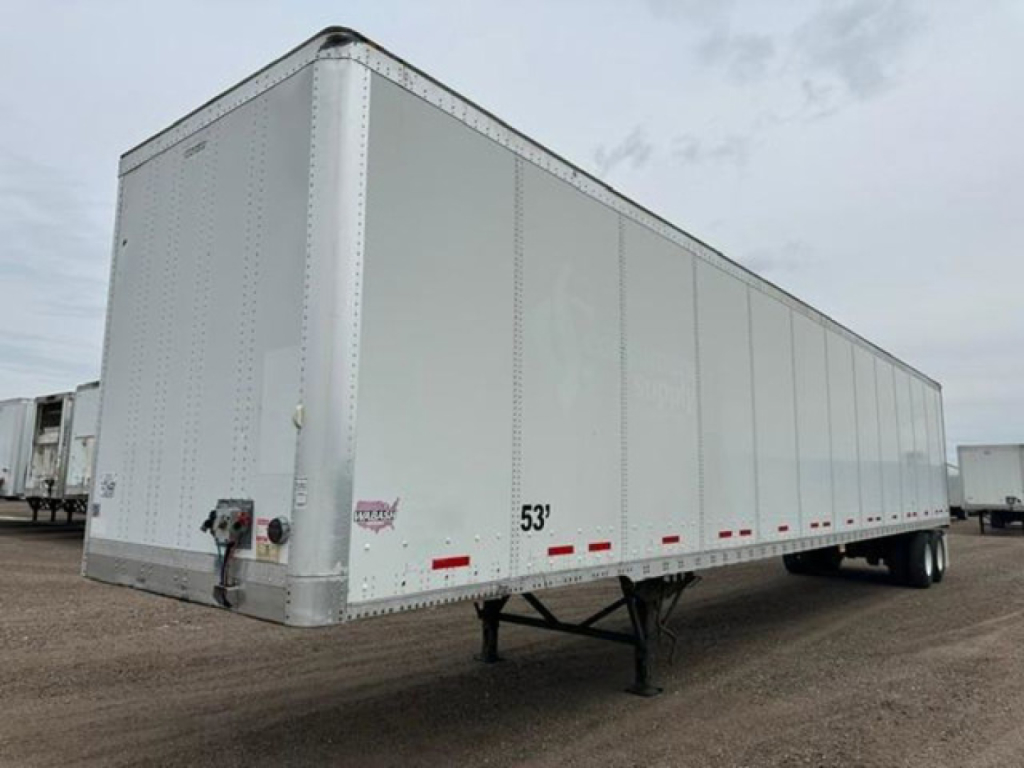
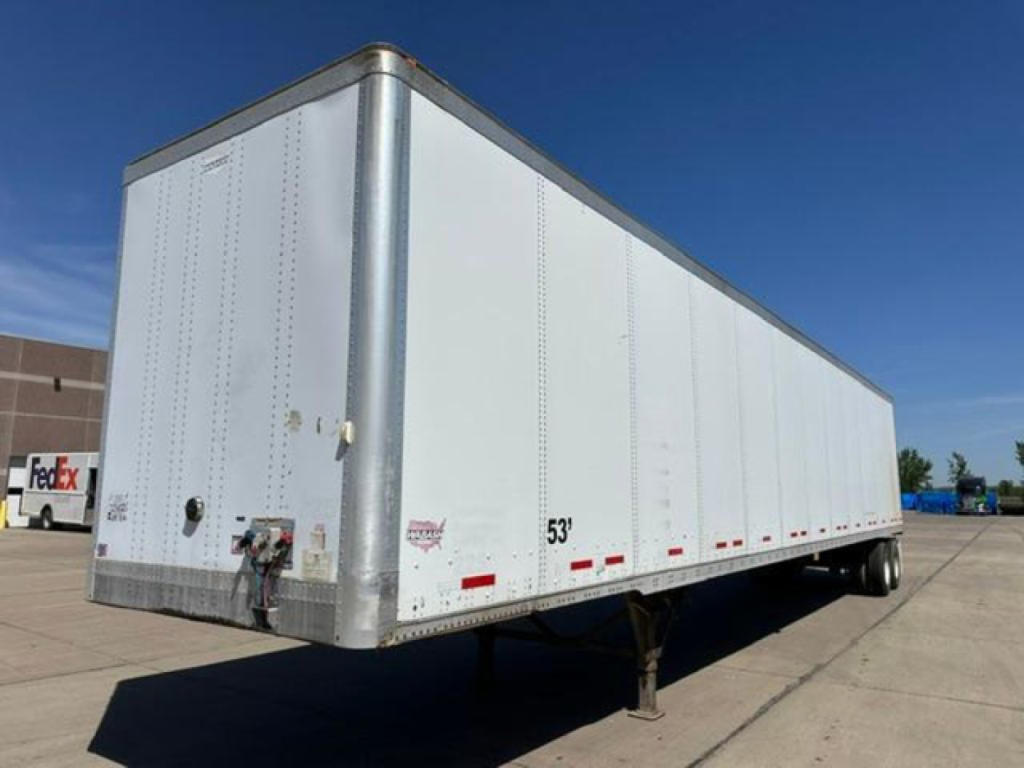
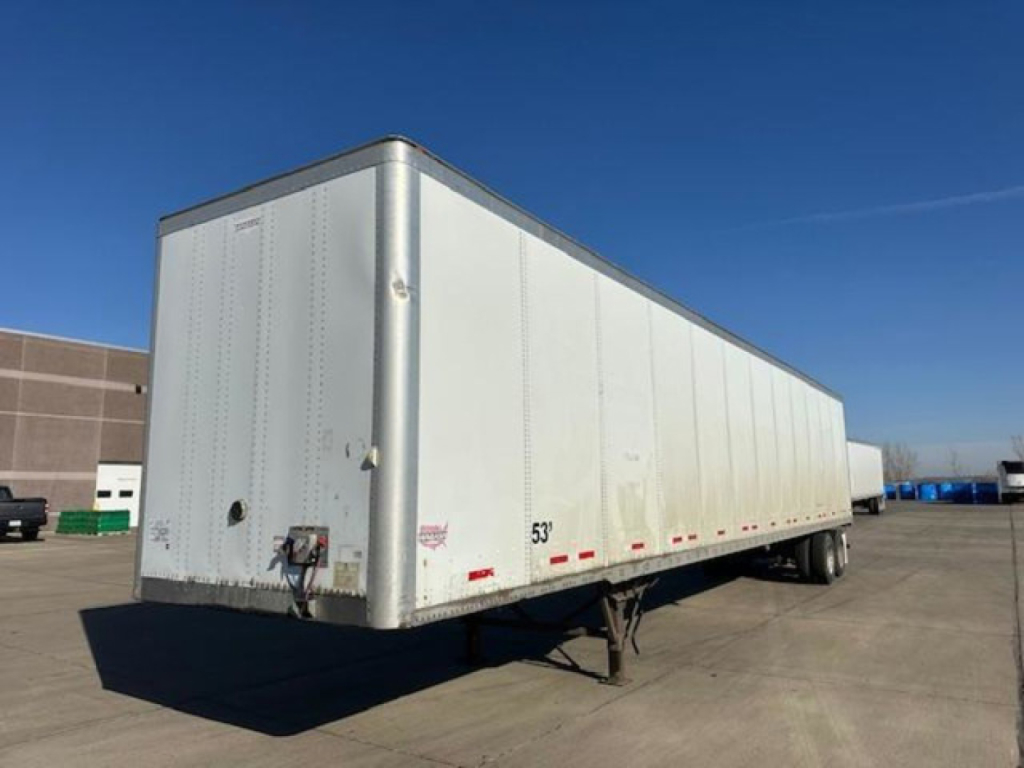
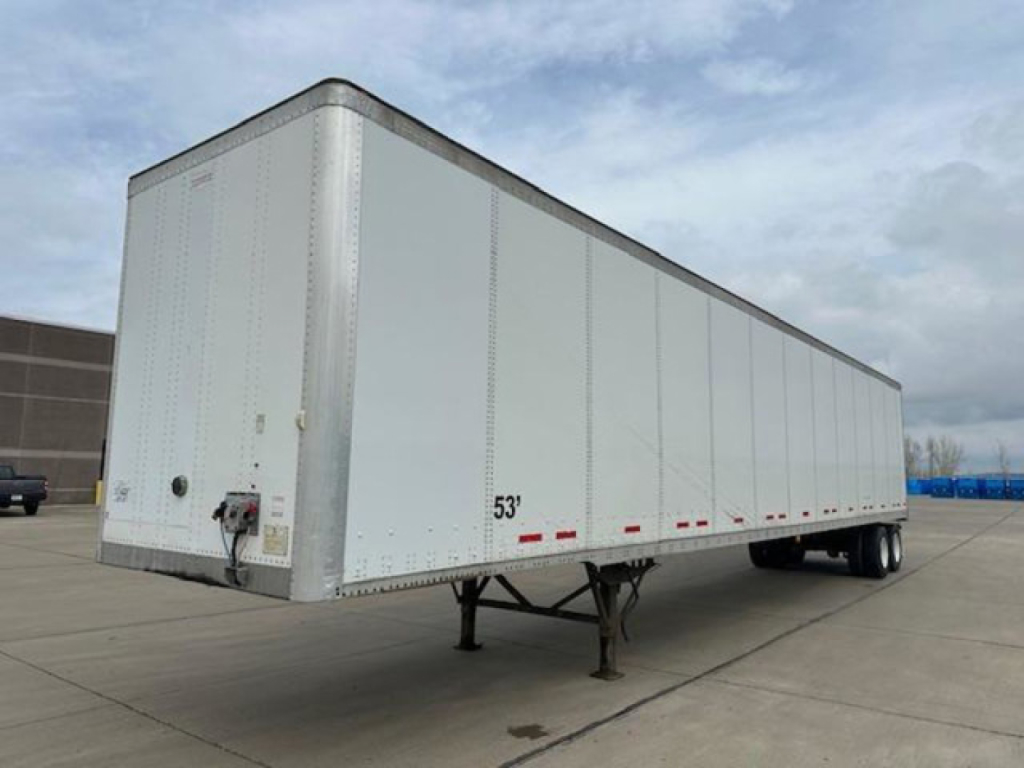
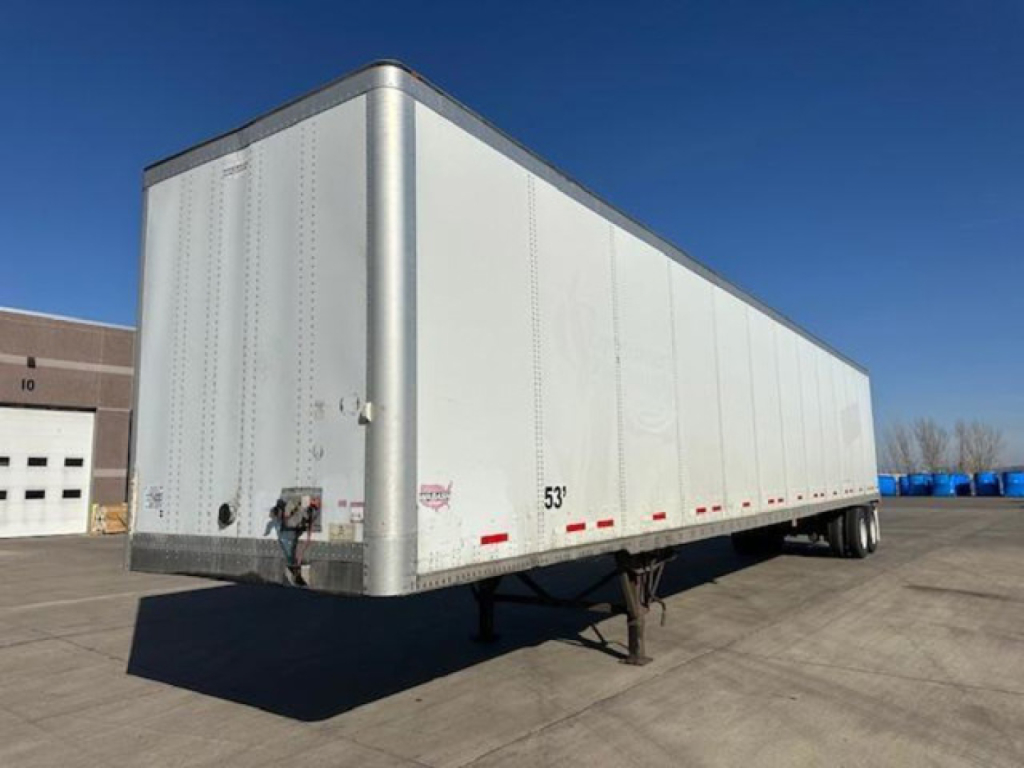
For enclosed trailers such as 2013 dry vans and refrigerated trailers, the biggest buying decisions usually come down to body condition and cargo handling features. Common specs in this age range include 53-foot length, air ride suspension, swing or roll-up doors, wood floors, translucent or aluminum roofs, and logistics posts for load securement. On reefers, unit hours, lining condition, rear frame wear, door seal condition, and the health of the refrigeration unit are critical. On vans, check the front wall, roof bows, side panels, threshold, crossmembers, and scuff liner area for forklift damage or moisture intrusion. A clean 2013 van with a solid floor and straight rear frame can still be a productive trailer in regional or over-the-road service.
If the trailer is built for aggregate, construction, or agricultural work, buyers should pay extra attention to tub condition, frame cracks, suspension bushings, hoist or dump components, tarp systems, and signs of hard off-road use. Steel trailers from this era are often chosen for durability, while aluminum-spec trailers may appeal to operators chasing payload. Air ride suspension is common across many trailer types and helps with ride quality and cargo protection, but it should be inspected for air bag condition, valve performance, and axle alignment. Sliding tandems, landing gear, brake chambers, hubs, wheel ends, and ABS function are all worth checking on any 2013 trailer, regardless of category.
A well-selected 2013 trailer can still offer years of useful service in the right application. The key is matching the trailer’s remaining life to the job. A dry van used for short regional freight has different requirements than a reefer on multi-stop food routes or a dump trailer working in silage and aggregate. Buyers in Iowa often need equipment that handles variable weather, rough yards, and heavy seasonal demand, so practical details like door style, floor type, tire spec, corrosion resistance, and repairability should be part of the decision. The best 2013 trailers are not simply the lowest-priced units. They are the ones with the best combination of structural condition, serviceability, and fit for the freight.
Frequently Asked Questions about 2013 Trailers in Iowa
What should I inspect first on a 2013 used trailer?
Start with the frame, crossmembers, floor, suspension, brakes, tires, and wheel ends. On enclosed trailers, inspect the roof, front wall, rear frame, door hardware, and interior lining for impact damage or water intrusion. On open or vocational trailers, look closely for cracks, excessive rust, weld repairs, and wear in high-stress areas. A 2013 trailer can still be a good buy, but structural condition and maintenance history matter more than appearance.
Is a 2013 trailer too old for regular commercial use?
Not necessarily. Many 2013 trailers remain productive in regional, local, agricultural, and over-the-road applications if they have been maintained properly. The real question is remaining service life relative to the work. A trailer with sound structure, good brakes, healthy suspension components, and a solid floor can still perform well. Buyers should budget for normal wear items and confirm the trailer meets operational and compliance requirements.
What are the most common trailer specs to compare on a 2013 model?
Length, width, suspension type, axle configuration, door style, floor construction, roof material, wheel spec, and tandem position are the main items to compare. On dry vans and reefers, buyers also look at lining material, logistics post layout, rear frame condition, and tire tread depth. On dump, flatbed, or heavy-haul trailers, deck height, payload rating, frame design, and body material become more important. The best spec depends on the freight and the lanes the trailer will run.
How important is air ride suspension on a 2013 trailer?
Air ride is important for many buyers because it improves ride quality, helps protect freight, and is common on vans, reefers, and many specialty trailers. It can also support better resale appeal. On a 2013 trailer, though, the condition of the air ride system is more important than the feature itself. Inspect air bags, shocks, ride height valves, bushings, and axle alignment. A neglected air ride suspension can create tire wear, handling issues, and added repair cost.
What is the best use case for a 2013 dry van trailer?
A 2013 dry van is often a practical fit for general freight, warehousing support, short-haul distribution, drop-and-hook operations, and seasonal overflow capacity. It can also work well as a storage trailer if road service life is no longer the main priority. Buyers should focus on floor strength, door operation, roof condition, and the overall straightness of the body. Those details determine how well the trailer will hold up under forklift traffic and repeated dock use.