
2013 Curtainside Trailers For Sale
Shop 2013 curtainside trailers with specs that matter, including length, tarp system design, suspension, payload, and secure side-loading features.
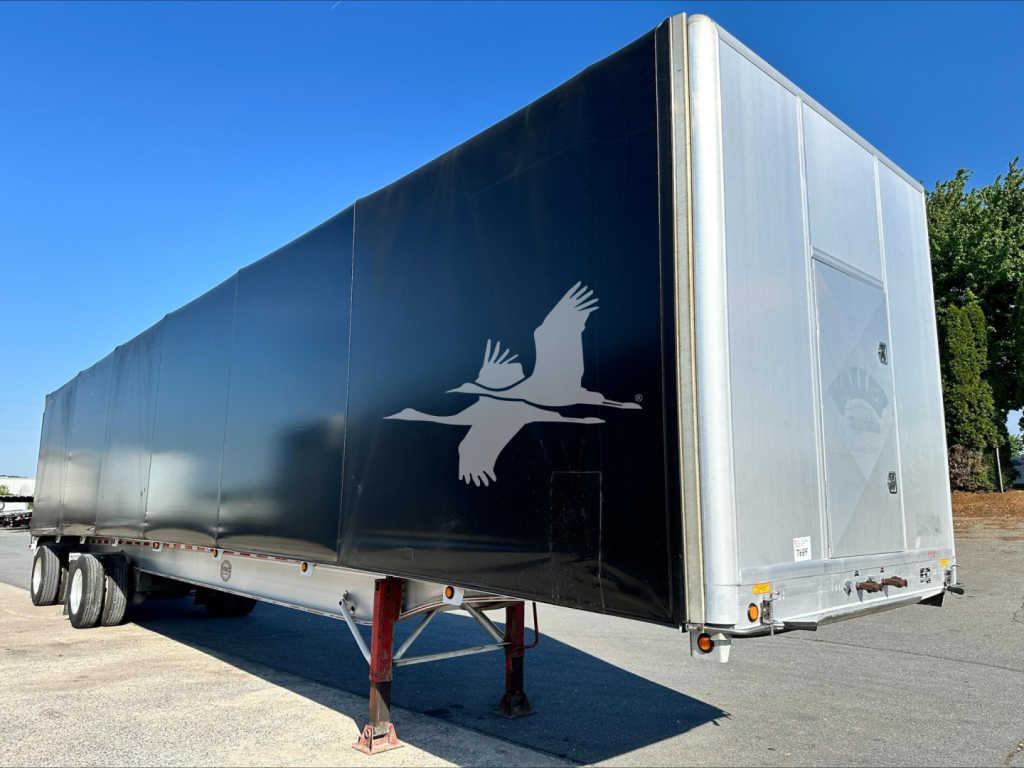
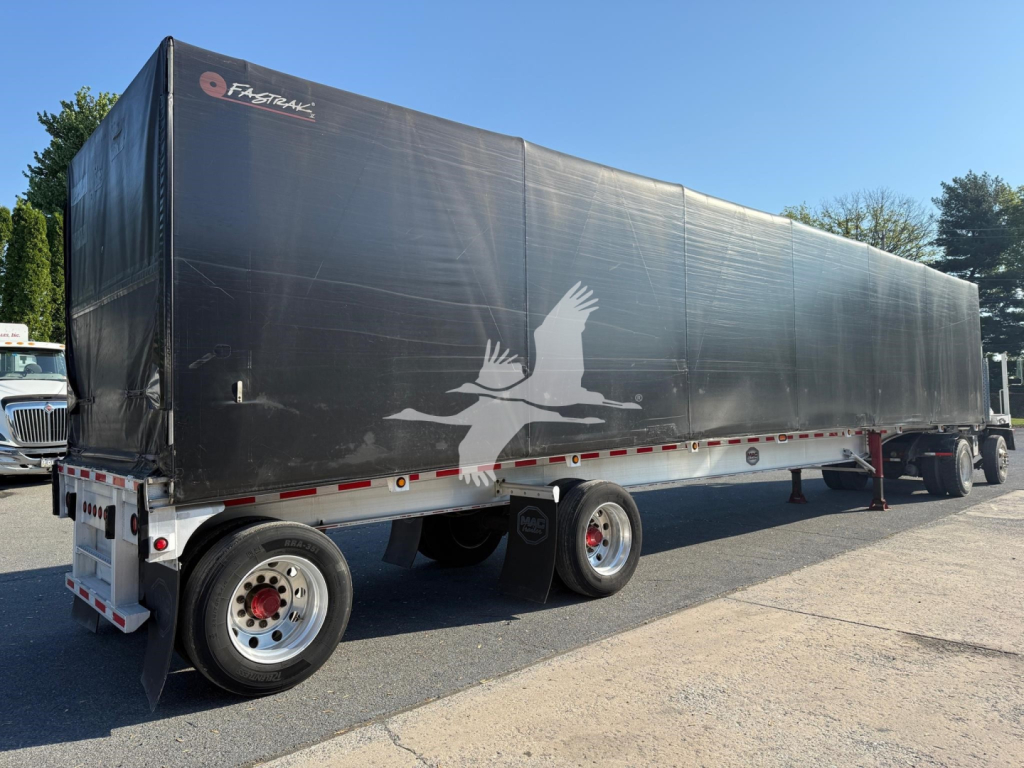
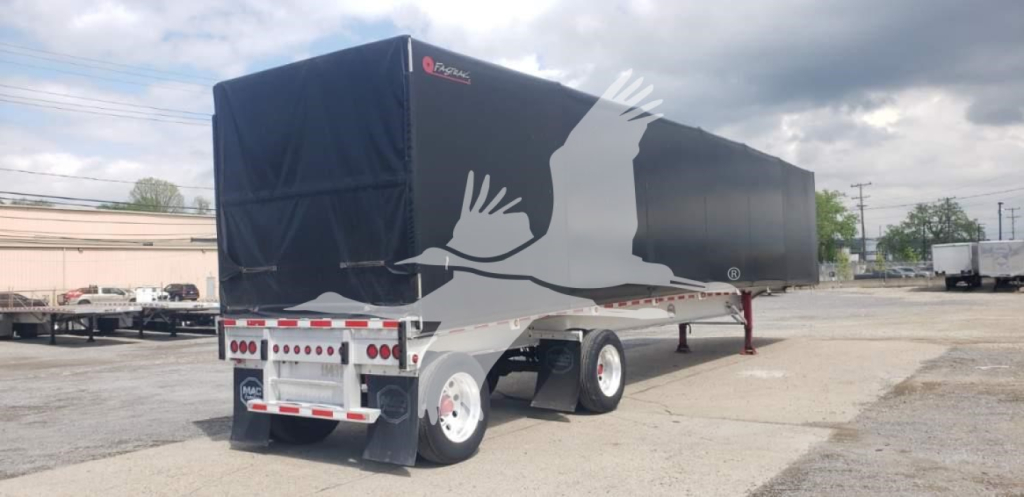
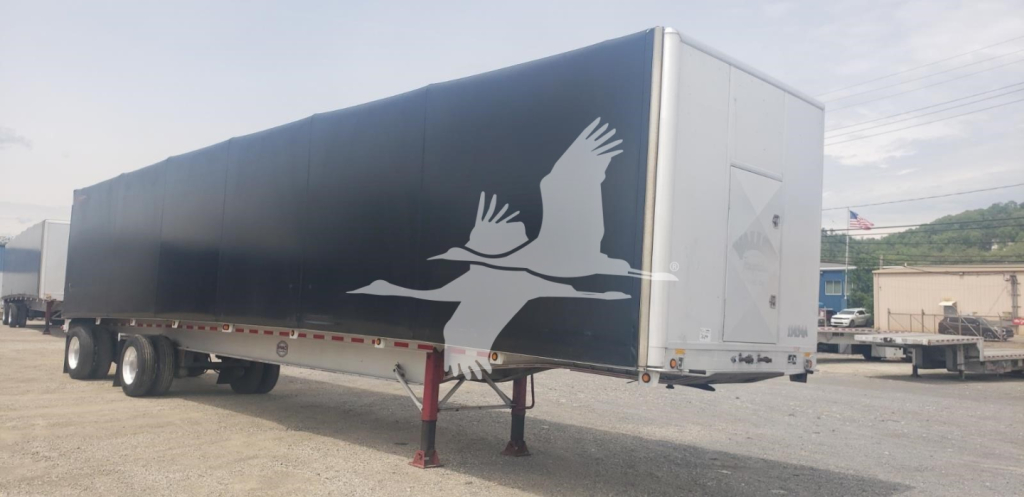
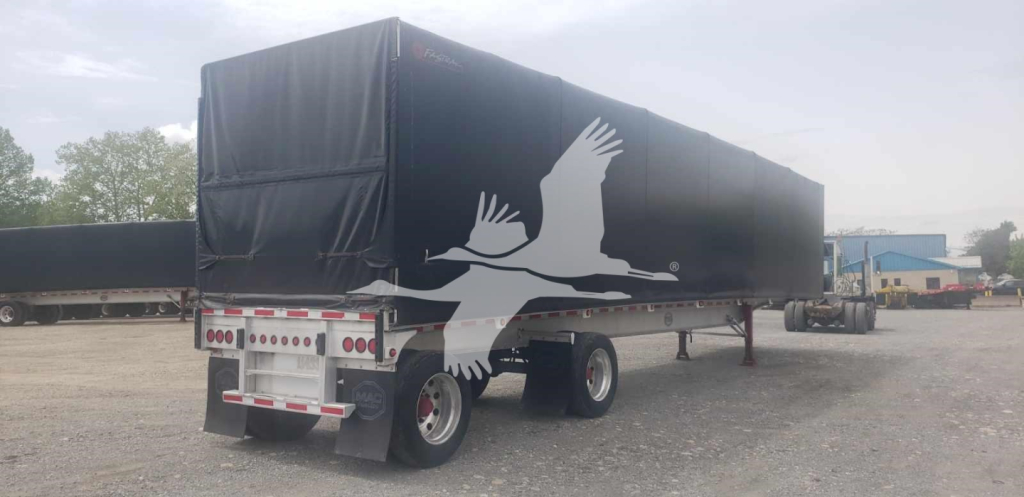
Have 2013 curtainside trailer to sell? List it here to reach thousands of buyers.
2013 Curtainside Trailers
On a used 2013 curtainside, the tarp system deserves as much attention as the trailer itself. Buyers should look closely at bow condition, roller operation, rear roll-up function, curtain tracking, latch hardware, and fabric wear at stress points. A well-kept system should move smoothly without binding and should seal consistently when closed. Frame material also matters. Many curtainside trailers from this era use aluminum floors, aluminum side rails, and aluminum crossmembers to keep tare weight down, while beam ratings, crossmember spacing, and coil package provisions determine how well the trailer handles concentrated freight. Features such as nailer strips, winch tracks, sliding winches, tiedown hooks, pipe spools, and bulkheads can make a major difference depending on the cargo mix.
Suspension and axle layout are also important on a 2013 unit because they affect ride quality, bridge compliance, tire wear, and maintenance costs. Tandem axle air ride setups are common, often with Hendrickson suspension and spread settings around 10 feet 2 inches. Check kingpin setting, landing gear condition, wheel and tire specs, brake life, and any dump valve operation if the trailer will be used in tight docks or uneven yards. If the trailer is intended for steel or other dense freight, pay attention to coil package details, deck rating in concentrated areas, and overall structural condition around the main beams, suspension hangers, and rear frame.
For many fleets and owner-operators, a 2013 curtainside trailer hits a practical middle ground on cost and capability. It can support side-loading efficiency similar to a curtain van while preserving much of the deck versatility associated with a flatbed. The best fit depends on freight profile more than brand alone. A light, all-aluminum setup may favor higher payload and general commodity work, while a heavier-spec beam trailer with coil package and securement hardware may be better suited for steel, machinery, or more demanding regional applications. Buyers comparing listings should focus on tarp system condition, structural integrity, securement layout, and actual weight before making price the deciding factor.
Frequently Asked Questions about 2013 Curtainside Trailers
What is the main advantage of a 2013 curtainside trailer over a standard flatbed?
The main advantage is faster cargo protection and easier side access. A curtainside trailer allows forklifts to load from the side without removing and reinstalling individual tarps, which saves labor and reduces cargo exposure during loading. It still offers many flatbed-style securement benefits, especially on units equipped with winch tracks, sliding winches, tiedown hooks, and coil package options.
What should I inspect first on a used 2013 curtainside trailer?
Start with the tarp system and the structure underneath it. Inspect the curtain fabric for tears, repaired sections, UV damage, and wear around rollers and latch points. Then check the bow system, tracks, rear closure, floor condition, crossmembers, side rails, suspension mounts, and beam areas for cracks, corrosion, or signs of overload. On older curtainside units, tarp system condition can significantly affect total ownership cost.
Are 2013 curtainside trailers good for steel and concentrated loads?
They can be, but only if the trailer is properly spec'd for that work. Buyers should confirm beam rating, floor design, crossmember spacing, coil package configuration, and tiedown equipment. A trailer set up for general palletized freight may not be the right choice for dense coils or heavy fabricated steel. The listing should be evaluated for load rating in key sections of the deck, not just overall GVWR.
What sizes are most common for 2013 curtainside trailers?
The most common sizes are 48-foot and 53-foot trailers at 102 inches wide. Many are tandem axle air ride units with aluminum construction to maximize payload. The exact length and deck configuration should match the freight and route. A 48-foot setup is common in steel and building products, while 53-foot versions are often chosen when cubic capacity and deck length matter more.
Is a Conestoga trailer the same as a curtainside trailer?
Not exactly, although the terms are often grouped together in marketplace searches. A Conestoga is a rolling tarp system mounted over a flatbed that retracts along the trailer length, while a curtainside trailer typically uses movable side curtains within a more defined frame structure. Both provide weather protection and side access, but loading style, structural design, and securement workflow can differ depending on the trailer build.