
2013 Curtainside Trailers For Sale in Pennsylvania
Browse 2013 curtainside trailers for sale in Pennsylvania. Compare 48-foot specs, Conestoga systems, air ride setups, and aluminum builds.
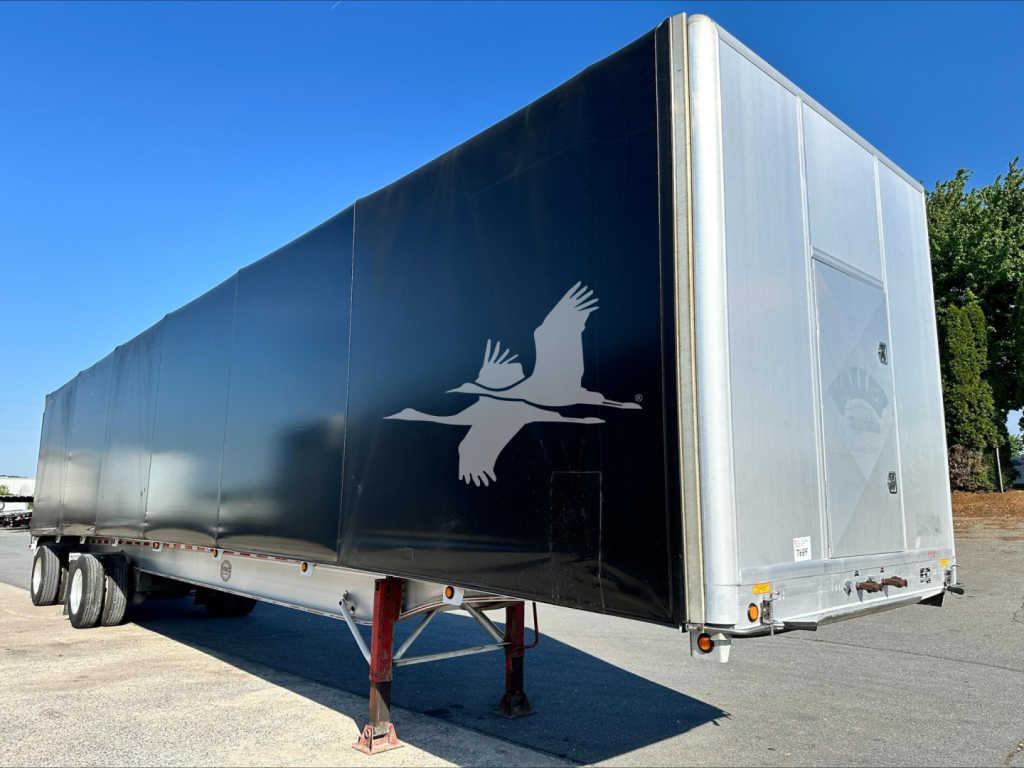
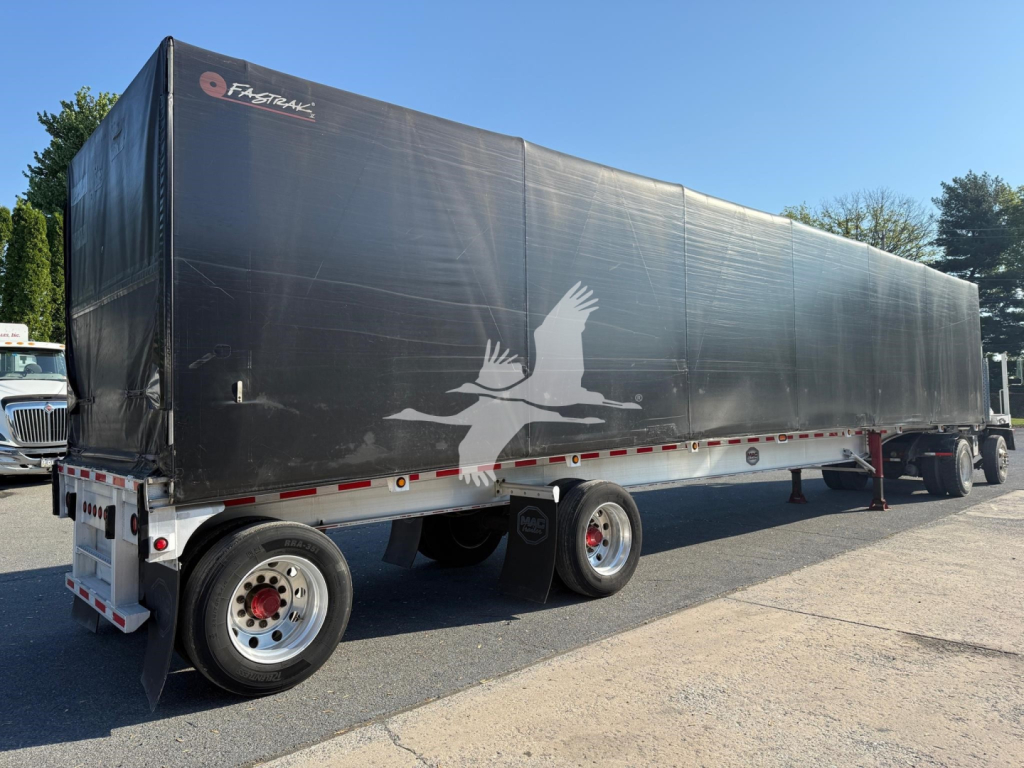
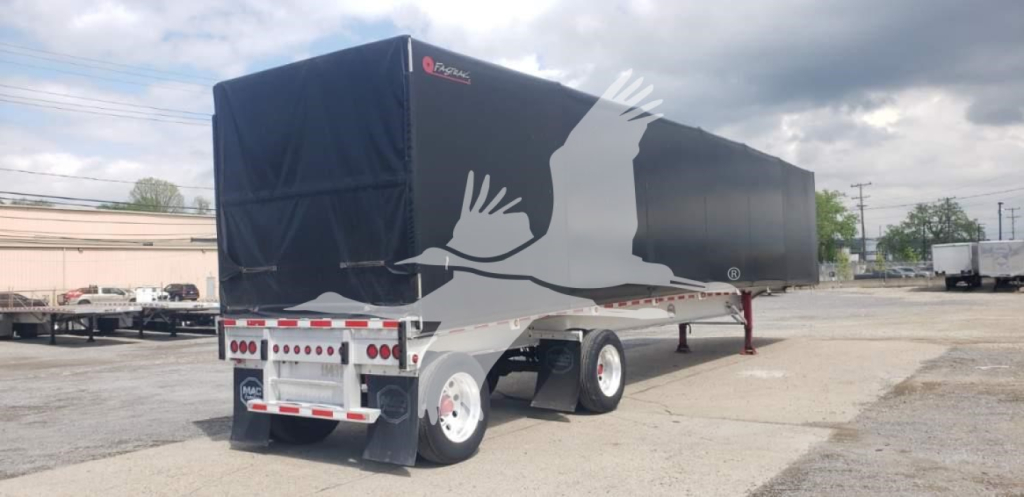
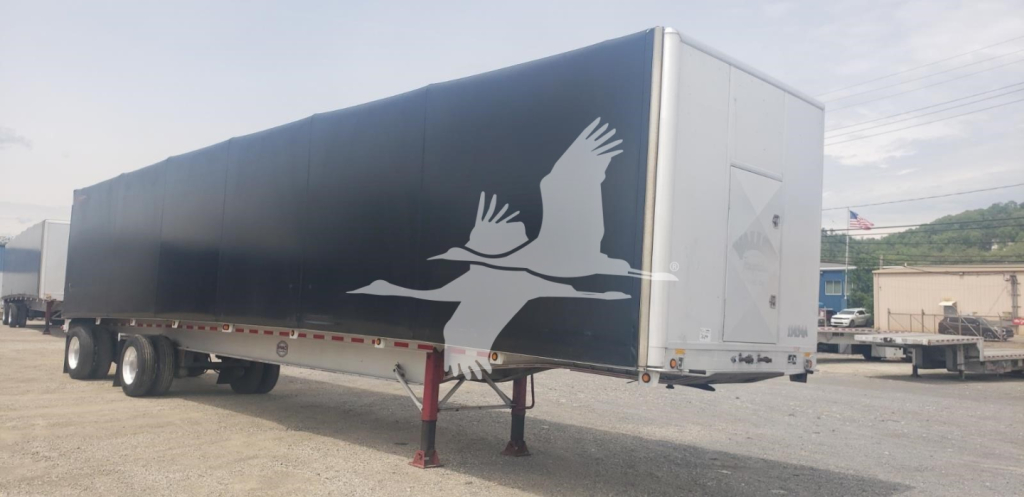
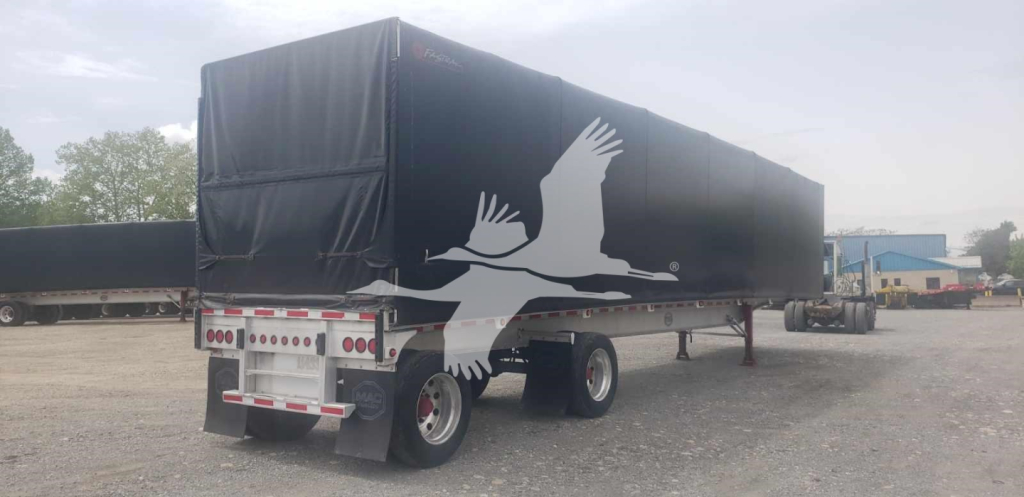
Looking for the easiest place to sell your 2013 curtainside trailer? List it here to reach thousands of buyers.
2013 Curtainside Trailers in Pennsylvania
The most important buying decision is usually the trailer's base platform under the curtain system. Many 2013 curtainside trailers are built from flatbed specs, so details like crossmember spacing, floor type, bulkhead setup, tie-down capacity, and kingpin setting matter as much as the tarp frame itself. Aluminum floors, aluminum side rails, and a 30-inch kingpin setting are common. A 10-foot 2-inch spread axle air ride configuration is also typical on road-spec units. If the trailer will handle steel or dense freight, look closely at beam rating, coil package provisions, extra crossmembers, and the condition of hooks, nailing strips, and side structure. A good curtainside trailer should still function as a serious securement platform, not just a weather cover.
On a used 2013 model, the curtain or rolling tarp system deserves a careful inspection. Check bow alignment, roller operation, rear header movement, curtain tension, latch points, and signs of patching or abrasion near the lower rub area. Ask about tarp brand, inside clearance, and whether the rear roll section tracks smoothly. Suspension condition is equally important on Pennsylvania roads, where air ride components, bushings, brakes, tires, and dump valve operation affect both maintenance cost and cargo stability. Landing gear, lights, hubs, drums, and 7-way wiring should also be checked closely, especially if the trailer has spent time in winter service.
For many operations, a 2013 curtainside trailer offers a practical middle ground between a standard flatbed and a van. It can speed loading from either side, reduce tarp labor, and help protect higher-value freight that still needs crane or forklift access. Buyers comparing listings should pay attention to inside width and height under the system, suspension brand, wheel and tire spec, tiedown layout, and overall tare weight. On used units, service history and structural condition usually matter more than appearance. A straight frame, healthy suspension, sound aluminum components, and a well-functioning curtain system will determine how well the trailer performs in daily regional or long-haul work.
Frequently Asked Questions about 2013 Curtainside Trailers in Pennsylvania
What is a curtainside trailer used for?
A curtainside trailer is used for freight that benefits from side loading and weather protection at the same time. Common loads include lumber, packaged steel, building products, machinery, palletized materials, and jobsite freight. It gives shippers and drivers easier forklift access than a dry van while reducing the manual tarping work associated with an open flatbed.
What should I inspect first on a used 2013 curtainside trailer?
Start with the curtain or Conestoga-style tarp system, then move to the trailer structure underneath it. Look for tears, patching, worn rollers, bent bows, poor rear roll function, and damaged latch hardware. After that, inspect the frame, crossmembers, floor, side rails, suspension, brakes, tires, landing gear, and all tiedown points. A clean-looking tarp does not make up for structural wear or a weak securement platform.
Are 2013 curtainside trailers typically aluminum or steel?
Many 2013 curtainside trailers in flatbed-based configurations are aluminum or aluminum-intensive to save weight and improve payload. Aluminum floors, side rails, wheels, and major structural components are common on premium trailers. Some units may still use steel in selected areas for strength or cost control. The right choice depends on the freight mix, tare weight target, corrosion exposure, and maintenance expectations.
Is air ride suspension important on a curtainside trailer?
Yes. Air ride is common on curtainside trailers because it helps protect cargo, improves ride quality, and supports stable handling for palletized or damage-sensitive freight. On used trailers, check the suspension brand, axle spread setting, ride height control, dump valve operation, bushings, and signs of uneven tire wear. A well-maintained air ride setup can make a noticeable difference in cargo condition and operating cost.
How is a curtainside trailer different from a Conestoga trailer?
The terms are often used interchangeably in the market, but they are not always exactly the same. Curtainside can describe a trailer with movable side curtains on a frame, while Conestoga often refers to a rolling tarp system built on a flatbed platform that opens from front to rear. Both designs provide weather protection and improved loading access. The best approach is to verify how the specific trailer opens, how much side access it provides, and what securement features are built into the deck.