
2013 Mac Curtainside Trailers For Sale
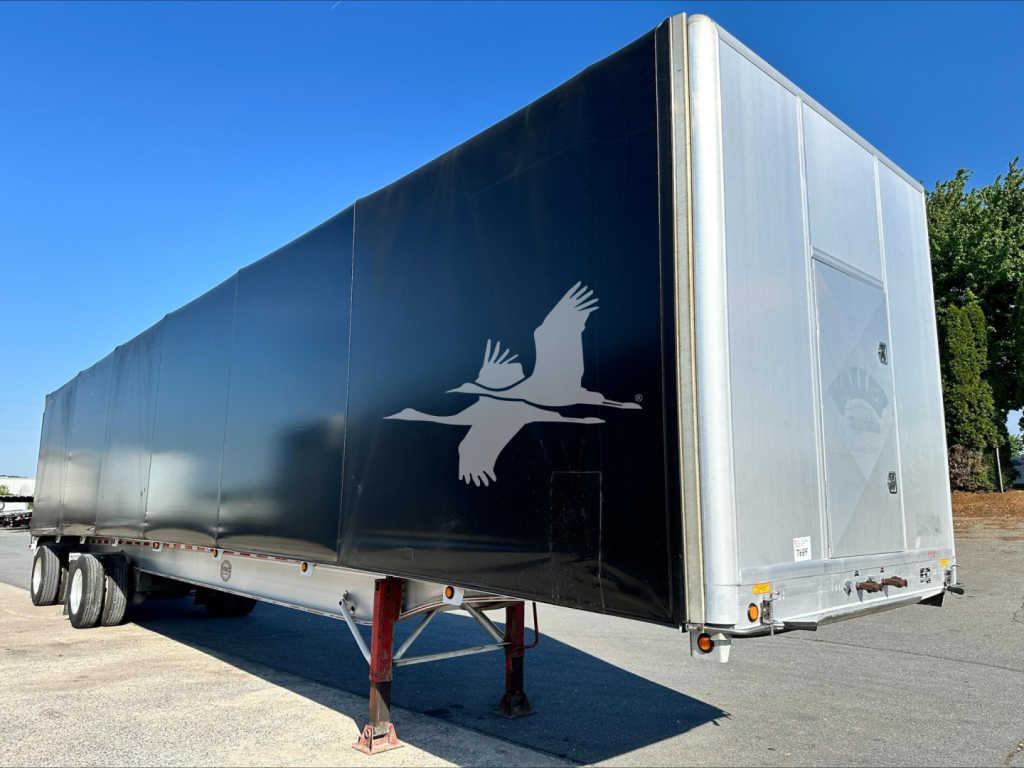
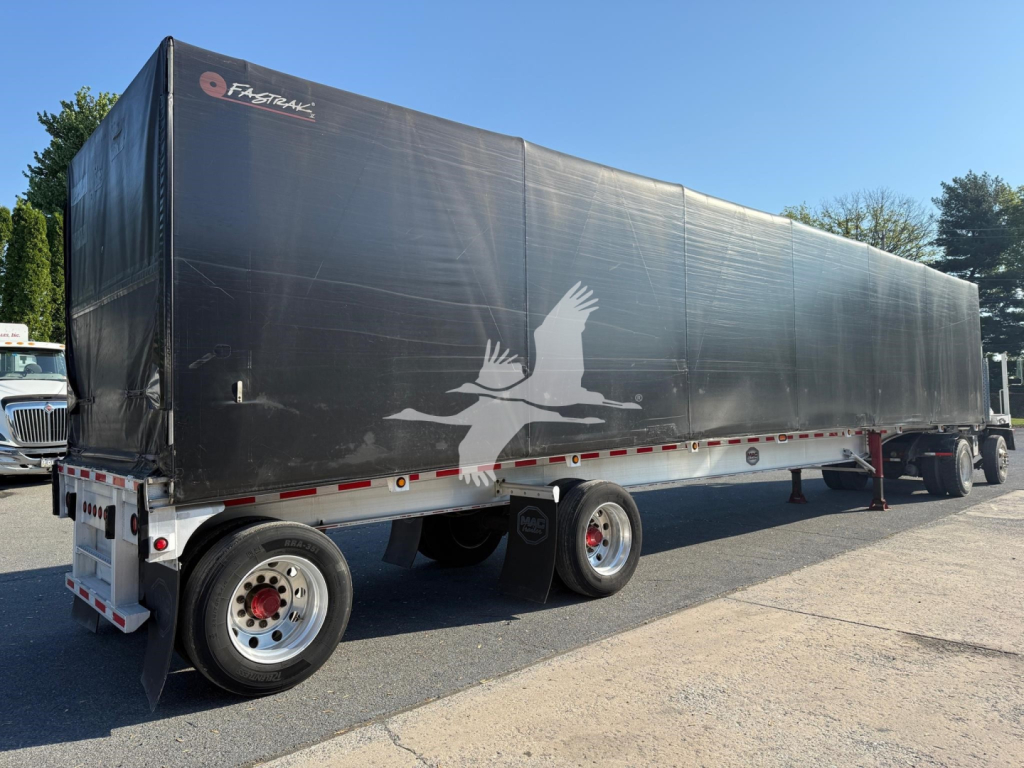
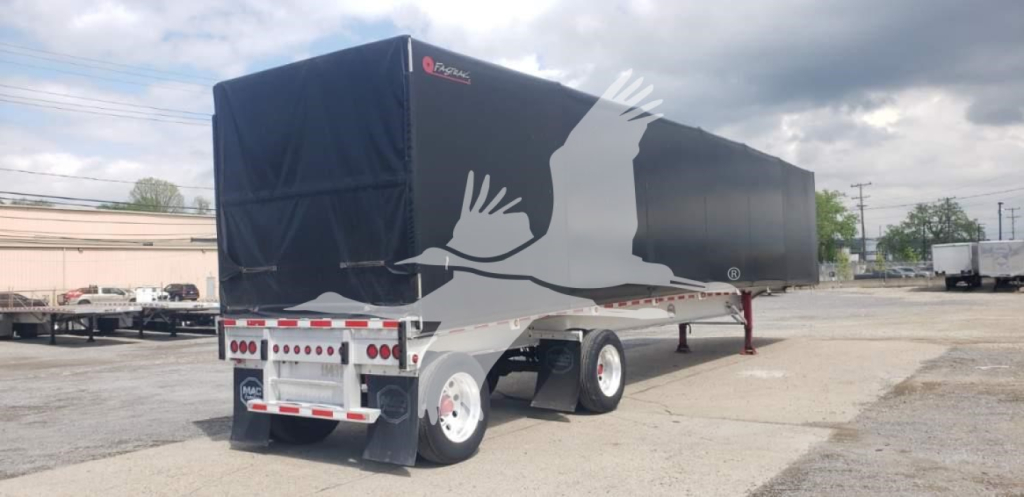
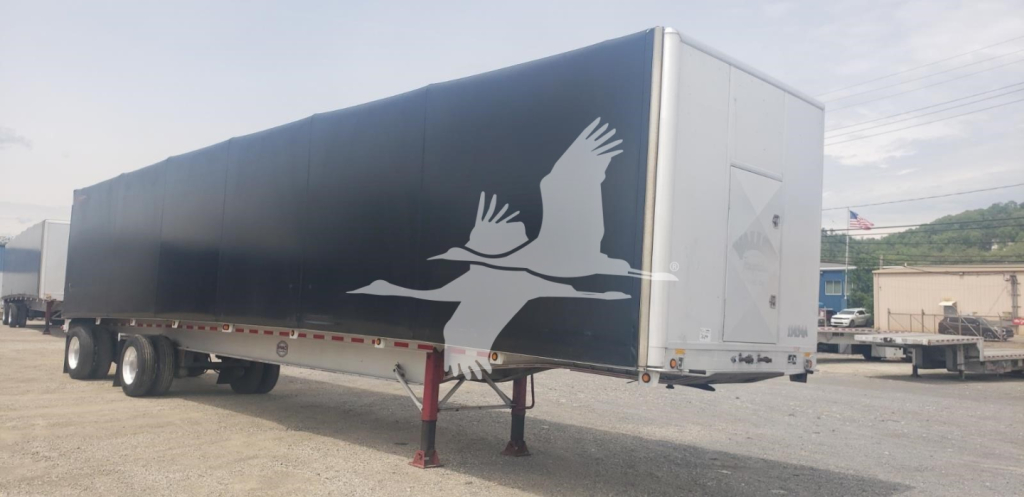
Shop 2013 Mac curtainside trailers, including Conestoga-style aluminum flats with 48-foot decks, air ride suspension, and 72K beam ratings.
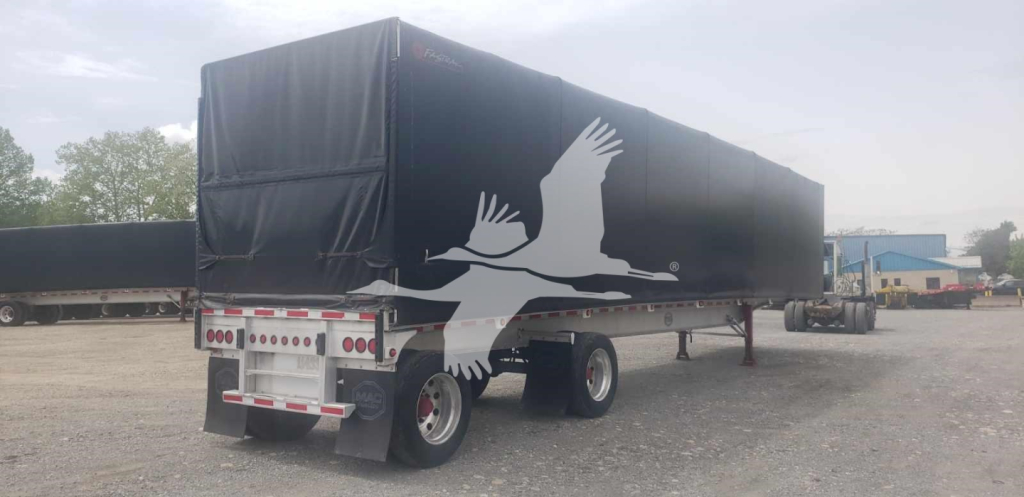
Looking for the easiest place to sell your 2013 mac curtainside trailer? List it here to reach thousands of buyers.
2013 Mac Curtainside Trailers
The key buying decision is usually the trailer's structure under the cover. Mac trailers from this period commonly show a 72,000 lb beam rating, aluminum floor, aluminum bulkhead, aluminum side rail, and 16-inch crossmember spacing. Buyers hauling concentrated freight should pay close attention to coil package equipment, stub crossmembers, tiedown hook count, chain racks, pipe spools, and nailing strips. A curtainside or Conestoga trailer is only as useful as its securement layout, so details like hook placement, bulkhead condition, side rail wear, and floor integrity matter just as much as the tarp system itself. Kingpin setting and suspension setting also affect bridge compliance and tractor compatibility, especially in regional steel or building material service.
Running gear on 2013 Mac curtainside trailers is typically straightforward and serviceable, with tandem axles, air ride suspension, and common spec packages such as Hendrickson Intraax 30K. Low-profile 24.5 tires and aluminum wheels are common, and buyers should look closely at brake percentages, tire remaining life, dump valve operation, landing gear condition, and 5th wheel plate wear around the kingpin area. On the body side, the condition of the Conestoga or rolling tarp frame is a major value driver. Check bow alignment, rear roll operation, tarp fabric condition, track wear, roller travel, and how well the system seals when closed. A trailer can have a solid chassis and still create downtime if the curtain system binds or leaks.
Mac has long been known for aluminum trailer construction, and that shows up in this class through lower tare weight and corrosion resistance compared with heavier steel-based alternatives. For a buyer comparing used 2013 curtainside trailers, the best unit is usually the one with the cleanest combination of structural condition, tarp system function, and freight-ready securement features. If the trailer is set up with a good bulkhead, solid floor, coil package, air ride, and a smooth-operating Conestoga system, it can fit a wide range of open-deck applications while reducing tarp labor and cargo exposure.
Frequently Asked Questions about 2013 Mac Curtainside Trailers
What is the difference between a curtainside trailer and a Conestoga trailer?
In the used trailer market, these terms are sometimes grouped together, but they are not always identical. A traditional curtainside trailer has a permanent frame and side curtains that slide open for loading, while a Conestoga-style trailer uses a rolling tarp system over a flatbed platform. Many 2013 Mac units listed as curtainside are actually aluminum flatbeds with a Conestoga cover. The distinction matters because a Conestoga keeps the open-deck securement and loading characteristics of a flatbed, while a true curtainside may have a different side structure and cargo access profile.
What freight is a 2013 Mac curtainside trailer best suited for?
These trailers are commonly used for freight that benefits from weather protection but still needs side loading or open-deck style securement. Typical applications include steel products, machinery, palletized building materials, crated freight, and freight that cannot easily load through swing doors. A Mac aluminum platform with bulkhead, tiedown hooks, coil package equipment, and a rolling tarp system is especially practical for regional industrial hauling where quick loading and unloading is important.
What should I inspect first on a used 2013 Mac curtainside trailer?
Start with the tarp system and the structure beneath it. Confirm the cover rolls smoothly, the frame is straight, the tarp material is not torn or badly weathered, and the rear closure seals correctly. Then inspect the aluminum floor, side rails, crossmembers, bulkhead, kingpin area, and suspension components. On many used trailers, the chassis may still be sound while the tarp system becomes the biggest maintenance item, so both areas need equal attention before purchase.
Why does the 72K beam rating matter on a Mac trailer?
A 72K beam rating is an important indicator of structural capability for concentrated or heavier open-deck freight. It does not replace legal payload calculations, axle ratings, or bridge law considerations, but it helps buyers understand how the trailer was built. On a 2013 Mac aluminum flat or Conestoga-style trailer, a 72K beam spec often appeals to operators moving steel, coils, machinery, or dense building products where deck strength and understructure design are critical.
Is air ride suspension preferred on a curtainside trailer?
For many buyers, yes. Air ride is common on this category because it helps protect sensitive freight, improves ride quality, and can be beneficial when hauling palletized or finished products under cover. On a used 2013 Mac trailer, a suspension package such as Hendrickson Intraax 30K is a familiar spec with broad service support. Buyers should still verify suspension bushing condition, ride height, axle alignment, and dump valve function, because those factors directly affect tire wear and trailer tracking.