
2013 Trailers For Sale in Ohio
Have 2013 trailer to sell? List it here to reach thousands of buyers.
2013 Trailers in Ohio
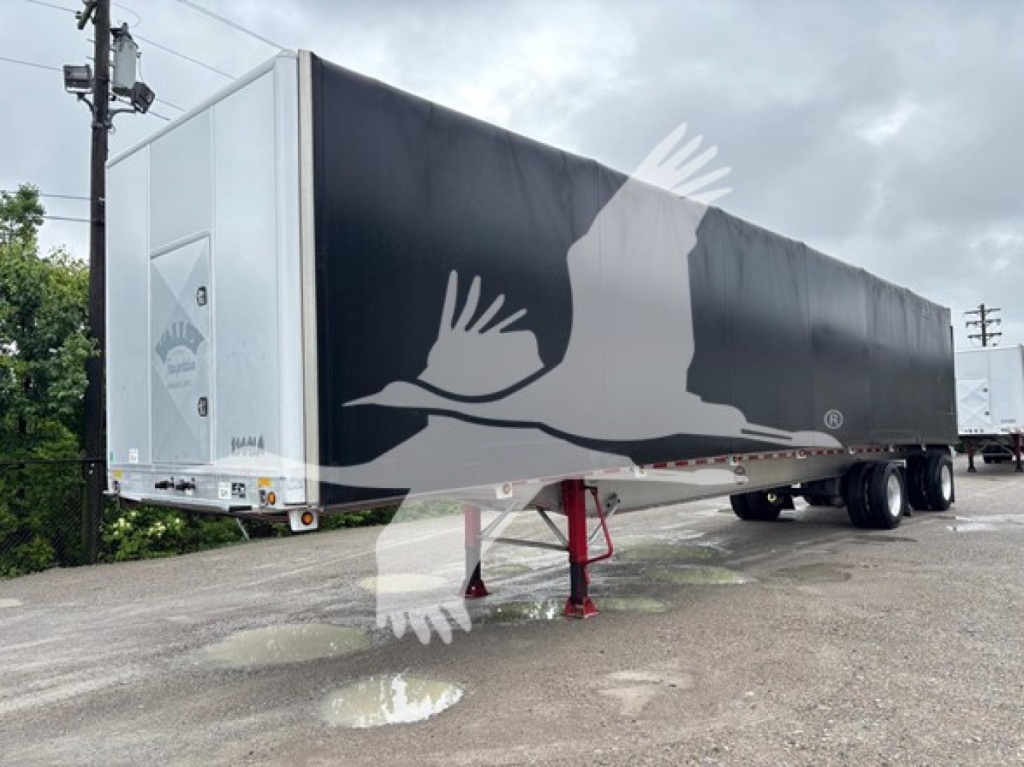
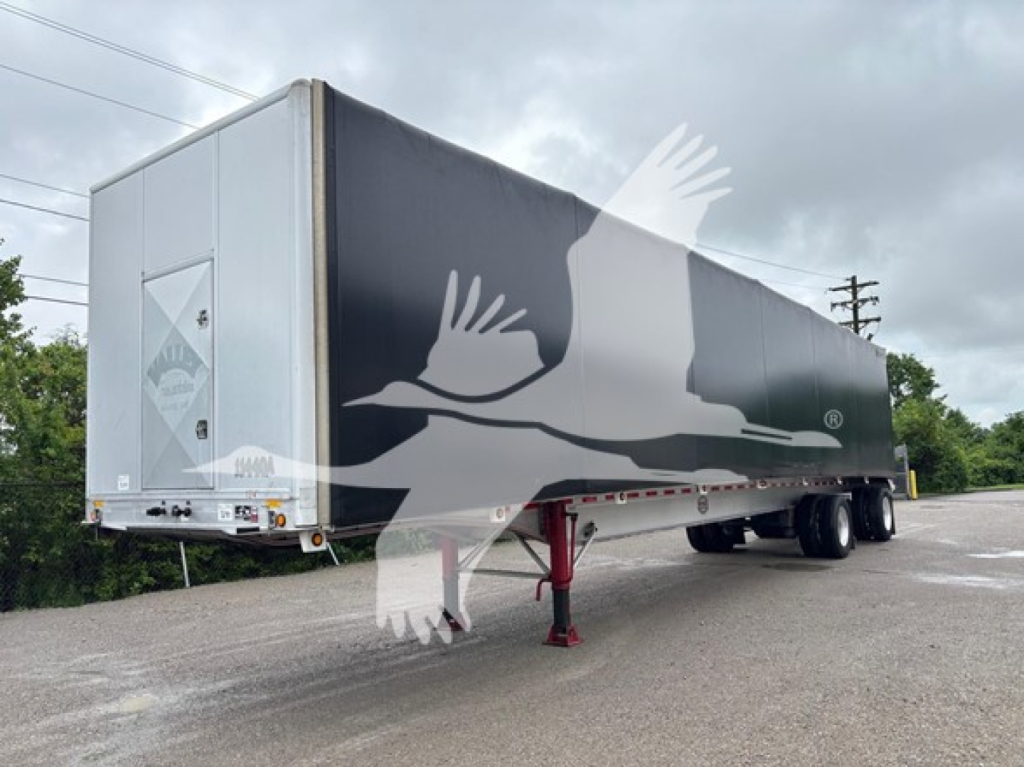
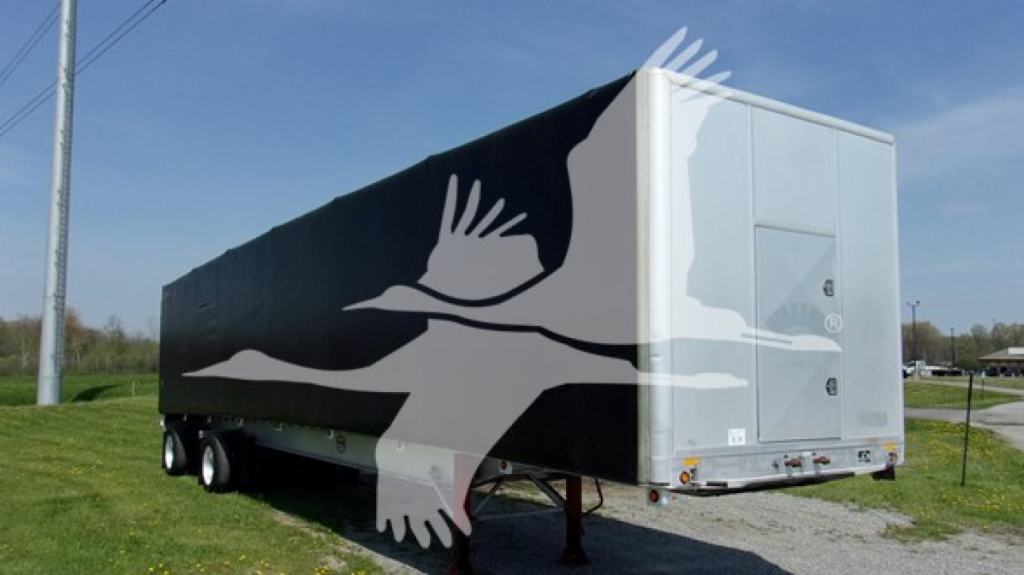
For flatbed buyers, the important details are deck material, crossmember spacing, beam rating, kingpin setting, winch track layout, and whether the trailer has features like sliding winches, pipe spools, coil package reinforcement, stake pockets, and nail strips. Aluminum trailers generally save weight and improve payload, while steel and combo constructions can trade a little tare weight for different durability and repair characteristics. On a 2013 flatbed, pay close attention to side rail damage, cracked welds, deck wear, landing gear condition, suspension bushings, and any signs of hard concentrated loading around the coil package or forklift contact points.
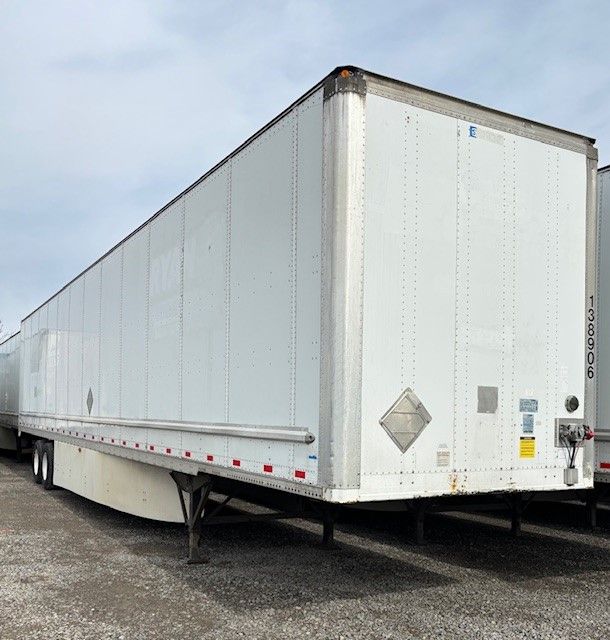
For van-style trailers, buyers should focus on interior dimensions, door opening, floor condition, rear frame integrity, roof condition, scuff liners, logistics post spacing, and tandem slide operation. A 2013 dry van in Ohio may have seen dock-heavy freight and winter road exposure, so corrosion around the rear sill, crossmembers, slider box, landing gear mounts, and suspension hangers matters more than cosmetics. Swing doors, oak floors, galvanized rear frames, tire inflation systems, and air ride suspensions remain desirable specs for fleets trying to balance durability, cargo protection, and lower operating cost.
The best 2013 trailer purchase is one that matches your freight profile and passes a serious inspection. Check FHWA or DOT inspection status if available, verify VIN and title details, review brake type and remaining lining, inspect tire age in addition to tread depth, and look for evidence of prior structural repair. A well-kept 2013 trailer can still deliver years of service in local, regional, or dedicated fleet work, especially when the axle spread, suspension setting, deck or floor design, and securement package are right for the loads you haul.
Frequently Asked Questions about 2013 Trailers in Ohio
What should I inspect first on a 2013 trailer before buying?
Start with the frame, crossmembers, suspension, axle alignment, brakes, tires, and floor or deck condition. On any 2013 trailer, structural integrity matters more than paint or appearance. Look closely for corrosion, cracked welds, bent rails, worn bushings, air leaks, uneven tire wear, and slider issues. If it is a flatbed, inspect the deck, side rails, winch track, and tie-down points. If it is a van, inspect the floor, roof, rear frame, door hardware, and signs of water intrusion.
Is a 2013 trailer too old for commercial use?
No, a 2013 trailer is not automatically too old for commercial use. Many trailers stay productive well beyond this age if they were maintained correctly and used in the right application. The key factors are maintenance records, structural condition, compliance status, and how hard the trailer was worked. A properly maintained 2013 trailer can still be a cost-effective option for regional freight, dedicated lanes, farm support, or reserve fleet use.
What trailer specs matter most on a used 2013 flatbed?
The most important flatbed specs are overall length, axle configuration, fixed spread or sliding axle setup, suspension type, trailer composition, deck material, crossmember spacing, and weight rating. Buyers should also look for practical freight-handling features such as sliding winches, winch tracks on one or both sides, pipe spools, stake pockets, nail strips, and coil package reinforcement. These details affect payload, securement flexibility, and how well the trailer fits your regular commodity mix.
What are common concerns with a 2013 dry van trailer?
Common concerns include floor wear from forklift traffic, rear frame corrosion, roof leaks, damaged scuff liners, door seal problems, and worn tandem slide components. In northern states such as Ohio, road salt can accelerate corrosion on rear sills, crossmembers, landing gear braces, and suspension hardware. Buyers should also confirm the interior dimensions, door opening, floor thickness, and any trailer options such as tire inflation systems or galvanized components that can improve long-term durability.
How do I know if a 2013 trailer is a good value?
A good-value 2013 trailer is one with the right specification for your freight, a clean structural inspection, and enough remaining service life to avoid immediate major repair cost. Compare tare weight, suspension setup, brake type, tire condition, floor or deck wear, and any recent maintenance against the asking price. A lower-priced trailer can become expensive quickly if it needs crossmember repair, suspension work, flooring replacement, or major brake and tire replacement soon after purchase.