
2013 Dump Trailers For Sale
Shop 2013 dump trailers for hauling aggregate, asphalt, dirt, and debris. Compare end dump and side dump specs, capacities, suspensions, and body styles.
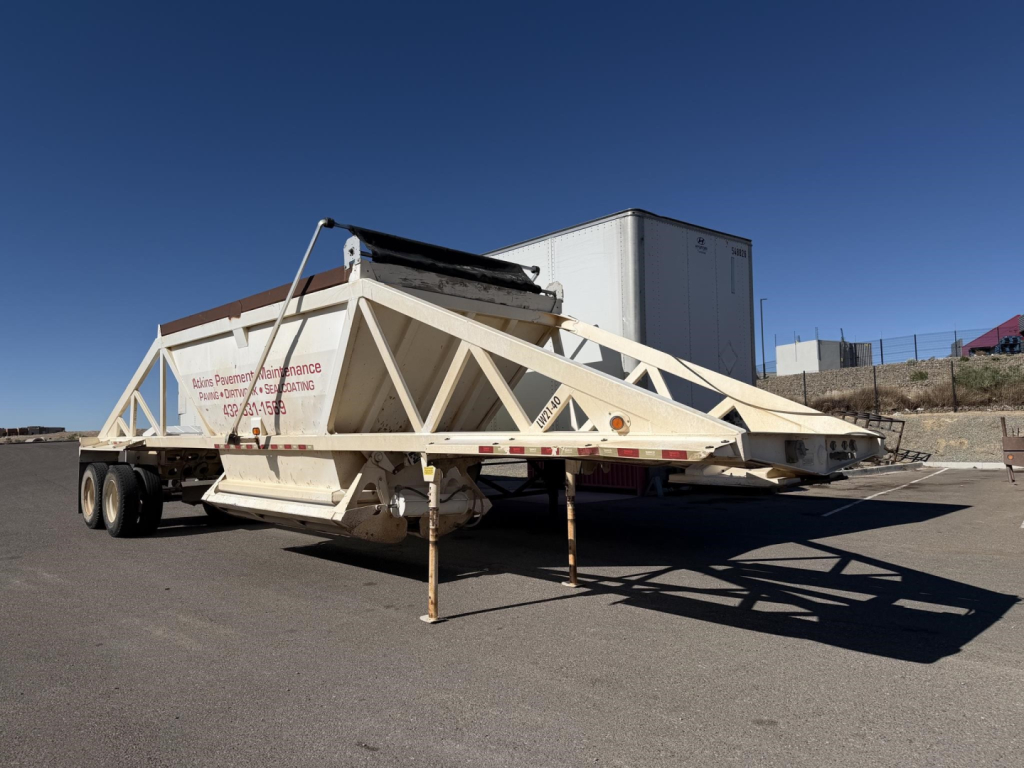
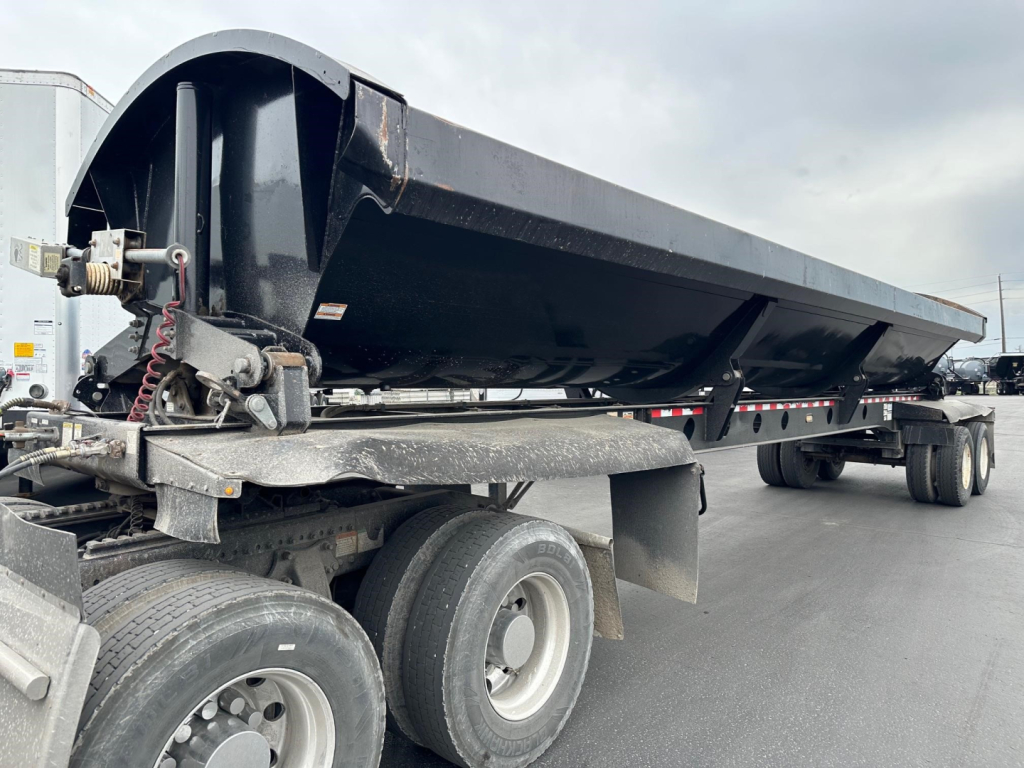
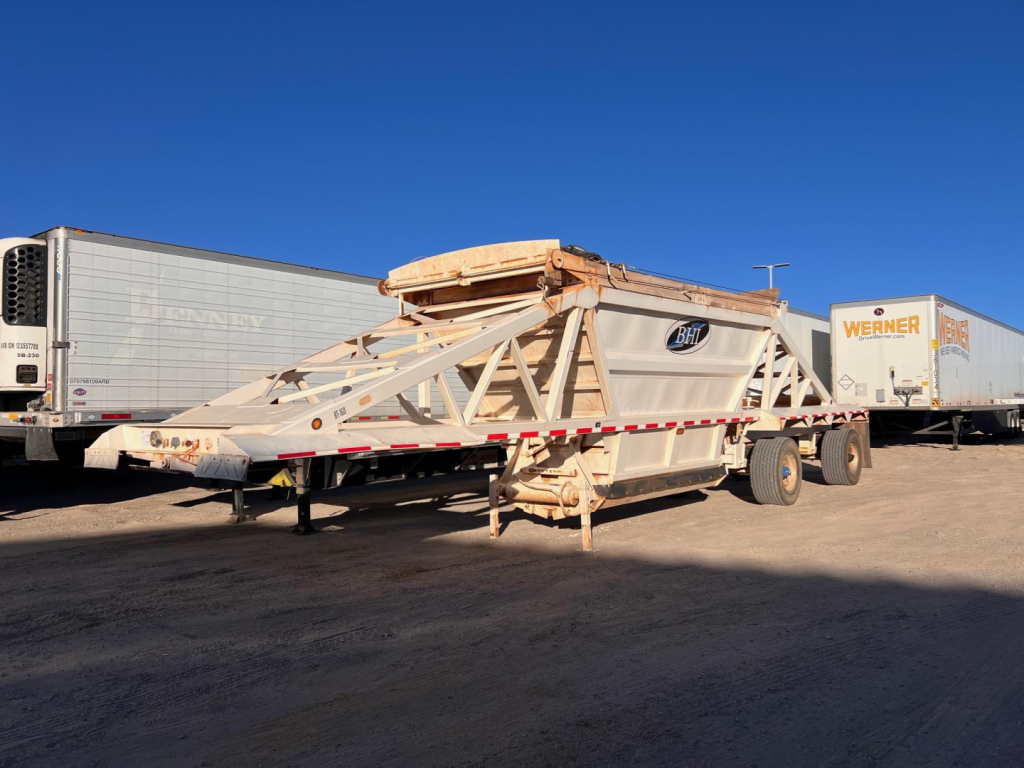
Selling a 2013 dump trailer? List your 2013 dump trailer for sale and reach thousands of commercial buyers.
2013 Dump Trailers
Body style should match the material being hauled. End dumps are common for sand, gravel, demolition debris, millings, and general bulk material, with frameless and frame-type designs each offering different tradeoffs in payload, stability, and durability. Frameless trailers are often lighter and can improve payload, while frame-type dump trailers may offer better durability in rough jobsite conditions. Side dumps are favored in uneven terrain and road-building work because they can discharge material with a lower rollover risk than a raised end dump. Steel bodies are typically chosen for rock, riprap, and abrasive demolition loads, while aluminum bodies are more attractive for operators chasing payload on less abusive material.
Capacity, axle configuration, and suspension setup are the next major buying points. Many 2013 dump trailers fall into tandem, tri-axle, or spread-axle layouts, with common body lengths around 34 to 40-plus feet depending on design and region. Cubic yard capacity varies widely by side height, tub shape, and material type, so legal payload matters more than advertised volume. Air ride suspension is common for highway-focused fleets and more delicate loads, while spring ride is still valued for simplicity and lower upfront cost. Tire size, wheel material, lift axles, liner packages, electric or manual tarp systems, and gate style all affect day-to-day operating cost and job flexibility.
For a used 2013 unit, service history is a real value indicator. Buyers should check for cylinder leakage, hoist cycle smoothness, tailgate seal condition, air system response, brake wear, and signs of previous weld repairs on the body and draft arms. Look closely at the floor for thin spots, the top rail for bowing, and the rear frame for impact damage from pavers or loaders. A well-kept 2013 dump trailer can still fit municipal work, paving support, site development, scrap, and regional aggregate hauling, provided the trailer’s weight, body material, and dump configuration align with the application.
Frequently Asked Questions about 2013 Dump Trailers
What should I inspect first on a 2013 dump trailer?
Start with the structure. Check the body floor, crossmembers, hinge assembly, kingpin area, suspension hangers, and hoist mounting points for cracks, elongation, corrosion, or poor-quality weld repairs. After that, inspect the hydraulic cylinder for leaks, confirm the trailer raises and lowers smoothly, and check brakes, tires, tarp operation, gate hardware, and lighting. Cosmetic wear is expected on a 2013 trailer, but structural fatigue and hydraulic problems are far more expensive.
Is a 2013 aluminum dump trailer better than a steel dump trailer?
It depends on the material hauled. Aluminum dump trailers are typically lighter, which can help maximize payload on aggregates, grain byproducts, or other less abrasive loads. Steel dump trailers usually hold up better in severe service, including rock, demolition debris, and high-impact loading. On a 2013 model, condition matters as much as material, so buyers should look for floor wear, cracked welds, patched panels, and evidence of repeated overloading.
What is the difference between a frameless and frame-type end dump trailer?
A frameless end dump usually weighs less and is popular with operators focused on payload. It relies on the body structure to carry much of the load, which can be efficient but may be less forgiving in severe off-road use. A frame-type end dump adds a full chassis under the body, which often improves durability and stability in rough applications, though it can add tare weight. The right choice depends on haul type, road conditions, and how often the trailer is loaded on uneven ground.
Are 2013 dump trailers still practical for commercial hauling?
Yes, many are still practical if they have been maintained and matched to the right work. A 2013 dump trailer can remain productive in paving support, aggregate hauling, site work, municipal service, and scrap applications. The key is to verify structural condition, legal axle setup, brake and suspension health, and compatibility with the tractor’s wet kit and operating requirements. Older trailers often make sense when buyers prioritize lower acquisition cost over late-model features.
What specs matter most when comparing used 2013 dump trailers?
The most important specs are body material, body style, axle configuration, suspension type, cubic yard capacity, overall trailer weight, gate design, and hoist setup. Buyers should also compare liner condition, tarp system type, tire and wheel package, brake condition, and whether the trailer has lift axles or other options that affect bridge compliance and payload. Those details have a direct impact on how the trailer performs in asphalt, aggregate, demolition, or general construction service.