
2013 Van Trailers For Sale
Shop 2013 van trailers for dry freight hauling. Compare 53-foot specs, sliding tandems, roll-up or swing doors, floors, and suspension.
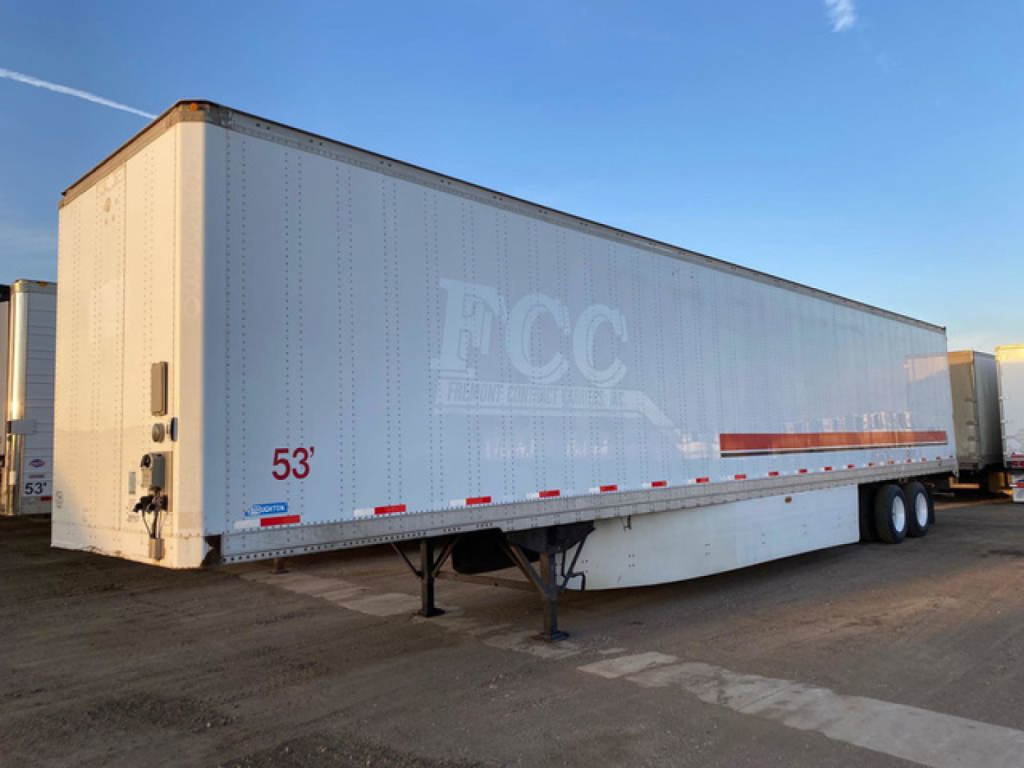
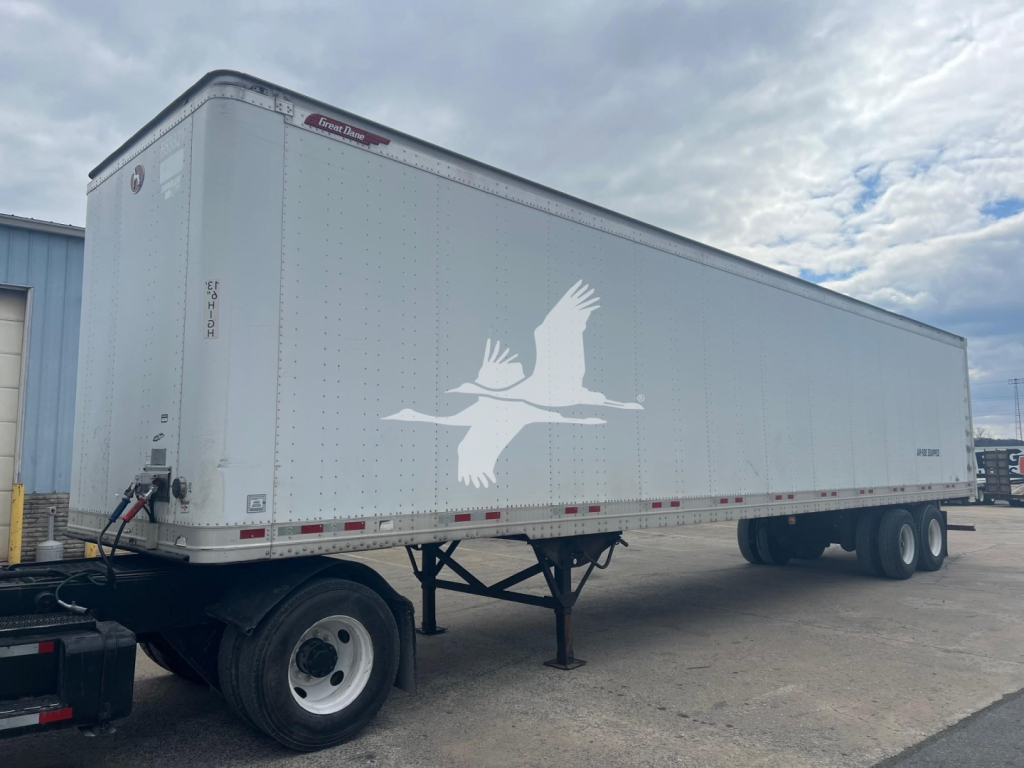
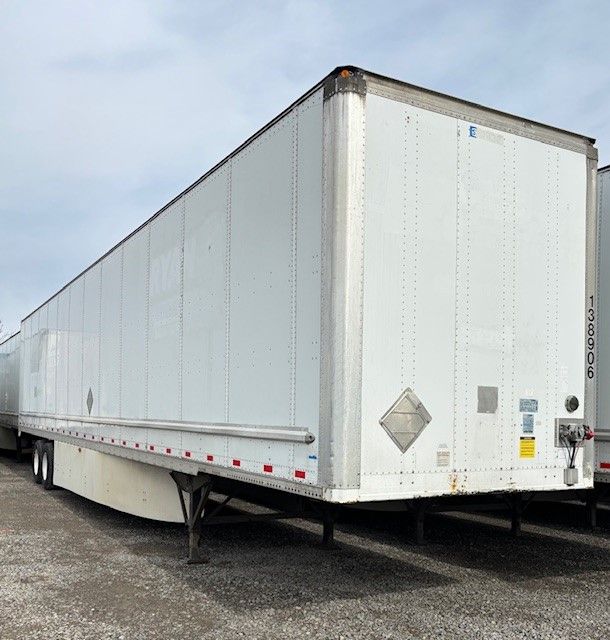
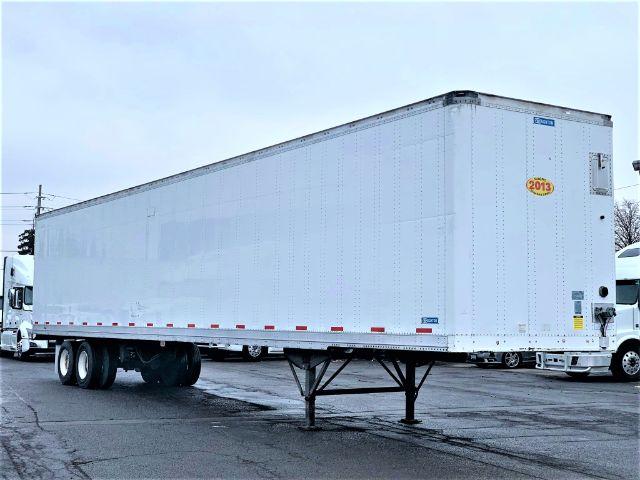
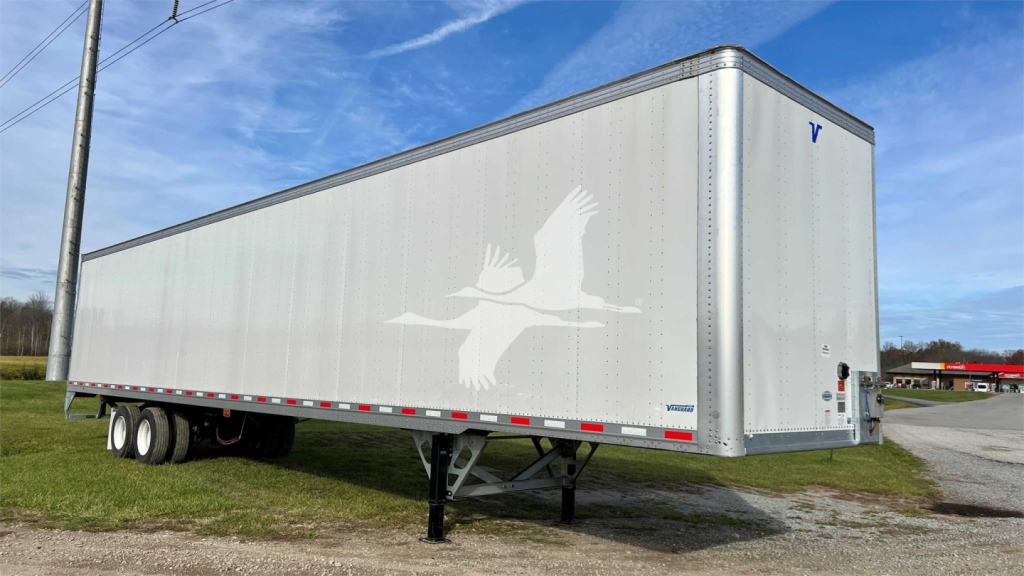
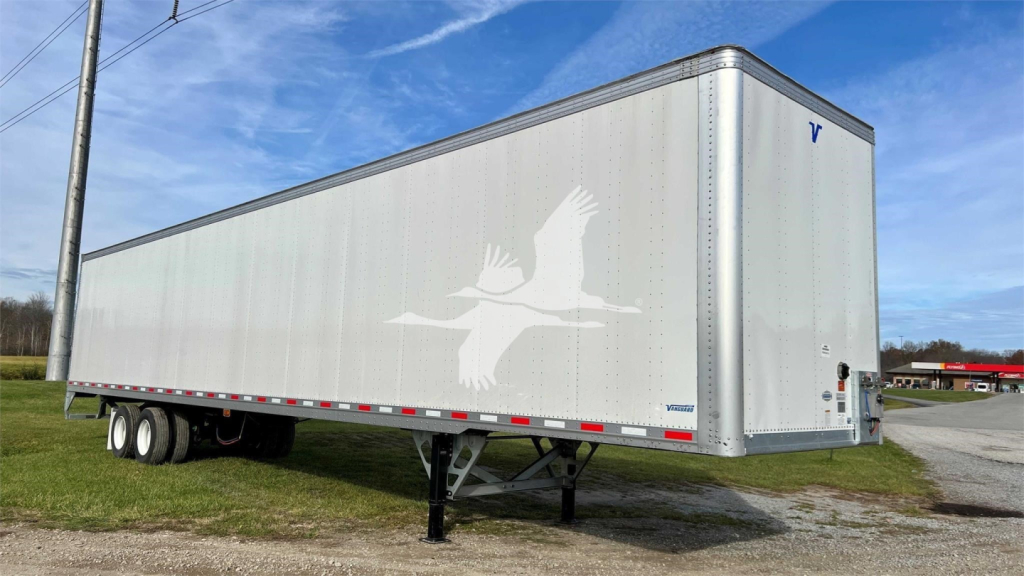
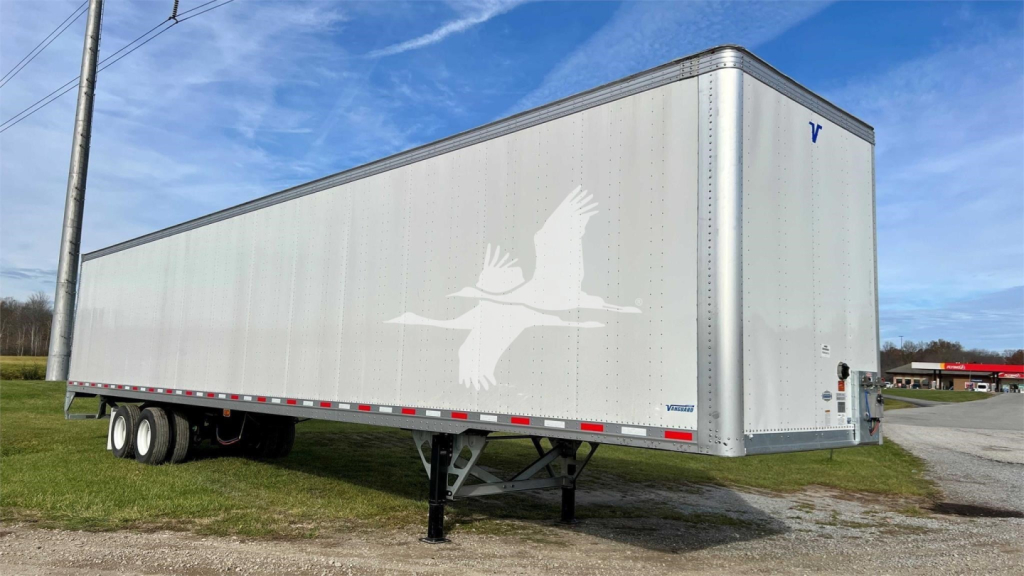
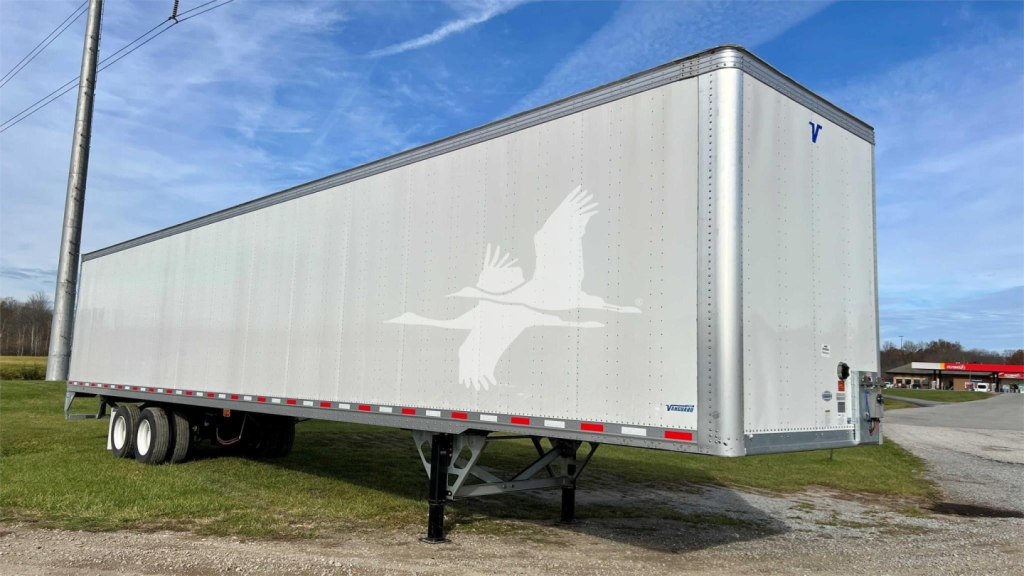
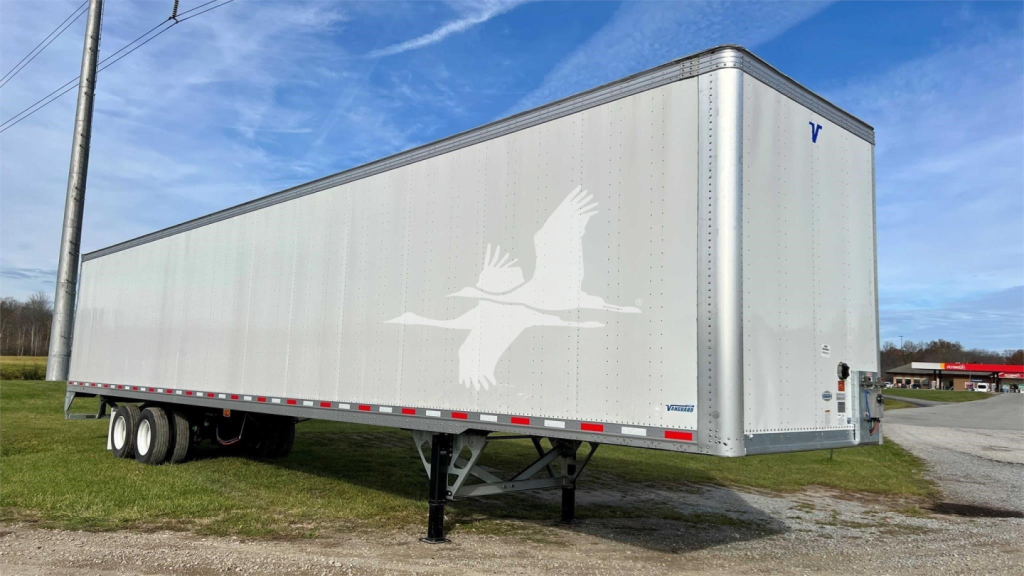
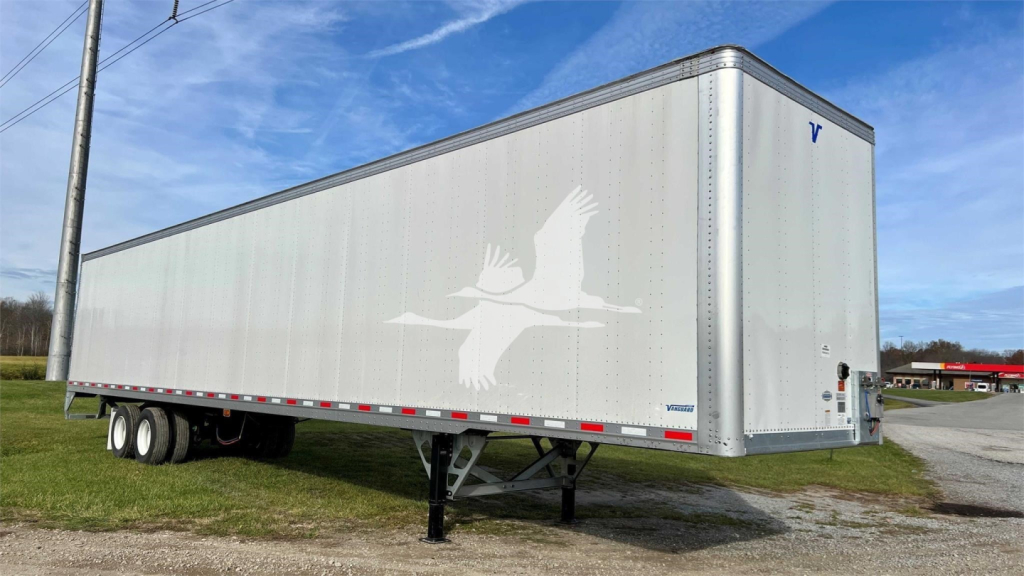
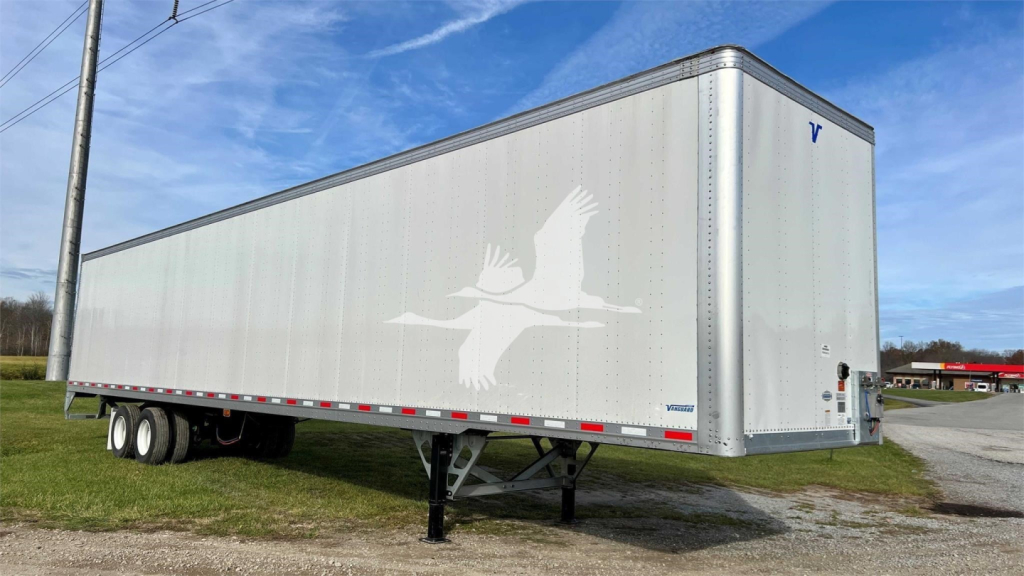
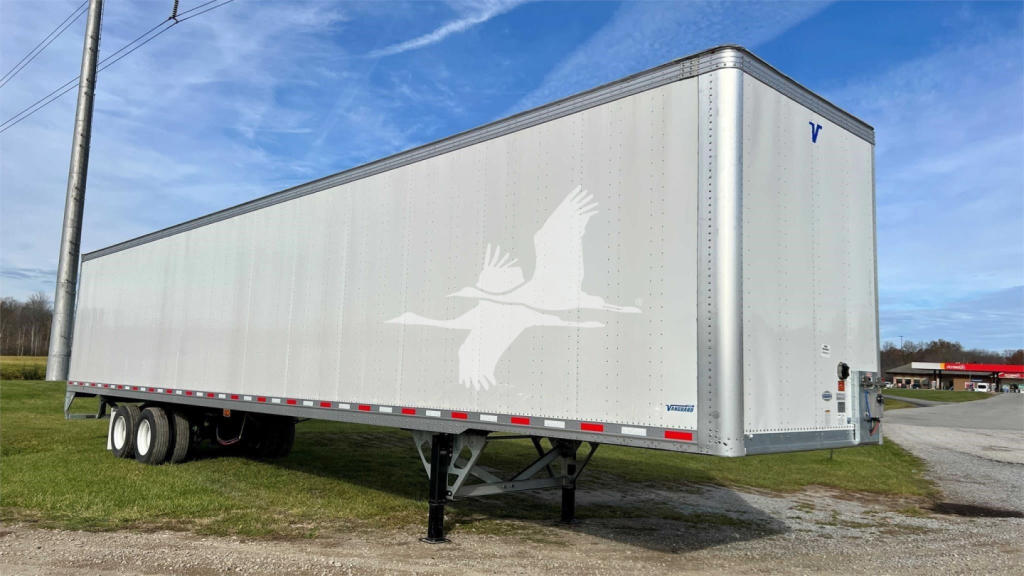
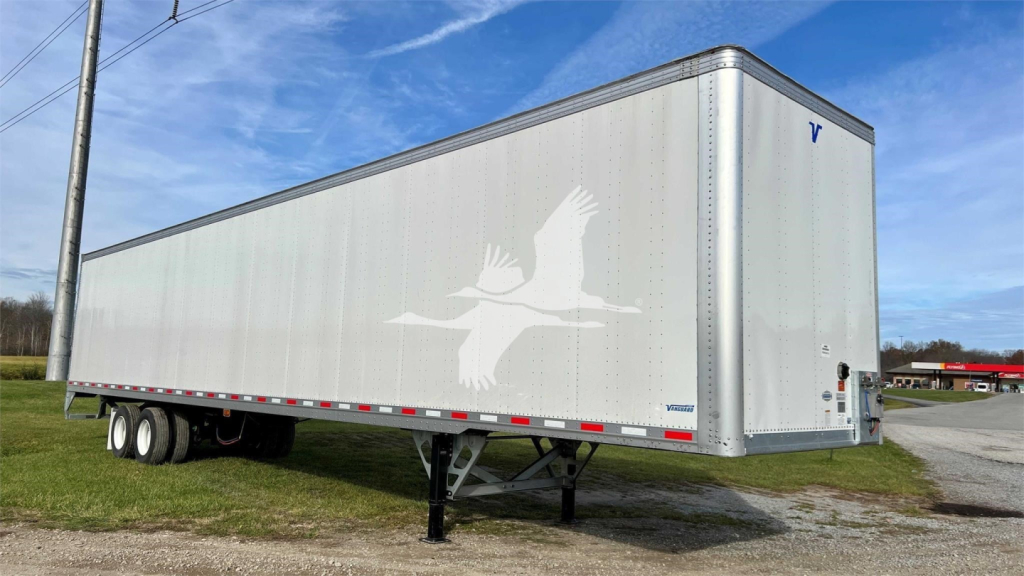
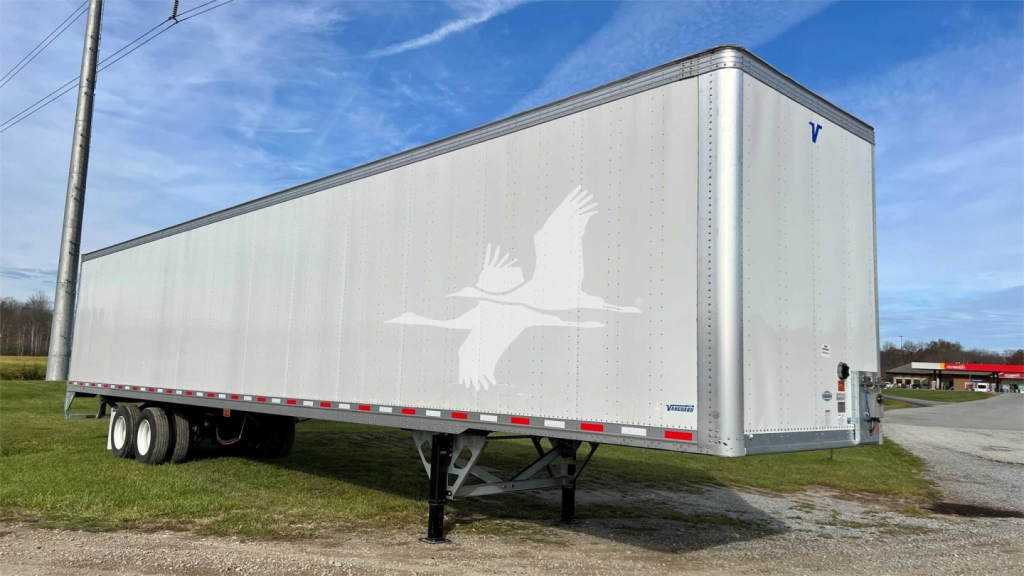
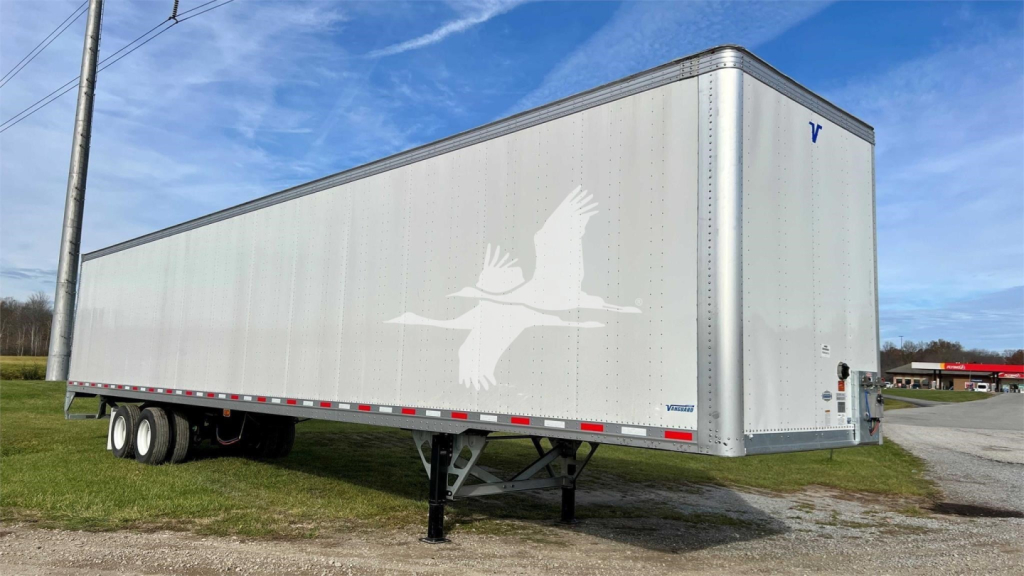
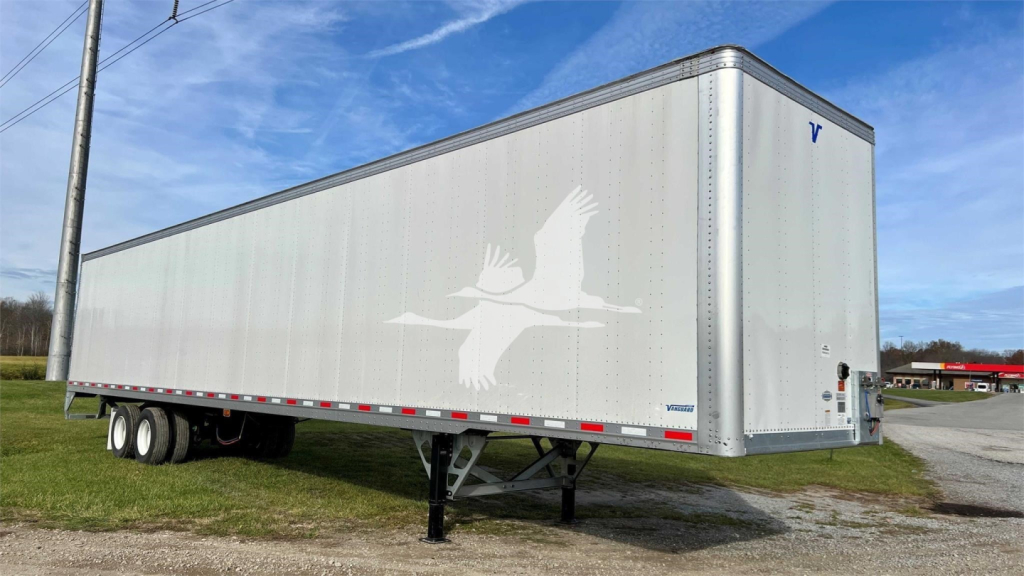
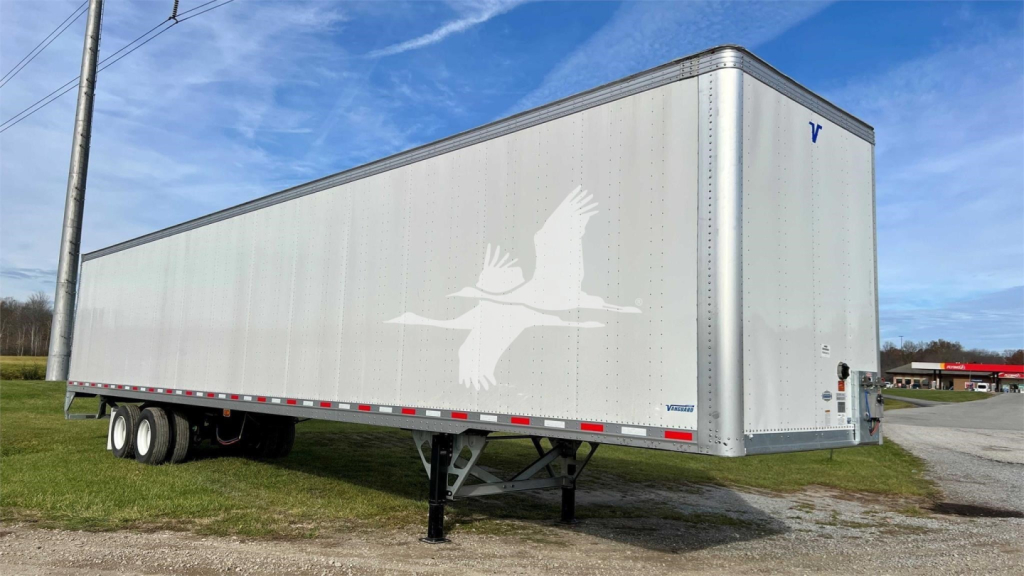
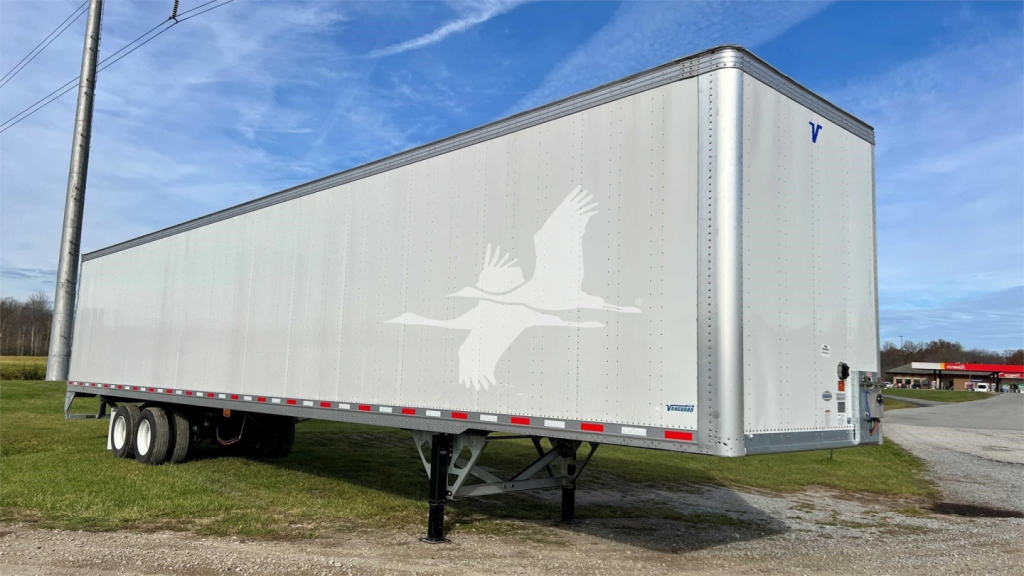
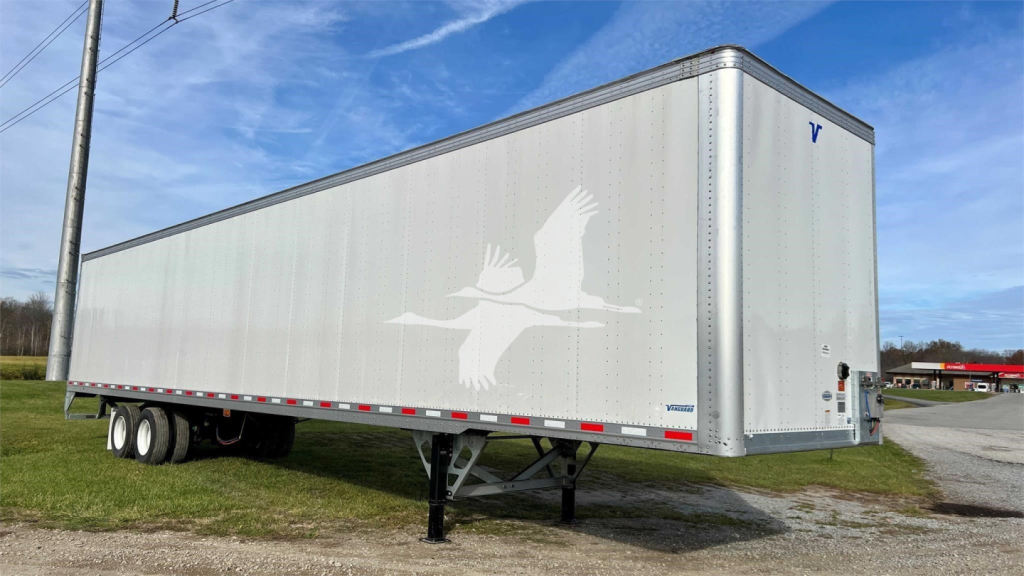
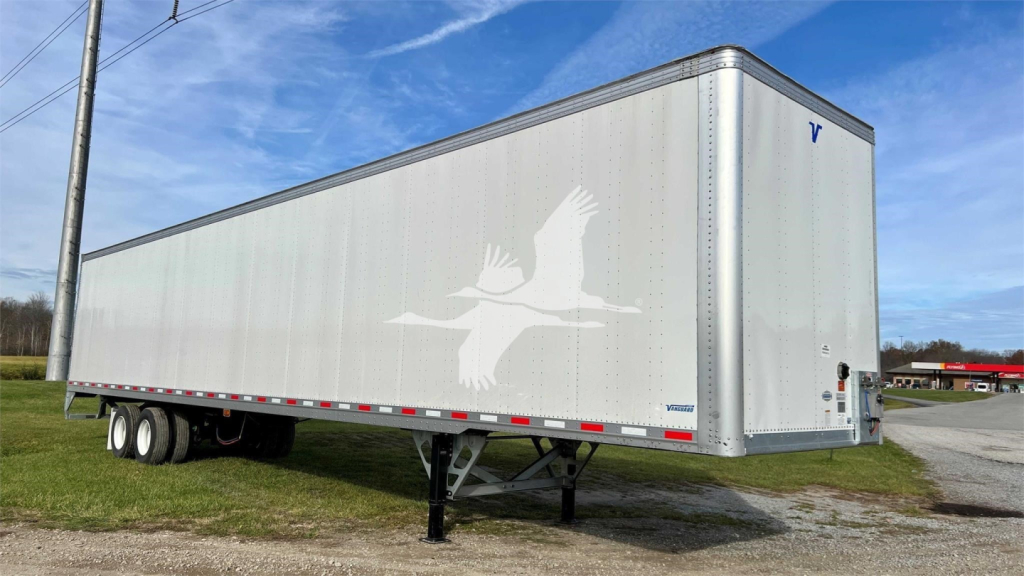
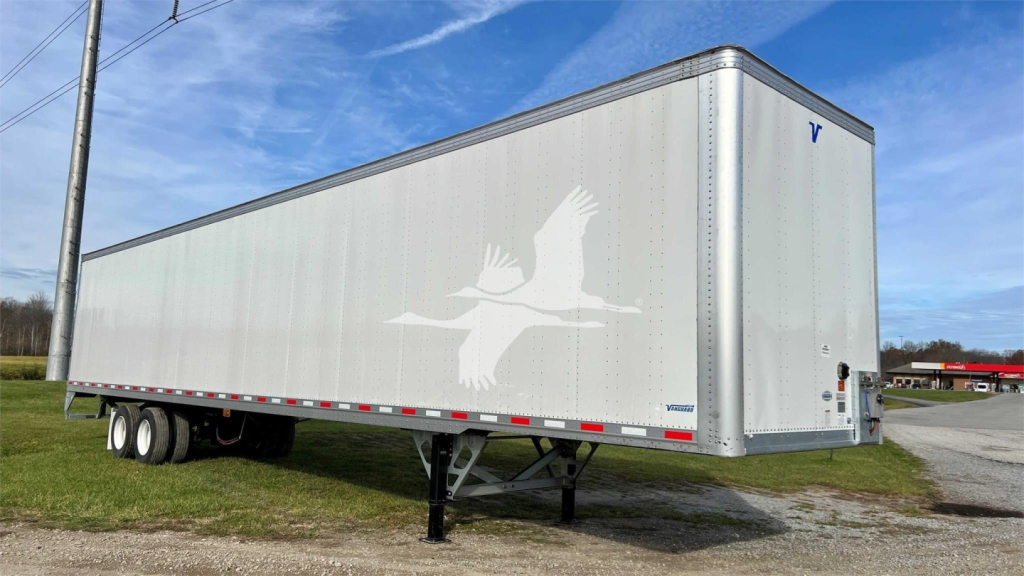
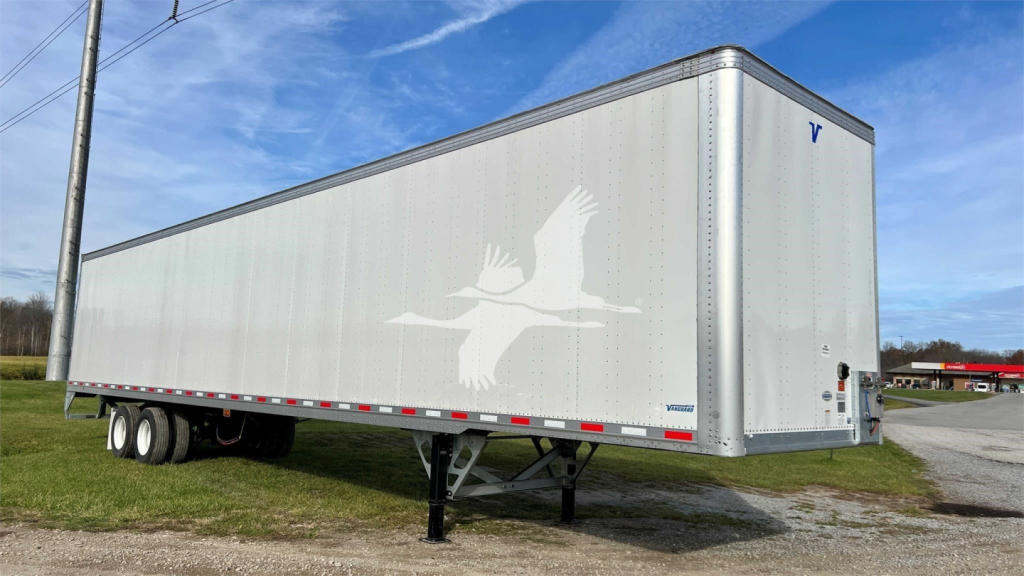
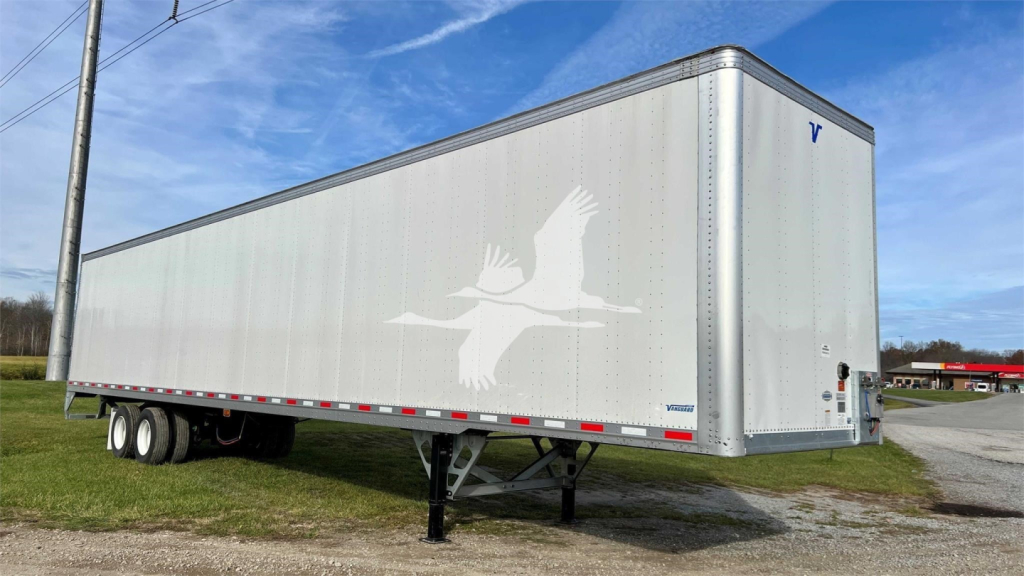
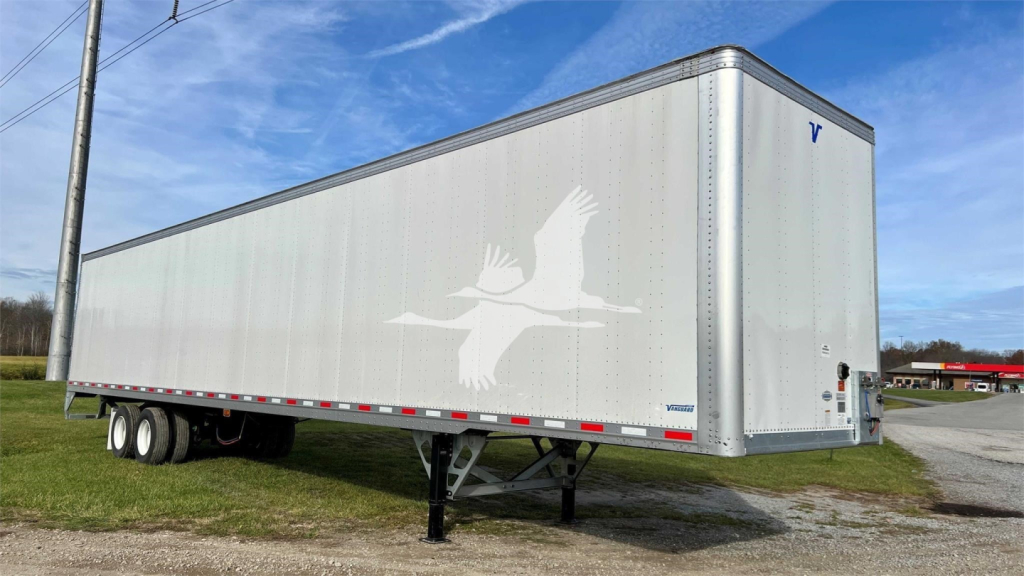
Showing 1 to 24 of 37 results
Have 2013 van trailer to sell? List it here to reach thousands of buyers.
2013 Van Trailers
Construction details matter more than the model year alone. Many 2013 van trailers use aluminum or composite side panels with an aluminum roof and a wood floor, often 1-3/8 inch oak over steel crossmembers. Check floor condition closely if the trailer has seen heavy forklift traffic. Threshold plates, rear frame wear, dock bumper condition, and scuff liner damage will tell you a lot about how the trailer was used. Logistics posts on 48-inch centers, plywood or plate lining, nose reinforcement, and galvanized rear components are all desirable if the trailer will stay in high-cycle dock service. Roll-up doors are common in urban and multi-stop work, while swing doors can offer simpler maintenance and full rear opening access.
Suspension, axle position, and tire setup affect both compliance and resale. Sliding tandems remain important for bridge-law flexibility and dock weight distribution. Air ride is typically preferred for ride quality and freight protection, though some older-spec van trailers may have spring suspension. Common tire sizes include 295/75R22.5 and 11R22.5, usually mounted on steel or disc wheels. Buyers should also look at brake type, wheel-end service history, tire inflation systems, air leaks, bushing wear, and the condition of the landing gear and frame rails. If the trailer has side skirts, air lift axle equipment, or fleet standardization features, those can add value depending on the lane and maintenance program.
For a 2013 dry van trailer, the best buying decision usually comes down to prior use, structural condition, and spec compatibility with your tractors and freight. A clean van with solid floors, straight sidewalls, intact roof bows, good door seals, and a sound suspension can still be a productive asset in regional or long-haul service. Buyers moving dense freight should confirm GVWR, crossmember spacing, and floor integrity. Buyers in retail or distribution work should pay close attention to interior lining, scuff protection, and door operation. The right 2013 van trailer is less about cosmetics and more about how well the trailer's construction and running gear match the demands of your lanes.
Frequently Asked Questions about 2013 Van Trailers
What should I inspect first on a 2013 van trailer?
Start with the floor, rear frame, roof, sidewalls, and suspension. Floor rot, broken boards, excessive forklift wear, cracked crossmembers, rear impact damage, and leaking roofs are some of the most expensive problems to correct. After that, inspect the tandem slide, brakes, tires, wheel ends, landing gear, and door hardware. On a used dry van, structural condition and running gear health usually matter more than appearance.
Are most 2013 van trailers 53 feet long?
Many 2013 van trailers on the market are 53-foot units because that length is the standard for general over-the-road dry freight. There are also shorter 45-foot and regional-spec trailers in circulation. A 53-foot trailer typically offers the best freight flexibility and resale demand, but the right length depends on the lanes, warehouse access, and freight cube requirements.
Is air ride better than spring suspension on a van trailer?
Air ride is generally preferred for dry van applications because it helps protect freight, improves ride quality, and is common in fleet service. Spring suspension can be simpler, but it is less common on higher-spec highway dry vans. For buyers hauling palletized consumer goods, paper, or sensitive freight, air ride is usually the more desirable spec.
What door type is better on a dry van trailer, roll-up or swing doors?
Roll-up doors are popular in LTL, city, and multi-stop delivery because they are convenient at crowded docks and do not swing into traffic areas. Swing doors provide full rear opening access and can be easier to maintain in some applications. The better choice depends on loading patterns, dock layout, and how often the trailer is opened during a route.
What specs matter most for a 2013 dry van trailer used in regular fleet work?
The most important specs are length, kingpin setting, tandem slide range, suspension type, floor construction, crossmember spacing, door configuration, and interior lining. Buyers should also confirm tire size, brake setup, GVWR, and compatibility with fleet tractors and maintenance standards. A trailer with common fleet specs is easier to dispatch, maintain, and resell.