
2013 Wabash Van Trailers For Sale
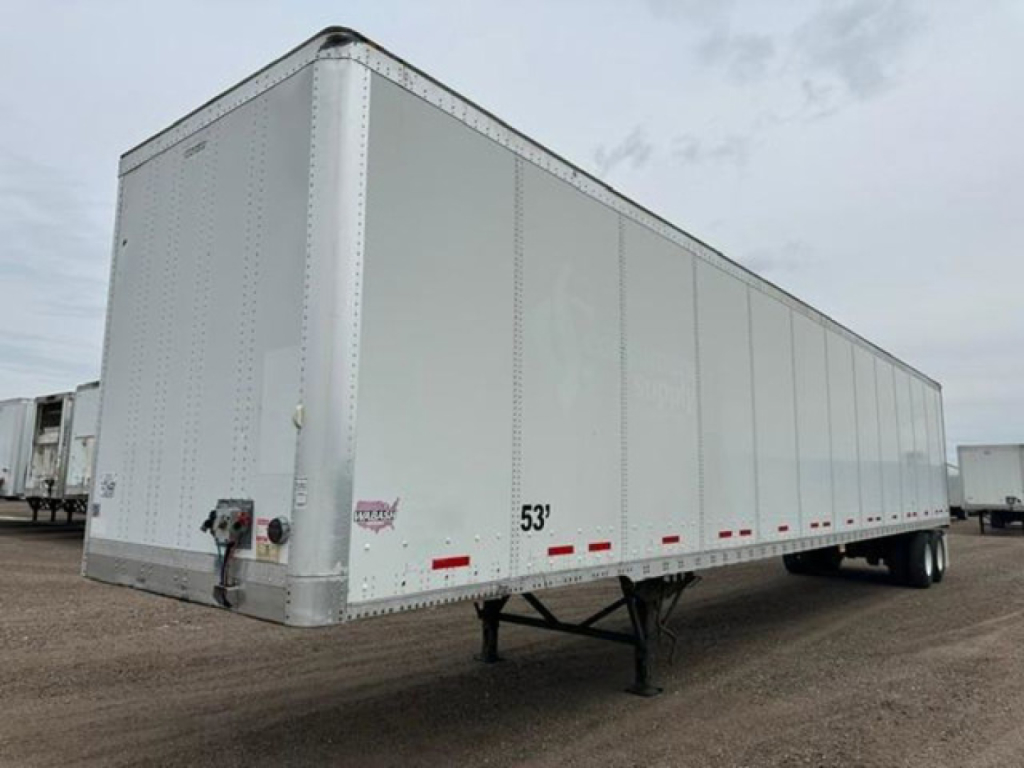
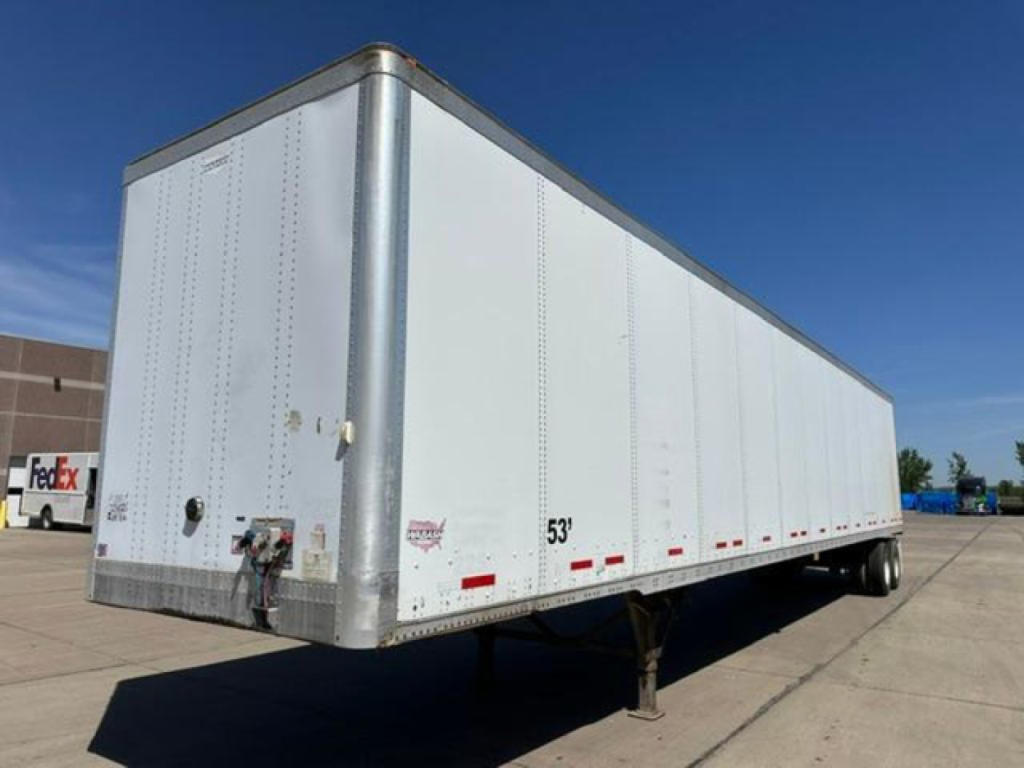
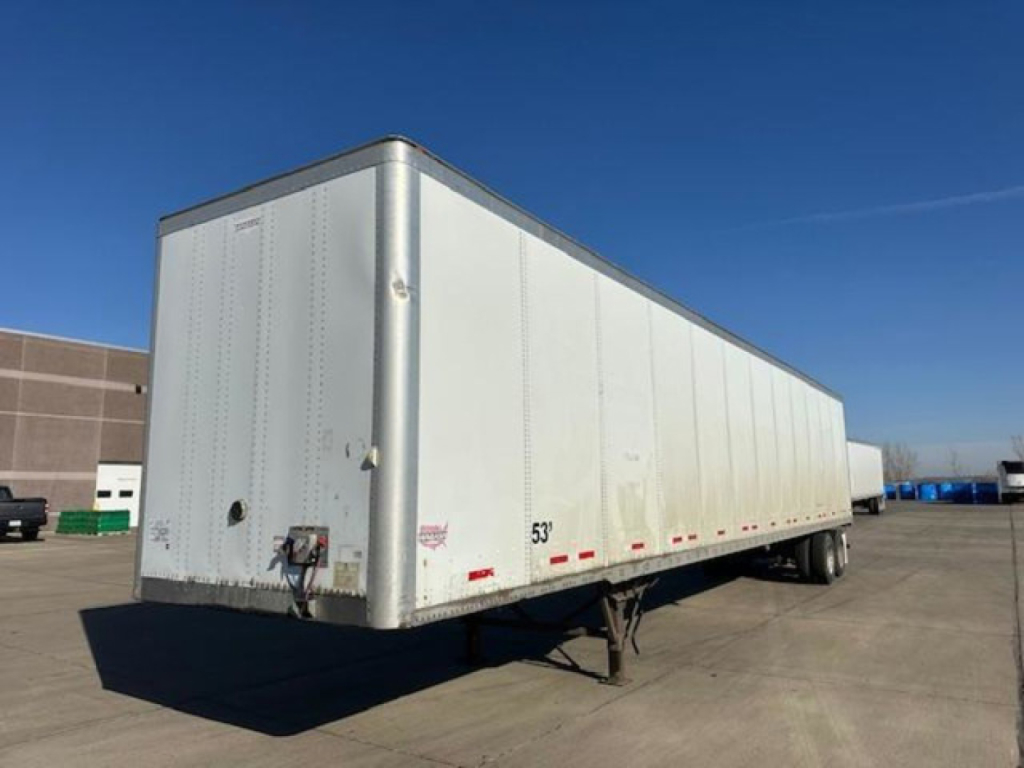
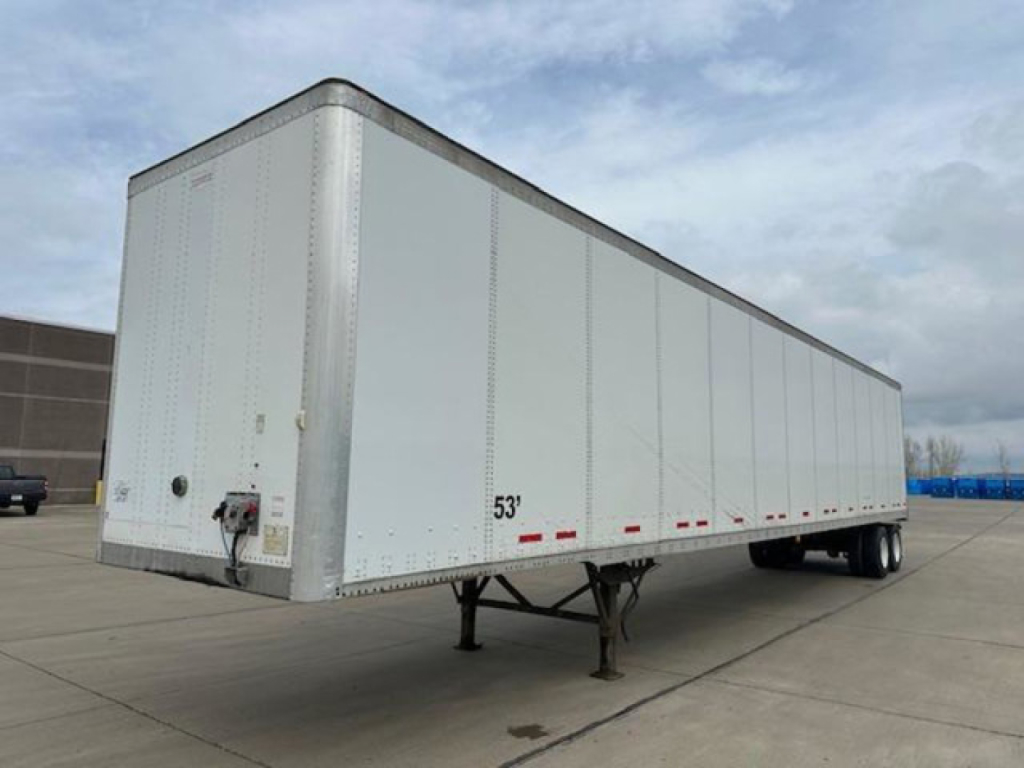
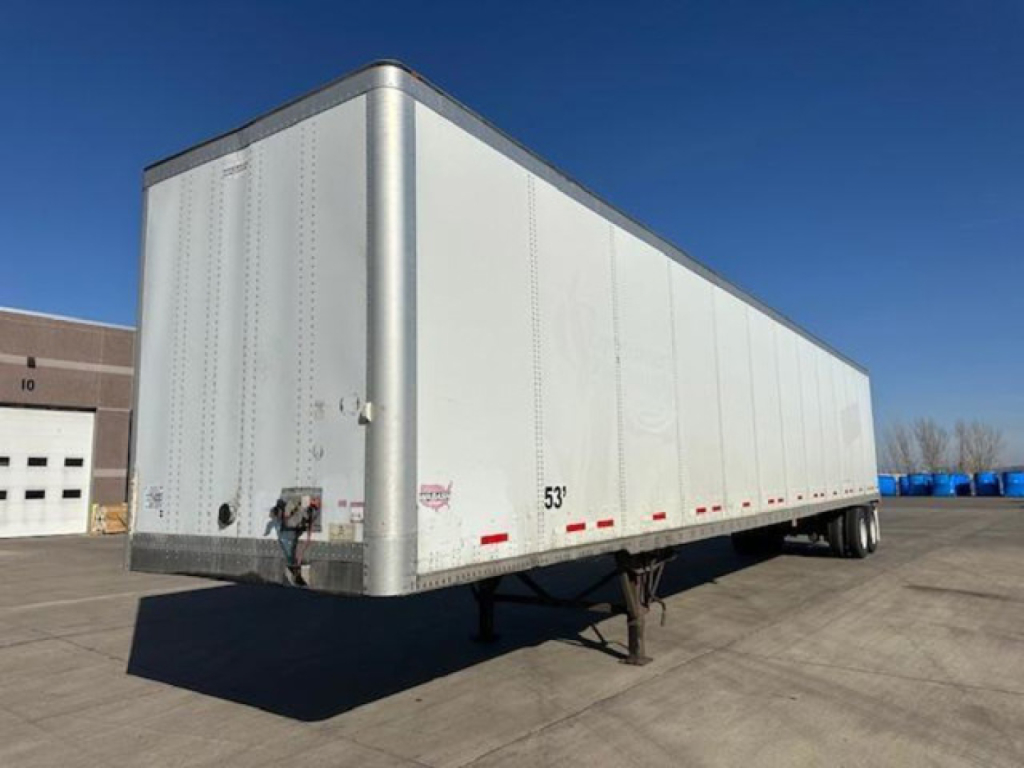
Have 2013 wabash van trailer to sell? List it here to reach thousands of buyers.
2013 Wabash Van Trailers
The main buying decisions usually come down to structural condition and loading configuration. Floor integrity matters as much as mileage or appearance, especially on trailers that have seen heavy forklift traffic. Check crossmembers, threshold area, rear frame, upper coupler plate, and suspension hangers for repairs or corrosion. Buyers should also compare swing doors versus roll-up doors, because door style affects cube, seal, dock use, and maintenance cost. Interior liners, scuff bands, logistics posts, and roof type also matter depending on the freight mix. A translucent roof can help with visibility during loading, while a lined interior may be better for higher-touch freight.
Wabash dry vans from this era may be found with aluminum and steel composite construction, wood floors, steel rear frames, and sliding tandem axles to help with bridge law compliance and dock positioning. Common tire sizes include 295/75R22.5 and 275/80R22.5 on hub-piloted steel wheels. Suspension spec can influence both ride quality and upkeep. Air ride is often preferred for sensitive freight and fleet-standardization, while spring ride can appeal to buyers who want a simpler setup. If the trailer will run in LTL, local delivery, or multi-stop applications, pay close attention to door opening dimensions, ICC bumper condition, landing gear wear, and the amount of prior body or side panel repair.
For a used 2013 Wabash van trailer, resale value is usually tied to clean title status, current DOT readiness, tire and brake condition, and how straight the body remains. Look for signs of roof patching, light leaks, floor rot, sidewall bowing, and uneven tire wear that could point to alignment or suspension issues. If the trailer will be used for drop-and-hook freight, consistency in kingpin setting, tandem slide operation, and door hardware condition becomes especially important. A well-kept 2013 Wabash van can still be a practical freight trailer for regional or over-the-road service when the structure, running gear, and loading surfaces are sound.
Frequently Asked Questions about 2013 Wabash Van Trailers
What should I inspect first on a 2013 Wabash van trailer?
Start with the floor, roof, rear frame, tandem suspension, and overall body straightness. On a dry van, floor condition is critical because forklift wear, moisture intrusion, and damaged crossmembers can turn a usable trailer into a costly repair project. Also inspect the upper coupler, landing gear mounts, brake components, and the rear door frame for cracks, corrosion, or signs of prior impact.
Are 2013 Wabash van trailers usually 53 feet long?
Many are 53-foot dry vans, but actual length can vary by prior application and fleet spec. The most common setup in long-haul and dedicated freight is a 53-foot tandem axle trailer with 102-inch width, but shorter Wabash van trailers also exist for city, regional, and doubles service. Buyers should confirm length, inside height, door opening, and tandem configuration instead of assuming all units share the same dimensions.
Is air ride better than spring ride on a Wabash van trailer?
Air ride is generally preferred when cargo protection and ride quality matter, especially for packaged consumer goods, food products, and other palletized freight that can shift or suffer damage from road shock. Spring ride can still be a solid choice for buyers who want a simpler suspension with lower complexity. The better option depends on freight type, lane conditions, maintenance practices, and whether the trailer needs to match the rest of a fleet.
What door type is better on a dry van trailer, swing doors or roll-up doors?
Swing doors are common on over-the-road dry vans because they typically provide a larger full-height opening, fewer moving parts in the track area, and good cargo cube. Roll-up doors are often preferred in route delivery or dock environments where trailer doors are opened frequently and rear clearance matters. The right choice depends on freight handling, loading frequency, and how often the trailer backs into tight spaces.
Do 2013 Wabash van trailers still make sense for fleet service?
They can, provided the trailer has solid structure, acceptable brake and tire life, and no major floor or roof issues. A 2013 model is old enough that condition matters far more than brand name alone. Many buyers still consider this age range for regional haul, drop trailer pools, storage use, and backup fleet capacity because Wabash dry vans are common, familiar to service shops, and straightforward to spec for standard freight operations.