
2013 Flatbed Trailers For Sale
Shop 2013 flatbed trailers with specs that matter, including length, deck type, axle setup, payload capacity, and securement features.
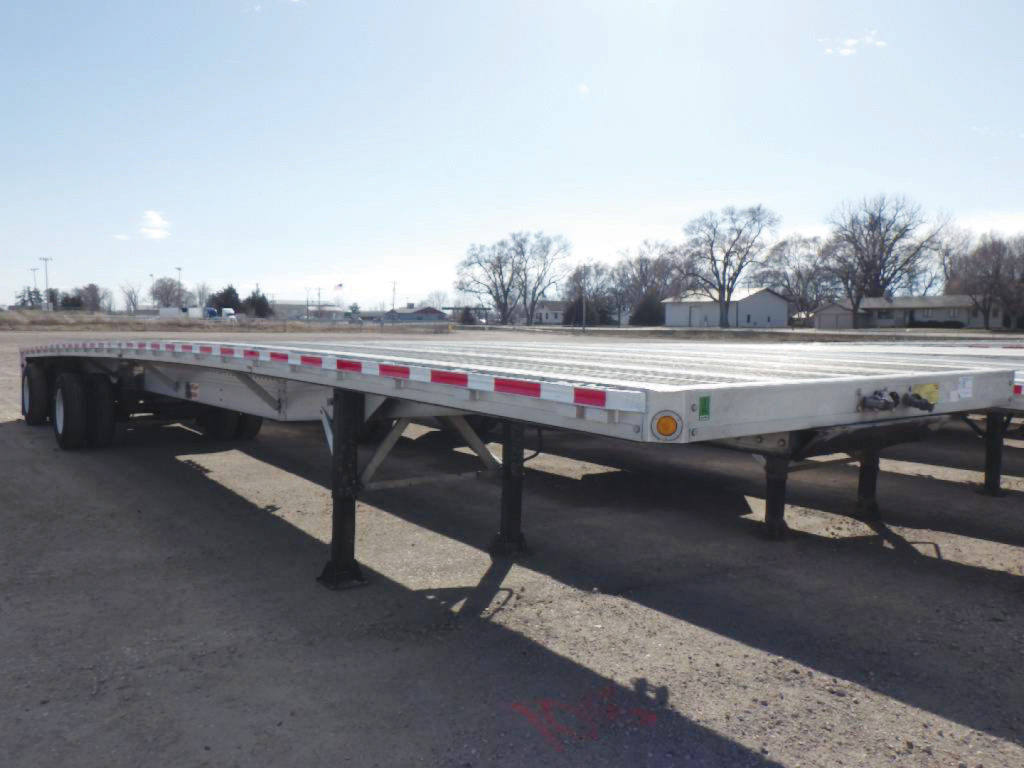
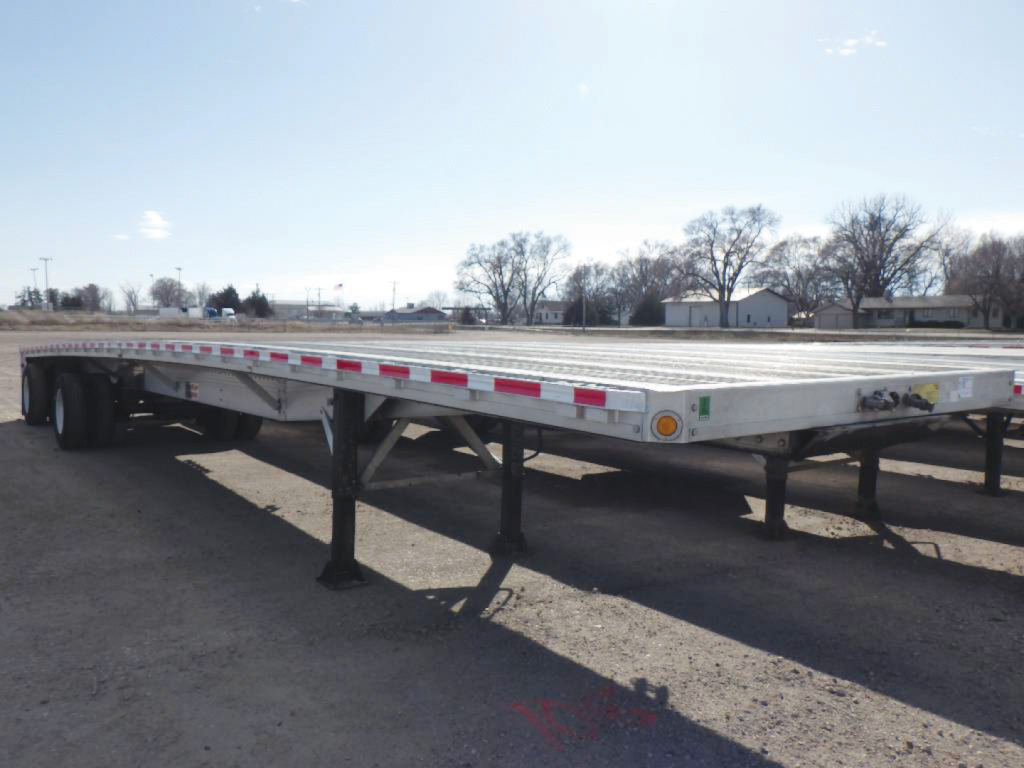
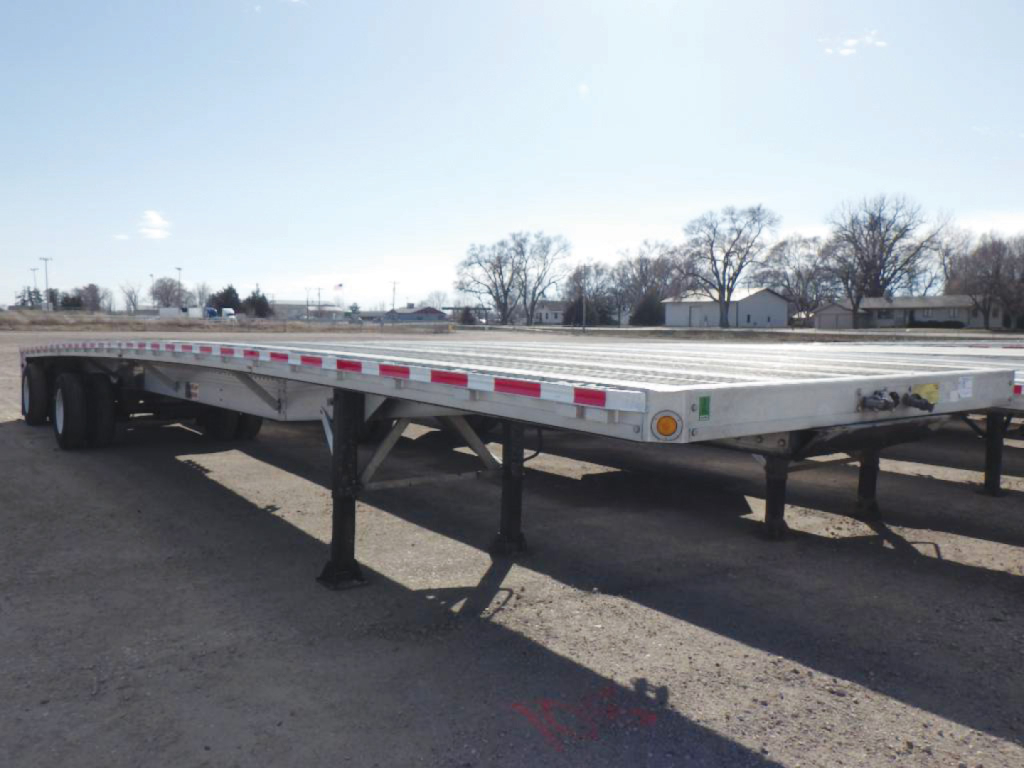
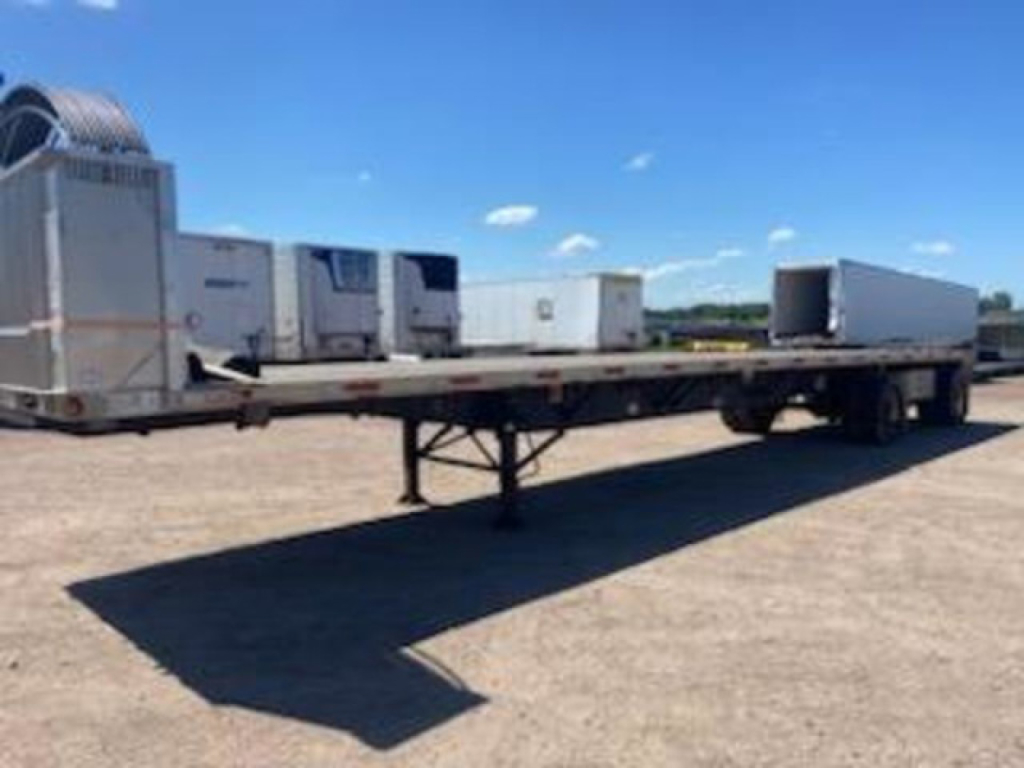
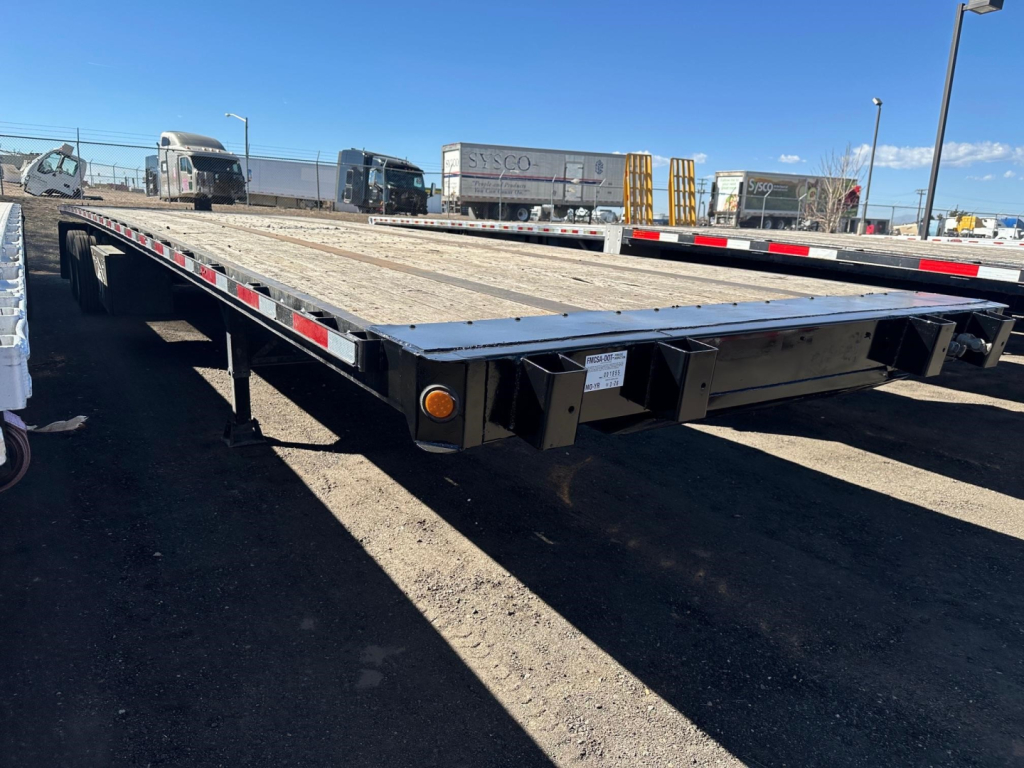
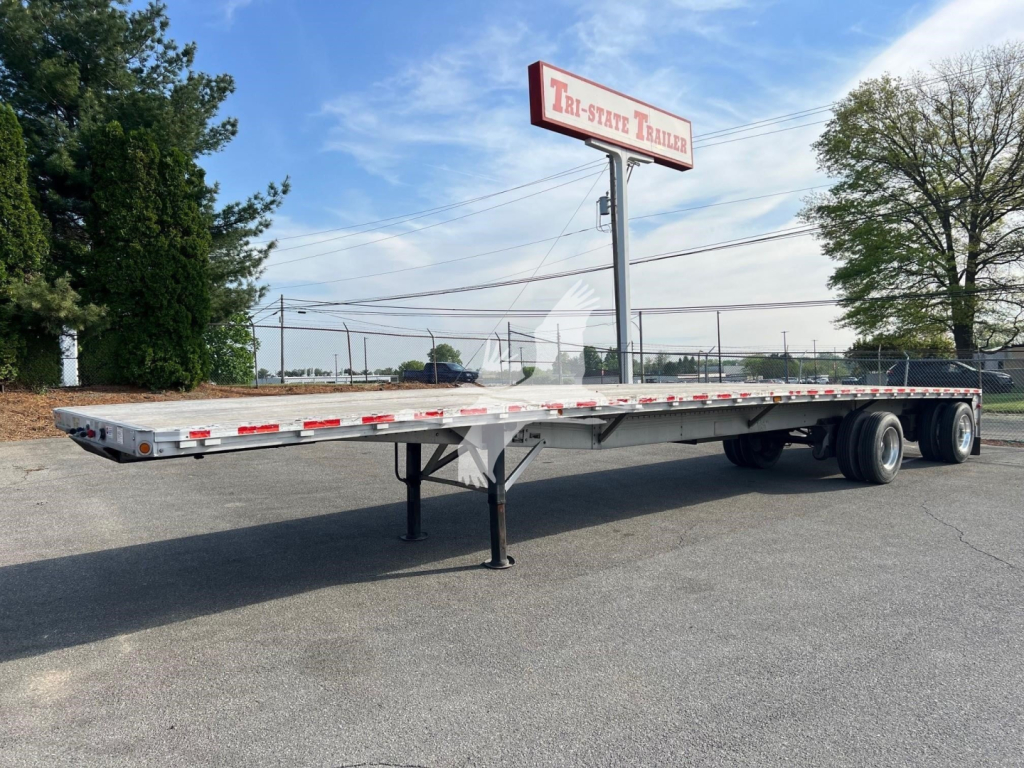
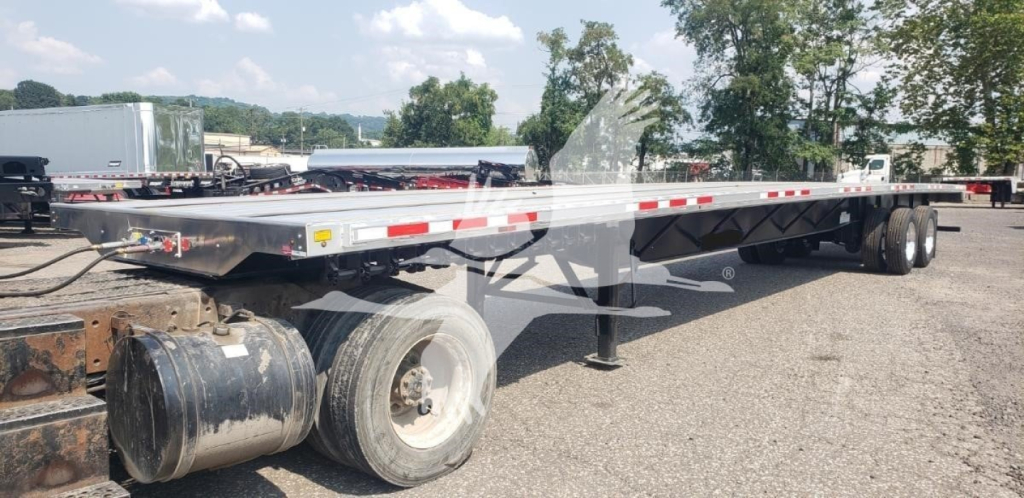
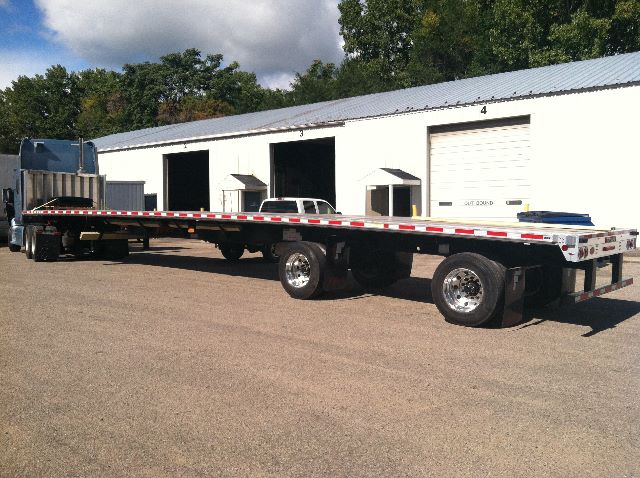
Selling a 2013 flatbed trailer? List your 2013 flatbed trailer for sale and reach thousands of commercial buyers.
2013 Flatbed Trailers
The first decision is usually construction type. An aluminum flatbed generally offers lower tare weight and more payload, which matters if you are hauling dense freight and trying to maximize legal capacity. A steel flatbed usually costs less up front and can be a practical choice for harder-use environments, though it carries more empty weight. Combo flatbeds split the difference with steel main beams and aluminum components. On a 2013 trailer, pay close attention to crossmember condition, side rail wear, floor integrity, and any signs of deck replacement or concentrated coil loading. Apitong floors, aluminum floors, nail strips, pipe spools, and winch tracks are all common features that affect how versatile the trailer will be day to day.
Axle configuration and suspension matter just as much as deck construction. Many 2013 flatbed trailers use tandem axles, while spread axle setups are common for added stability and bridge-law flexibility in some operations. Air ride suspension is preferred by many fleets for ride quality and cargo protection, while spring ride can be simpler and less expensive to maintain. Buyers should also review kingpin setting, slider position if equipped, tire size, wheel type, brake condition, and ABS status. If the trailer will handle steel coils, look for a coil package, extra crossmembers, and appropriate rated securement points. Sliding winches, full-length winch tracks, stake pockets, chain tie-downs, and bulkhead configuration all play directly into how quickly the trailer can be turned and what freight it can legally and safely secure.
A well-selected 2013 flatbed trailer still fits a wide range of freight lanes, especially for carriers that prioritize specification over model year. The key is matching the trailer to the load profile. Lighter aluminum units can improve revenue on weight-sensitive freight, while heavier steel or combo trailers may suit more punishing service. Buyers comparing listings should focus less on age alone and more on maintenance history, deck repairs, suspension condition, corrosion around the rear structure, and overall securement readiness. In this category, small spec differences often determine whether a trailer is merely usable or truly profitable.
Frequently Asked Questions about 2013 Flatbed Trailers
What should I inspect first on a used 2013 flatbed trailer?
Start with the main beams, crossmembers, side rails, and floor. These areas tell you how the trailer was loaded and whether it has been consistently overloaded, impacted by forklifts, or exposed to heavy corrosion. After the structure, inspect the suspension, axle alignment, brake components, wheel ends, tires, lights, and ABS system. On flatbeds, securement hardware matters too, so check stake pockets, winch tracks, sliding winches, chain slots, and pipe spools for wear or damage.
Is an aluminum, steel, or combo flatbed better for a 2013 model year?
The best choice depends on freight and operating cost priorities. Aluminum flatbeds usually provide lower empty weight and higher payload potential, which is valuable for dense freight. Steel flatbeds are often less expensive to buy and can hold up well in severe-duty applications, but they weigh more. Combo trailers balance durability and weight by using steel main beams with aluminum components. On a 2013 unit, condition is often more important than material alone, especially if repairs or corrosion have affected the trailer over time.
What length and axle setup are most common on 2013 flatbed trailers?
The most common lengths are 48 feet and 53 feet, usually at 102 inches wide. Tandem axle flatbeds are widely used, and spread axle configurations are also common, especially where bridge-law distribution and load stability are important. Spread axles can improve weight distribution for certain loads, but they may be less maneuverable in tight delivery environments. The right setup depends on your lanes, state regulations, and the type of freight you haul most often.
What is a coil package on a flatbed trailer, and do I need one?
A coil package is a reinforced section of the trailer designed to handle concentrated steel coil weight. It typically includes additional crossmembers, specialized load support, and securement provisions suited for hauling coils safely. If your operation includes steel hauling, especially coil-hauling in coil wells or on dedicated securement patterns, this is an important specification. If you haul general freight only, a coil package may not be necessary, but it can add flexibility for future work.
Can a 2013 flatbed trailer still be a good fleet trailer?
Yes, if it has the right specs and has been maintained correctly. Flatbed trailers often remain productive well past this model year when structural condition, suspension health, and deck integrity are still strong. Buyers should evaluate maintenance records, prior repairs, current tire and brake life, and the condition of all cargo securement points. A 2013 flatbed that matches your freight profile can still deliver solid service with a lower acquisition cost than newer equipment.