
2013 Flatbed Trailers For Sale in Pennsylvania
Shop 2013 flatbed trailers in Pennsylvania. Compare 48-foot specs, axle setups, deck materials, suspension types, and securement features.
Selling a 2013 flatbed trailer? List your 2013 flatbed trailer for sale and reach thousands of commercial buyers.
2013 Flatbed Trailers in Pennsylvania
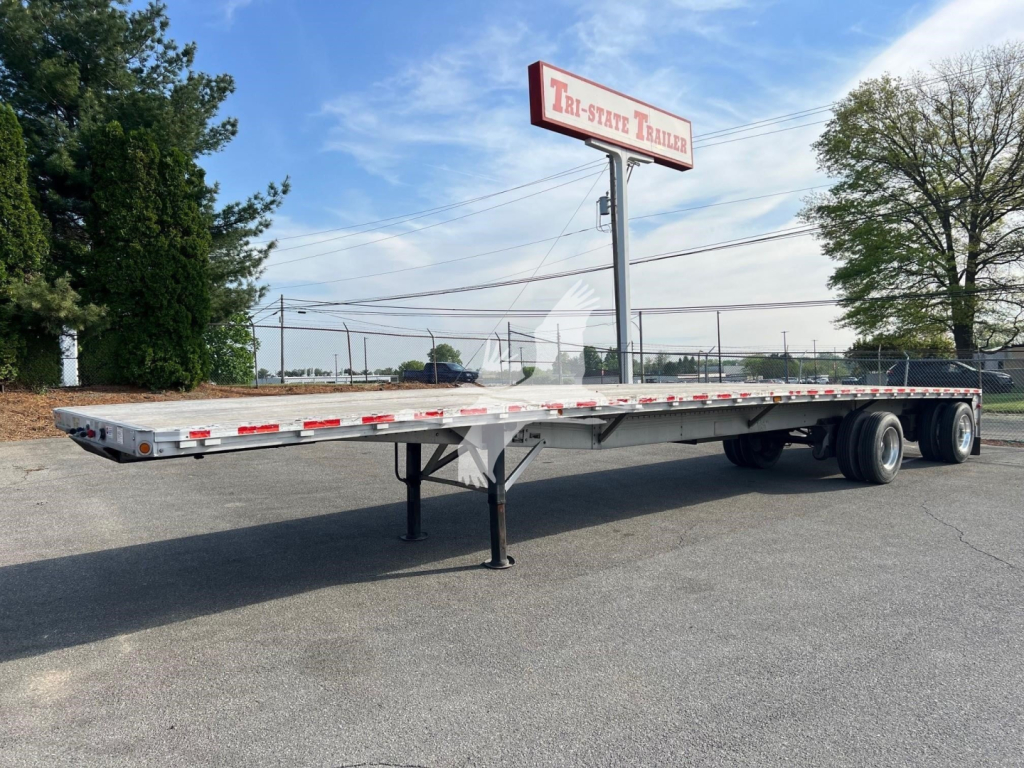
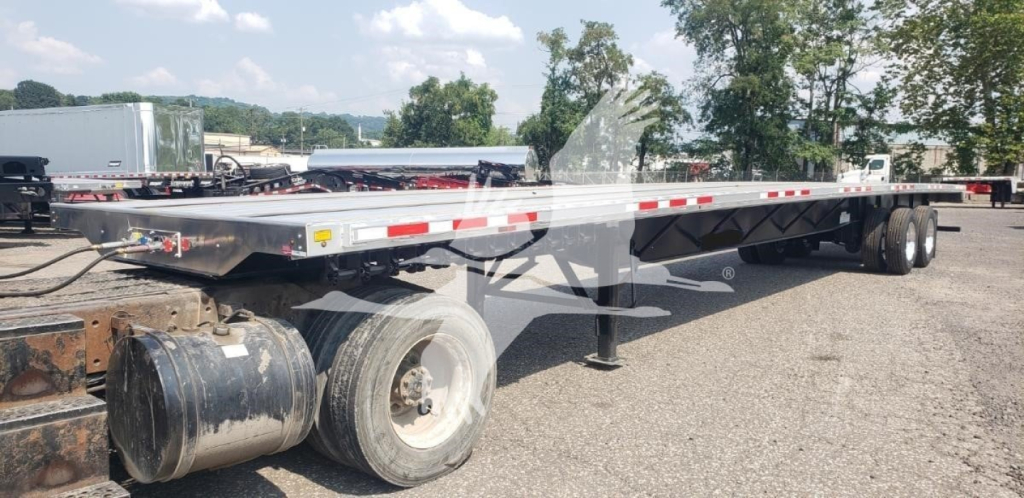
The first decision is usually trailer construction. Aluminum flatbeds generally offer lower tare weight and higher payload potential, which matters if you are hauling dense freight and trying to maximize legal net capacity. Steel flatbeds tend to appeal to buyers who prioritize durability, repair familiarity, and lower acquisition cost. Apitong wood floors remain common because they hold up well under forklifts and provide better traction than many alternative deck surfaces. Check crossmember spacing, side rail condition, and deck wear closely, especially on older trailers that may have seen concentrated loading from coils, forklifts, or machinery.
Suspension and axle setup matter more in daily operation than many buyers expect. A tandem axle spread or sliding tandem affects bridge law flexibility, maneuverability, and tire wear. Air ride can help protect fragile or higher-value freight, while spring ride is simpler and often cheaper to maintain. Look at kingpin setting, landing gear condition, brake type, wheel-end service history, and tire size consistency across the trailer. Securement equipment is just as important. Many flatbeds are equipped with winch tracks, sliding winches, pipe spools, rub rails, stake pockets, and chain tie-down points. If the trailer will handle steel coils, verify whether it has a coil package or coil well and inspect that area for structural wear.
For Pennsylvania buyers, corrosion and frame condition deserve extra attention because road salt and winter service can shorten the life of wiring, lighting, brake components, and exposed steel. Inspect the underside for rust around crossmembers, suspension hangers, slider boxes, and rear impact guard areas. A well-kept 2013 flatbed can still be a productive trailer if the structure is sound and the securement layout matches the lanes you run. The best value is usually found by matching deck type, tare weight, suspension, and tie-down configuration to the freight you haul most often, not by shopping on age alone.
Frequently Asked Questions about 2013 Flatbed Trailers in Pennsylvania
What are the most common specs on a 2013 flatbed trailer?
Most 2013 flatbed trailers are 48 feet long and 102 inches wide with tandem axles. Common configurations include aluminum or steel construction, Apitong wood flooring, sliding winches, rub rails, stake pockets, and either air ride or spring ride suspension. Actual tare weight, axle spread, kingpin setting, and crossmember spacing can vary by manufacturer and original application.
Is an aluminum or steel 2013 flatbed better?
It depends on the freight and operating priorities. Aluminum flatbeds usually weigh less, which helps maximize payload and improve fuel economy. Steel flatbeds are often less expensive to buy and can be attractive for buyers who value ruggedness and straightforward repairs. The better choice comes down to your typical cargo, maintenance approach, and how important tare weight is in your operation.
What should I inspect on a used 2013 flatbed trailer?
Focus on structural condition first. Inspect the frame, crossmembers, side rails, suspension mounts, slider assembly, landing gear, and rear impact guard for cracks, rust, or repairs. Check the deck for rot, broken boards, or forklift damage. Review brakes, tires, wheel ends, lights, wiring, and air system condition. Securement hardware such as winch tracks, stake pockets, rub rails, and chain tie-down points should also be checked for wear or deformation.
Do all flatbed trailers have coil packages?
No. Some flatbeds are built with a coil package or coil well, while others are set up for more general open-deck freight. If you plan to haul steel coils, this feature matters because it affects load placement and securement. Buyers hauling mixed freight should verify that the trailer's deck and securement layout support both coil work and standard palletized or bundled loads.
Why does suspension type matter on a flatbed trailer?
Suspension affects ride quality, maintenance cost, and freight protection. Air ride is often preferred for more sensitive cargo because it provides a smoother ride and can reduce shock to the load. Spring ride is mechanically simpler and can be less expensive to maintain. The right suspension depends on the roads you run, the cargo you carry, and how much importance you place on ride quality versus simplicity.