
2013 Utility Trailers For Sale
Browse 2013 Utility trailers, including dry van, reefer, flatbed, and specialty models built for freight efficiency and durable service.

Selling a 2013 utility trailer? List your 2013 utility trailer for sale and reach thousands of commercial buyers.
2013 Utility Trailers
For dry van applications, many 2013 Utility trailers were built around high-cube 53-foot by 102-inch dimensions with swing doors, wood floors, logistics posts, scuff liners, and sliding tandem suspension setups. Buyers should pay close attention to floor condition, roof integrity, door frame wear, and sidewall repairs, especially on trailers that spent years in high-cycle dock service. Suspension type, axle spread, wheel-end spec, and tire size also matter because they affect maintenance costs and bridge compliance. If aerodynamic equipment like side skirts is already installed, that can be a plus for fleets focused on fuel economy.
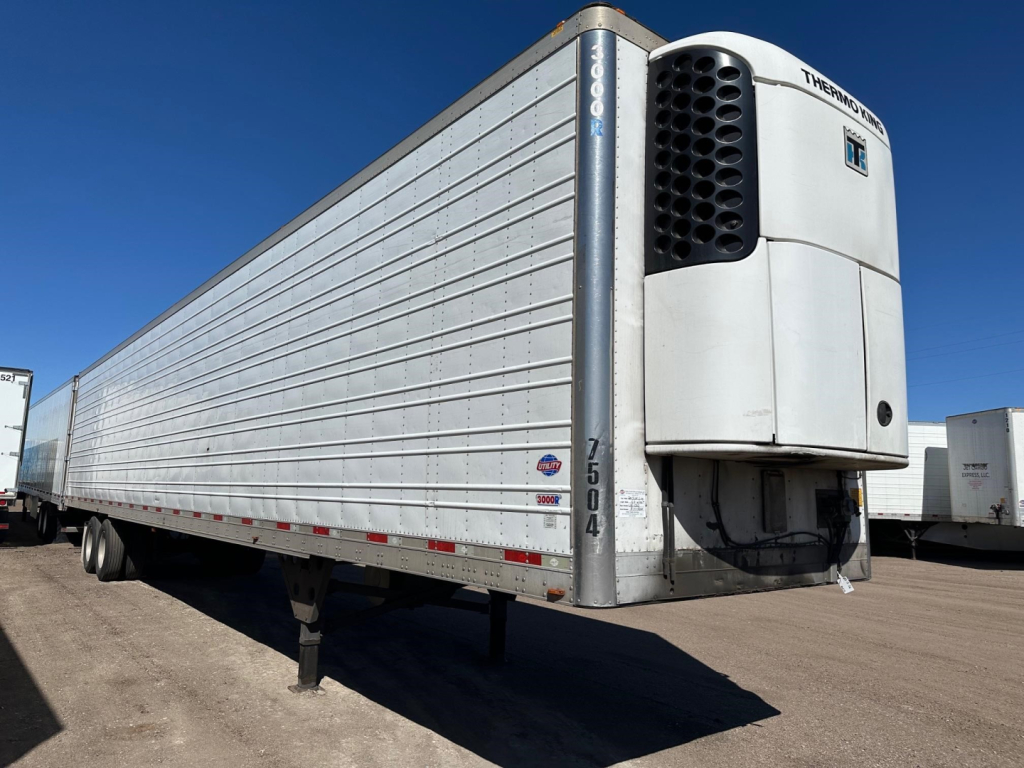
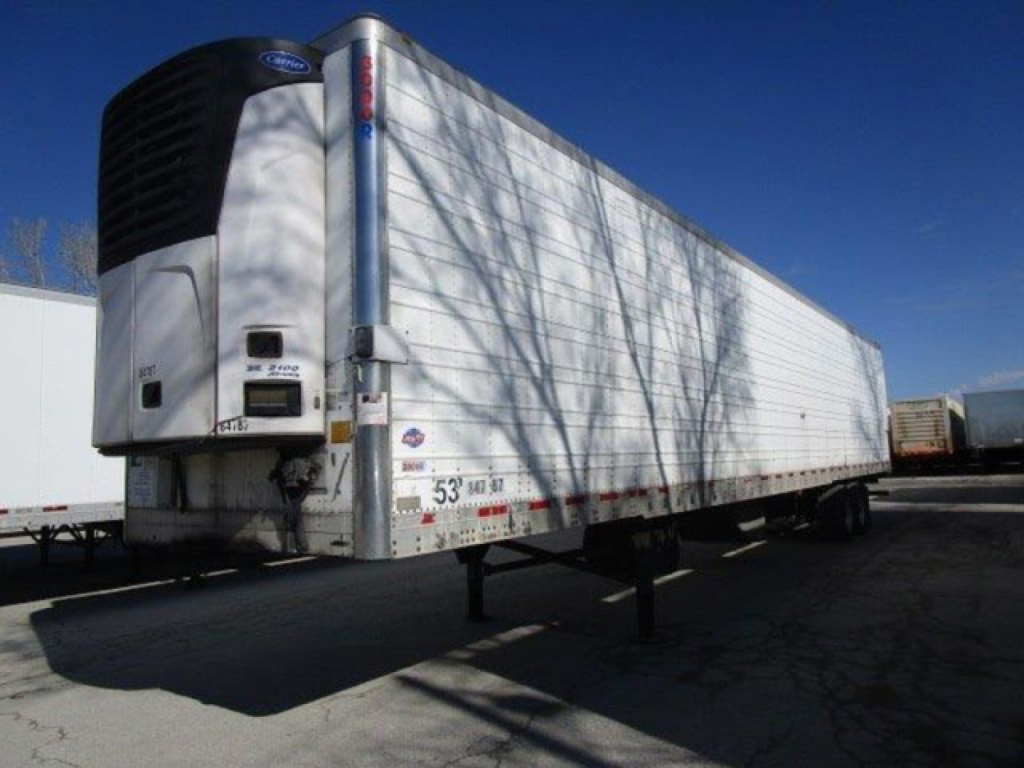
In refrigerated service, Utility reefer trailers from this era are often associated with the 3000R line and similar insulated platforms designed for grocery, produce, and temperature-controlled freight. Important checkpoints include reefer unit hours, bulkhead condition, chute and duct floor integrity, door seal performance, and evidence of moisture intrusion or insulated wall damage. Buyers should also verify the cooling unit model, service history, and whether the trailer is set up for multi-temp work or standard single-zone hauling. A clean reefer body with sound insulation and a documented maintenance record usually matters more than cosmetic appearance alone.
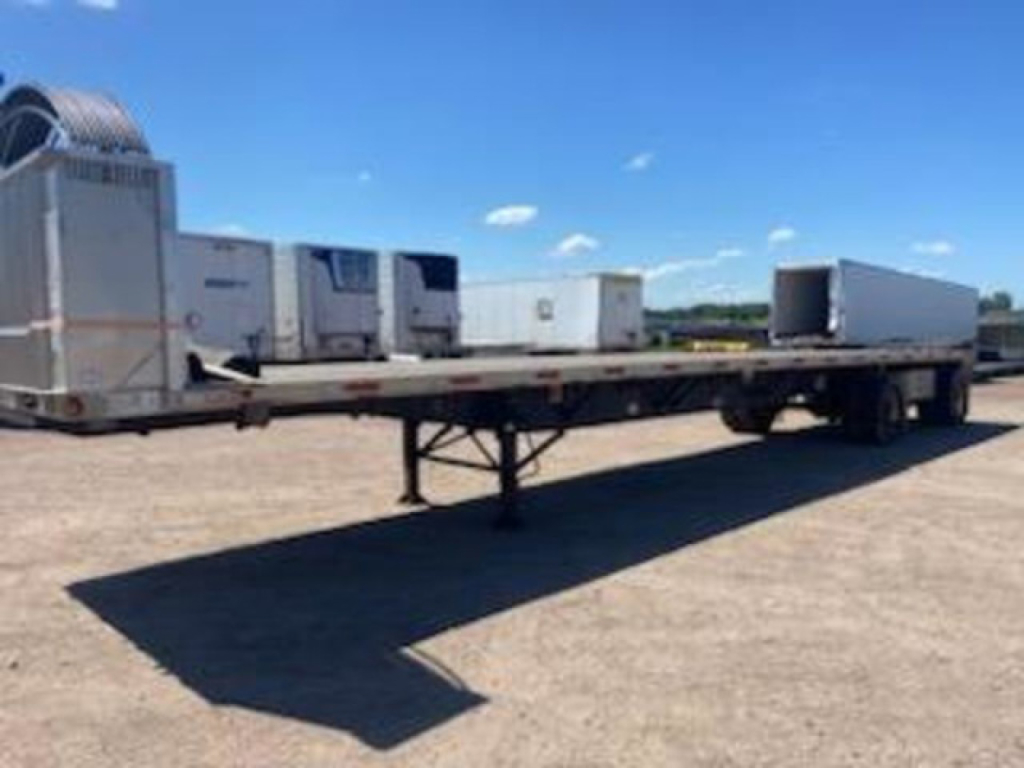
Utility flatbeds and specialty trailers from this period can also be attractive for regional construction, steel, machinery, or waste applications. On flatbeds, review deck condition, crossmember spacing, main beam wear, coil package equipment, winch track setup, and whether the axle arrangement is fixed or sliding. On specialty bodies such as roll-off or pup configurations, capacity, frame condition, hoist compatibility, tongue length, and state length rules become more important than generic trailer specs. Across all 2013 Utility trailers, a careful buyer should look at VIN history, prior fleet use, brake and suspension wear, and signs of structural repair around the kingpin, landing gear mounts, rear frame, and tandem slider rails.
Frequently Asked Questions about 2013 Utility Trailers
What types of 2013 Utility trailers are most common on the used market?
The most common 2013 Utility trailers on the used market are dry vans and refrigerated trailers, especially 53-foot fleet-spec units. Utility also produced flatbeds and some specialty trailer configurations, but van and reefer models usually make up the largest share. Dry vans are popular for general freight, parcel, and retail distribution, while reefer trailers are common in foodservice, produce, and cold-chain freight.
What should I inspect first on a used 2013 Utility dry van trailer?
Start with the floor, roof, rear frame, and tandem slider area because those are high-wear structural points on a van trailer. Check for soft floor sections, patched crossmembers, roof leaks, damaged scuff liners, and door alignment issues. It is also smart to inspect brakes, suspension components, tire wear patterns, and the kingpin area for signs of cracking or heavy repair. A dry van with sound structure is usually a better buy than one with cosmetic appeal but hidden dock and floor damage.
Is a 2013 Utility reefer trailer still a good choice for temperature-controlled freight?
A 2013 Utility reefer trailer can still be a solid choice if the insulated body is sound and the refrigeration unit has been maintained properly. The trailer body condition is critical because damaged insulation, worn door seals, or floor problems can hurt temperature performance even if the unit still runs. Buyers should review reefer engine hours, service records, unit model support, and the condition of the duct floor, bulkhead, and chute before committing.
Are 2013 Utility trailers good for fleet use or better for owner-operators?
They can work well for both, depending on condition and spec. Fleets often like Utility trailers because parts support is strong and many units were built in standardized configurations that simplify maintenance. Owner-operators and smaller carriers often like them for the same reason, especially when they want a recognizable brand with predictable resale value. The better question is whether the trailer's axle setup, body style, and freight equipment match the operation.
Do 2013 Utility trailers usually have sliding tandems?
Many 2013 Utility van and reefer trailers were built with sliding tandem configurations, especially trailers intended for over-the-road freight. A sliding tandem helps with bridge law compliance, weight distribution, and dock flexibility. However, not every trailer will have the same slider rail condition or axle travel range, so buyers should inspect the locking pins, rail wear, and alignment rather than assuming all sliding tandems are equal.