
Used 2020 Commercial Trucks For Sale in Florida
Browse used 2020 trucks for sale in Florida, including day cabs, sleepers, cab and chassis, and vocational trucks for regional or heavy-duty work.
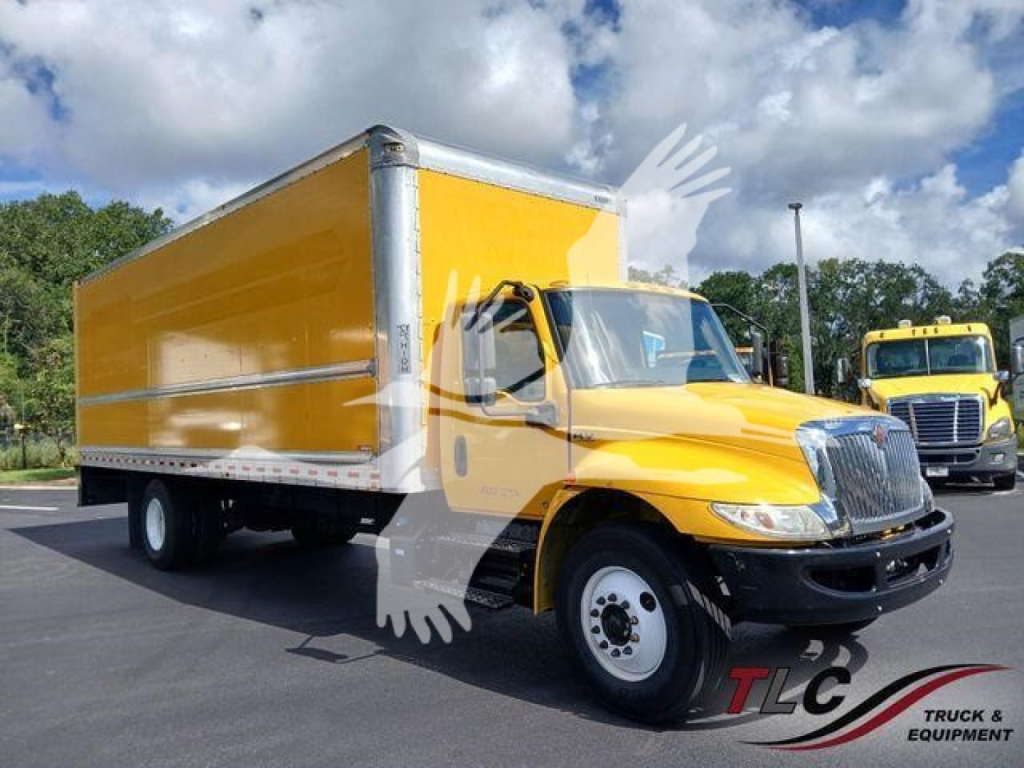
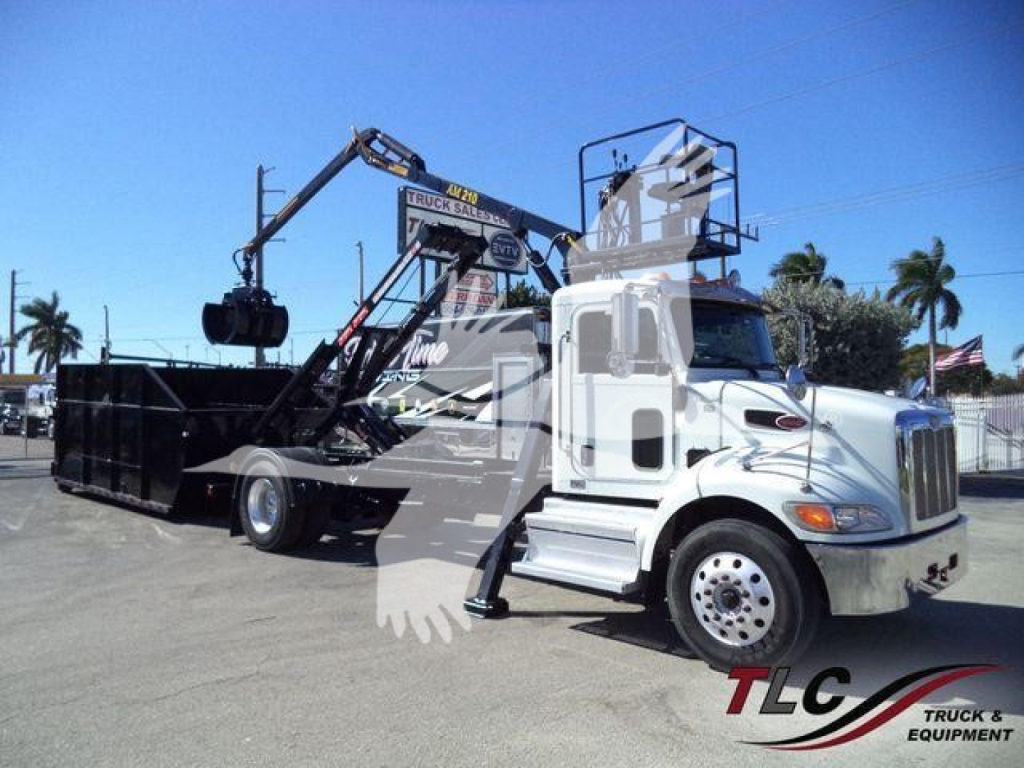
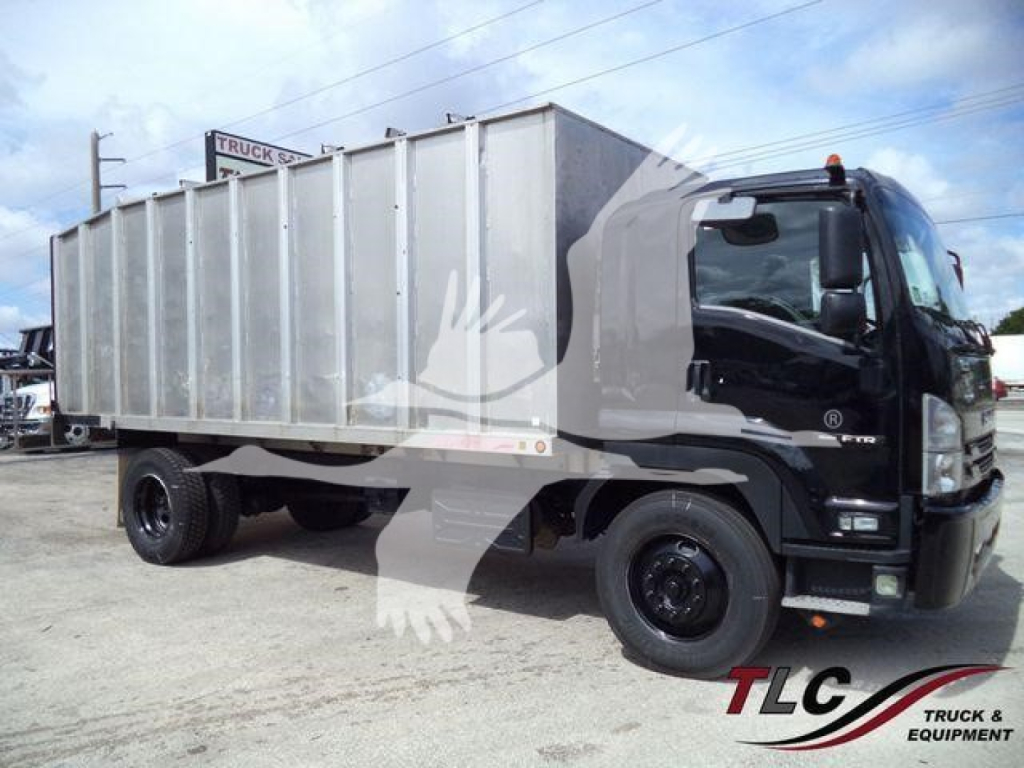
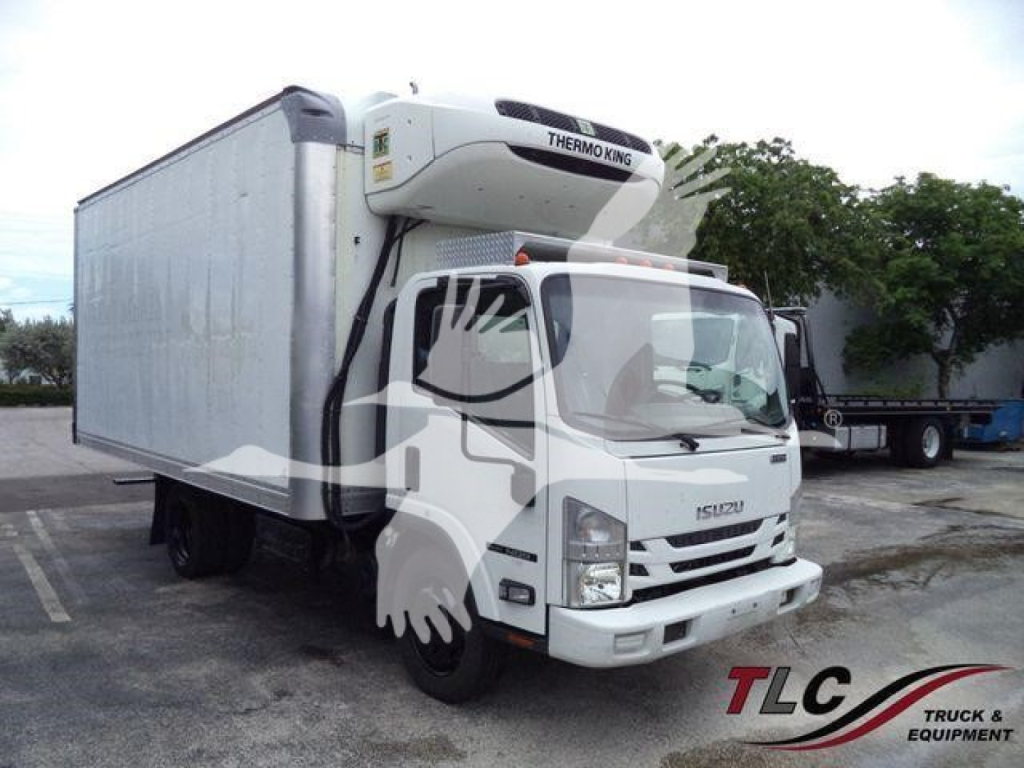
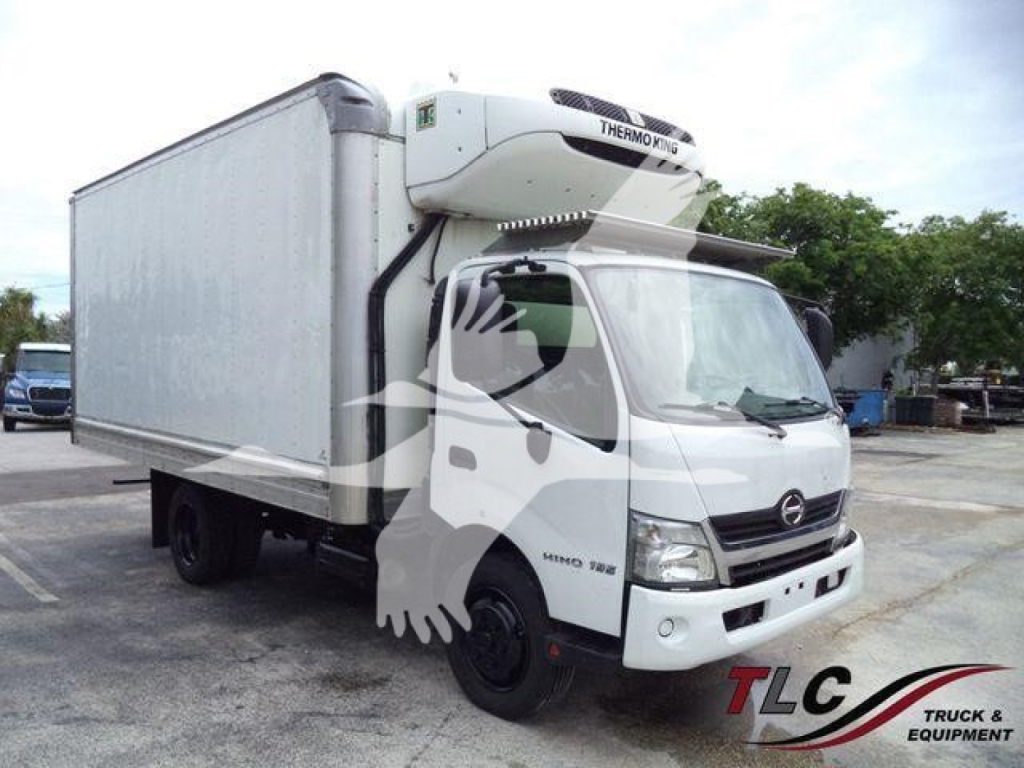
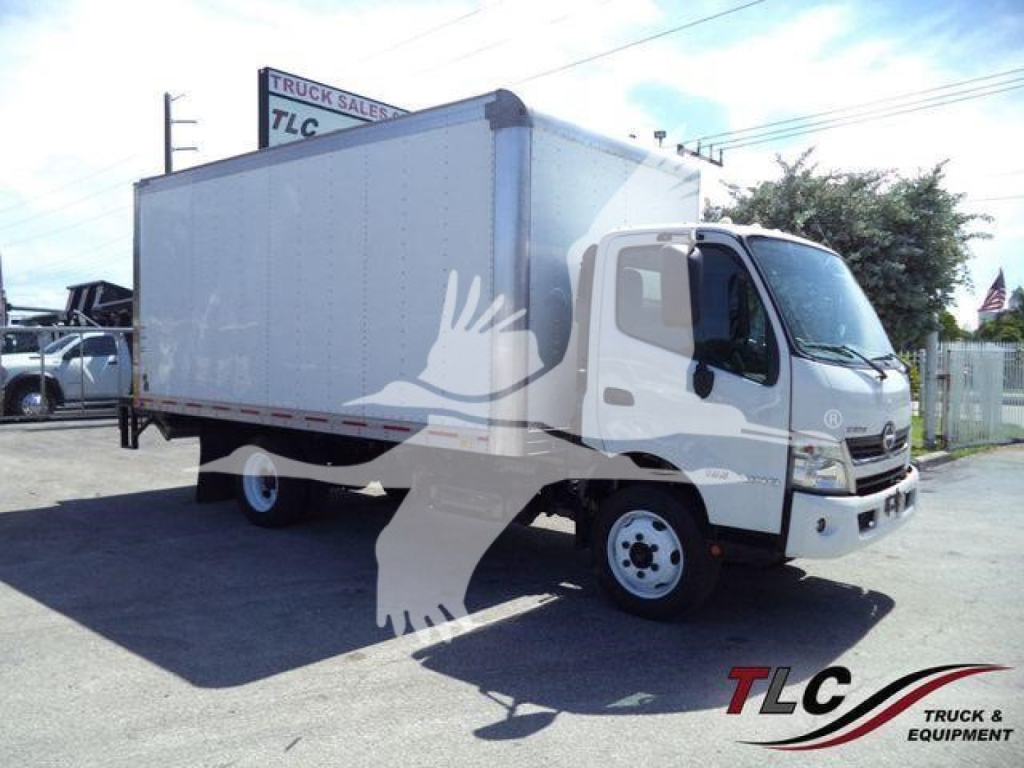
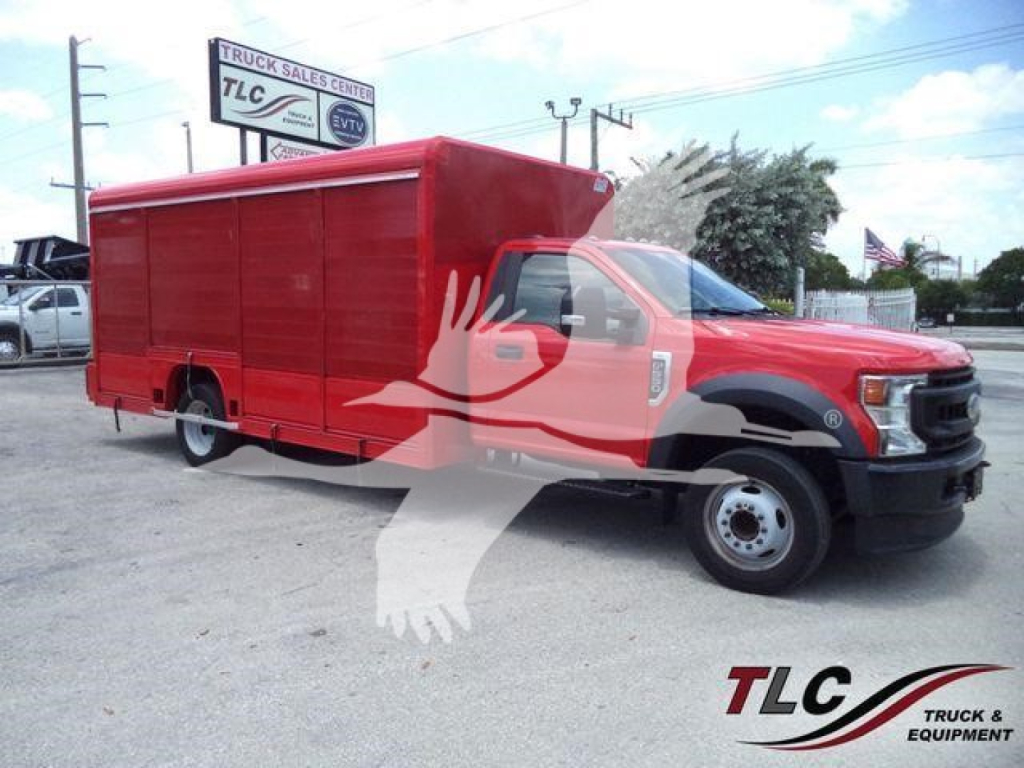
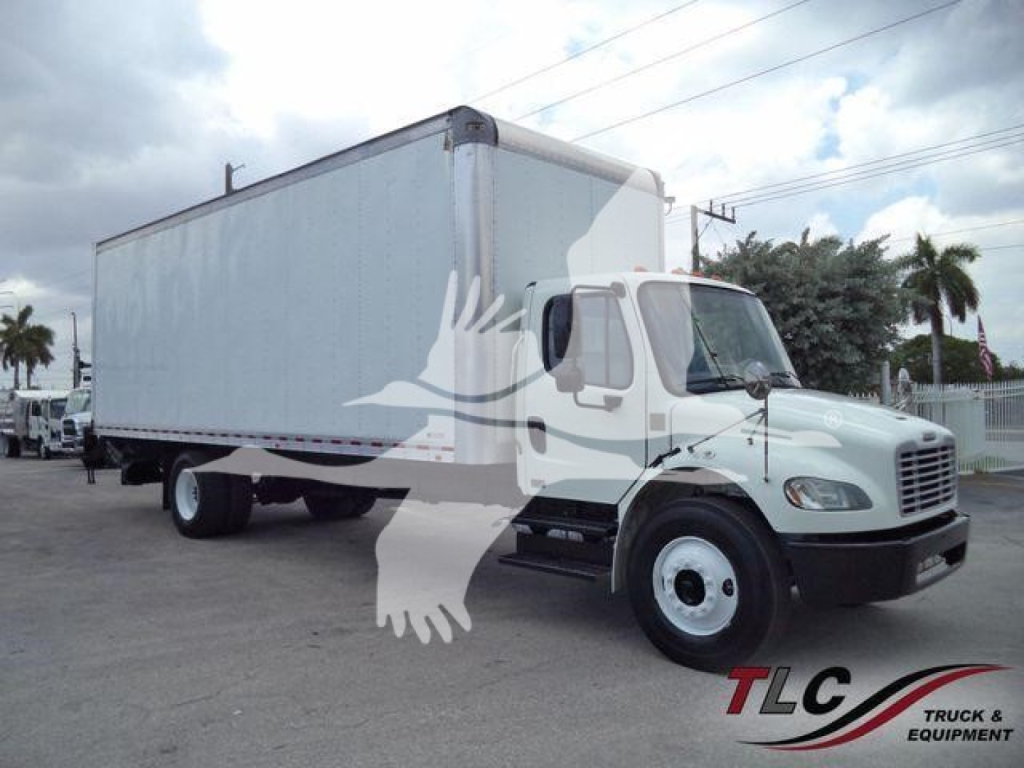
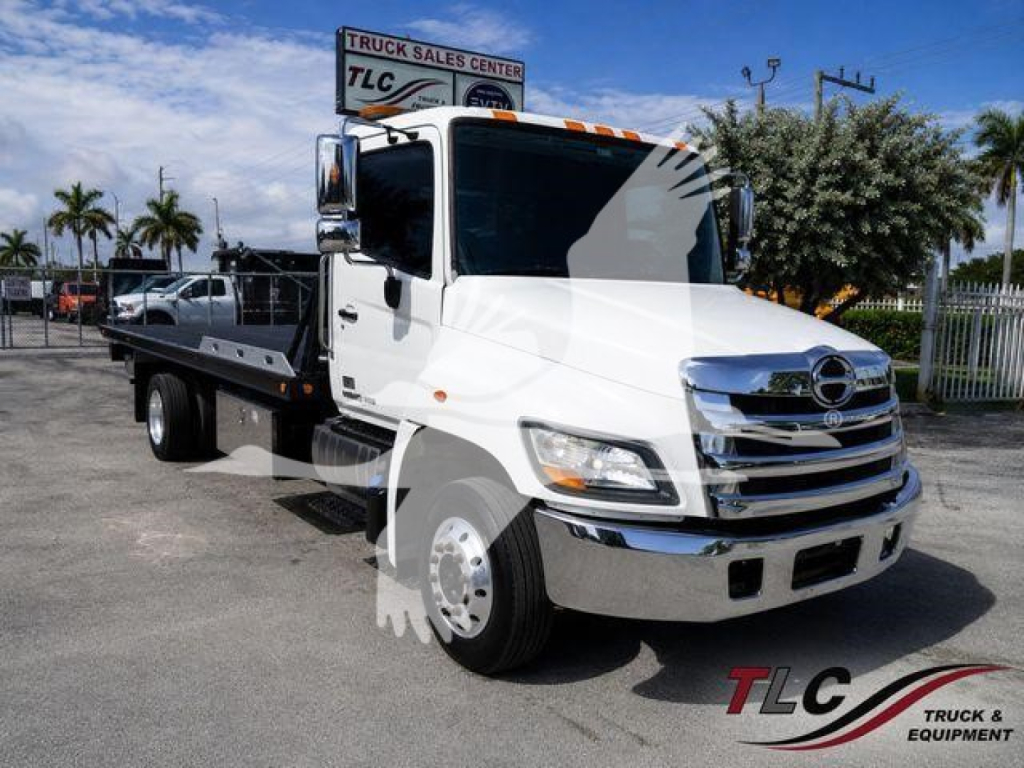
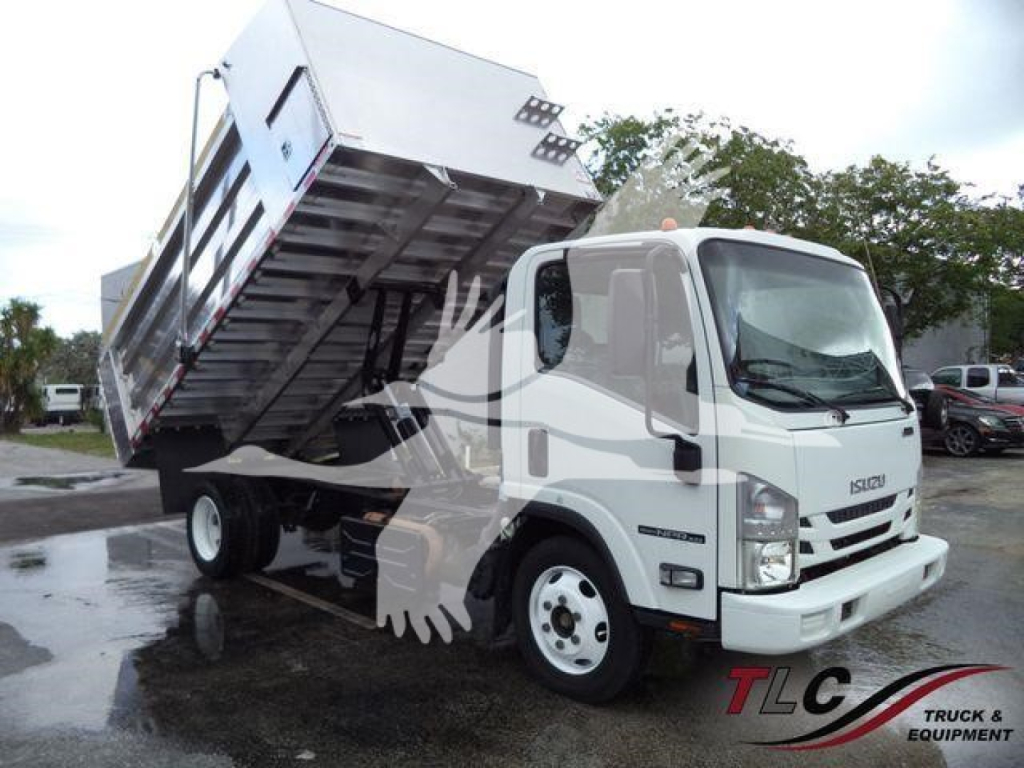
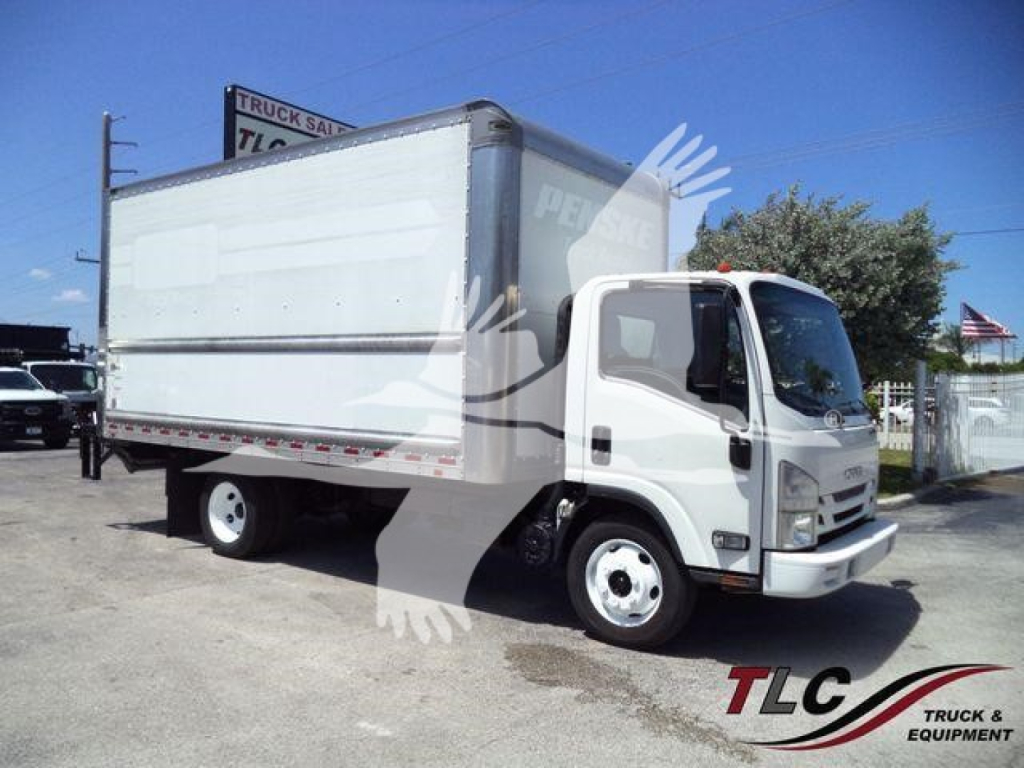
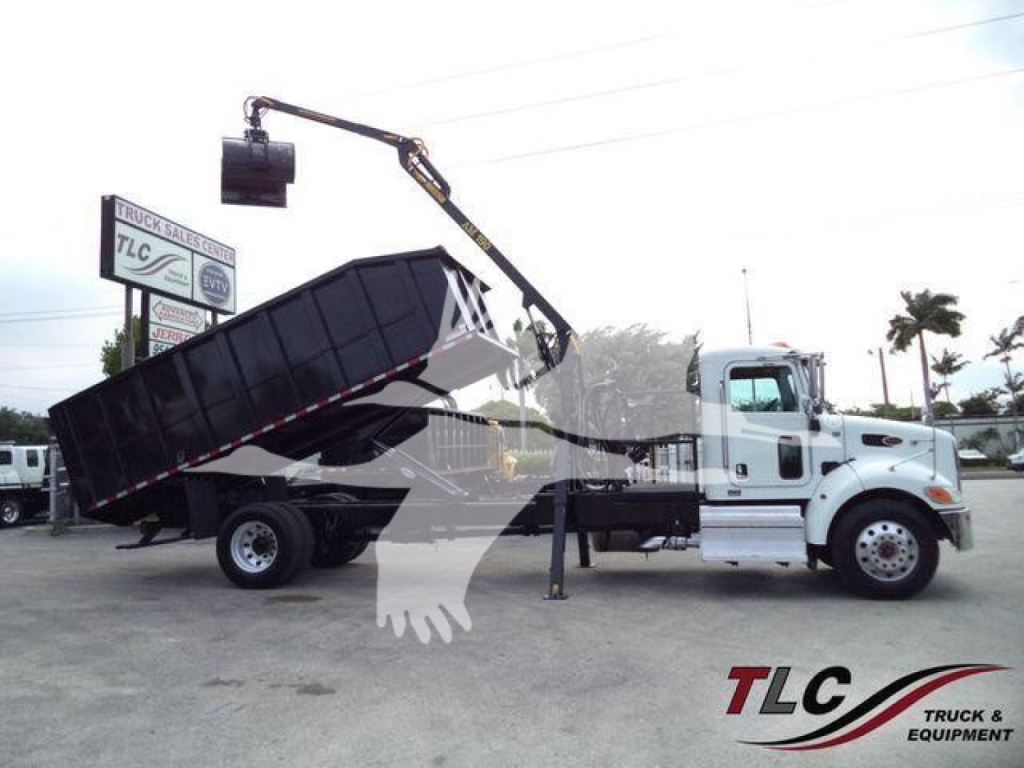
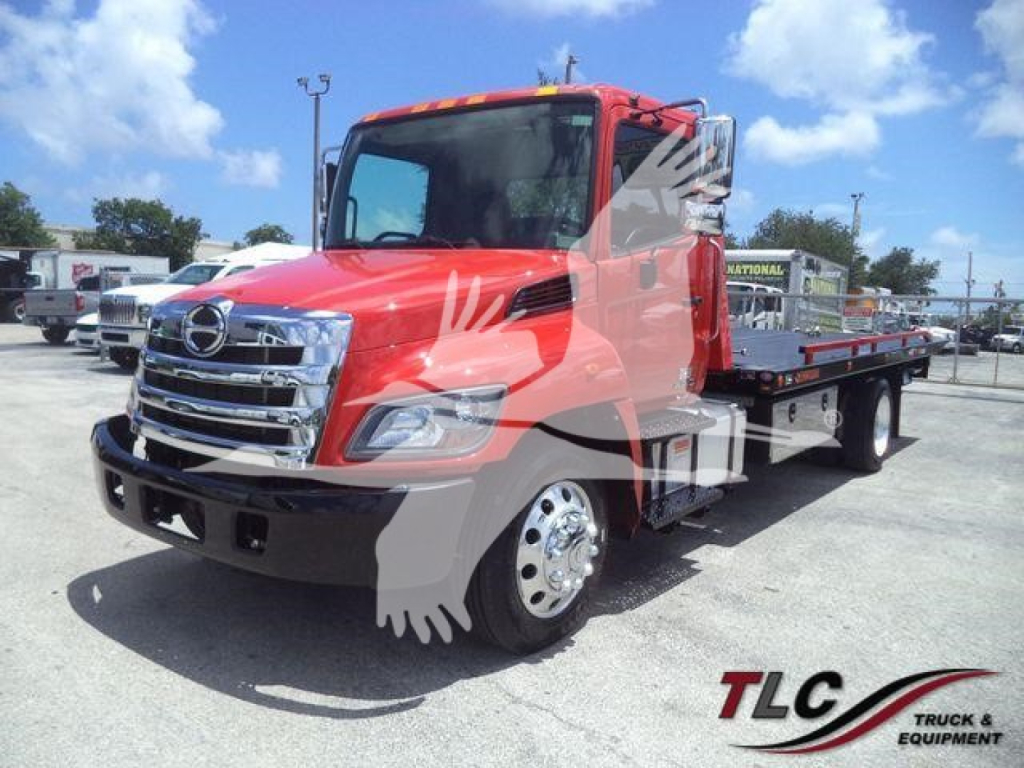
2020 Hino 268A
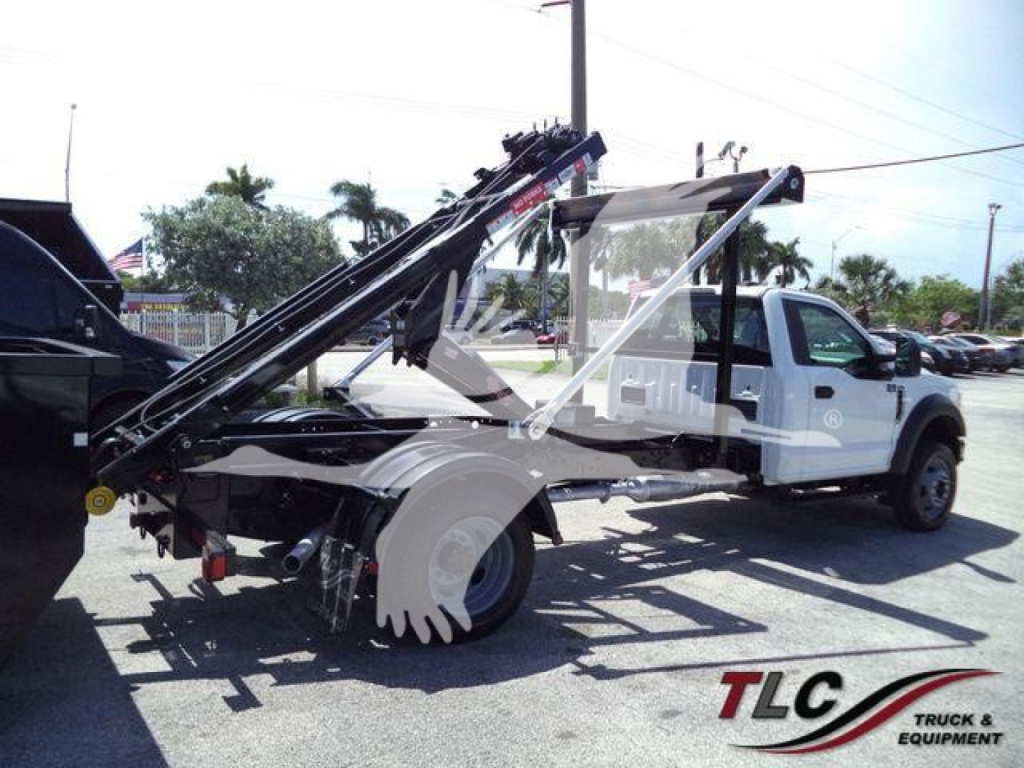
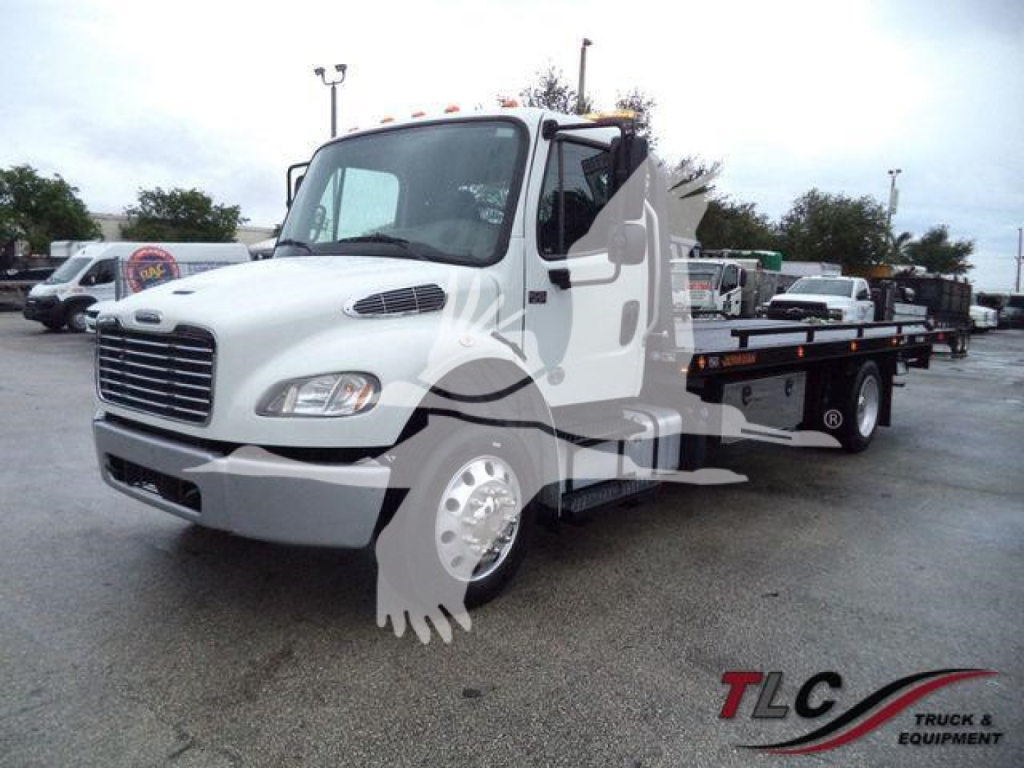
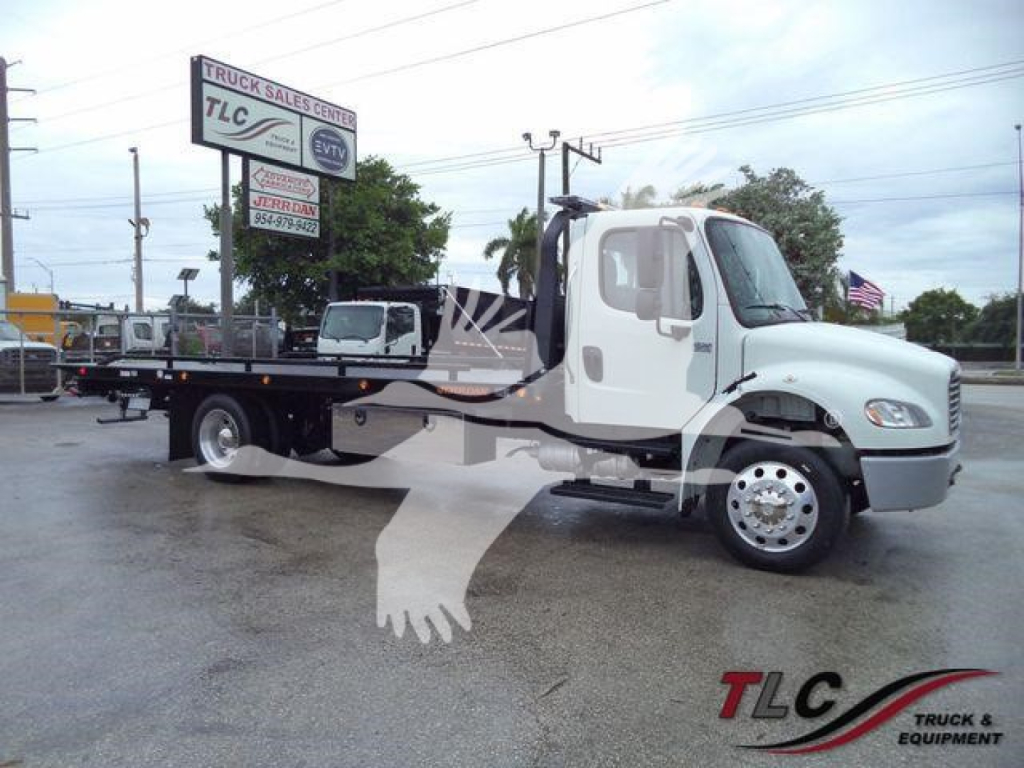
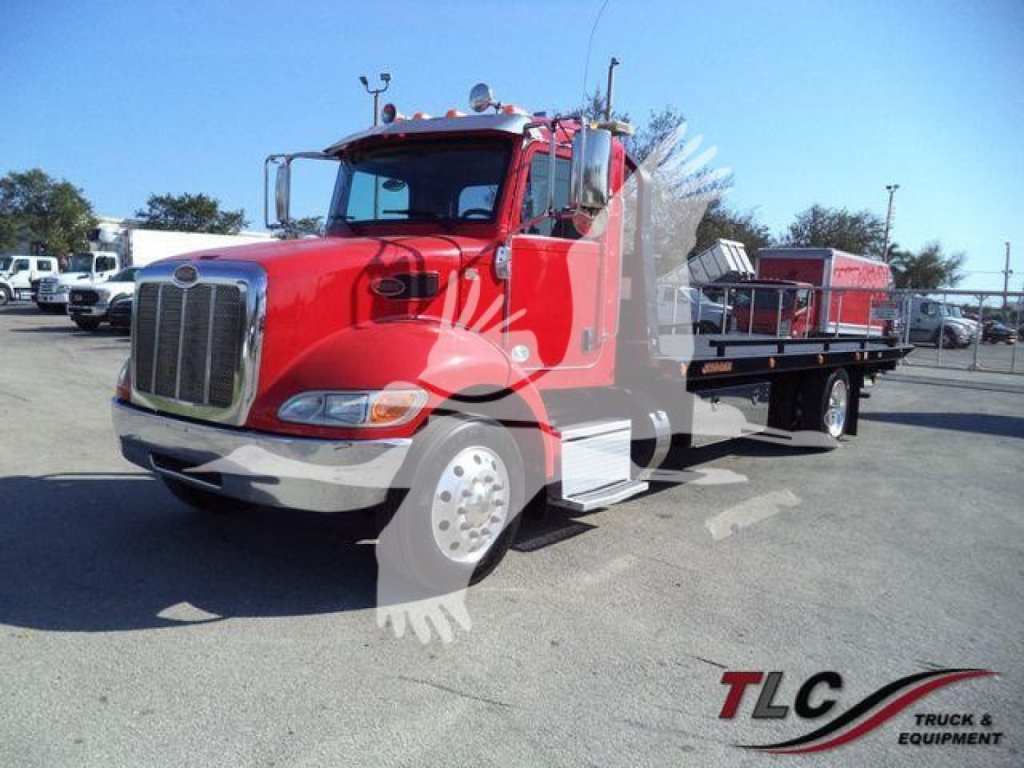
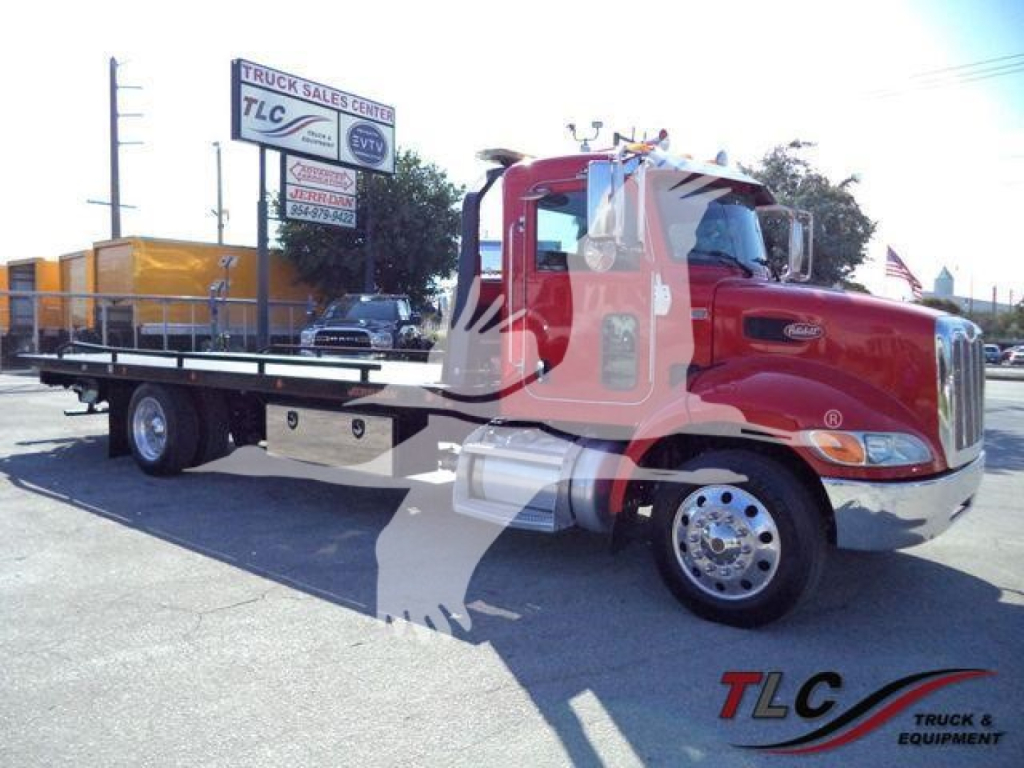
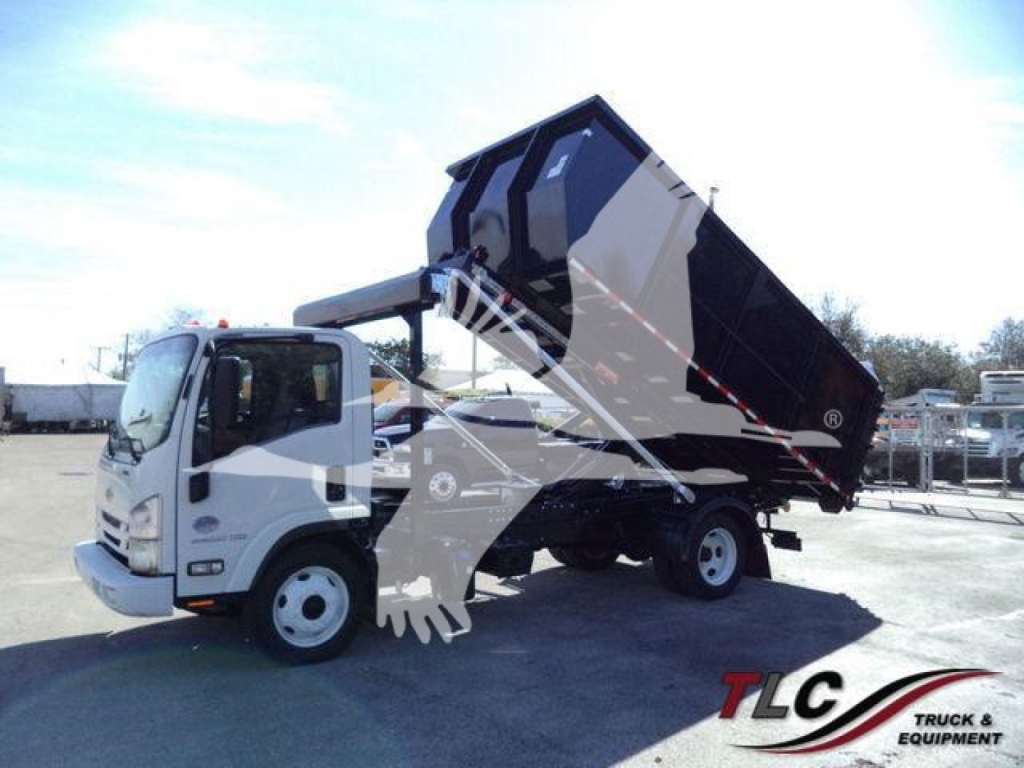
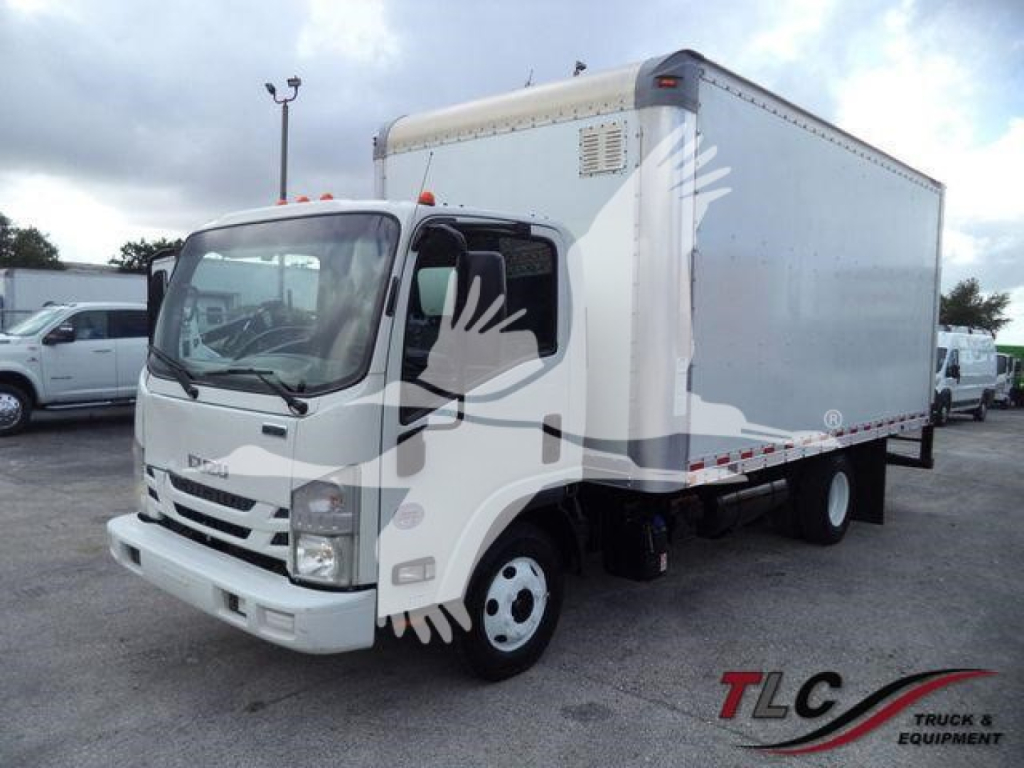
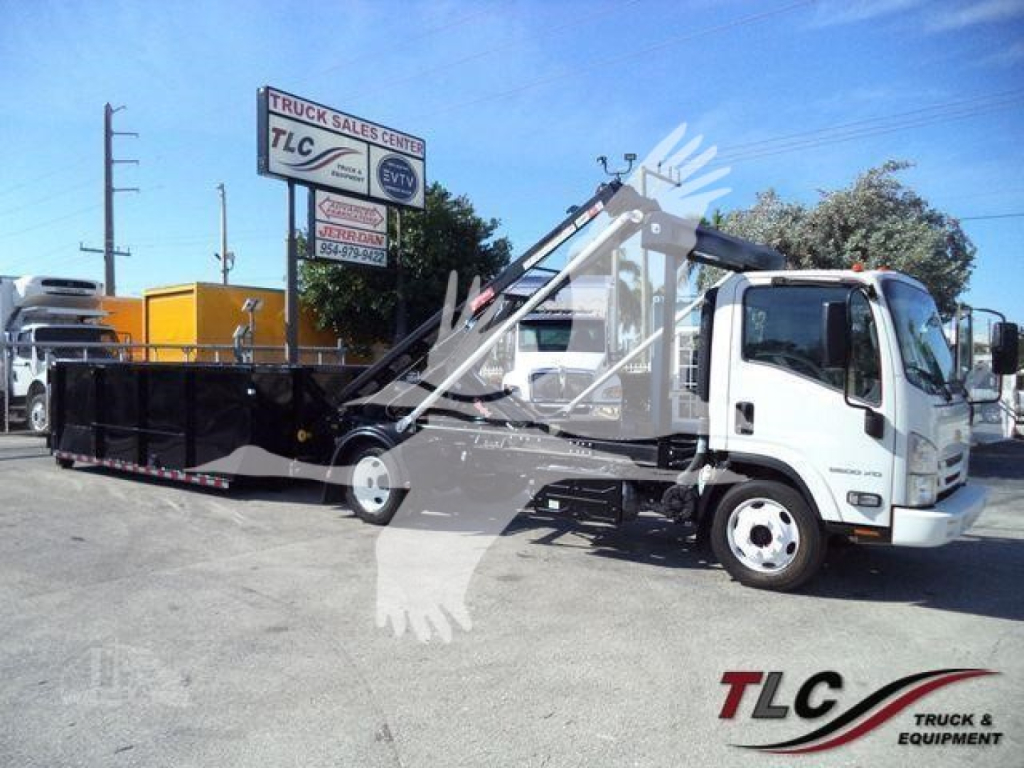
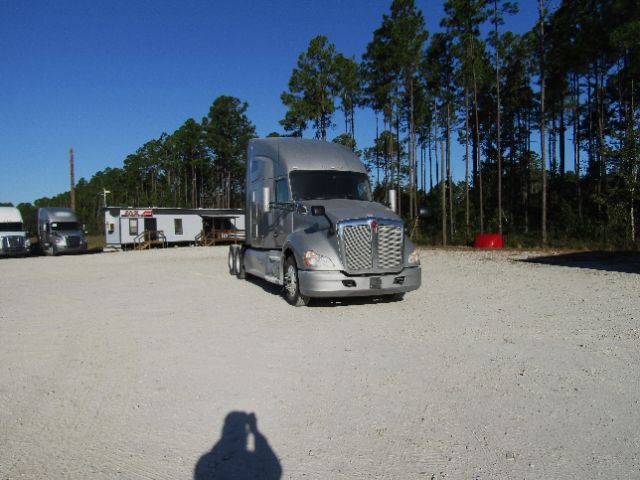
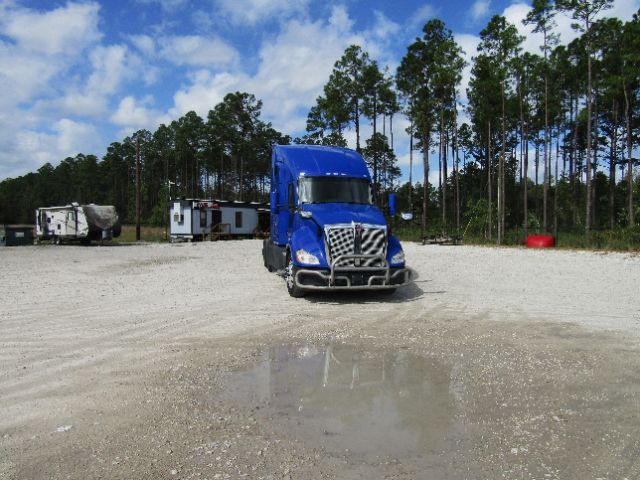
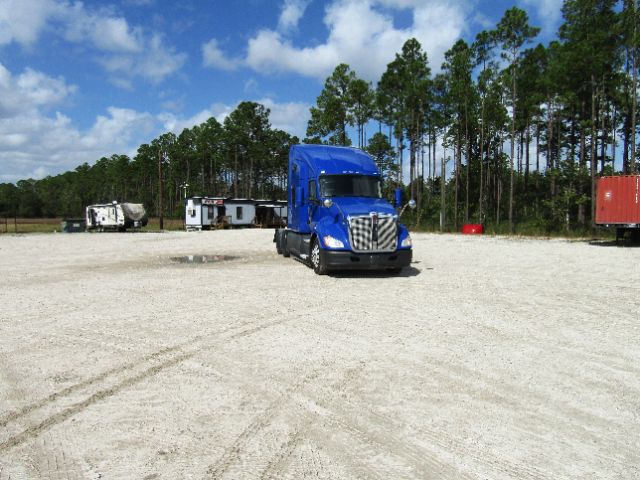
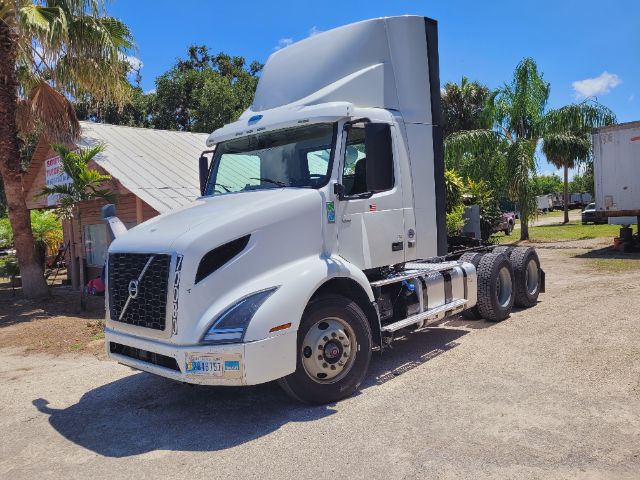
Showing 29 to 56 of 57 results
Selling a used 2020 commercial truck? List your used 2020 commercial truck for sale and reach thousands of commercial buyers.
Used 2020 Commercial Trucks in Florida
The first decision is usually truck class and duty cycle. For over-the-road use, many 2020 sleepers and day cabs came with 12 to 13 liter diesel engines, automated manual transmissions, 40,000 lb rear axles, and highway ratios in the low-2s for fuel economy. Buyers should compare horsepower, torque, wheelbase, sleeper size, and fifth wheel setup based on lane, trailer length, and payload. A Florida fleet running flat terrain may prioritize fuel mileage and taller gearing, while heavier regional freight or stop-and-go work can justify a more aggressive rear ratio, engine brake performance, and suspension spec. On cab and chassis or vocational trucks, PTO compatibility, frame length, axle ratings, hydraulic capacity, and body upfit history are often more important than cosmetic condition.
Because these are used 2020 trucks, inspection focus should be on service history and emissions performance. By this point, a truck may have enough miles or engine hours for recurring wear items to show up, especially on EGR, DPF, SCR, coolant, suspension, and aftertreatment components. Check for idle hours, fault code history, regen frequency, transmission calibration updates, brake type, tire wear pattern, and any signs of frame modification. In Florida, coastal exposure also matters. Corrosion is usually less severe than in northern salt states, but buyers should still look closely at wiring, battery boxes, air tanks, crossmembers, and trailer electrical connections, especially on trucks that have worked near ports or marine environments.
A well-matched 2020 truck can still deliver strong value if the spec fits the job. Day cabs are common for port, regional, and dedicated lane work. Sleeper trucks remain the better choice for team operations or longer dispatch windows. Cab and chassis units give buyers flexibility for flatbed, rollback, dump, reefer body, utility, or tanker-style upfits. Vocational trucks often hinge on the body and auxiliary equipment as much as the chassis itself, so pump hours, blower condition, hydraulic systems, and tank or body integrity deserve the same attention as engine and drivetrain. The right buy is usually the truck with the cleanest maintenance story, the correct axle and wheelbase combination, and a spec that does not force compromises in the field.
Frequently Asked Questions about Used 2020 Commercial Trucks in Florida
What should I look for first when buying a used 2020 truck in Florida?
Start with the truck’s intended application, then verify that the axle ratings, wheelbase, engine, transmission, and suspension match that job. After that, review maintenance records, engine hours, idle time, and any aftertreatment repairs. In Florida, it is also smart to inspect for corrosion around wiring, air system components, battery boxes, and chassis hardware on trucks that may have worked near coastal areas or ports.
Are 2020 model trucks a good value for fleet and owner-operator buyers?
Yes, 2020 model trucks can offer strong value because they are new enough to include modern drivability, safety, and fuel-efficiency improvements, but old enough to be priced below newer late-model units. The key is not the model year alone. Value depends on miles, hours, maintenance discipline, emissions system condition, and whether the truck was originally spec’d for the same kind of work you plan to do.
What engine and drivetrain specs are common on used 2020 highway trucks?
Many 2020 highway tractors were built with 12 to 13 liter diesel engines, automated manual transmissions, air ride suspension, and tandem rear axles rated around 40,000 lbs. Horsepower commonly falls in the low-400 to mid-400 range, with fuel-economy rear ratios often in the 2.47 to 2.64 range for linehaul work. Exact specs vary by make, region, and original fleet application, so buyers should confirm gearing and wheelbase instead of assuming all tractors of the same model are built alike.
How is buying a used 2020 vocational truck different from buying a highway tractor?
On a vocational truck, the body and auxiliary equipment can be just as important as the chassis. A vacuum truck, dump truck, service truck, or municipal unit should be evaluated for pump or blower hours, PTO function, hydraulic performance, tank or body condition, hose reels, controls, and frame integrity. A highway tractor is usually judged more on drivetrain efficiency, sleeper or day cab configuration, and fifth wheel setup, while vocational units require a more complete inspection of the working system attached to the truck.
Is mileage the most important factor on a used 2020 truck?
Mileage matters, but it should never be viewed by itself. A lower-mile truck with poor service history, excessive idle time, or repeated emissions problems may be a worse buy than a higher-mile truck with documented maintenance and consistent fleet care. Buyers should weigh mileage together with engine hours, fault codes, service intervals, brake and tire condition, and signs that the truck was operated within its intended duty cycle.