
Used 2020 Hino Trucks For Sale in Florida
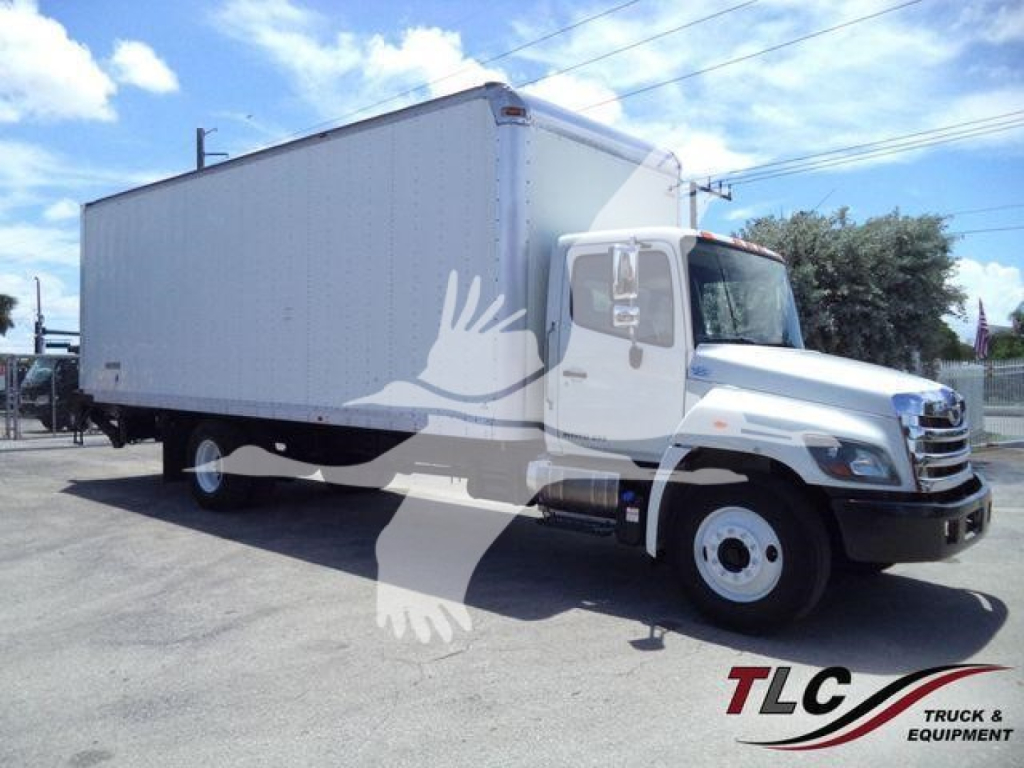
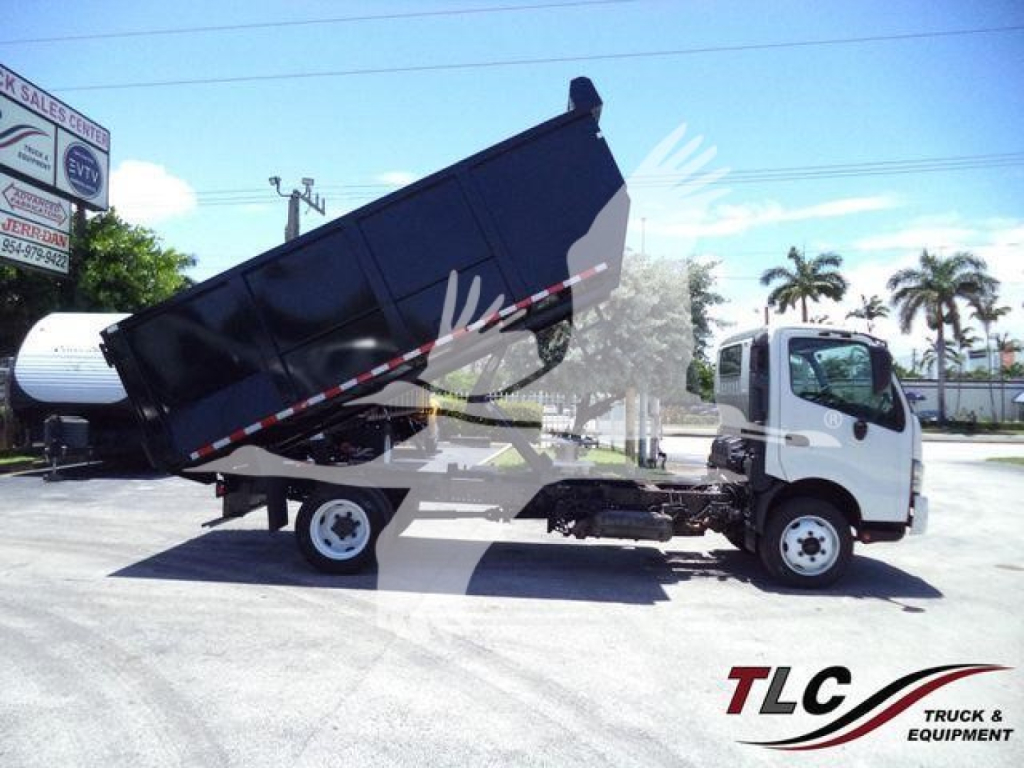
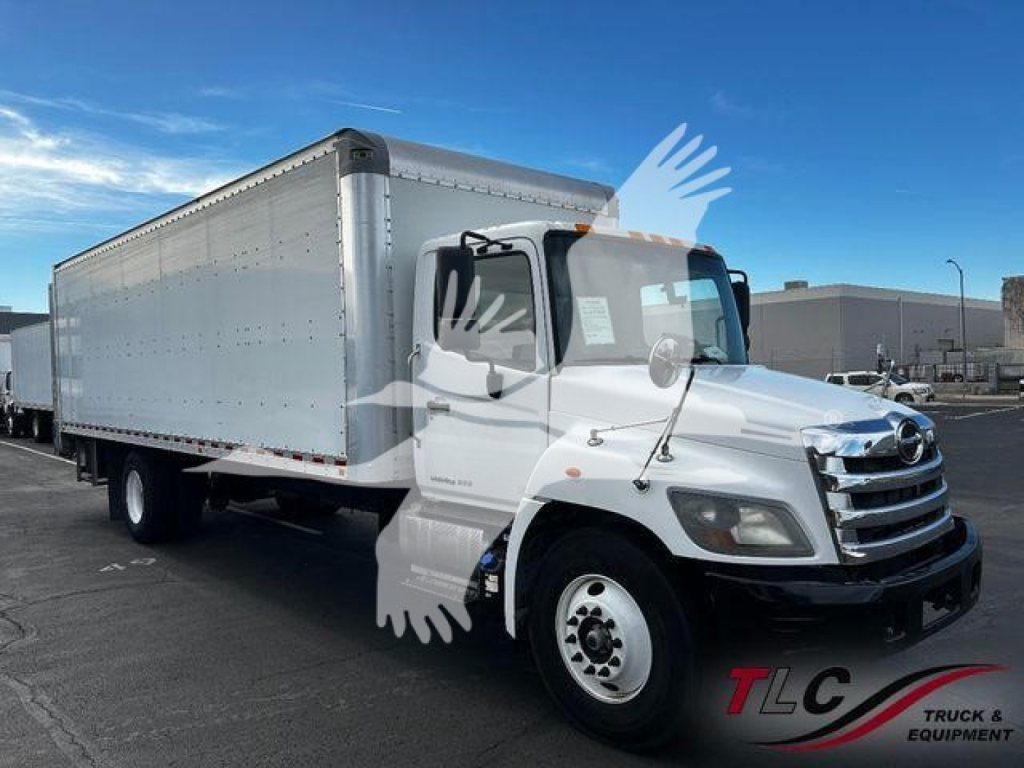
Browse used 2020 Hino trucks in Florida, including medium-duty diesel chassis, box trucks, reefers, rollback carriers, and vocational upfits.
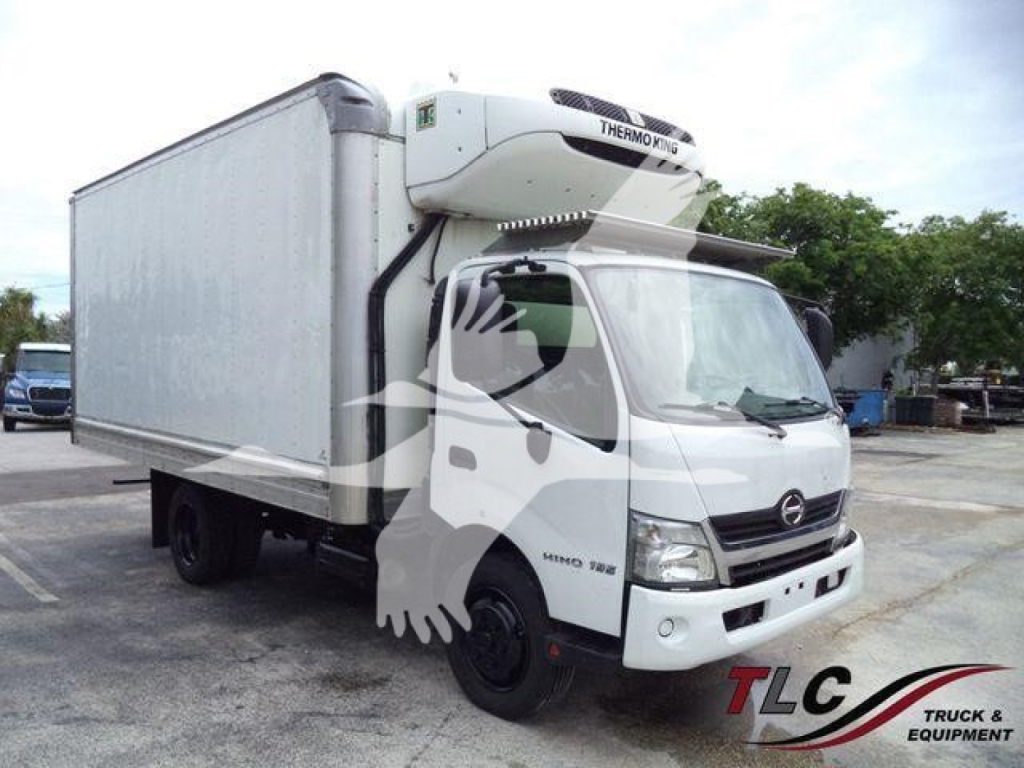
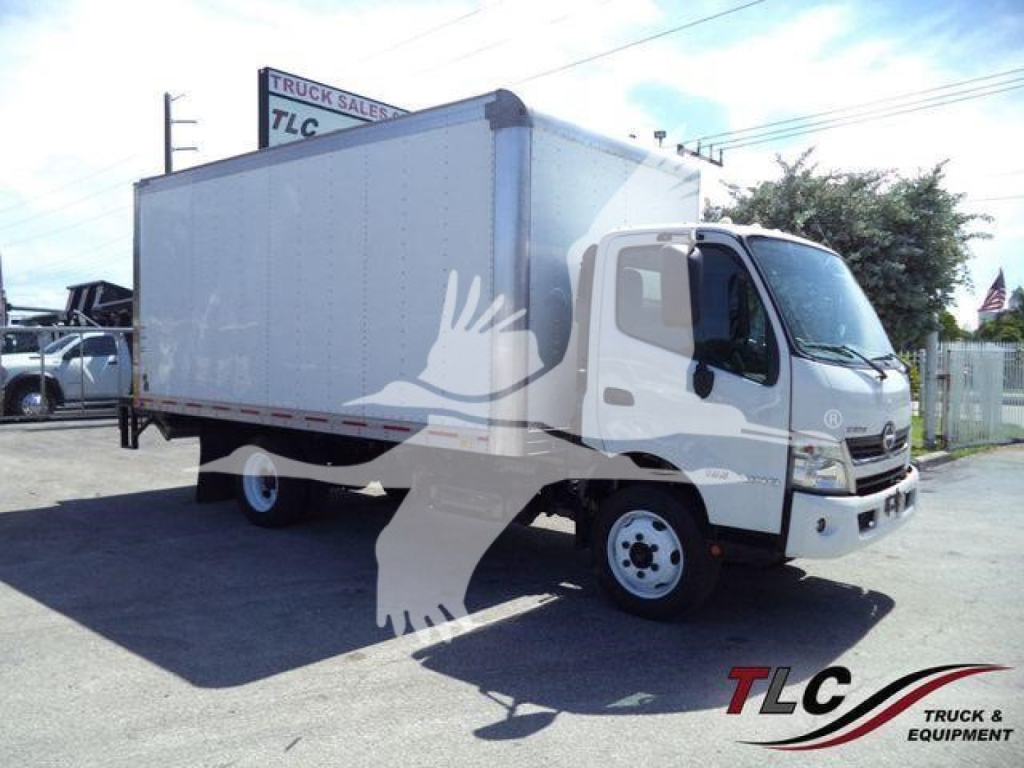
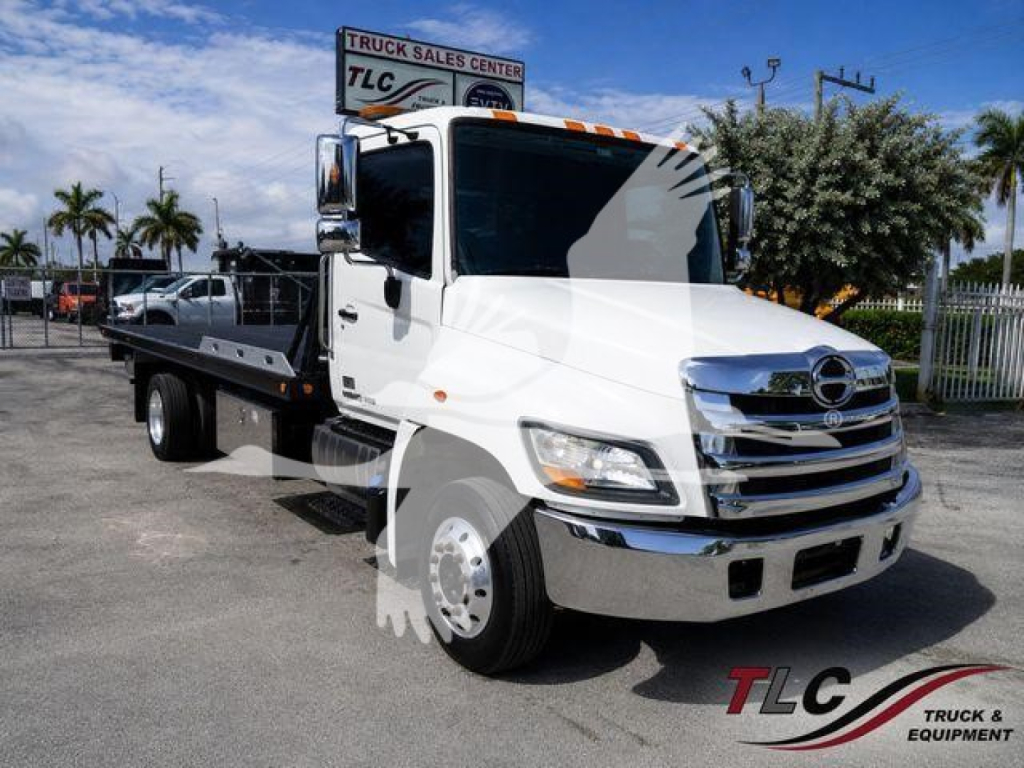
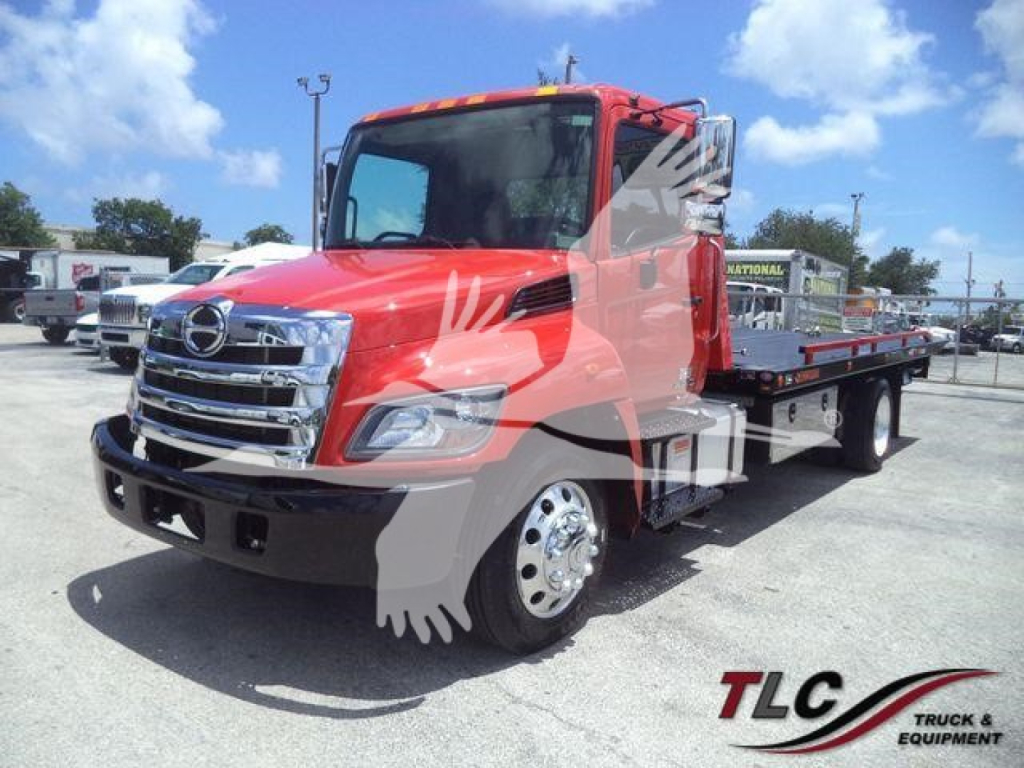
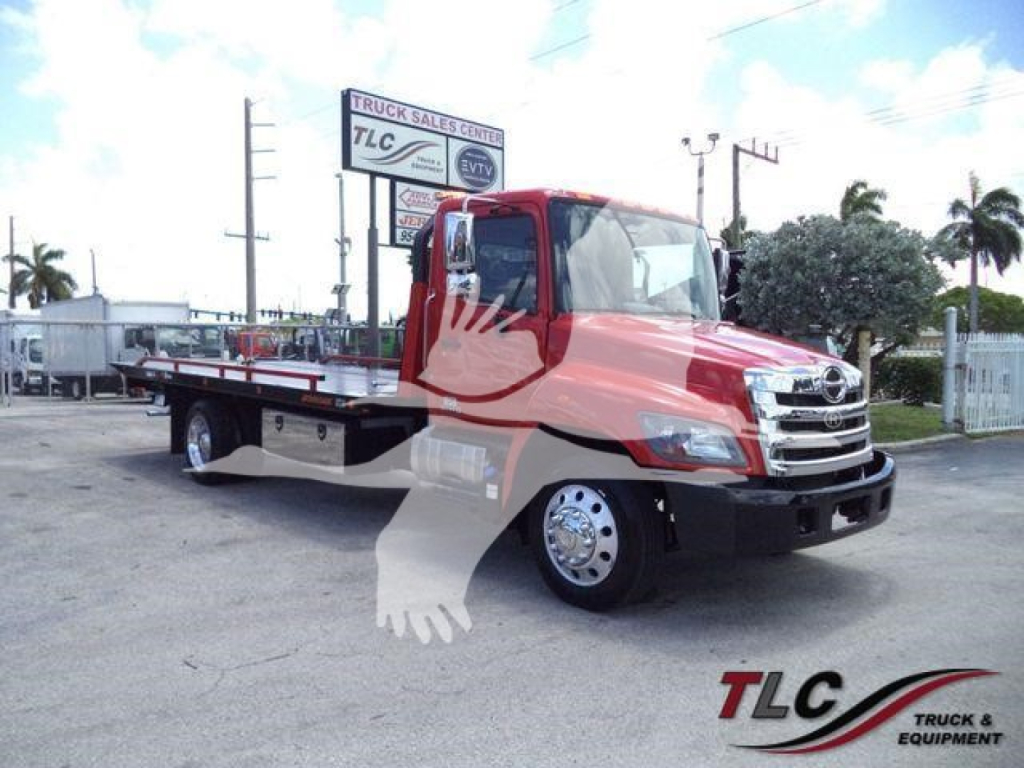
Selling a used 2020 hino truck? List your used 2020 hino truck for sale and reach thousands of commercial buyers.
Used 2020 Hino Trucks in Florida
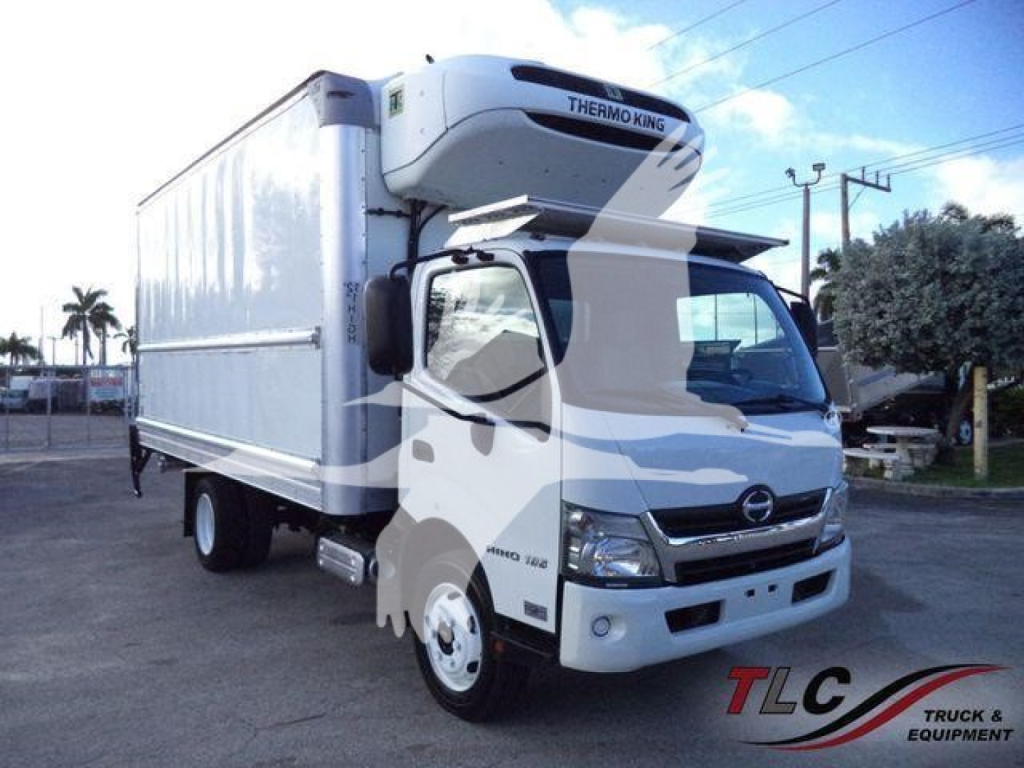
The first buying decision is usually chassis class and body type. A 2020 Hino 195 is often configured as a lighter box or refrigerated truck for local delivery, while a 268 can support longer van bodies, reefer bodies, and liftgates without moving out of the medium-duty sweet spot many fleets prefer. A 338 is more common in heavier vocational work such as water trucks, dump applications, or more specialized upfits. Buyers should match wheelbase, cab-to-axle measurement, and GVWR to the body already installed or to any future repurpose plan. If the truck has a reefer body, confirm body length, insulation condition, evaporator layout, reefer hours, and door sealing. If it has a rollback, hooklift, or tank upfit, review PTO operation, hydraulic response, subframe condition, and evidence of frame modifications.
Powertrain and brake configuration are also central on 2020 Hino trucks. Many are equipped with Hino diesel engines from the Toyota commercial family and Allison automatic transmissions, a combination that appeals to mixed-driver fleets and route work because it reduces training friction and performs well in traffic. Depending on model, buyers will commonly see hydraulic or air brake setups, spring suspension, and 19.5-inch or 22.5-inch wheel and tire packages. In Florida, rust is usually less of a frame issue than in northern markets, but corrosion can still show up around body mounts, liftgate hardware, reefer components, wiring connections, and underbody steel exposed to salt air or coastal humidity. Service records matter on emissions equipment, cooling systems, injectors, DEF systems where equipped, and transmission maintenance intervals.
A good 2020 Hino truck should be evaluated as a complete working package, not just a cab and chassis. Check payload capacity against the actual body and equipment weight, verify axle ratings, and inspect how the truck has been used in delivery cycles, cold-chain work, or vocational service. On refrigerated trucks, reefer start-up, pull-down performance, and door-cycle wear are just as important as engine hours. On rollback or hooklift units, bed wear, winch condition, and hydraulic leaks can tell more than the odometer. Hino remains a practical choice for buyers who want a medium-duty diesel truck with strong vocational flexibility, especially when the spec is matched closely to route density, cargo type, and driver requirements.
Frequently Asked Questions about Used 2020 Hino Trucks in Florida
What are the most common 2020 Hino truck models buyers look for?
The most common 2020 Hino trucks on the used market are the 195, 258, 268, and 338. The Hino 195 is a lighter medium-duty truck often used for box truck and refrigerated delivery work. The 258 and 268 are popular for larger van bodies, reefer bodies, rollback carriers, and other route-oriented upfits. The 338 is typically chosen for heavier vocational applications such as tanks, dumps, and municipal or construction support equipment. The right model depends on GVWR, body length, payload target, and whether the truck will stay under CDL thresholds.
Are 2020 Hino trucks good for refrigerated delivery in Florida?
Yes, 2020 Hino trucks are widely used for refrigerated delivery because the chassis works well with insulated bodies, liftgates, and common Thermo King or Carrier reefer units. For Florida operation, buyers should focus on reefer condition as much as chassis condition. High ambient temperatures make condenser performance, door seals, insulation integrity, and reefer maintenance history especially important. A truck that starts and runs well can still be a poor cold-chain unit if the box leaks temperature or the reefer has excessive hours and deferred service.
What should I inspect first on a used 2020 Hino truck?
Start with the truck's actual job configuration. Confirm the model, GVWR, wheelbase, cab-to-axle dimension, axle ratings, and body type before looking at cosmetic condition. Then inspect the engine, transmission, brakes, suspension, tires, and emissions components, followed by the body or vocational equipment. On a reefer truck, check reefer hours, box floor condition, door hardware, and liftgate operation. On a rollback, hooklift, or tank truck, inspect hydraulic components, PTO engagement, frame integrity, and signs of overloading or poor upfit work. Maintenance records often reveal more than appearance.
Do 2020 Hino trucks usually come with automatic transmissions?
Many 2020 Hino trucks are equipped with Allison automatic transmissions, especially in delivery and vocational applications. That is a major advantage for fleets with multiple drivers, urban routes, and stop-and-go service because automatics reduce driver fatigue and simplify operation. Buyers should still verify the exact transmission model, service history, and how the truck was loaded in daily use. A properly maintained automatic in medium-duty service is usually a strong fit for local and regional applications.
Is a used 2020 Hino truck a good fit for under-CDL operation?
It can be, depending on the model and GVWR. Some 2020 Hino trucks, especially certain 195 and 268 configurations, are built at 19,500 pounds or 25,950 pounds GVWR to stay under the standard CDL threshold. That makes them attractive for local delivery fleets and businesses that want more payload and body capacity without moving into CDL-required territory. Buyers should confirm the door sticker, registration class, and actual body weight because a heavy upfit can reduce payload even when the truck remains under CDL by rating.