
Used 2020 Tow Trucks For Sale in Florida
Have used 2020 tow truck to sell? List it here to reach thousands of buyers.
Used 2020 Tow Trucks in Florida
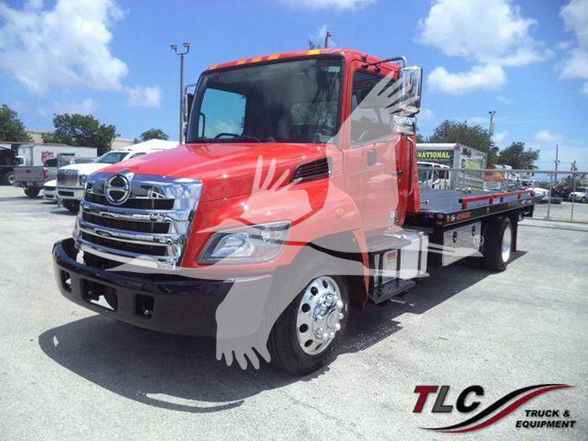
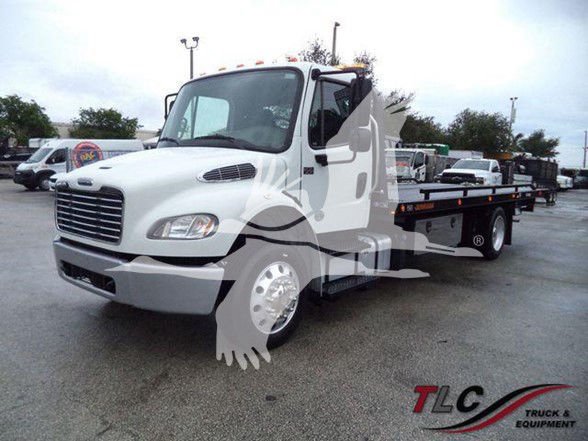
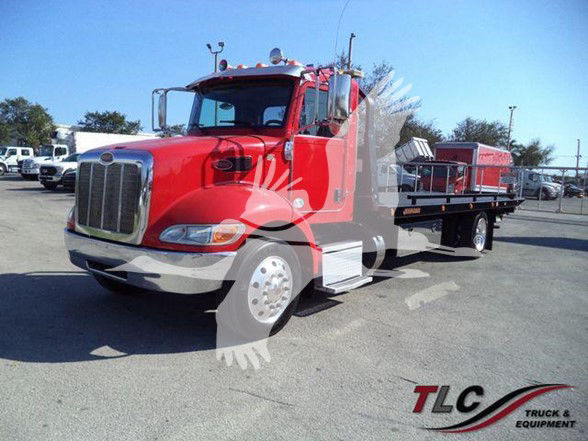
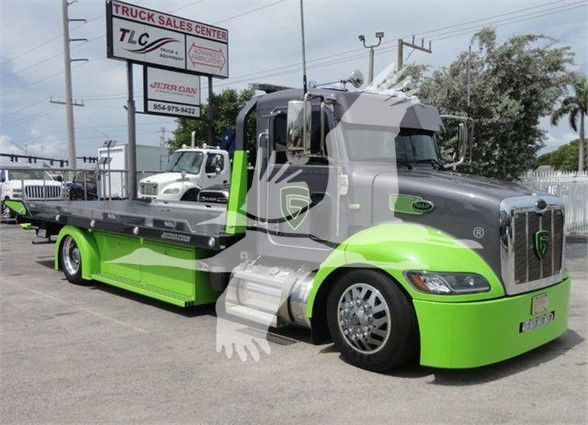
Body configuration matters as much as the chassis. Many 2020 rollback tow trucks use 21 to 22 foot decks on medium-duty single-axle chassis, often 102 inches wide with low-profile or low-center-of-gravity carrier designs for easier loading of low-clearance vehicles. Common specs include 6-ton bed ratings, 8,000 lb class winches, removable rails, and 3,500 lb wheel lifts. Heavier rollback units can stretch to 28 feet on tandem-axle chassis with much higher GVWR, making them more suitable for commercial trucks, equipment, and heavier recovery tasks. Buyers should compare deck material, winch capacity, wheel-lift rating, hydraulic hitch setup, toolbox layout, and bed manufacturer support. Jerr-Dan and Century are two of the most common names in this segment, and replacement parts, controls, and service familiarity can matter just as much as headline capacity.
Florida operation adds a few practical buying considerations. Corrosion is usually less aggressive than in northern road salt markets, but sun exposure, humidity, and coastal use can affect paint, electrical connections, light bars, hydraulic hoses, and interior trim. On a used 2020 tow truck, inspect the carrier deck for wear from chains and loading, check the winch and free-spool operation, verify the PTO engages cleanly, and look closely at the wheel-lift crossbar, L-arms, forks, and safety chain attachment points. If the truck has air ride, confirm the suspension holds properly and the ride-height system responds as it should. On diesel chassis, service records for emissions components, cooling system maintenance, and transmission service are especially important, particularly on trucks that spent their life in heavy stop-and-go towing cycles.
A strong 2020 tow truck is usually defined by how well the chassis and body are matched to the work. A 26,000 GVWR single-axle rollback can be a productive choice for auctions, dealer transport, roadside assistance, and municipal contract work. A tandem-axle carrier or heavier wrecker makes more sense when the job mix includes commercial units, longer wheelbases, or heavier curb weights. Buyers should pay attention to axle ratings, wheelbase, turning radius, storage, lighting, and cab ergonomics because tow work is repetitive, urban, and hard on both equipment and operators. The best used 2020 tow trucks combine a proven diesel platform, a reputable carrier or wrecker body, and a spec that fits the actual recovery and transport work being done.
Frequently Asked Questions about Used 2020 Tow Trucks in Florida
What is the most common configuration for a used 2020 tow truck?
The most common 2020 tow truck configuration is a medium-duty rollback carrier on a diesel chassis with an automatic transmission. Many are built on trucks such as the Peterbilt 337 or Freightliner M2 106 and use a 21 to 22 foot steel deck, an 8,000 lb class winch, and a wheel lift for secondary towing. This setup is popular because it can handle general vehicle transport, accident recovery, and roadside service without moving into the cost and size of a heavy-duty wrecker.
How do I choose between a rollback tow truck and a self-loading wrecker?
A rollback tow truck is generally better for transporting vehicles with minimal wear, especially all-wheel-drive, damaged, low-clearance, or specialty vehicles. A self-loading wrecker, also called an auto loader or self loader, is designed for fast hookup and efficient short-haul towing, making it common in impound, parking enforcement, and repossession work. The right choice depends on the percentage of your work that involves transport on a deck versus towing from the wheel lift.
What should I inspect on a used 2020 tow truck before buying?
Focus on both the truck chassis and the towing body. Inspect the deck, subframe, wheel lift, winch, hydraulic cylinders, PTO, controls, lighting, and toolboxes for signs of hard use or poor repairs. Check for frame modifications, verify the GVWR and axle ratings match the body, and review maintenance history for the engine, transmission, brakes, and emissions system. A clean-looking truck can still have expensive hydraulic or body wear, so function testing is as important as a visual inspection.
Are 2020 tow trucks in Florida a good used buy?
Florida-used tow trucks can be attractive because they often avoid the heavy road salt exposure seen in northern states. That can mean less corrosion on frames, brake components, and underbody hardware. The tradeoff is that humidity, heat, and coastal air can still affect electrical systems, hydraulic hoses, seals, and exterior finishes. A Florida truck should still be inspected carefully, but regional climate can be a positive factor compared with rust-belt equipment.
What capacities are typical on a 2020 medium-duty rollback tow truck?
Typical capacities for a 2020 medium-duty rollback include a 6-ton class carrier bed, a 3,500 lb wheel lift, and an 8,000 lb class recovery winch, usually on a truck rated around 26,000 GVWR. Heavier tandem-axle units can carry longer decks and significantly higher overall ratings for equipment or commercial vehicle transport. Buyers should not rely on advertised bed size alone and should always compare the full chassis GVWR, axle ratings, and body manufacturer capacity labels.