
Used 2020 Tow Trucks For Sale
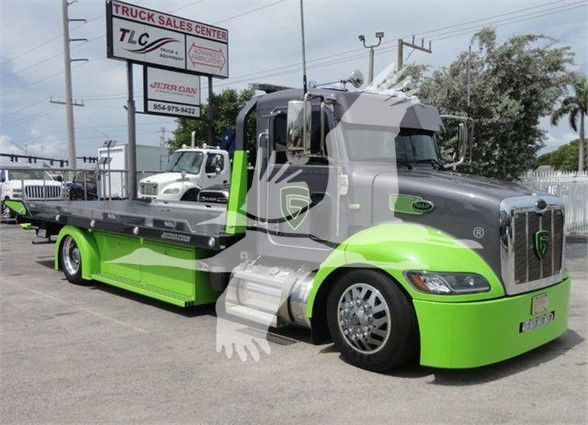
Have used 2020 tow truck to sell? List it here to reach thousands of buyers.
Used 2020 Tow Trucks
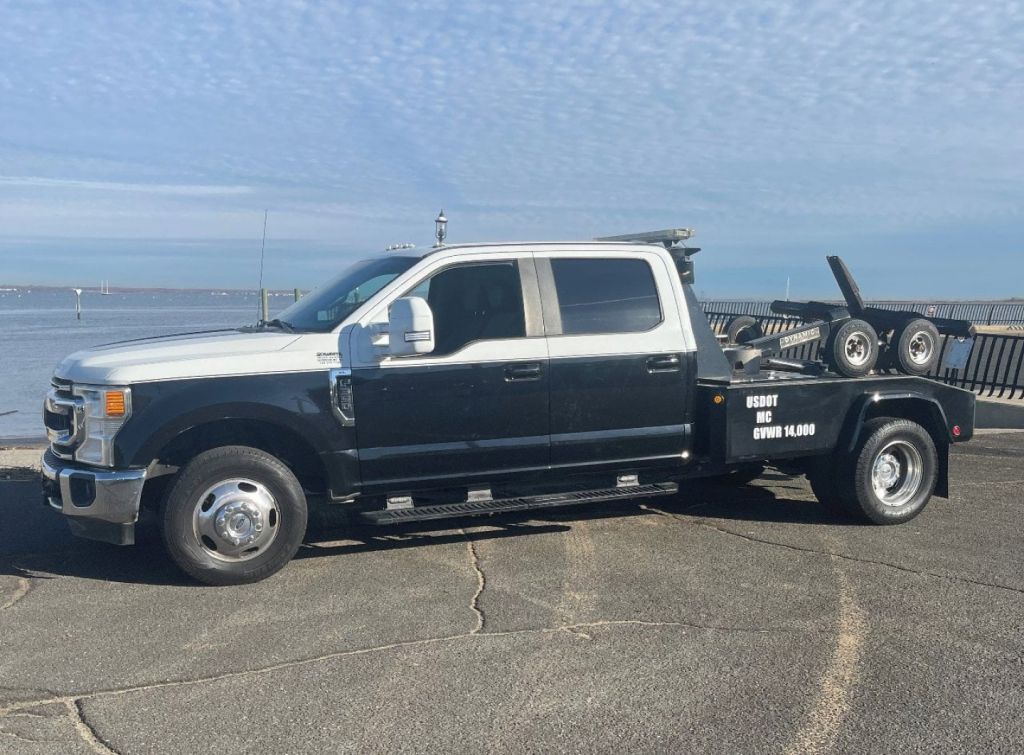
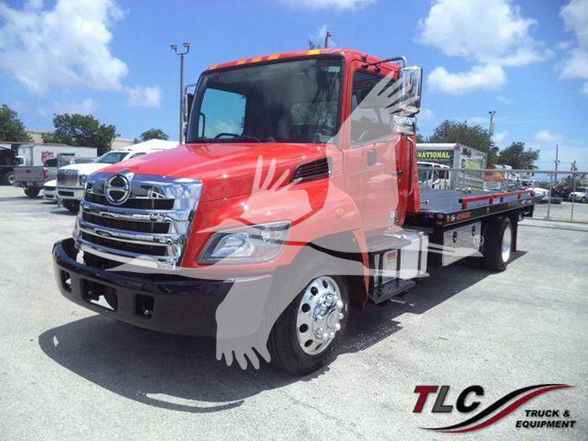
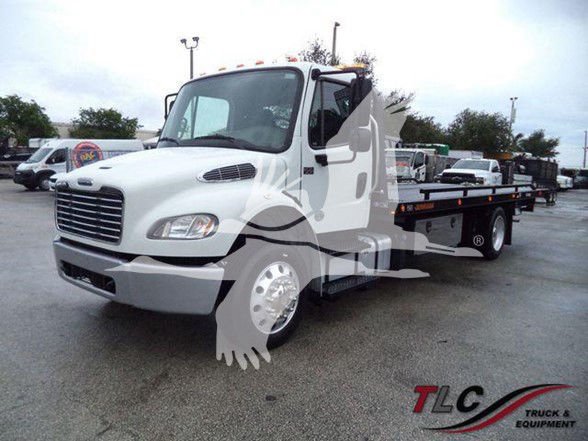
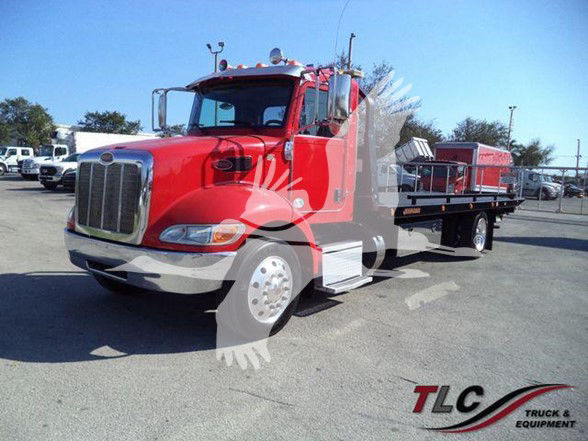
Capacity and geometry matter more than the badge on the hood. On a 2020 tow truck, pay close attention to GVWR, front and rear axle ratings, wheelbase, deck length and width, wheel-lift rating, and winch capacity. A typical medium-duty rollback may carry a 21 to 22 foot deck, around 102 inches wide, with a 6-ton bed rating and an 8,000 lb or higher winch. Self-loaders in this segment often use an 8,000 lb drag winch and a wheel-lift designed for fast hookups in tight urban spaces. If the truck will regularly move pickups, vans, or AWD vehicles, confirm the wheel-lift geometry, tie-down equipment, and whether tow dollies are included or commonly used with that configuration. Air brakes, air ride suspension, PTO-driven hydraulics, and Allison automatic transmissions are common features that can improve drivability and uptime in stop-and-go towing service.
Used-condition inspection should focus heavily on the towing gear, not just the chassis. Check bed slides, hydraulic cylinders, pivot points, winch operation, cable or synthetic line condition, crossbar wear, L-arms, wheel grids, safety chains, and lighting circuits. On rollback units, look for deck straightness, subframe cracking, scuffing at contact points, and smooth load angle transition. On self-loaders and wreckers, inspect boom structure, wheel-lift pins, bushings, and any signs of hard shock loads from recoveries. A 2020 model may still have plenty of service life left, but deferred maintenance shows up quickly in seized pins, hydraulic leaks, worn controls, air leaks, and corrosion around toolboxes, body mounts, and rear lighting. Engine and aftertreatment history also matters, especially on diesel-powered trucks that spend long hours idling on scene.
Buyers comparing used 2020 tow trucks should match the truck to route density, vehicle mix, and licensing requirements in their market. A lighter 4x2 self-loader is efficient for city work, apartment complexes, and private-property impounds. A medium-duty rollback offers more flexibility for dealer transport, roadside assistance, and moving inoperable vehicles with minimal drivetrain contact. Heavier chassis with longer decks, air ride, and higher axle ratings are better suited for commercial units, work trucks, and frequent highway calls. The best purchase usually comes down to body condition, documented service history, and whether the towing package is correctly sized for the work, not simply the lowest miles or the newest paint.
Frequently Asked Questions about Used 2020 Tow Trucks
What is the difference between a rollback tow truck and a self-loader tow truck?
A rollback tow truck, also called a carrier or flatbed tow truck, uses a tilting and sliding deck to load the entire vehicle onto the bed. A self-loader, also called an auto loader or wheel-lift wrecker, lifts the casualty vehicle by the wheels for faster hookup and shorter cycle times. Rollbacks are preferred for transporting damaged, low-clearance, AWD, or specialty vehicles because all four wheels can stay off the ground. Self-loaders are popular in repossession, parking enforcement, and quick-clearance work where speed and maneuverability matter most.
What should I inspect first on a used 2020 tow truck?
Start with the towing equipment and hydraulic system because those components directly affect revenue-producing work. Inspect the winch, cable or rope, wheel-lift, L-arms, safety chains, controls, PTO engagement, hydraulic hoses, cylinders, and all pivot points for wear or leakage. Then move to the chassis by checking engine hours versus miles, transmission operation, brake type, suspension, tire wear, frame condition, and any signs of overloading. Service records for aftertreatment, hydraulic maintenance, and body repairs are especially useful on a 2020 diesel tow truck.
What capacity is typical for a 2020 medium-duty rollback tow truck?
Many 2020 medium-duty rollback tow trucks in the market use a 21 to 22 foot deck, roughly 102 inches wide, with a bed rating around 6 tons and a winch rated at 8,000 lb or more. Actual working capacity depends on the chassis GVWR, axle ratings, deck construction, and how the body is mounted. A longer deck and heavier chassis improve versatility, but they also affect curb weight, legal payload, and maneuverability. Buyers should compare the body rating to the truck's certified axle and gross vehicle ratings rather than relying on deck size alone.
Are diesel or gas tow trucks better in this size range?
Diesel tow trucks are common in medium-duty rollback and wrecker applications because they provide stronger torque, better durability under frequent towing loads, and longer service life in high-mileage use. Gas trucks can still make sense in lighter-duty urban fleets where annual mileage is lower and maintenance simplicity is a priority. The right choice depends on average load weight, idle time, duty cycle, technician familiarity, and local emissions-service support. On a used 2020 model, overall maintenance history is usually more important than fuel type by itself.
Do I need tow dollies with a wheel-lift truck?
Tow dollies are often important for wheel-lift operations because they help move front-wheel-drive, rear-wheel-drive, or all-wheel-drive vehicles without damaging the non-lifted axle or drivetrain. They are especially useful when towing vehicles with locked transmissions, collision damage, or low ground clearance. If a self-loader will be used for a broad mix of passenger vehicles, dollies can expand what the truck can legally and safely handle. Buyers should confirm the truck's storage setup, mounting points, and included towing accessories before making a decision.