
New Commercial Trucks For Sale in Alabama
Shop new trucks for sale in Alabama, including day cabs, sleepers, dumps, and cab & chassis models with modern diesel powertrains.
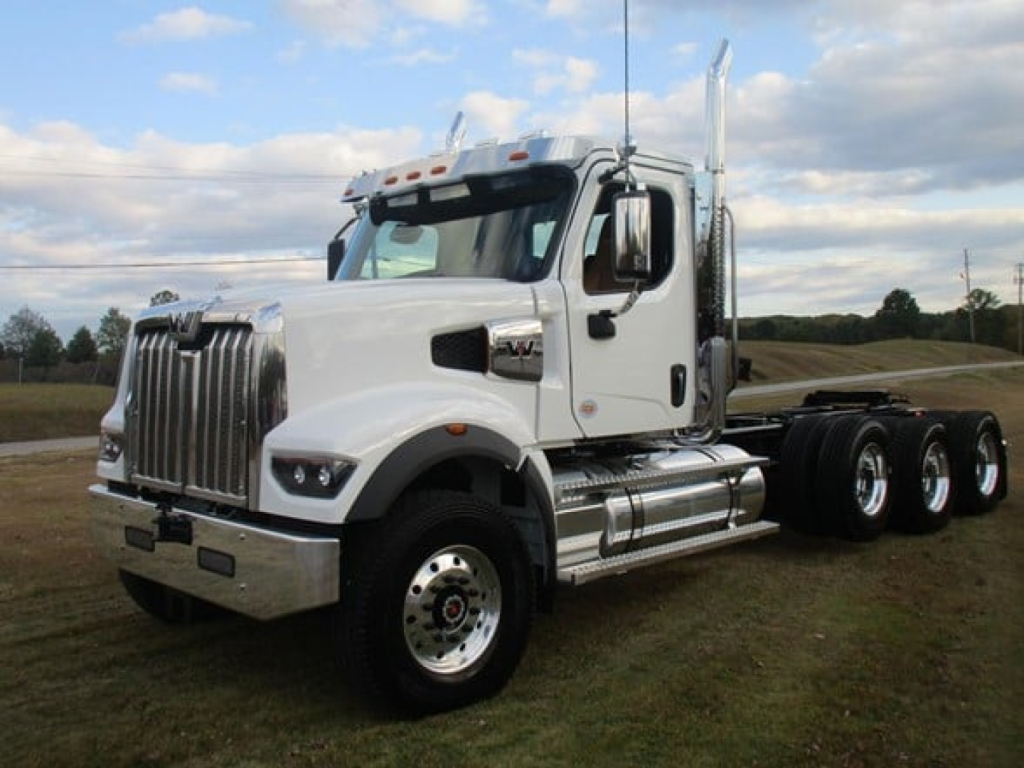
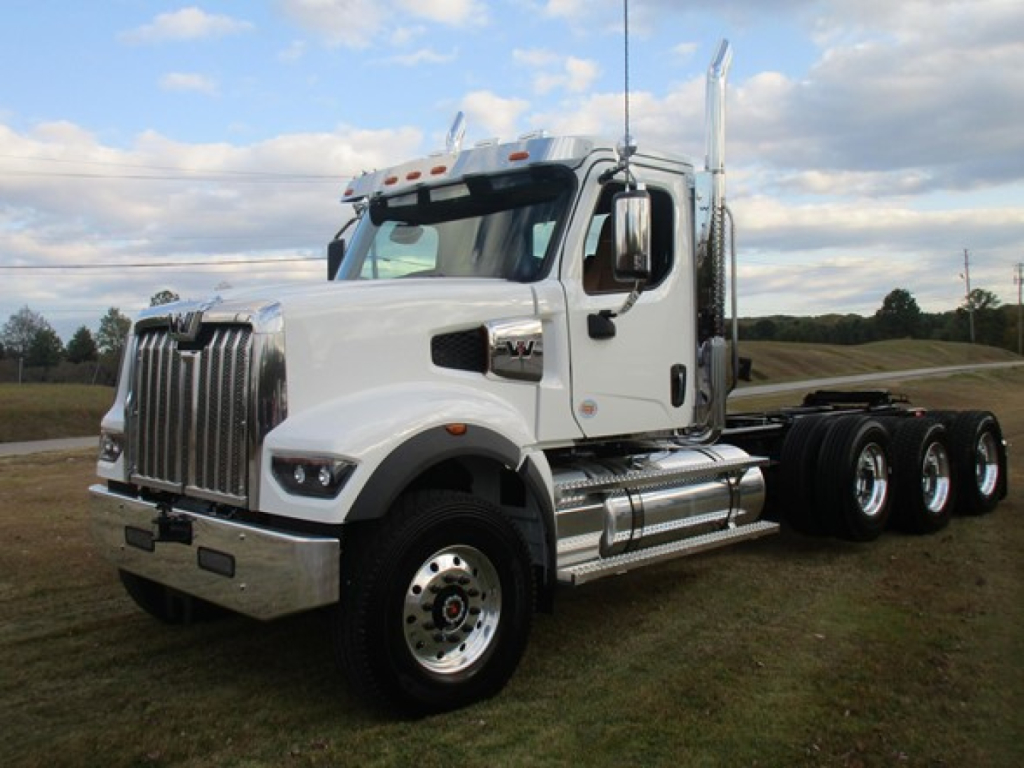
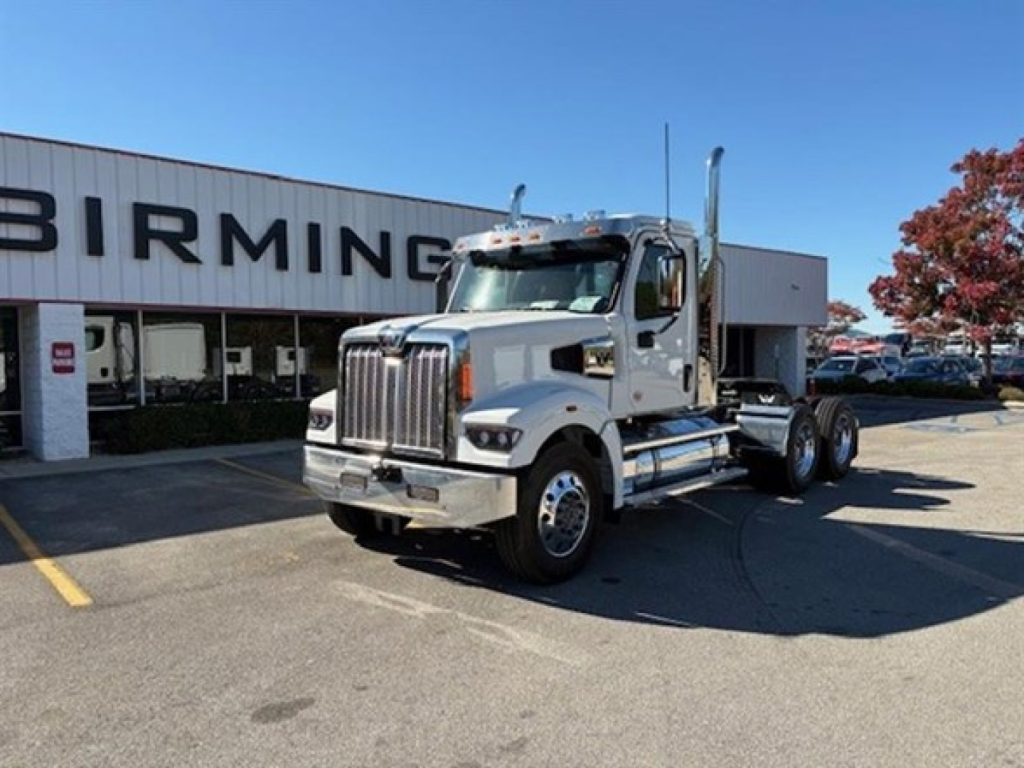
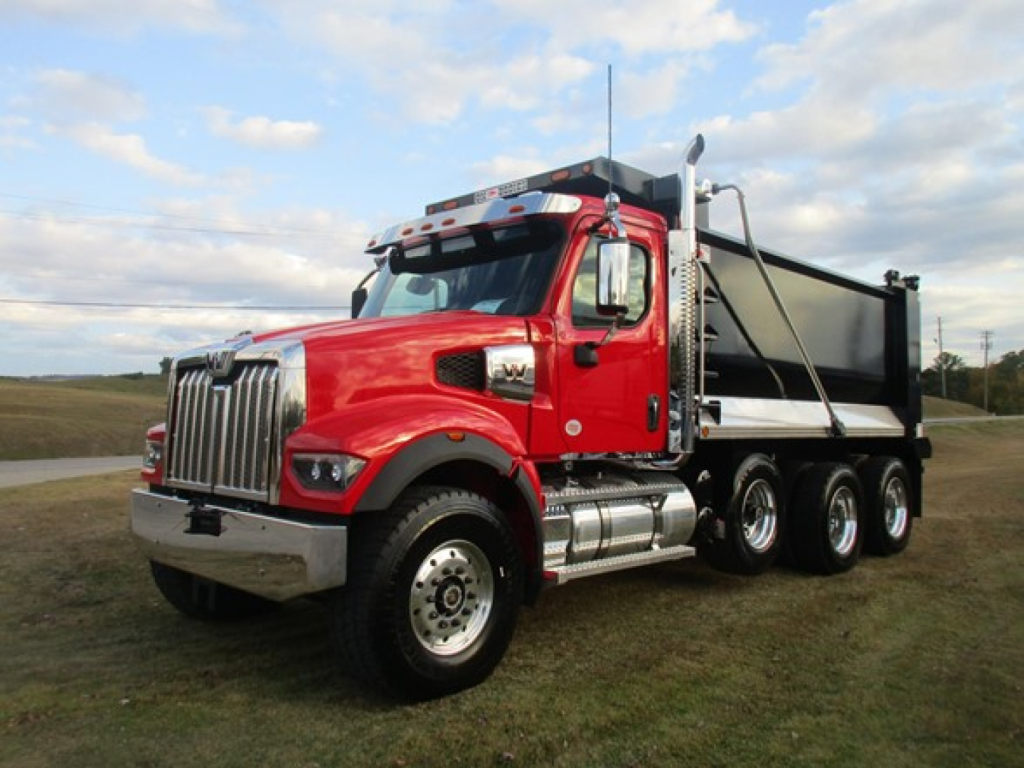
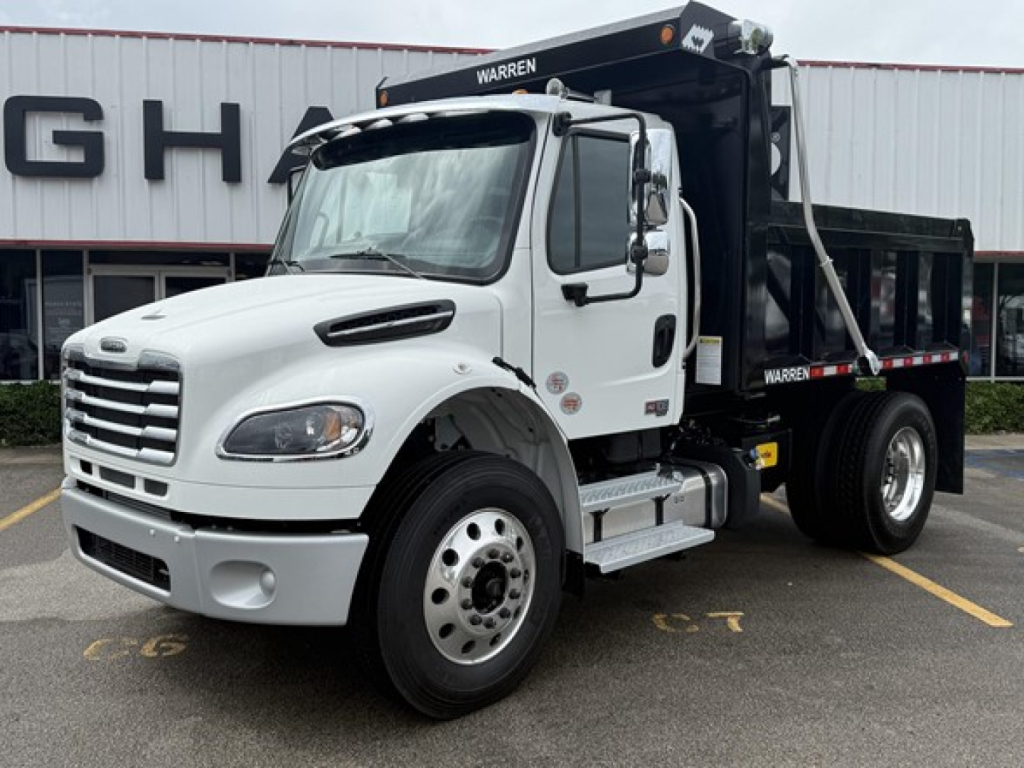
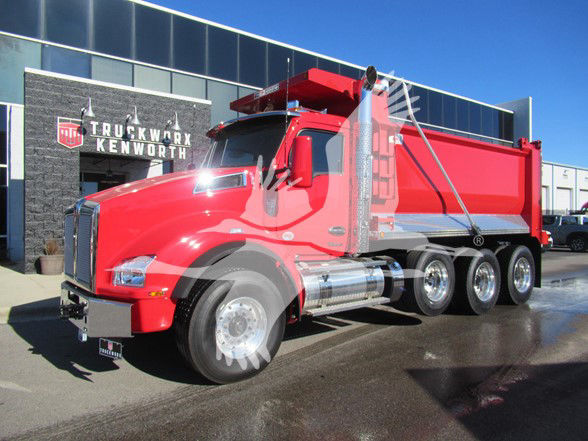
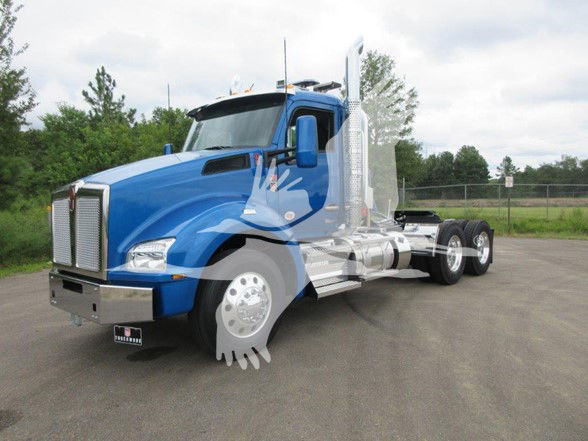
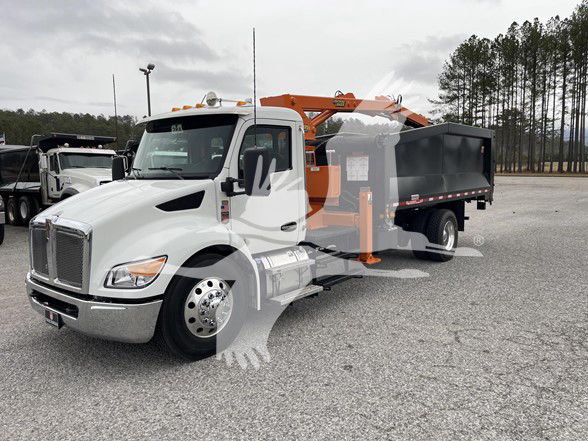
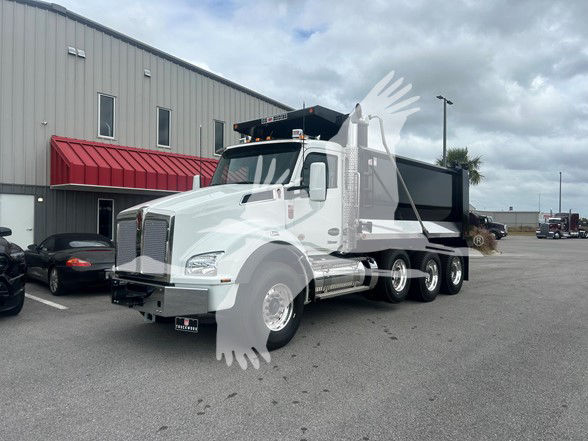
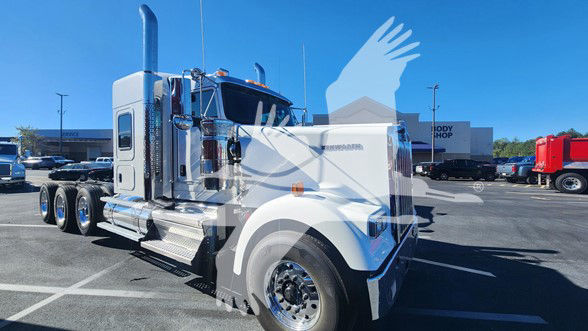
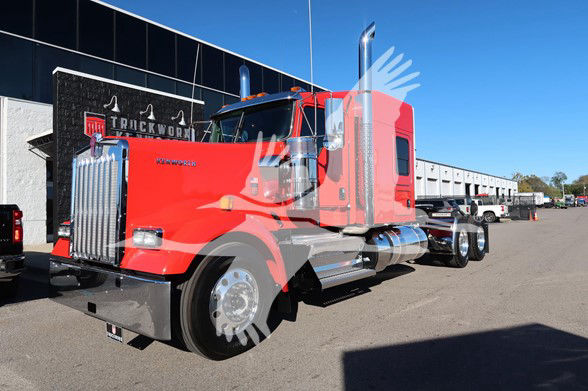
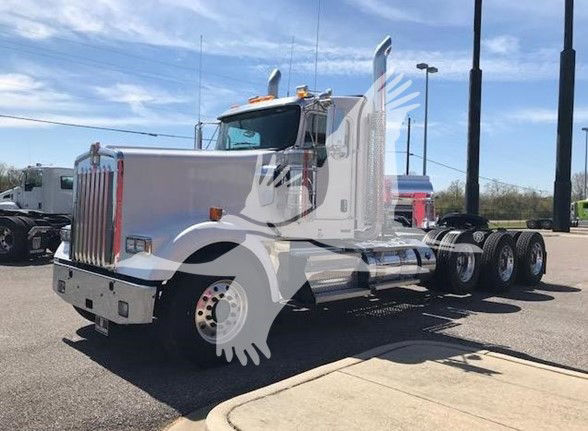
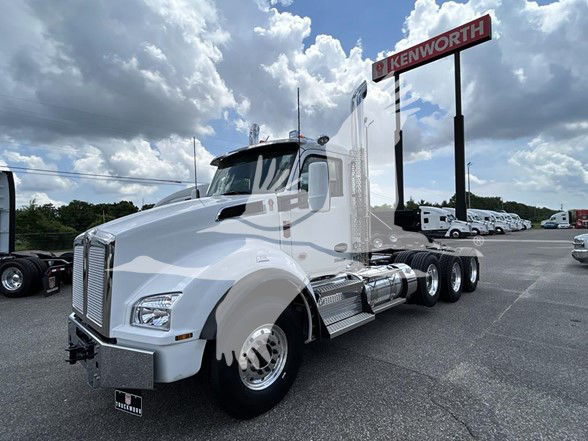
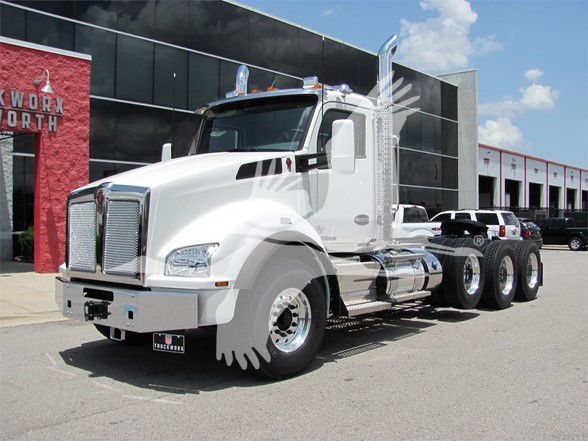
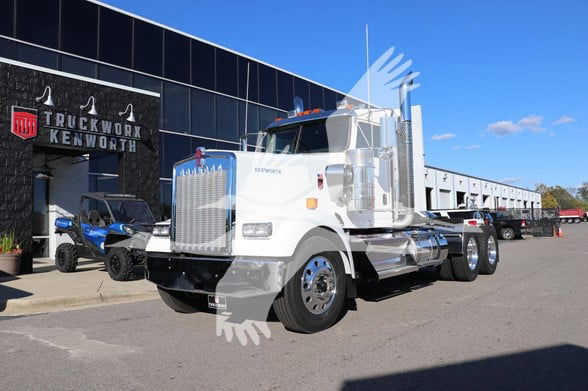
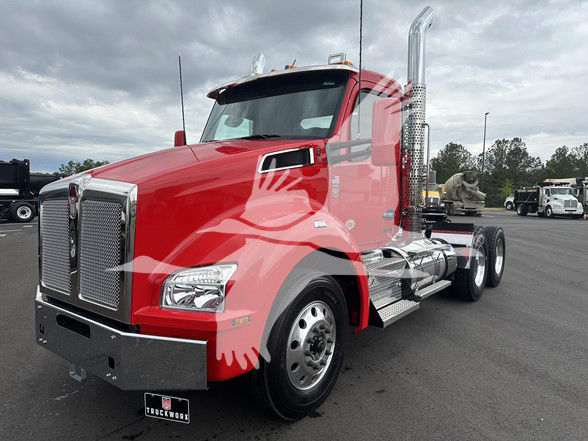
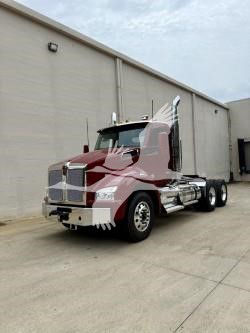
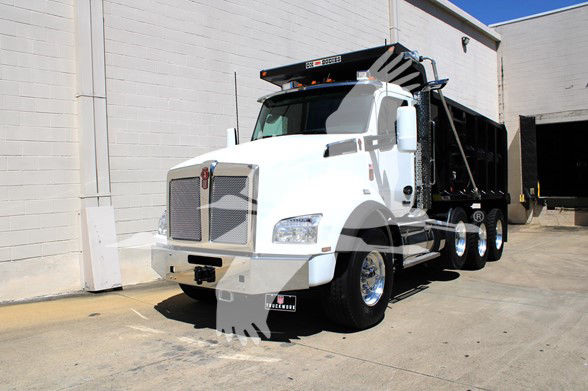
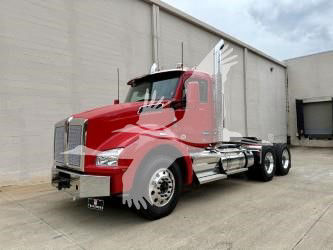
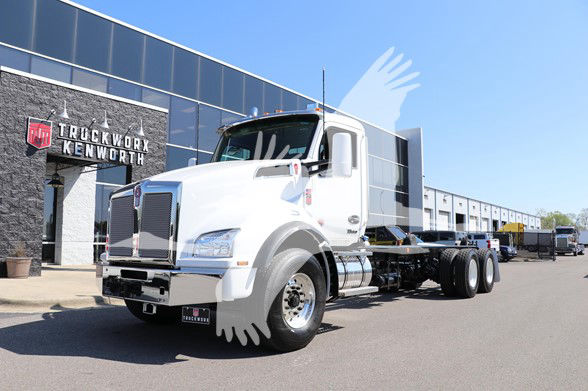
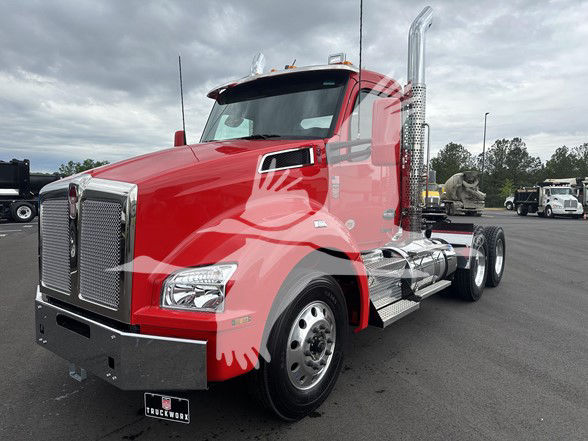
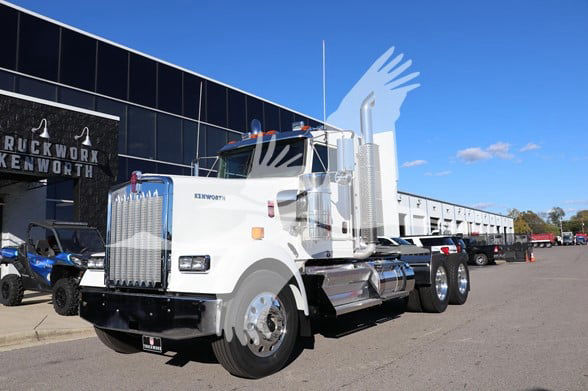
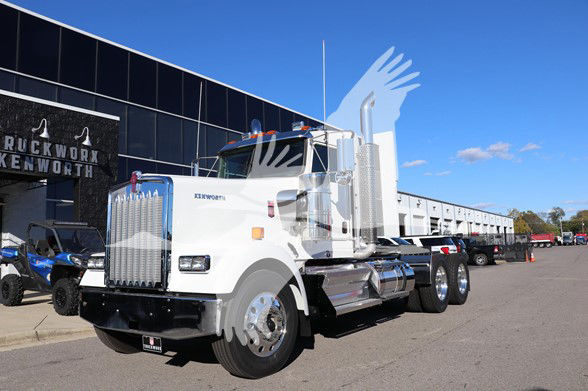
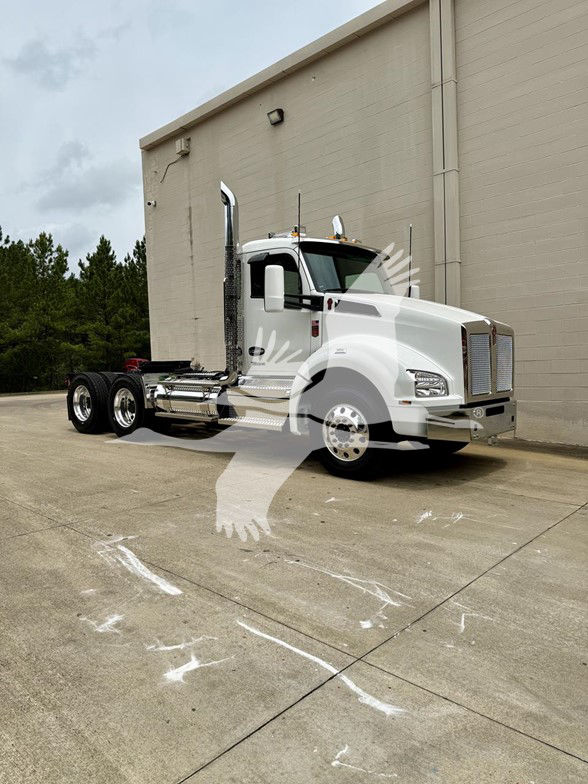
Showing 1 to 24 of 65 results
Have new commercial truck to sell? List it here to reach thousands of buyers.
New Commercial Trucks in Alabama
Specs vary widely across this category, but Alabama buyers typically compare horsepower, axle configuration, wheelbase, transmission type, and suspension before anything else. On-highway conventional sleepers often show up with tandem axles, 6x4 drivetrains, 24.5-inch rubber, aerodynamic or long-hood layouts, and engines in the 450 to 565 horsepower range. Day cabs and cab and chassis trucks may run single axle or tandem setups with shorter wheelbases for tighter routing or body installation flexibility. Vocational trucks such as dump trucks, lowboy tractors, and severe-duty day cabs are commonly built with heavier front axle ratings, double-frame construction, higher rear axle capacities, locking differentials, manual or Allison automatic transmissions, and suspension packages suited for off-road or mixed-surface work.
Alabama operating conditions make spec discipline important. Fleets running I-65, I-20, I-85, port-related freight, forestry lanes, construction routes, or municipal service need to think about terrain, bridge laws, payload, and maneuverability. Higher horsepower Cummins X15 platforms, tri-axle configurations, and vocational suspensions are common where heavy haul, dump, or lowboy work is involved. Medium-duty cab and chassis models with 22.5-inch wheels, standard cabs, and moderate horsepower ratings are often chosen for box bodies, flatbeds, service bodies, rollback builds, and local delivery. A buyer comparing new trucks should also look closely at frame dimensions, PTO capability, fuel tank layout, back-of-cab clearance, and body-builder compatibility if the truck will be upfitted.
The best new truck is the one whose spec matches the revenue stream. A sleeper with the wrong ratio can hurt fuel economy and cruise speed. A cab and chassis with the wrong wheelbase can complicate body installation. A dump truck with the wrong suspension or transmission can cost productivity on rough jobsites. Pay attention to intended gross weight, axle spread, engine rating, transmission gearing, and maintenance access. Across this category, the value of a new truck is not just in the model year. It is in getting the right combination of chassis, driveline, cab configuration, and vocational equipment for the work it will do in Alabama.
Frequently Asked Questions about New Commercial Trucks in Alabama
What types of new trucks are commonly available in Alabama?
New trucks in Alabama typically include conventional sleeper tractors, day cabs, dump trucks, and cab and chassis models. Sleeper tractors are built for long-haul freight, day cabs fit regional and local routes, dump trucks serve construction and material hauling, and cab and chassis units are ordered for body installation such as box trucks, flatbeds, service trucks, and utility applications.
How do I choose between a sleeper, day cab, dump truck, or cab and chassis?
The right choice depends on duty cycle and body requirement. A sleeper is designed for over-the-road work and driver lodging. A day cab is better for regional lanes and frequent turns. A dump truck is a purpose-built vocational truck with heavier axle and suspension specs. A cab and chassis is the right platform when the truck still needs a body or upfit, and wheelbase, frame, and PTO requirements must match that equipment.
What specs matter most when buying a new truck?
The key specs are engine horsepower and torque, axle configuration, wheelbase, axle ratio, suspension, transmission, front and rear axle ratings, and intended GVWR or GCWR. Buyers should also review tire size, frame strength, cab style, sleeper size if applicable, and any body-builder requirements. These specifications directly affect payload, maneuverability, fuel economy, and how well the truck fits the job.
Are automatic transmissions common in new trucks?
Yes. Automatic and automated transmissions are common in many new trucks, especially in regional, municipal, and vocational applications where driver turnover, stop-and-go operation, and ease of use matter. Manual transmissions are still found in certain heavy haul and specialized vocational specs where buyers want direct control, gear selection flexibility, and familiarity for severe-duty work.
Why is wheelbase important on a new truck?
Wheelbase affects turning radius, bridge compliance, ride quality, body fitment, and weight distribution. A longer wheelbase may improve stability and help with certain body lengths or sleeper setups, while a shorter wheelbase improves maneuverability in urban routes, jobsites, and tight loading areas. On a cab and chassis, wheelbase must be matched carefully to the planned body, hoist, liftgate, or other installed equipment.