
New Conventional Sleeper Trucks For Sale in Alabama
Shop new conventional sleeper trucks in Alabama with specs for long-haul, heavy haul, owner-operator comfort, and premium highway performance.
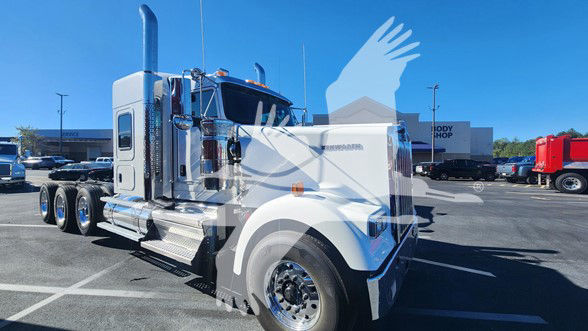
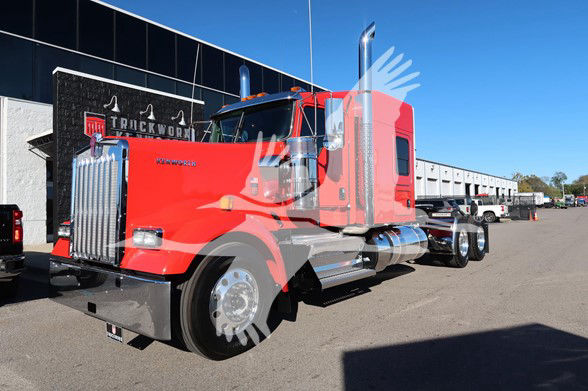
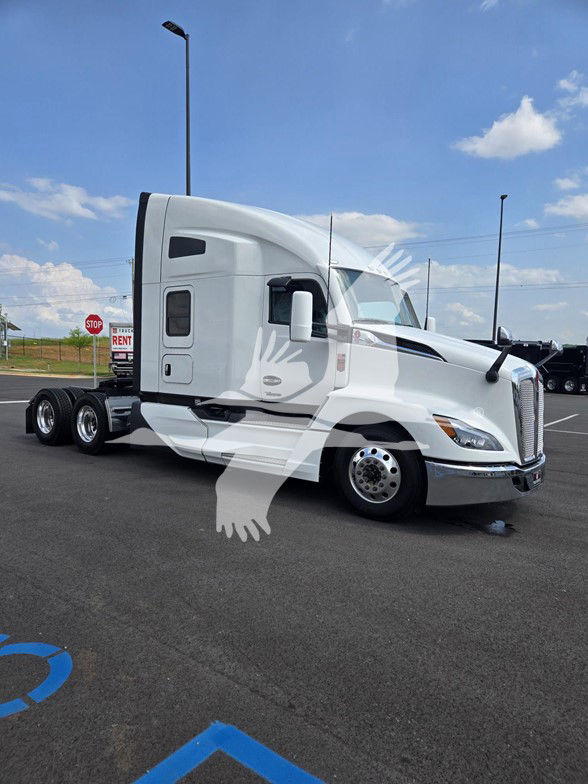
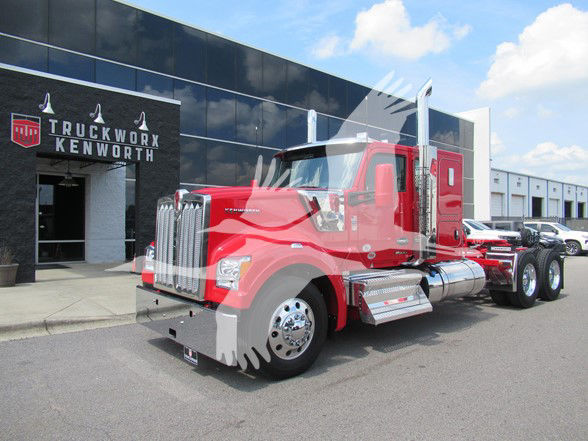
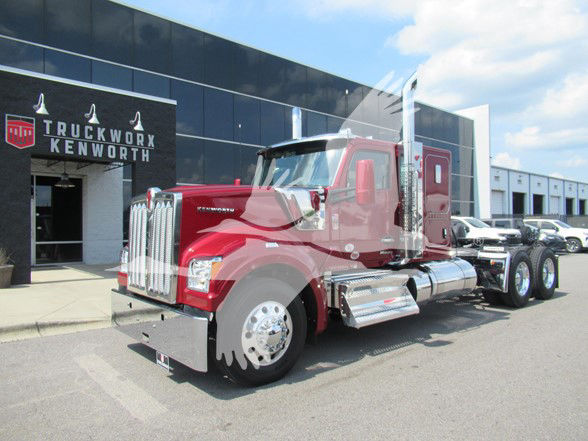
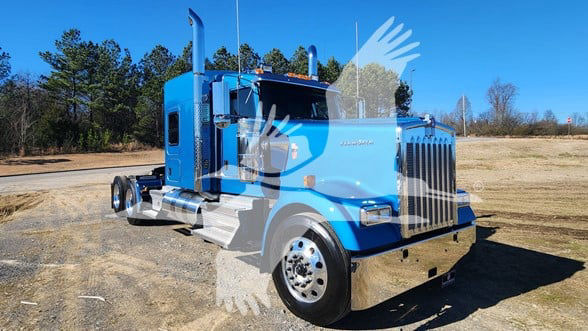
2026 Kenworth W990
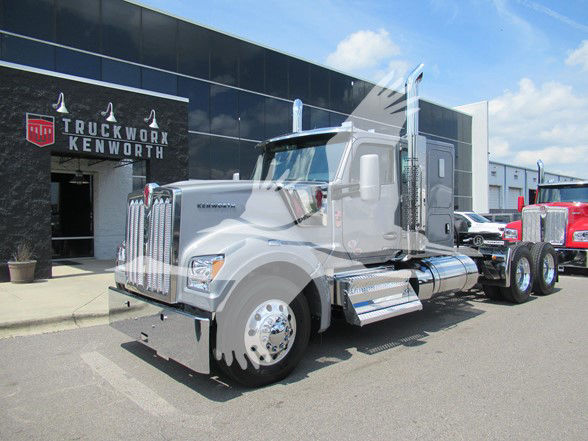
2026 Kenworth W990
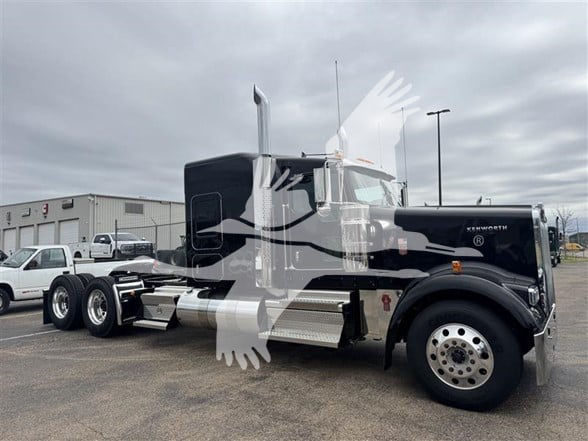
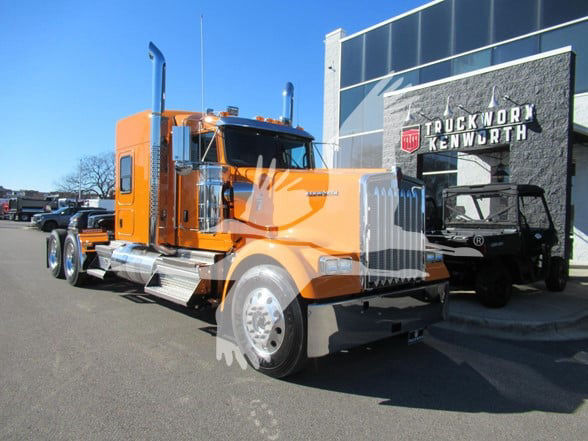
Selling a new conventional sleeper truck? List your new conventional sleeper truck for sale and reach thousands of commercial buyers.
New Conventional Sleeper Trucks in Alabama
The biggest buying decisions usually start with sleeper size, wheelbase, and powertrain. Common sleeper lengths range from about 52 inches to 72 inches or more, with flat top and mid-roof layouts both appearing depending on route and driver preference. Engine choices in this category often center on high-horsepower diesel platforms such as the Cummins X15, paired with 13-speed or 18-speed manual transmissions, automated manuals, and rear axle ratios selected for either fuel economy or pulling power. Buyers comparing new conventional sleeper trucks should look closely at horsepower, torque, front axle rating, rear suspension, frame spec, and kingpin-friendly wheelbase setup if the truck will pull a variety of trailer lengths.
For vocational crossover and premium highway work, conventional sleepers are often ordered with heavier suspensions, double-frame options, larger cooling packages, and long-hood configurations that support higher horsepower ratings and strong resale appeal. Air ride suspensions such as AG400L or Neway are common on ride-sensitive applications, while aluminum wheels, polished tanks, headache rack provisions, and deck plates may matter for flatbed or specialized trailer work. Interior spec matters too. Factory sleepers can include bunk heaters, inverters, optimized storage, refrigerator space, and idle-reduction options that improve driver retention and reduce hotel dependence on multi-day routes.
A new truck in this category gives the buyer a chance to match the spec to the freight instead of inheriting someone else's compromises. That means paying attention to fifth wheel position, fuel capacity, fairings or no-fairing setups, PTO readiness, braking package, and tire size for the exact route and trailer mix. For Alabama operations, corrosion exposure is usually less severe than in northern snow states, but cooling system performance, A/C output, and dependable emissions support are still critical. The best conventional sleeper truck is the one with the right balance of comfort, serviceability, axle ratings, and drivetrain to stay productive at highway speed and hold value over time.
Frequently Asked Questions about New Conventional Sleeper Trucks in Alabama
What is a conventional sleeper truck used for?
A conventional sleeper truck is used for freight lanes that require overnight or multi-day operation. The sleeper compartment gives the driver an integrated rest area, while the hooded tractor platform supports higher fuel capacity, strong cooling performance, and flexible spec choices for van, reefer, flatbed, tanker, and heavy-haul work. This category is especially common in over-the-road service where uptime, driver comfort, and long-distance durability matter.
What sleeper size is best for a new conventional sleeper truck?
The best sleeper size depends on trip length, driver count, and payload priorities. A 52-inch sleeper can work well for shorter overnights and buyers who want to control wheelbase and weight. A 62-inch or 72-inch sleeper generally gives more storage and better living space for long-haul operations. Larger sleepers can improve driver comfort and retention, but they also affect wheelbase, trailer swing clearance, and overall maneuverability.
Should I choose a 13-speed or 18-speed transmission in a conventional sleeper?
A 13-speed transmission is a common choice for general highway freight because it offers a strong balance of drivability, grade control, and fuel efficiency. An 18-speed is better suited to heavier loads, more demanding terrain, and specialized applications where close ratio control matters. Buyers running heavy flatbed, lowboy, or mixed on-road and jobsite work often prefer the extra flexibility of an 18-speed.
What specs matter most when buying a new conventional sleeper truck in Alabama?
In Alabama, buyers should pay close attention to engine cooling, air conditioning performance, fuel capacity, axle ratings, and suspension setup. The truck may run in high heat, high humidity, and long interstate service with varied terrain. If the operation includes ports, construction lanes, or heavy trailers, front axle capacity, rear suspension durability, and PTO or wet kit readiness may be just as important as horsepower and sleeper size.
Are long-hood conventional sleeper trucks good for resale?
Long-hood conventional sleeper trucks often hold strong resale appeal, especially when they are spec'd with premium engines, manual or popular automated transmissions, clean frame layouts, and desirable sleeper sizes. Brand reputation, horsepower rating, wheelbase, axle configuration, and maintenance support all influence resale. A well-matched spec usually retains value better than an overbuilt or highly niche configuration.