
New Kenworth Conventional Sleeper Trucks For Sale in Alabama
Shop new Kenworth conventional sleeper trucks in Alabama, including T680, W990, and W900L models built for long-haul, heavy spec, and driver comfort.
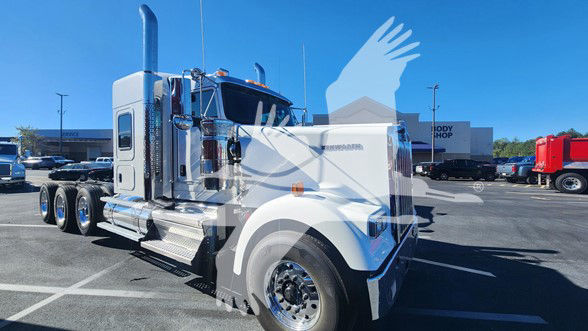
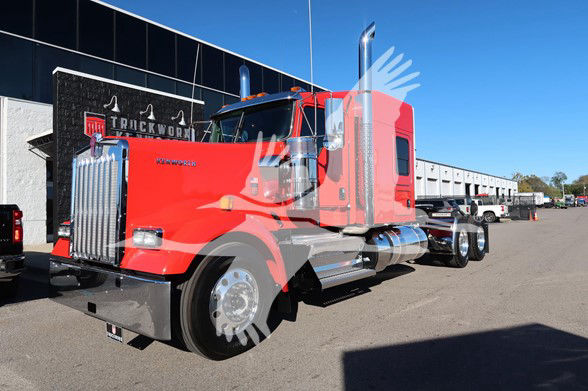
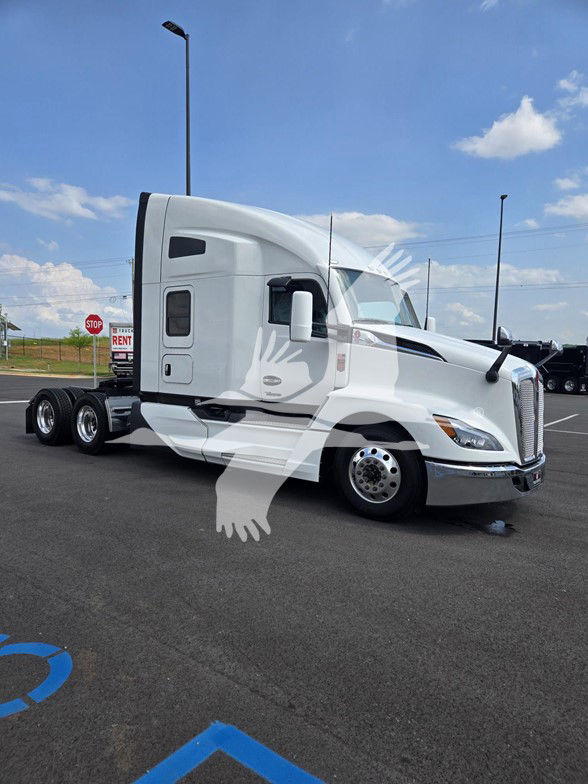
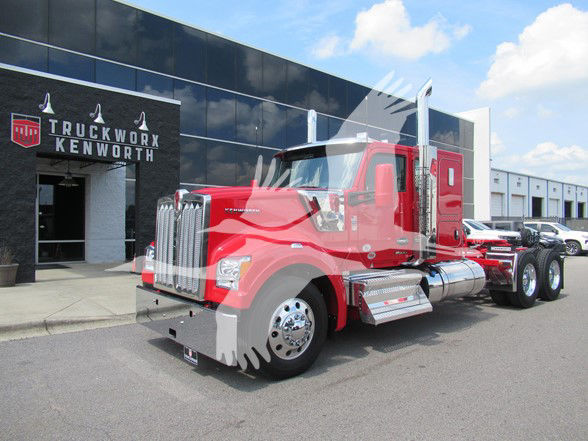
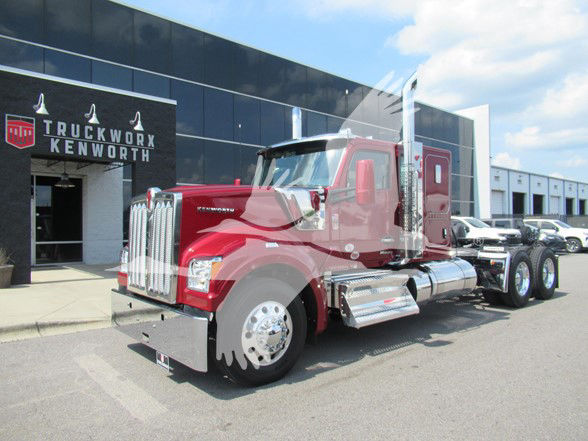
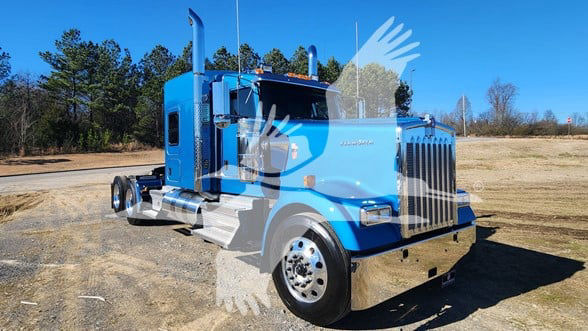
2026 Kenworth W990
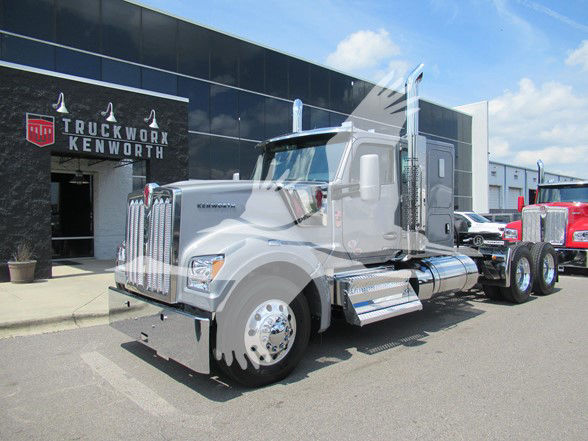
2026 Kenworth W990
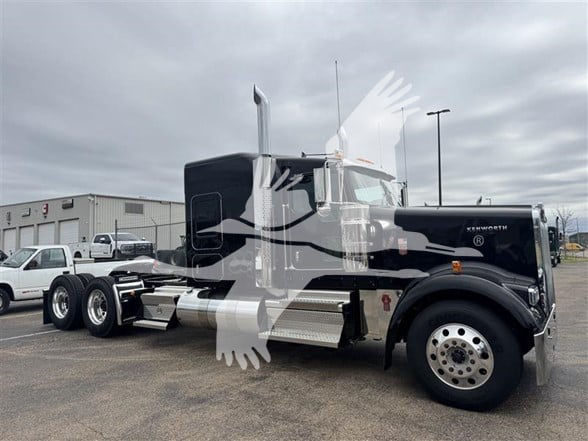
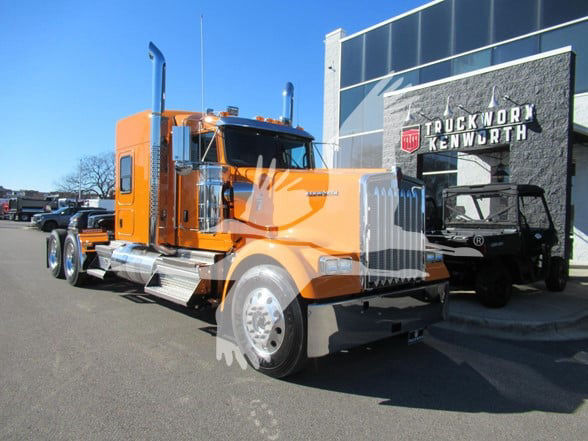
Selling a new kenworth conventional sleeper truck? List your new kenworth conventional sleeper truck for sale and reach thousands of commercial buyers.
New Kenworth Conventional Sleeper Trucks in Alabama
Sleeper selection is about more than bunk length. Flat top, mid-roof, and larger sleeper configurations affect total height, weight, storage, and how the truck fits the job. Buyers should compare sleeper size with fuel capacity, battery box placement, fairing package, and frame layout, especially if the truck will carry APUs, headache racks, wet kits, or deck plates. On new Kenworth sleepers, common decision points include PACCAR MX or Cummins X15 power, horsepower and torque ratings, 12-speed automated or 18-speed manual transmissions, and suspension choices such as AG400L or Neway. Rear axle ratio, wheelbase, and fifth wheel position all influence startability, cruise RPM, bridge compliance, and trailer swing clearance.
A buyer looking at Alabama lanes should also think about heat, terrain, and freight mix. Long interstate runs and dry van or reefer work often favor an aerodynamic spec with weight-conscious components and predictive cruise features. Flatbed, open deck, specialized, and oversized work may push the decision toward a long-hood Kenworth with higher horsepower, a double-frame option, a manual transmission, and a lowboy-friendly ride height. If uptime is a priority, review radiator size, aftertreatment access, emissions warranty terms, and service network support along your operating corridor. Interior layout also matters on a sleeper truck that will stay on the road for days at a time, so storage access, bunk design, inverter prep, and insulation should be evaluated as carefully as engine and drivetrain specs.
Kenworth conventional sleeper trucks hold their place in the market because they give buyers a wide range of chassis and cab configurations without forcing a one-size-fits-all spec. The best choice usually comes down to matching the truck to revenue miles, average gross combination weight, trailer length, and how long the truck is expected to stay in service. A properly spec'd new sleeper should balance resale value, driver retention, maintenance access, and fuel economy, not just peak horsepower. On this category page, it makes sense to compare hood style, sleeper size, engine family, suspension, and transmission together, because those are the decisions that shape total cost of ownership.
Frequently Asked Questions about New Kenworth Conventional Sleeper Trucks in Alabama
What is the difference between a Kenworth T680 and a Kenworth W990 or W900L sleeper?
The T680 is Kenworth's aerodynamic conventional sleeper, built to reduce drag and improve fuel efficiency on highway freight. The W990 and W900L use a traditional long-hood layout that appeals to buyers who want a classic appearance, heavier front-end packaging, and a truck that is often easier to tailor for specialized, heavy-spec, or owner-operator applications. The right choice depends on freight type, annual mileage, desired wheelbase, and how much emphasis you place on fuel economy versus heavy-duty spec flexibility and styling.
What engine and transmission specs are common in new Kenworth conventional sleeper trucks?
New Kenworth sleeper trucks are commonly ordered with Cummins X15 or PACCAR MX engines, depending on model and application. Horsepower ratings often range from linehaul-friendly mid-400s up into the 500-plus range for heavier work, and torque ratings should be matched to gross combination weight and terrain. Transmission choices usually center on automated manuals for fleet efficiency and driver accessibility, or 18-speed manuals for buyers who want maximum control in heavy haul, lowboy, or specialized service.
How do I choose the right sleeper size for a conventional truck?
Sleeper size should match trip length, driver schedule, and chassis packaging requirements. A smaller flat top sleeper can save weight and keep overall height down, while a larger sleeper adds storage, living space, and comfort for extended over-the-road use. Buyers should also account for fuel tank capacity, APU placement, fairings, wheelbase, and any frame-mounted equipment because sleeper size changes how the entire truck can be laid out.
Are long-hood Kenworth sleepers practical for heavy-haul or flatbed work?
Yes, many buyers prefer long-hood Kenworth sleepers for flatbed, lowboy, and specialized hauling because they can be spec'd with higher horsepower, manual transmissions, robust suspensions, and ride heights suited to specialized trailers. They also offer strong owner-operator appeal and a chassis layout that can be useful when adding wet kits or other equipment. The tradeoff is that these trucks are generally less aerodynamic than a T680, so fuel burn and maneuverability should be considered against the job requirements.
What should Alabama buyers focus on when comparing new sleeper truck specs?
Alabama buyers should focus on cooling capacity, highway gearing, emissions service support, and the kind of freight the truck will pull across the Southeast. Hot weather, long interstate corridors, and mixed freight can make radiator performance, idle management, and fuel range especially important. It also helps to compare axle ratios, fifth wheel placement, and suspension spec against the trailers you actually run, because those details affect tire wear, drivability, and payload efficiency more than the badge on the hood.