
New 2025 Conventional Sleeper Trucks For Sale in Alabama
Shop new 2025 conventional sleeper trucks in Alabama. Compare sleeper sizes, wheelbase, engine, transmission, and long-haul specs.
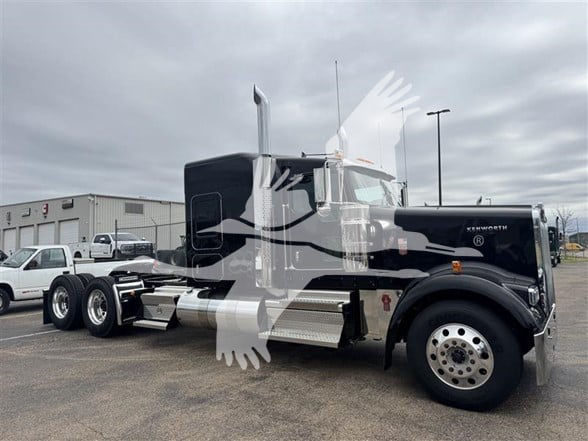
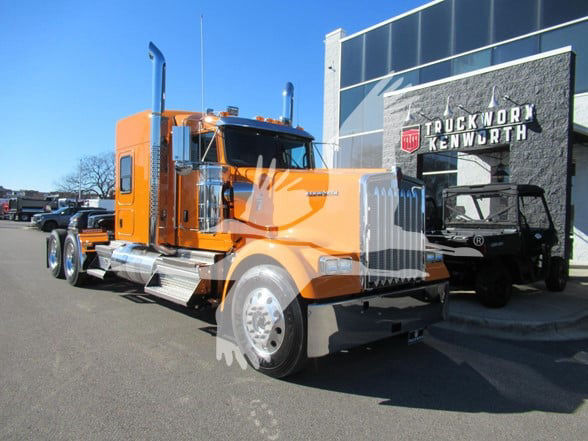
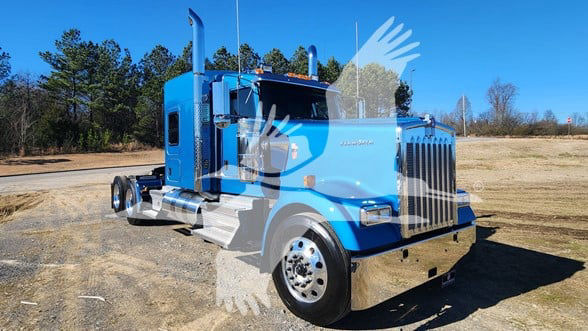
Selling a new 2025 conventional sleeper truck? List your new 2025 conventional sleeper truck for sale and reach thousands of commercial buyers.
New 2025 Conventional Sleeper Trucks in Alabama
The biggest buying decisions usually start with sleeper size, wheelbase, and powertrain. Common sleeper configurations range from compact 52-inch flat tops to larger 72-inch sleepers with more storage and room for extended trips. A longer wheelbase can improve ride quality and visual appeal, but it also affects turning radius, bridge laws, and trailer gap setup. On new conventional sleepers, buyers often compare Cummins X15 ratings, manual versus automated transmissions, rear axle ratios, and suspension specs based on route profile and gross combination weight. Heavy-haul or performance-oriented setups may lean toward 13-speed or 18-speed manuals, while fleet-focused highway specs often prioritize automated transmissions, downsped drivetrains, and fuel economy.
Cab and chassis details matter more than many buyers expect. Hood length, axle set-back or set-forward layout, fuel tank capacity, fifth wheel placement, and frame length all influence how the truck works with a dry van, reefer, flatbed, or specialized trailer. Interior spec is just as important on a sleeper tractor. Look closely at bunk design, cabinet storage, HVAC performance, insulation, inverter prep, and mattress size if the truck will spend real time on the road. Safety and uptime features on newer models can include collision mitigation, adaptive cruise control, lane departure warning, LED lighting, disc brakes, and telematics integration. For Alabama operations, cooling package performance and APU or idle-management strategy can be especially important in hot-weather service.
Buyers comparing new 2025 conventional sleeper trucks should pay attention to application fit instead of badge alone. A premium long-hood model may be ideal for owner-operators focused on appearance, resale, and highway ride, while a more aerodynamic conventional sleeper may lower operating cost in high-mileage fleet use. Review front axle and rear axle ratings, suspension type, wheelbase, bunk height, and warranty coverage alongside the engine and transmission. The right conventional sleeper truck is the one that matches freight type, driver expectations, and total cost per mile over the life of the unit.
Frequently Asked Questions about New 2025 Conventional Sleeper Trucks in Alabama
What is a conventional sleeper truck?
A conventional sleeper truck is a Class 8 highway tractor with a forward engine hood and a built-in sleeper compartment behind the cab. It is designed for long-haul and regional operations where the driver may need to rest in the truck. Compared with a day cab, a sleeper adds bunk space, storage, and more room for overnight use.
What sleeper size is best on a new conventional sleeper truck?
The best sleeper size depends on trip length, driver preference, and chassis layout. A 52-inch sleeper is often enough for shorter over-the-road runs or buyers who want to keep wheelbase tighter. A 72-inch sleeper gives more living space, storage, and comfort for teams or extended trips, but it adds length and can affect maneuverability and weight distribution.
Should I choose a manual or automated transmission in a 2025 sleeper tractor?
That depends on the application and driver base. Manual transmissions such as 13-speed and 18-speed setups still appeal to buyers who want direct control, heavy-haul flexibility, or a traditional owner-operator spec. Automated transmissions are now common in linehaul service because they can improve shift consistency, reduce driver fatigue, and support fuel-economy-focused drivetrain programming.
What specs matter most when comparing conventional sleeper trucks for long-haul work?
The most important specs are usually engine rating, transmission type, rear axle ratio, wheelbase, sleeper size, suspension, and fuel capacity. Buyers should also check front and rear axle ratings, fifth wheel position, frame layout, and interior features that affect driver comfort. Those specifications determine how well the truck fits the trailer, route, payload, and expected miles per year.
Are long-hood conventional sleeper trucks practical for Alabama freight lanes?
They can be very practical when the application is mostly highway-based and the buyer values ride quality, cab space, and classic owner-operator styling. Alabama freight often involves major interstate corridors and longer regional runs where a sleeper tractor performs well. The tradeoff is that longer wheelbase trucks can be less maneuverable in tight docks, urban delivery points, or crowded yards.