
New 2025 Conventional Sleeper Trucks For Sale
Shop new 2025 conventional sleeper trucks built for long-haul freight, fuel efficiency, driver comfort, and modern safety technology.
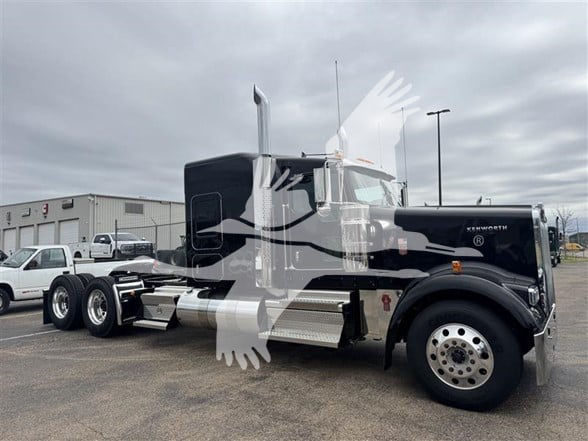
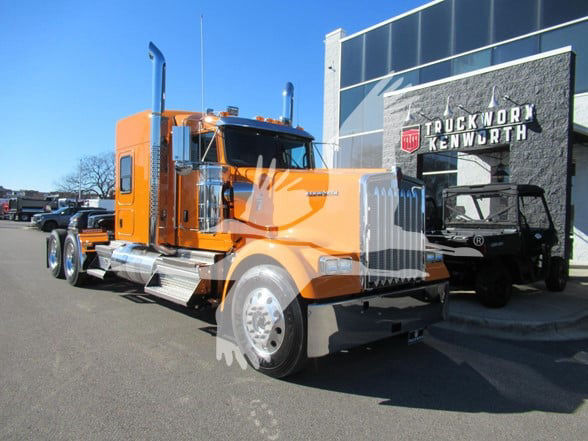
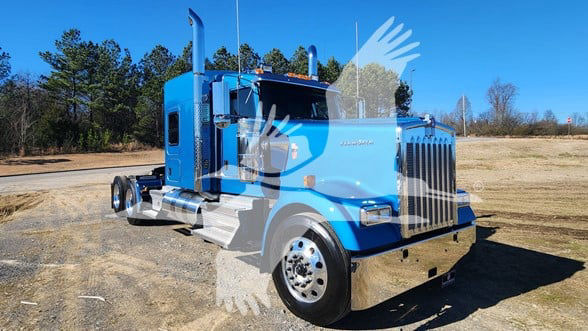
Selling a new 2025 conventional sleeper truck? List your new 2025 conventional sleeper truck for sale and reach thousands of commercial buyers.
New 2025 Conventional Sleeper Trucks
For 2025 models, the biggest decision is usually between maximizing fuel efficiency or prioritizing higher horsepower for heavier gross weights and tougher terrain. Common specs in this class include 4x2 and 6x4 configurations, front axles around 12,000 to 13,200 pounds, tandem rears at 40,000 to 46,000 pounds, and engines in the 400 to 500-plus horsepower range with torque ratings commonly from 1,650 to 1,850 lb-ft. Automated manual transmissions dominate this segment because they improve shift consistency, help with driver onboarding, and support fuel-saving calibration strategies. Rear axle ratios in the low-2s remain popular for linehaul fuel economy, but application still matters. Fleets running mountain routes, dense traffic, or heavier trailers may prefer a different ratio and transmission setup to keep the truck responsive under load.
Sleeper design is no longer just about bunk length. Buyers should compare roof height, cabinet layout, pass-through room, refrigerator space, inverter capacity, idle-reduction equipment, and factory provisions for microwave or TV installation. Features such as parking coolers, bunk heaters, premium mattresses, shore power, and larger fuel capacity can make a measurable difference in driver retention on long runs. Safety and driver-assist technology also matter more in late-model highway tractors, with many 2025 conventional sleepers offering adaptive cruise control, collision mitigation, lane support systems, disc brakes, and integrated camera systems. Aerodynamic packages, chassis fairings, lightweight wheels, and tire management systems can also reduce operating cost over high annual mileage.
A good 2025 conventional sleeper should be matched to the freight network, not just the sticker spec. A 72-inch to 77-inch sleeper may suit teams or extended OTR schedules, while a shorter sleeper can be the better fit for regional work with more frequent home time. Check fifth wheel slide range, kingpin-to-rear-axle dimensions, fuel tank placement, and wheelbase if the truck will pull a mix of trailer lengths or operate in states with stricter bridge and axle considerations. New conventional sleeper trucks also tend to carry the latest emissions, telematics, and service interval improvements, which can simplify compliance and maintenance planning for owner-operators and fleets alike.
Frequently Asked Questions about New 2025 Conventional Sleeper Trucks
What is a conventional sleeper truck?
A conventional sleeper truck is a highway tractor with the engine mounted in front of the cab and a built-in sleeper compartment behind the seats. It is designed for long-haul or multi-day freight operations where the driver needs onboard living space for rest periods. Compared with a day cab, a sleeper truck adds bunk space, storage, and amenities that support over-the-road work.
What sleeper size is best for long-haul trucking?
For long-haul freight, buyers often look at sleepers in the 60-inch to 80-inch range, with 72-inch to 77-inch configurations being especially common for solo OTR and team operations. The right size depends on trip length, driver preference, and how much interior storage or standing room is needed. Larger sleepers add comfort and storage but can also increase wheelbase and weight, so they should be matched to the route and trailer setup.
What engine and transmission setup is common in a new conventional sleeper?
Most new conventional sleeper trucks use diesel engines in roughly the 400 to 500 horsepower range paired with an automated manual transmission. Torque ratings often fall between 1,650 and 1,850 lb-ft for general highway freight. This setup is popular because it balances fuel economy, drivability, and performance, especially in fleets that want standardized operation and easier driver training.
Are 2025 conventional sleeper trucks good for fuel efficiency?
Yes, many 2025 conventional sleeper trucks are engineered with fuel economy as a priority. Aerodynamic hoods, chassis fairings, optimized roof profiles, automated transmissions, downsped drivetrains, and idle-reduction systems all contribute to lower fuel burn. Actual results still depend on route profile, gross weight, rear axle ratio, cruise speed, and how well the tractor is spec'd to the trailer it pulls.
What should buyers inspect when comparing new conventional sleeper trucks?
The most important areas to compare are axle ratings, wheelbase, sleeper layout, fuel capacity, rear axle ratio, fifth wheel position, and the availability of driver-assist and idle-reduction equipment. Buyers should also look at service network strength, warranty coverage, emissions system access, and telematics capability. A truck that looks similar on paper can perform very differently once it is loaded, assigned to a lane, and put on a real maintenance schedule.