
New 2025 Kenworth Conventional Sleeper Trucks For Sale
Shop new 2025 Kenworth conventional sleeper trucks including W900L and W990 models with popular sleeper, wheelbase, and powertrain specs.
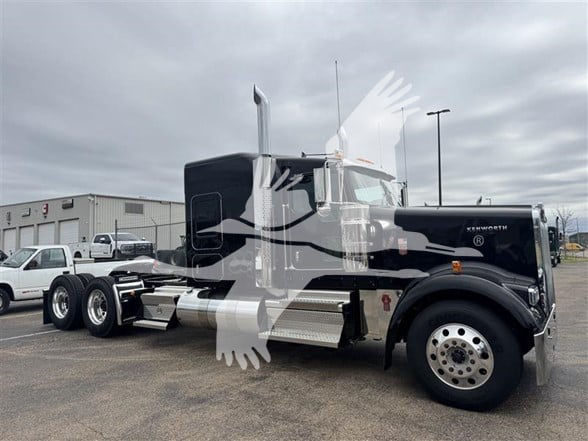
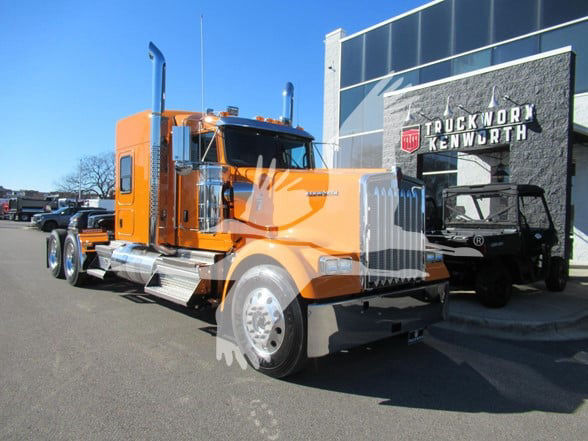
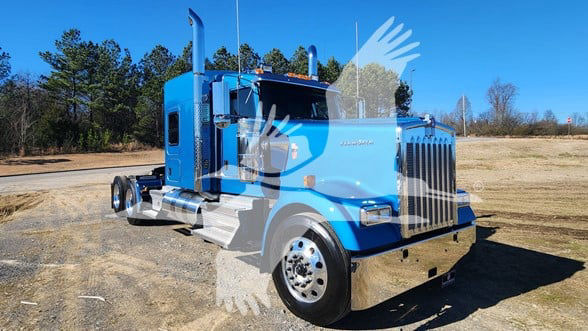
Selling a new 2025 kenworth conventional sleeper truck? List your new 2025 kenworth conventional sleeper truck for sale and reach thousands of commercial buyers.
New 2025 Kenworth Conventional Sleeper Trucks
The biggest buying decisions usually start with sleeper size, wheelbase, and powertrain. Common sleeper configurations in this class include 52-inch, 62-inch, and 72-inch sleepers, with flat top and Aerocab layouts both appearing depending on the intended route and driver preference. A 72-inch sleeper adds living space for over-the-road work, while a shorter 52-inch or 62-inch sleeper can help keep overall length and weight more manageable. On the power side, many new Kenworth conventional sleepers are spec'd with Cummins X15 engines in ratings that can range from fuel-conscious fleet setups to 500-plus horsepower applications, often paired with 13-speed or 18-speed manual or automated manual transmissions. Wheelbase matters here too, especially on W900L and W990 builds, because it affects trailer gap, ride quality, bridge law planning, and turning radius.
Kenworth conventional sleepers are often chosen by buyers who want a premium cab, strong resale appeal, and the ability to tailor the truck for flatbed, livestock, heavy haul, hopper, tanker, or general van service. Front axle and rear axle ratings, suspension choice, and rear ratio should match the freight. A lowboy or heavy-spec setup may call for an 18-speed, high-horsepower X15, and a suspension such as Neway, while a highway van or reefer tractor may be configured for fuel economy with a more moderate drivetrain. Buyers should also pay attention to frame layout, fifth wheel placement, fuel capacity, and factory provisions for headache racks, wet kits, or PTO-driven equipment if the truck will work beyond standard over-the-road service.
Cab environment and serviceability are just as important as the headline specs. New-model Kenworth sleepers typically offer upgraded insulation, improved storage, cleaner dash layouts, and driver-focused switch placement that matters on multi-day runs. A buyer comparing listings should look closely at sleeper trim level, bunk layout, refrigerator or cabinet options, air ride seating, driver-assistance technology, and the exact emissions and engine software package. On a truck in this class, small spec differences can change operating cost, driver acceptance, and resale value more than the badge alone. The right 2025 Kenworth conventional sleeper is usually the one with a sleeper size, wheelbase, axle package, and driveline built around the freight lane it will actually run.
Frequently Asked Questions about New 2025 Kenworth Conventional Sleeper Trucks
What are the most common 2025 Kenworth conventional sleeper models?
The most common new Kenworth conventional sleeper models in this category are the W900L and W990. Both are long-hood conventional tractors designed for sleeper use, but they can be configured very differently depending on the job. Buyers will see variations in sleeper length, wheelbase, transmission, rear suspension, axle ratings, and horsepower, so the model name alone does not tell the full story of how the truck is built.
What sleeper size is best on a Kenworth conventional sleeper truck?
The best sleeper size depends on route length, payload targets, and overall tractor length requirements. A 52-inch sleeper is often enough for regional or lighter over-the-road use, while a 62-inch or 72-inch sleeper gives the driver more room for long-haul work and team operations. Larger sleepers improve comfort and storage, but they also affect wheelbase, tare weight, and sometimes maneuverability.
What engine and transmission specs are common in new Kenworth sleeper trucks?
A common engine choice in this category is the Cummins X15, frequently paired with a 13-speed or 18-speed transmission depending on duty cycle. Higher horsepower and 18-speed setups are common in heavy haul, lowboy, and specialized applications, while linehaul tractors may be spec'd for a more balanced mix of fuel economy and pulling power. Rear axle ratio, suspension, and GCWR should always be reviewed with the engine and transmission as a complete package.
Is a W900L or W990 better for owner-operators?
Both can fit owner-operator use, but the better choice depends on priorities. A W900L is often favored by buyers who want traditional long-hood styling and proven appeal in custom and specialty specs. A W990 can appeal to buyers who want a premium highway tractor feel with modern features and strong visual presence. The smarter comparison is not just W900L versus W990, but sleeper size, wheelbase, driveline, and axle package versus the freight being hauled.
What should I compare first when shopping new 2025 Kenworth conventional sleeper trucks?
Start with the core operating specs: sleeper length, wheelbase, engine rating, transmission, rear axle ratio, suspension, and axle capacities. After that, compare fuel capacity, fifth wheel location, interior options, and any application-specific equipment such as wet kit prep or PTO capability. These details determine how the truck will perform on the road, how comfortable it is for the driver, and how well it fits the trailer and freight mix.