
New Freightliner Trucks For Sale in Alabama
Shop new Freightliner trucks for sale in Alabama, including vocational and on-highway models with modern powertrains and fleet-ready specs.
Selling a new freightliner truck? List your new freightliner truck for sale and reach thousands of commercial buyers.
New Freightliner Trucks in Alabama
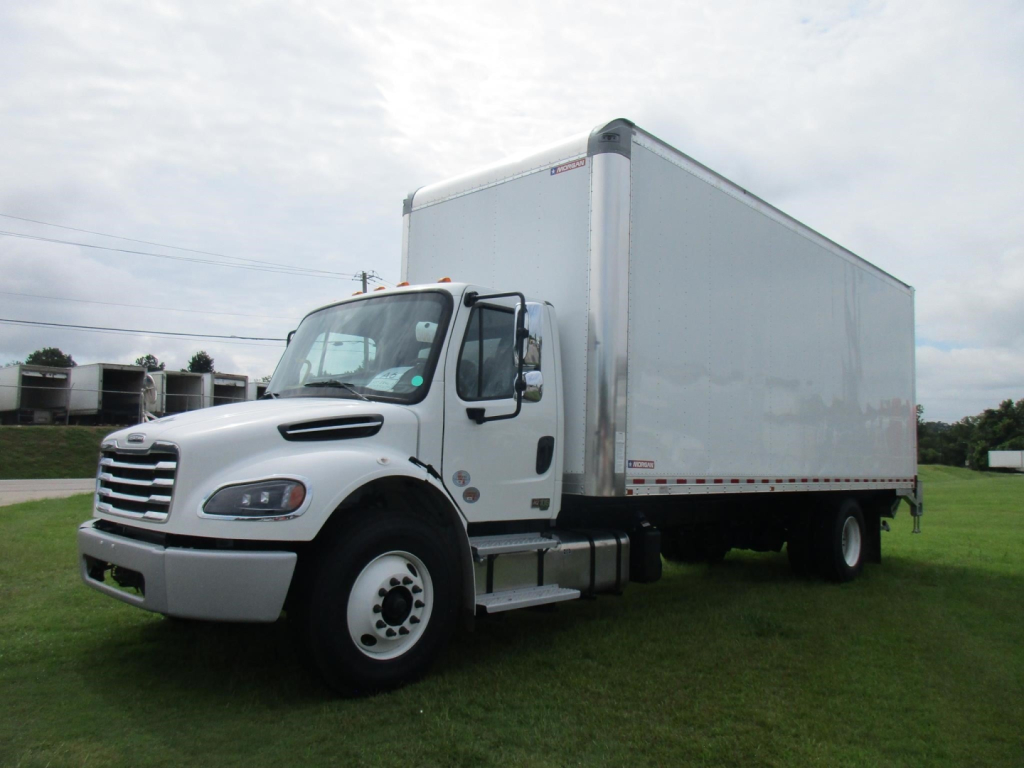
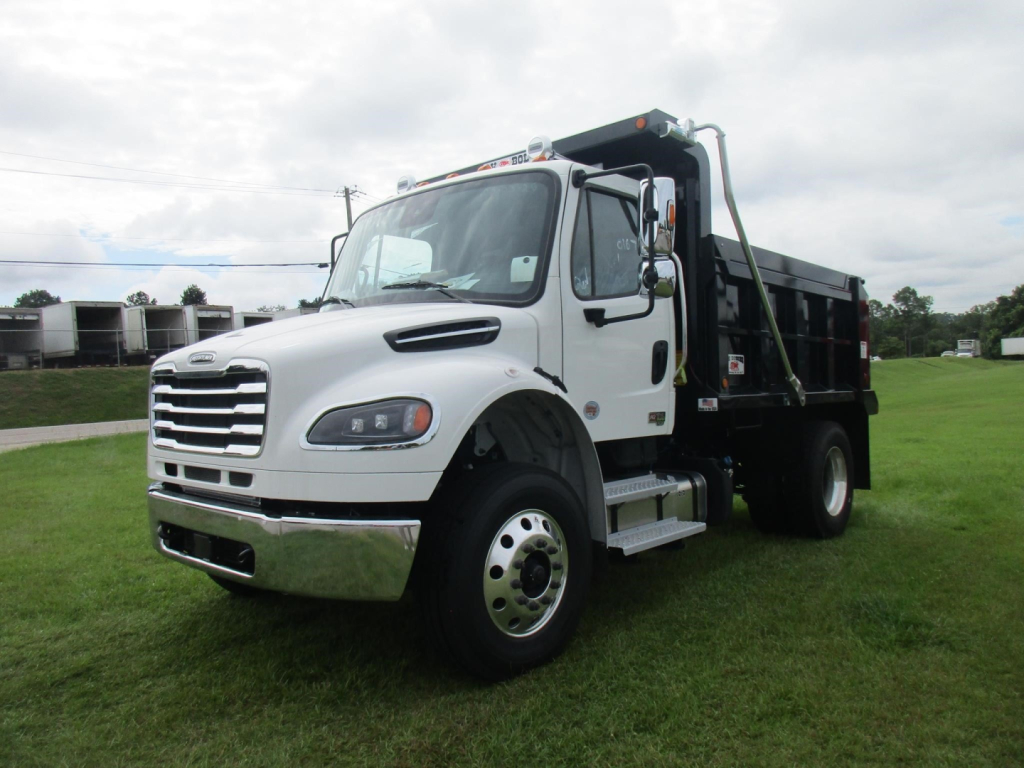
On the vocational side, Freightliner models such as the Business Class M2 106 are commonly spec'd for dump work, utility service, van bodies, flatbeds, roll-offs, and equipment hauling. In a market like Alabama, dump and construction applications often call for single-axle setups with shorter wheelbases for maneuverability, durable body packages, and automatic transmissions that reduce driver fatigue in stop-and-go work. A typical spec in this class may include a Cummins L9 in the 300 HP range, an Allison automatic, aggressive rear axle ratios, and 11R24.5 rubber. Those choices matter because they directly affect launch performance, PTO operation, payload balance, and how well the truck handles jobsite grades and secondary roads.
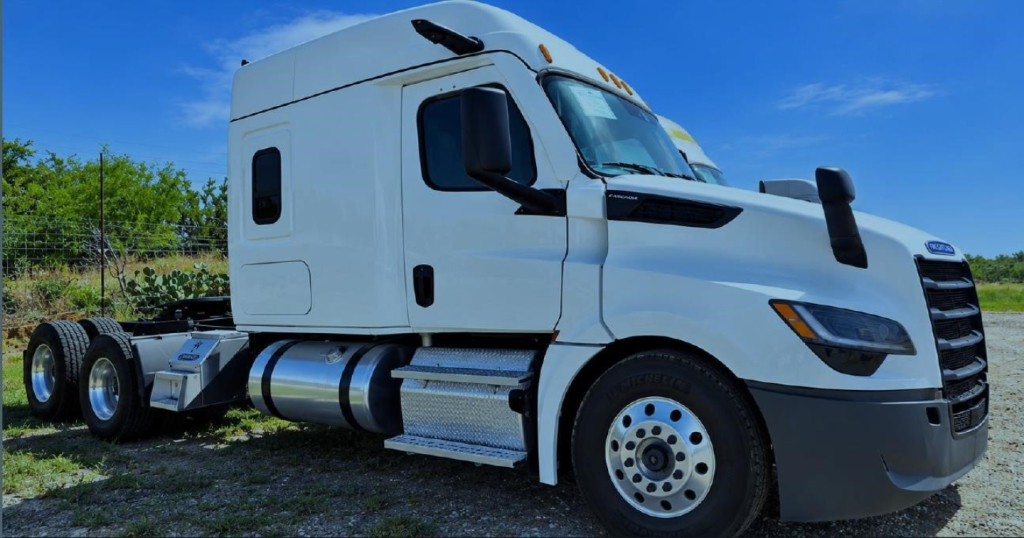
For buyers looking at new Freightliner trucks more broadly, the key is matching the chassis to the duty cycle. A Class 6 or Class 7 truck can be ideal for city and regional vocational work, while heavier tandem-axle or highway-oriented Freightliner models may be better suited for larger payloads, trailer pulling, or higher annual miles. Pay close attention to frame strength, suspension rating, front axle capacity, fuel tank sizing, and cab equipment. If the truck will carry a dump body, crane, service body, or dry van, confirm that the wheelbase and back-of-cab dimensions support the body length and clearances you need. Buyers should also look at PTO provisions, body builder integration, and driver-assist features that improve uptime and ease of operation.
A new Freightliner truck also brings advantages in driver comfort and fleet management. Modern interiors, better visibility, updated electronics, and available telematics can make a measurable difference in retention and maintenance planning. For Alabama operators running mixed highway and local routes, cooling performance, corrosion protection, and service access are practical considerations that deserve as much attention as horsepower. The best new Freightliner truck is not simply the highest-rated chassis. It is the one spec'd correctly for the load, the terrain, the body, and the number of stops it will see each day.
Frequently Asked Questions about New Freightliner Trucks in Alabama
What are the most important specs to compare on a new Freightliner truck?
The most important specs are GVWR, axle configuration, wheelbase, engine, transmission, rear axle ratio, and intended body or trailer use. Those items determine payload capacity, maneuverability, startability, PTO compatibility, and road speed. On vocational trucks, buyers should also verify frame section, suspension rating, front axle capacity, tire size, and body builder dimensions. A truck that looks similar on paper can perform very differently once it is loaded and put into daily service.
Is the Freightliner Business Class M2 106 a good choice for dump and vocational work?
Yes. The Freightliner M2 106 is widely used in dump, utility, box truck, stake bed, and municipal applications because it balances visibility, maneuverability, and vocational chassis flexibility. It is commonly available with Cummins power, Allison automatic transmissions, PTO capability, and wheelbase options that support many body lengths. For single-axle dump work, it is a popular platform because it can be spec'd for tight jobsite access without giving up durability.
Should I choose an automatic or manual transmission in a new Freightliner truck?
For many fleets, an automatic transmission is the practical choice, especially in dump, municipal, refuse, and urban delivery service. Automatics reduce driver fatigue, simplify training, and can improve consistency in stop-and-go operation. Manual transmissions still appeal in certain specialized applications or where driver preference and maintenance strategy support them, but many new vocational Freightliner trucks are ordered with Allison automatic transmissions because of their ease of use and PTO-friendly performance.
How do wheelbase and axle ratio affect a new Freightliner truck?
Wheelbase affects turning radius, bridge law considerations, body fitment, and load distribution. A shorter wheelbase improves maneuverability but may limit body length or create weight balance issues, while a longer wheelbase can improve stability and equipment packaging. Rear axle ratio affects launch, gradeability, and cruising RPM. A deeper ratio such as 5.22 is often useful in vocational service where loaded starts, slower road speeds, and jobsite work matter more than maximum highway fuel economy.
Why do buyers in Alabama often look at vocational Freightliner trucks?
Alabama has steady demand for trucks used in construction, aggregates, paving, utilities, and regional delivery. That makes vocational Freightliner models attractive because they can be configured for dump bodies, service applications, and local hauling with the right combination of engine, axle, suspension, and transmission. Strong dealer support and common parts availability also matter in a working market where downtime can cost more than the initial purchase price.