
New 2027 Commercial Trucks For Sale in Alabama
New 2027 commercial trucks for sale in Alabama: compare axle ratings, engine certification, body compatibility, warranty terms, and federal excise tax.
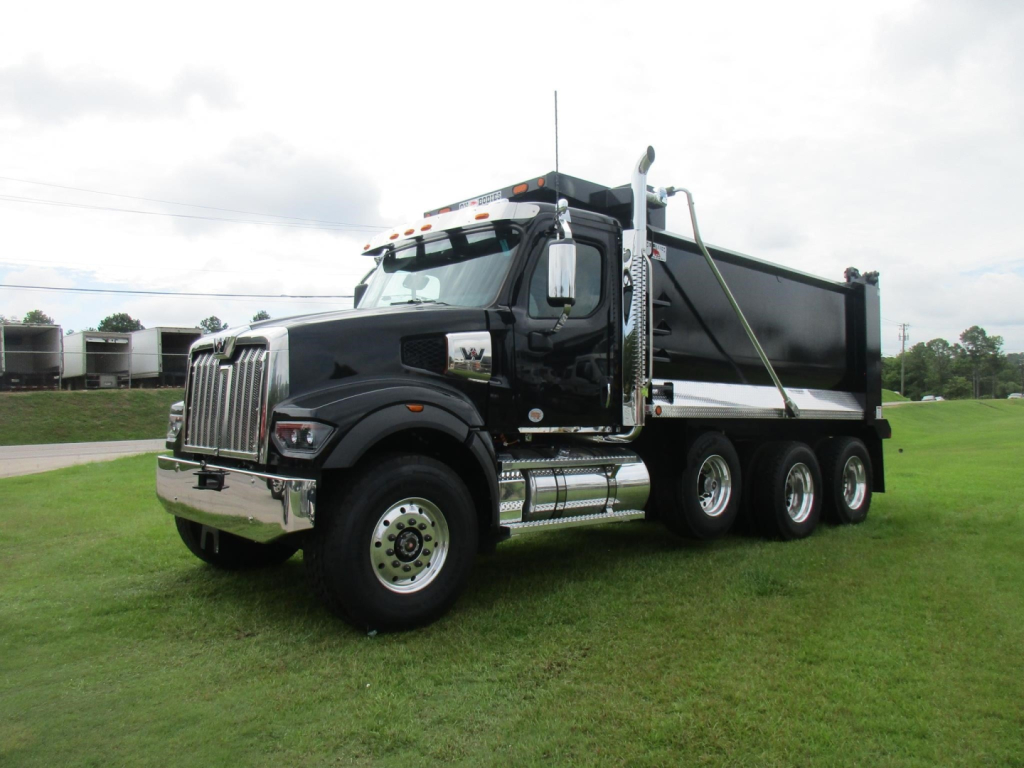
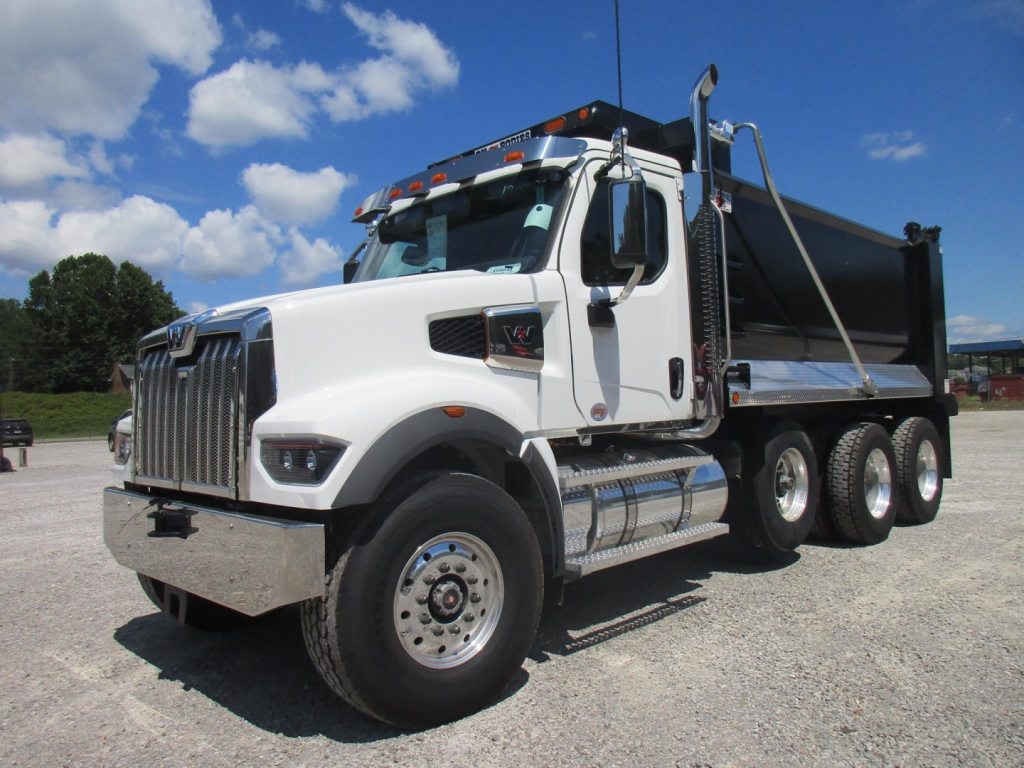
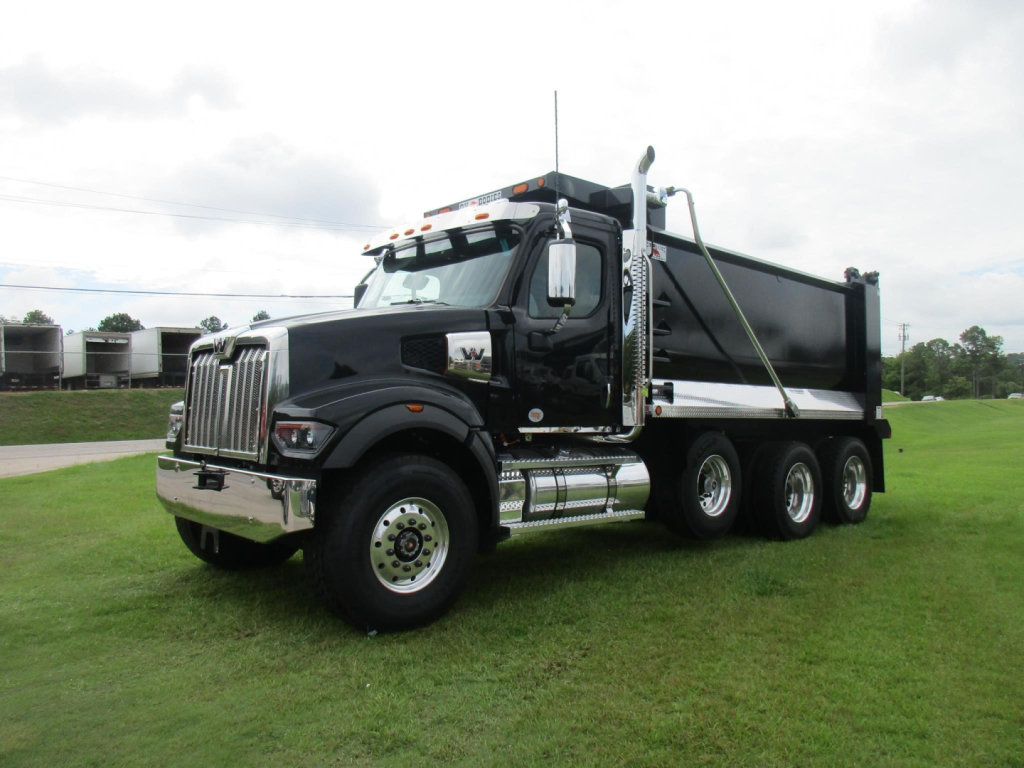
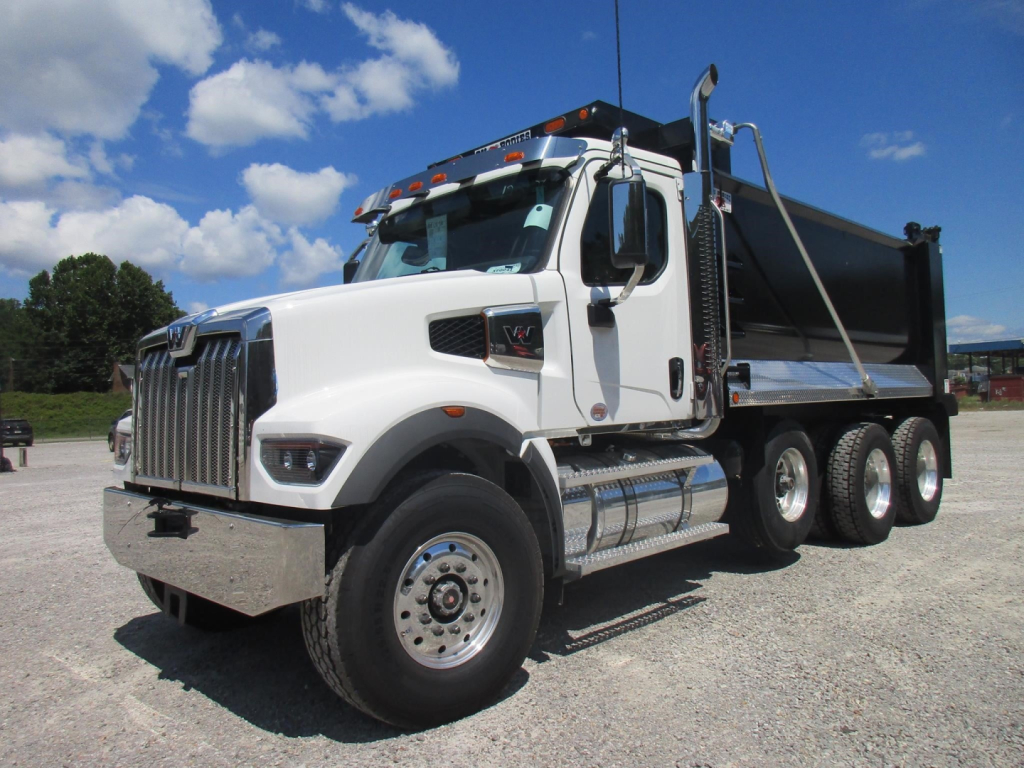
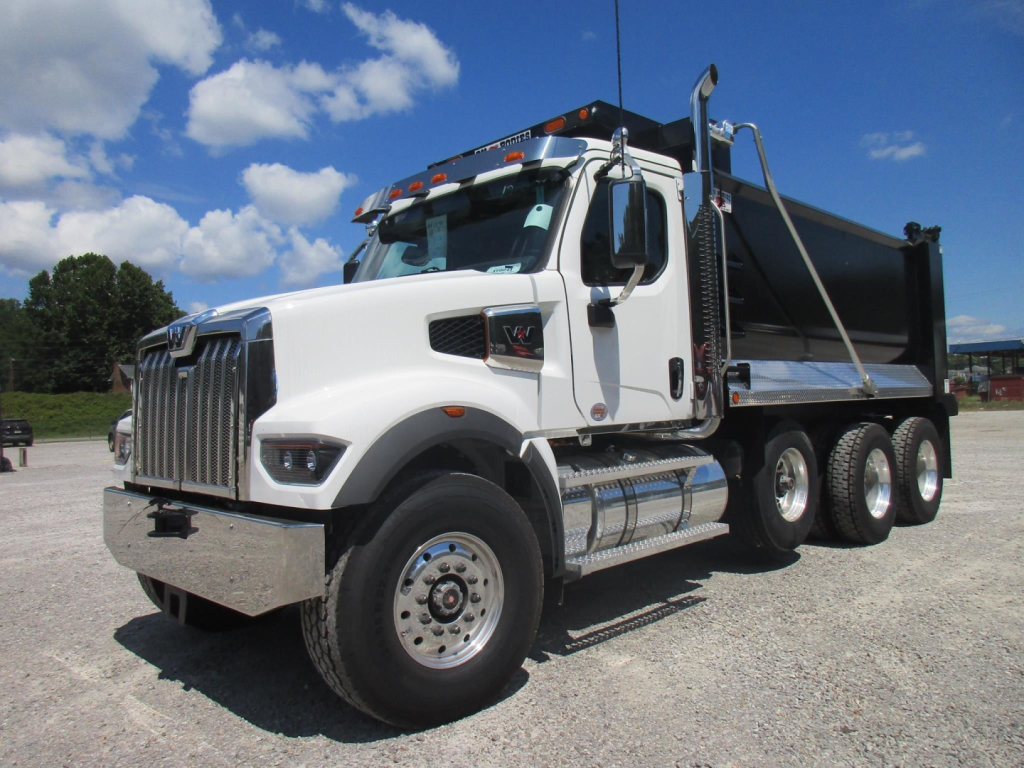
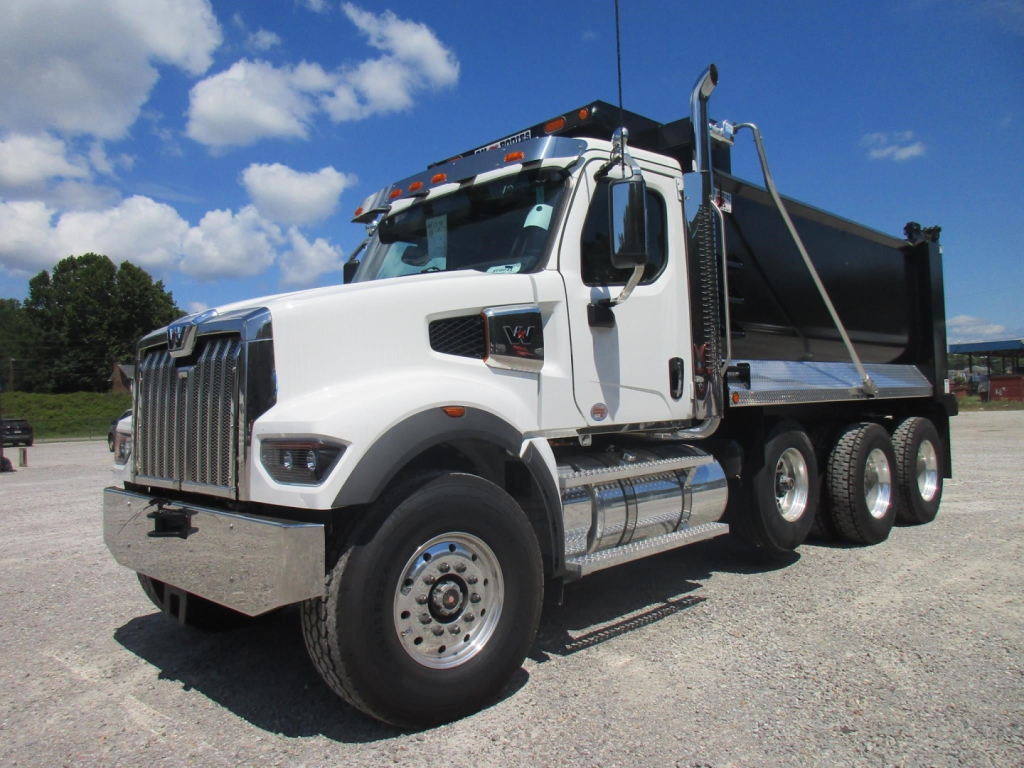
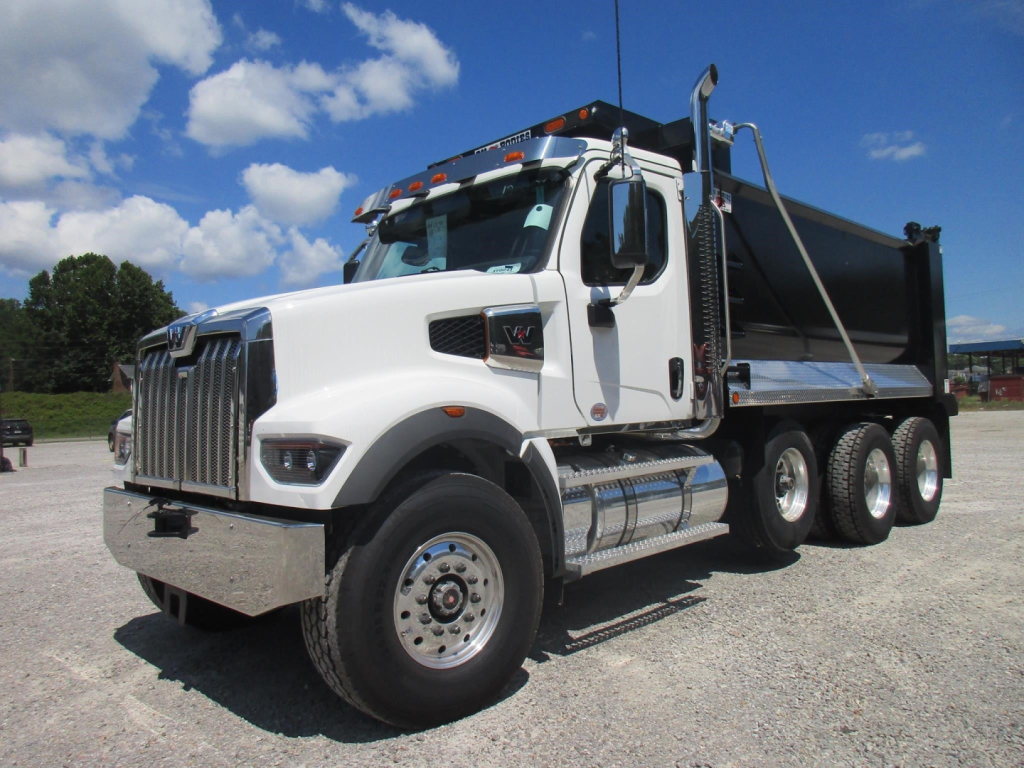
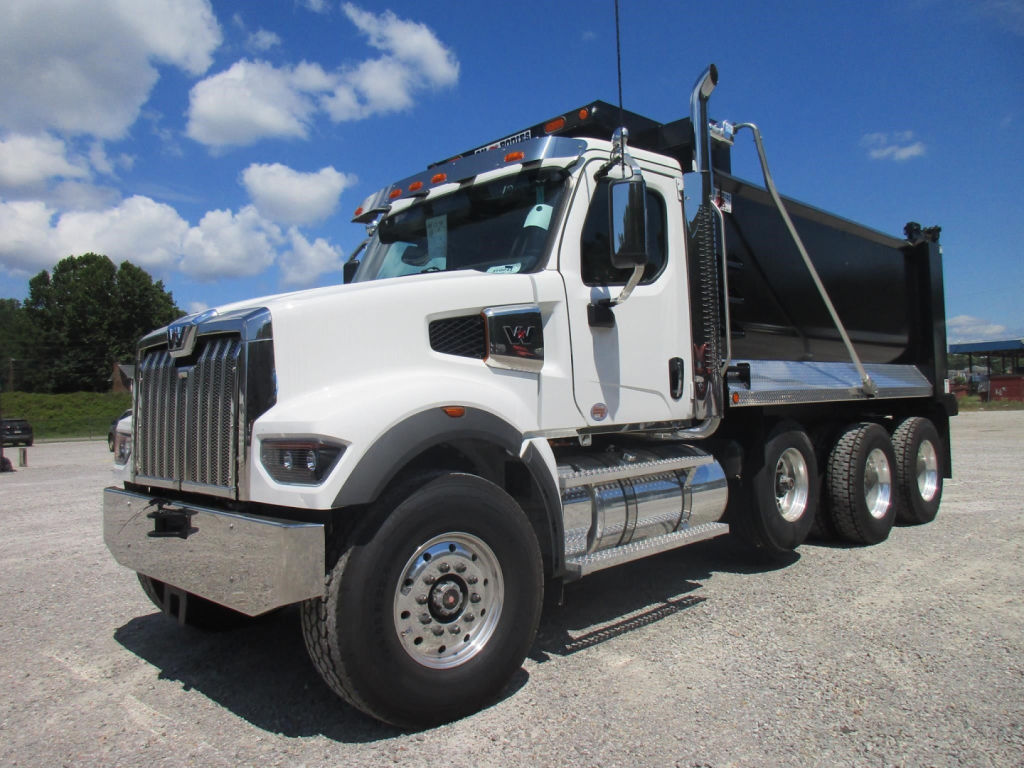
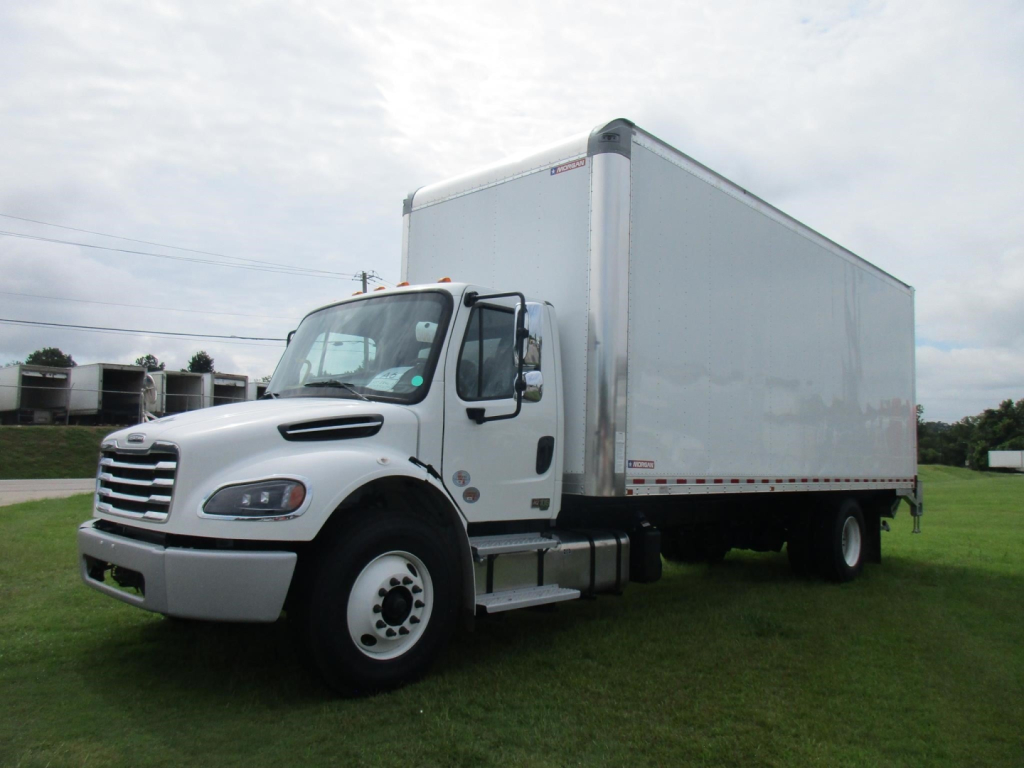
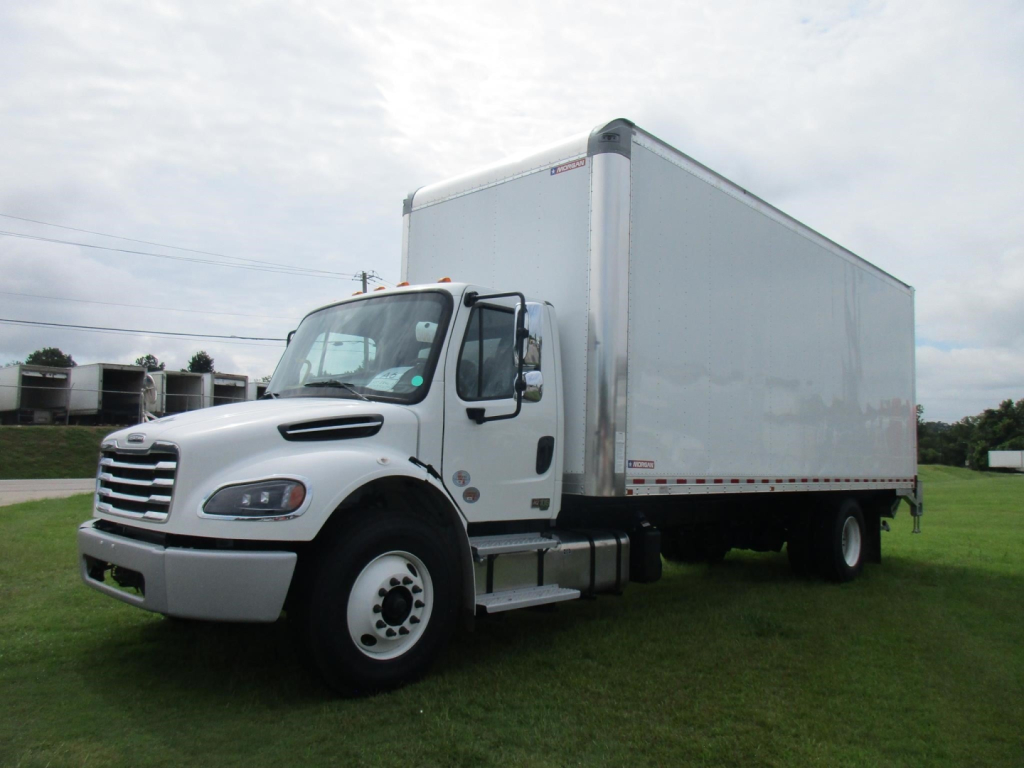
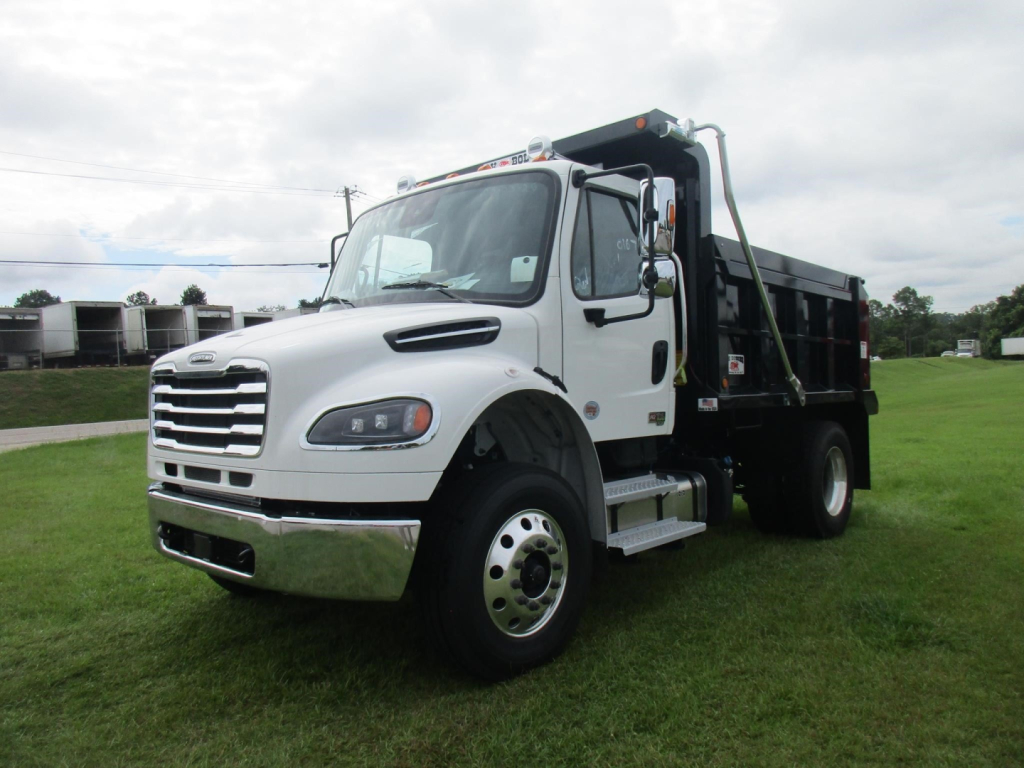
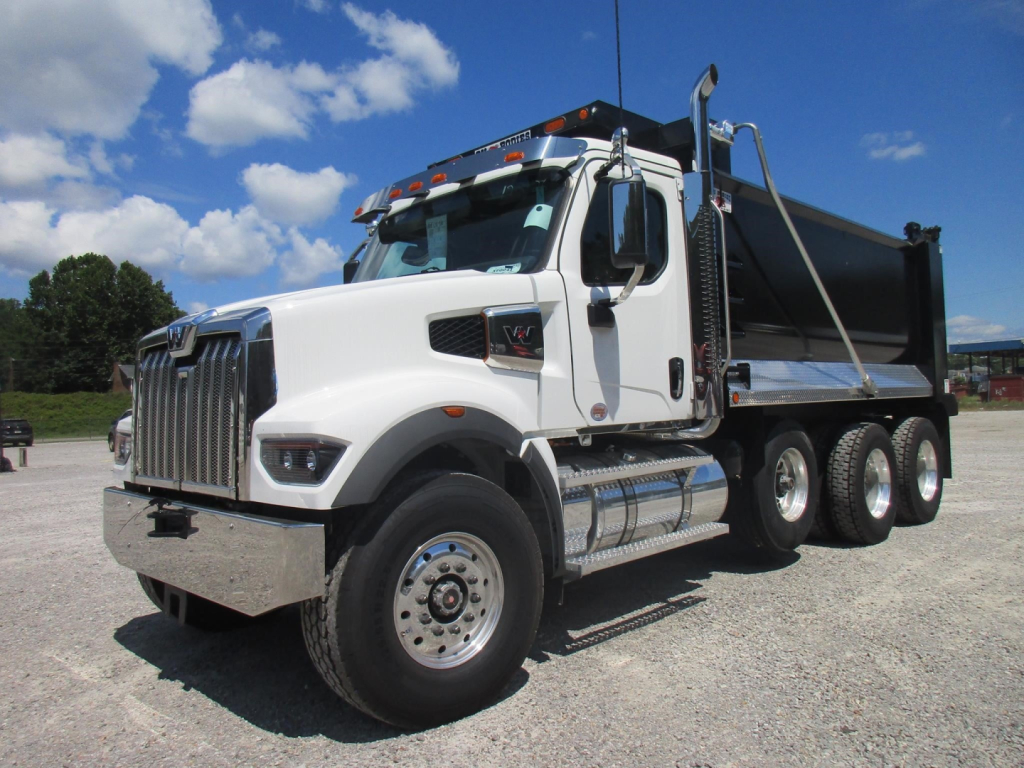
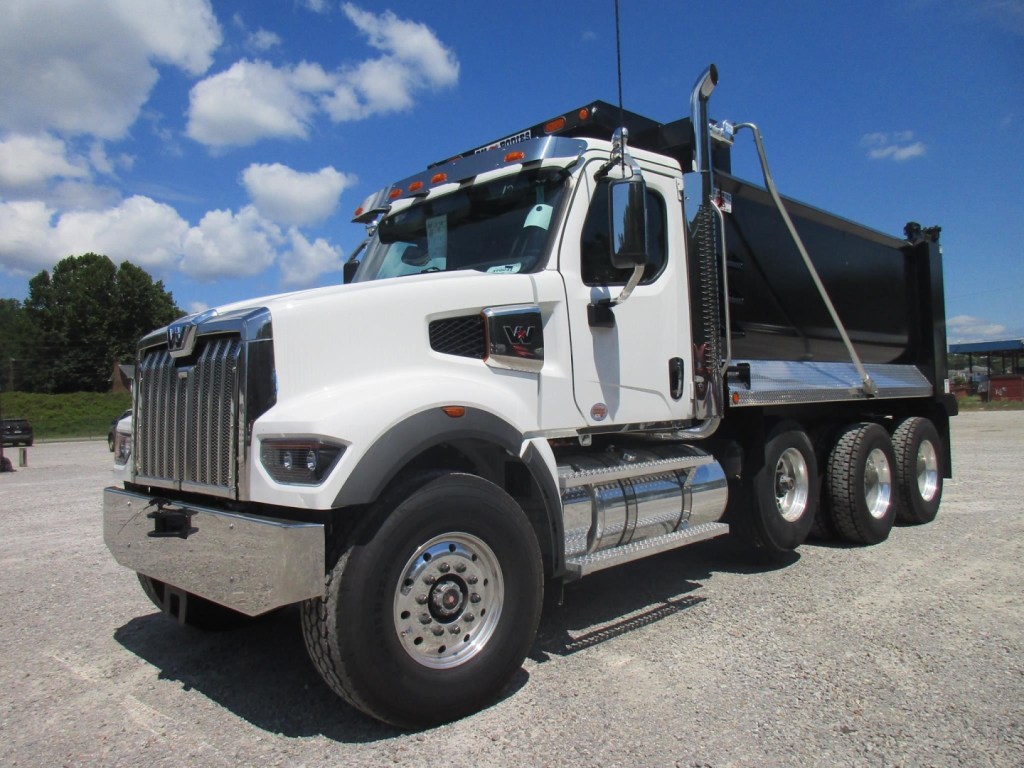
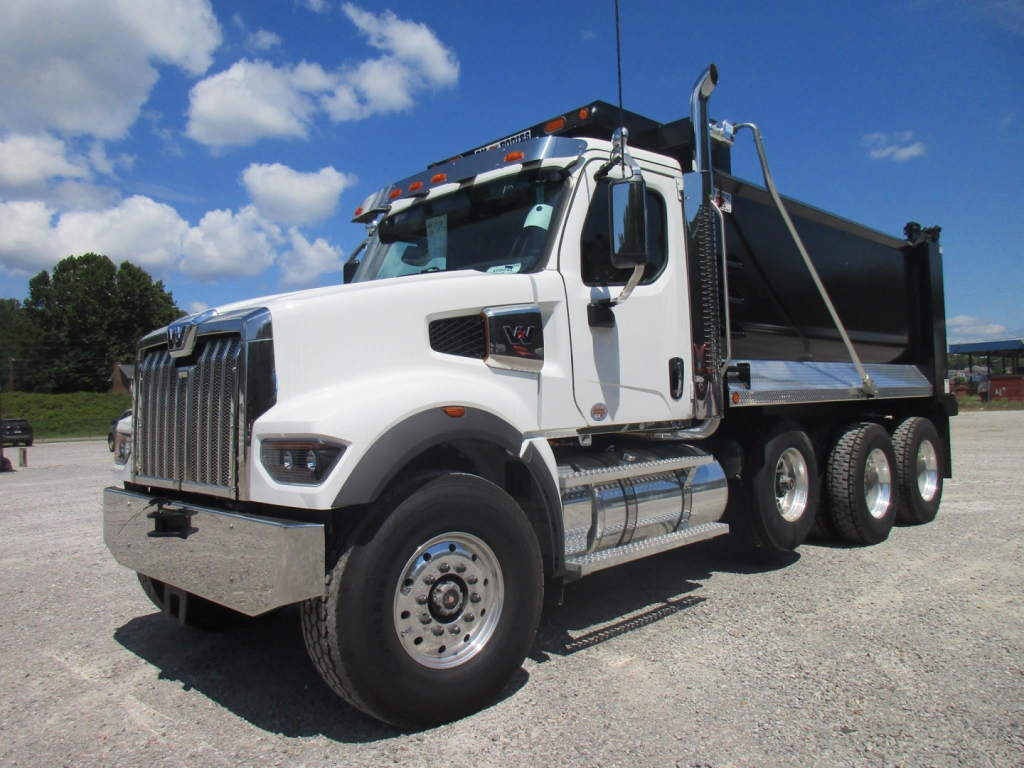
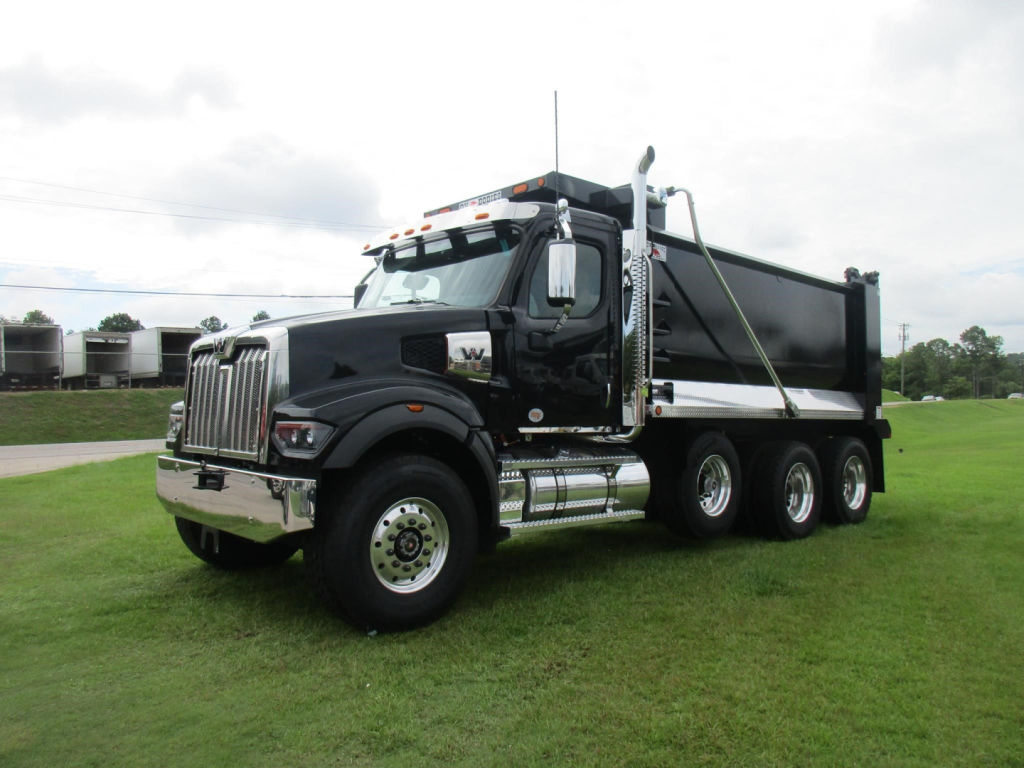
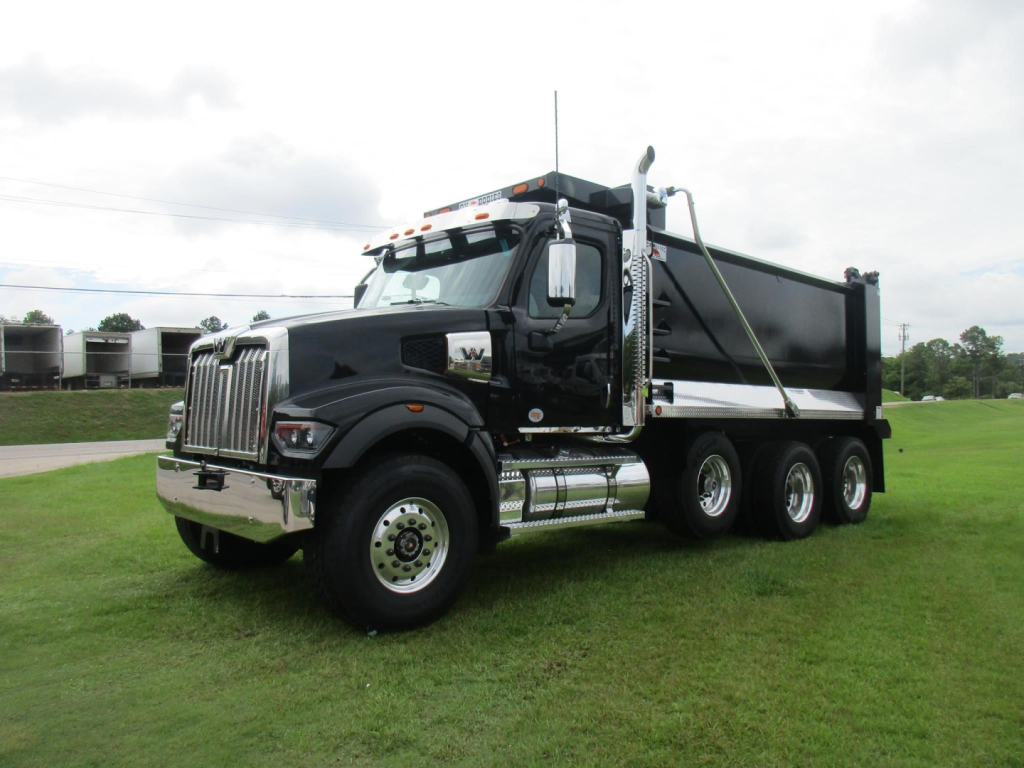
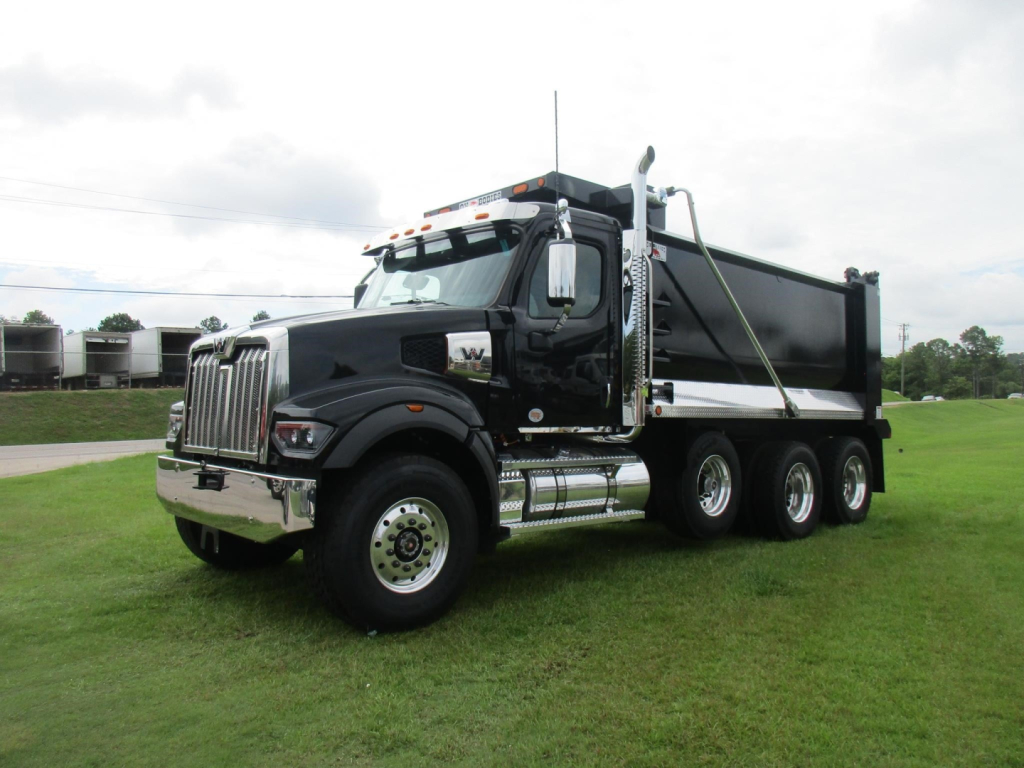
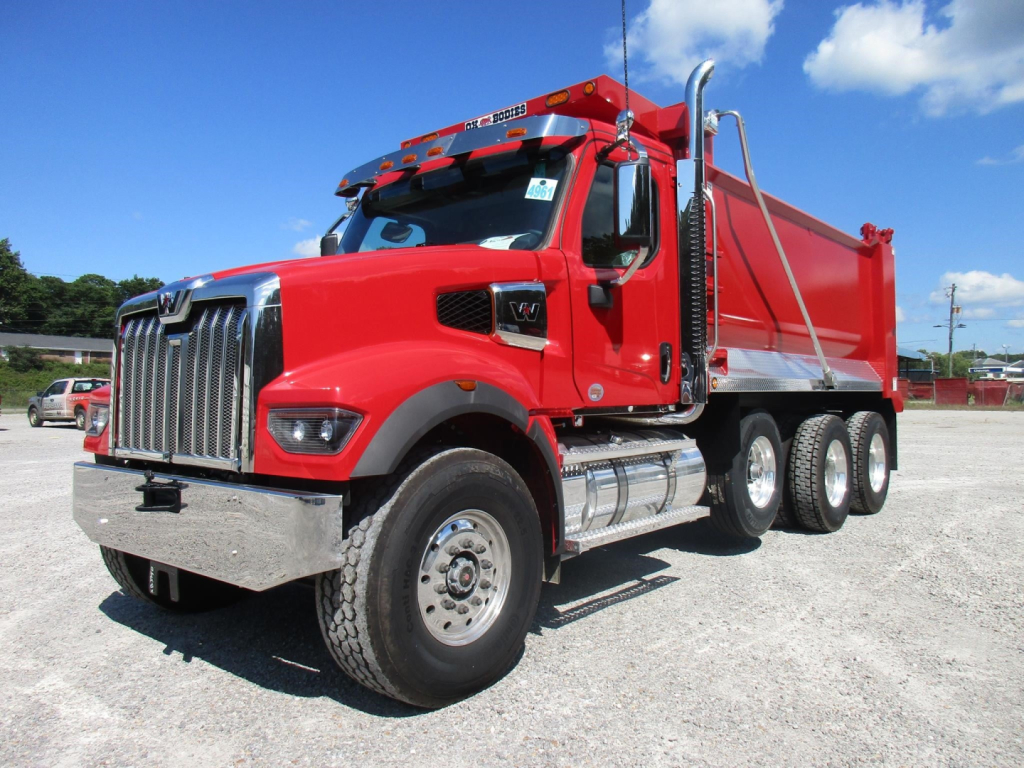
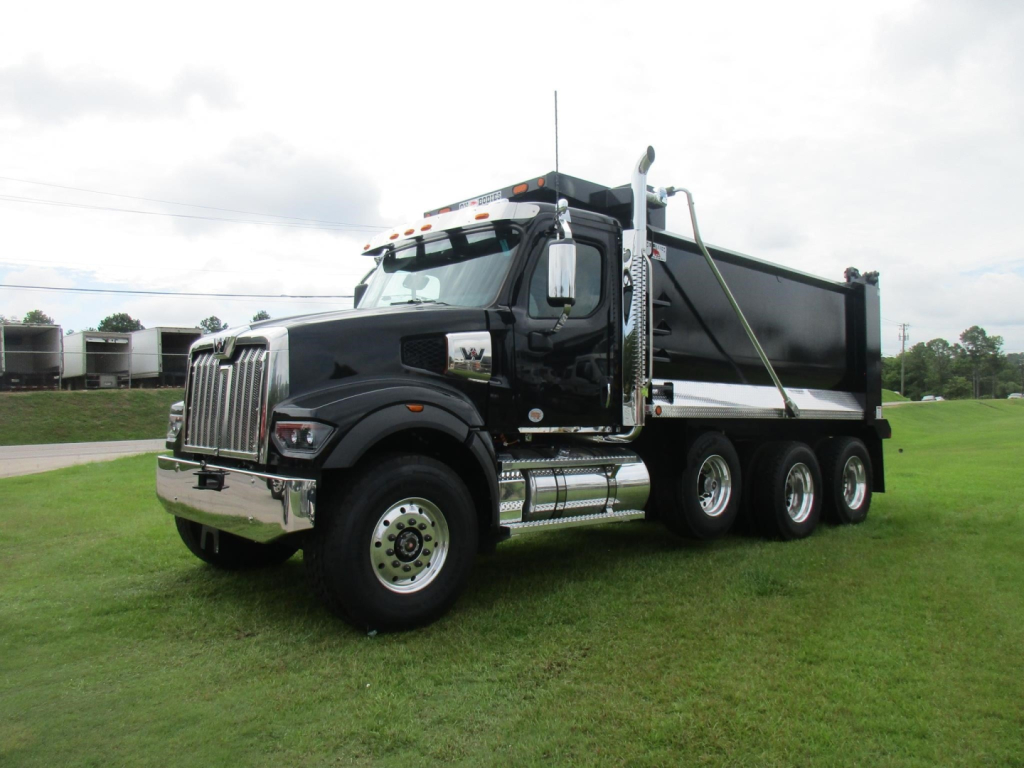
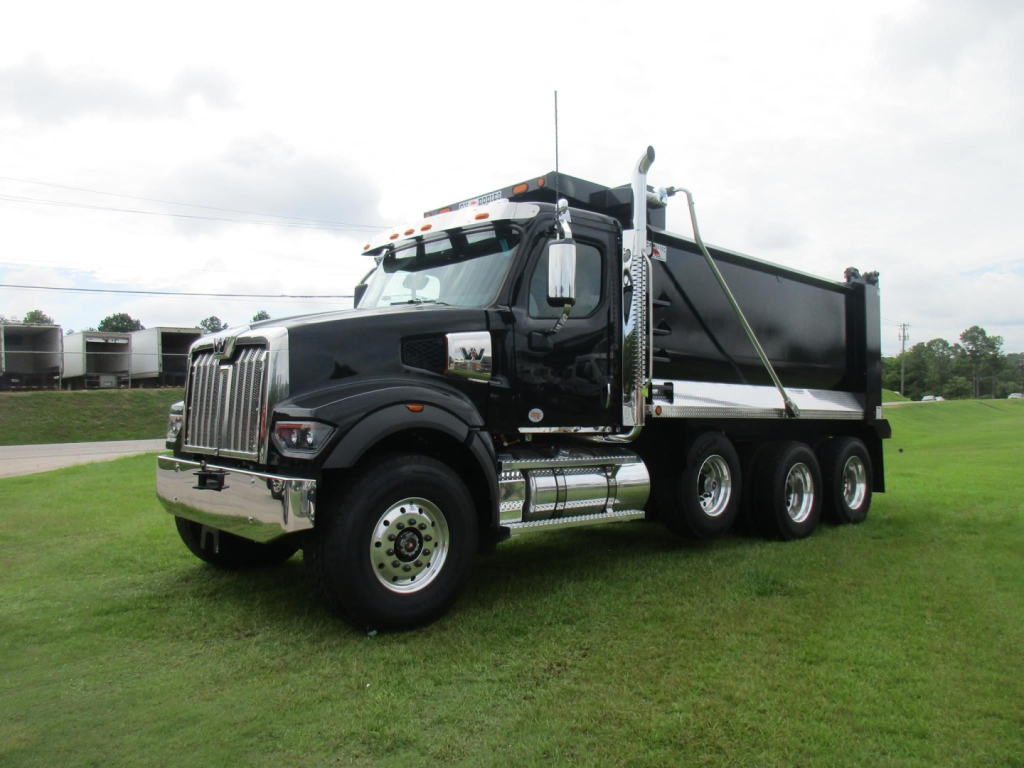
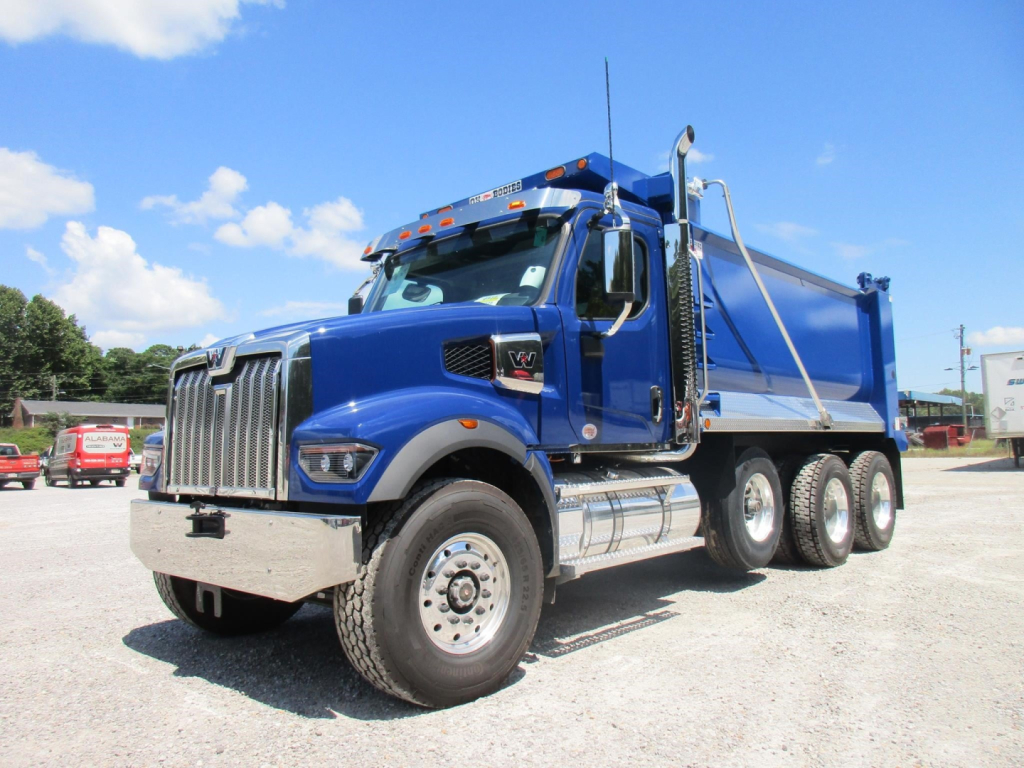
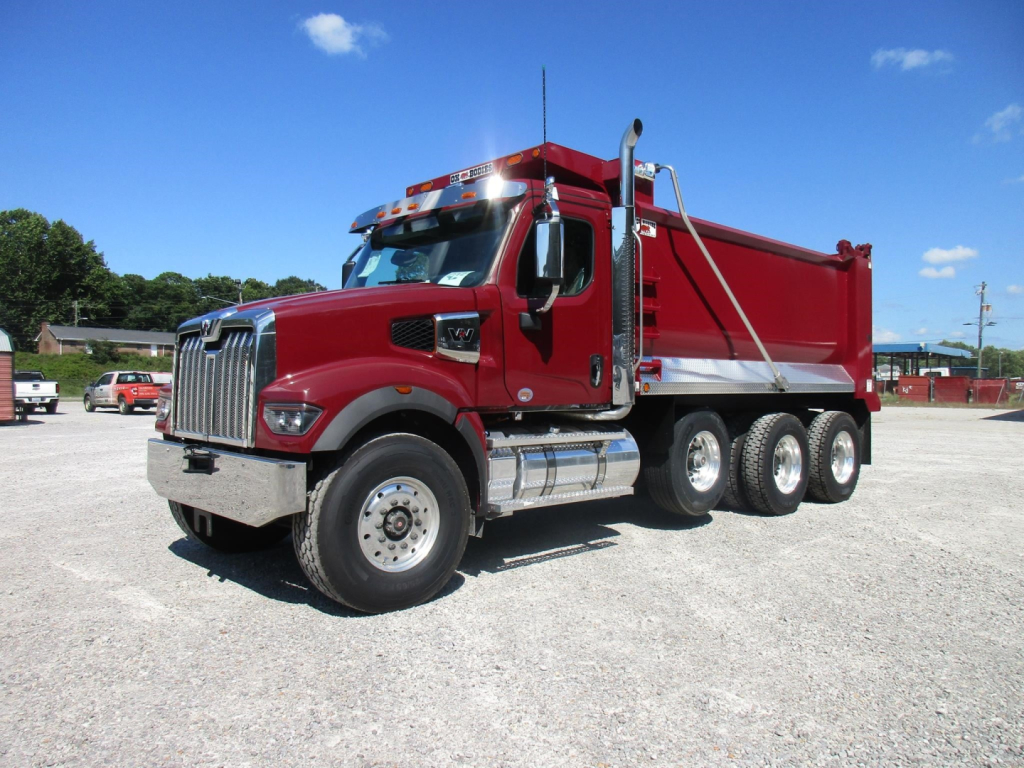
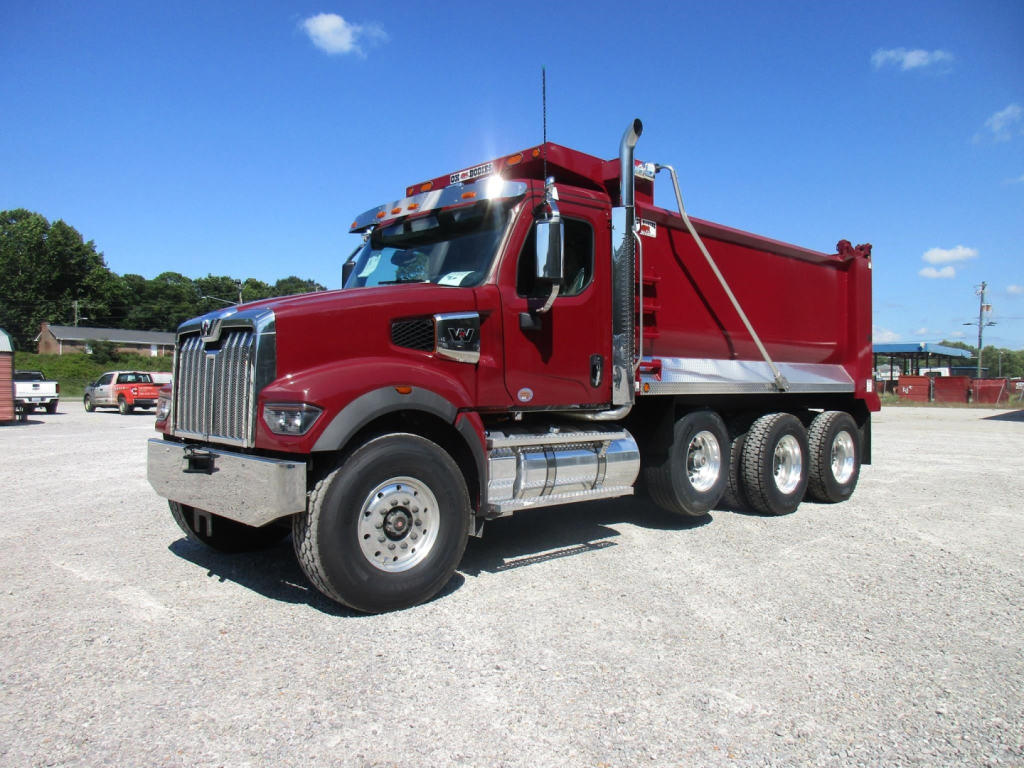
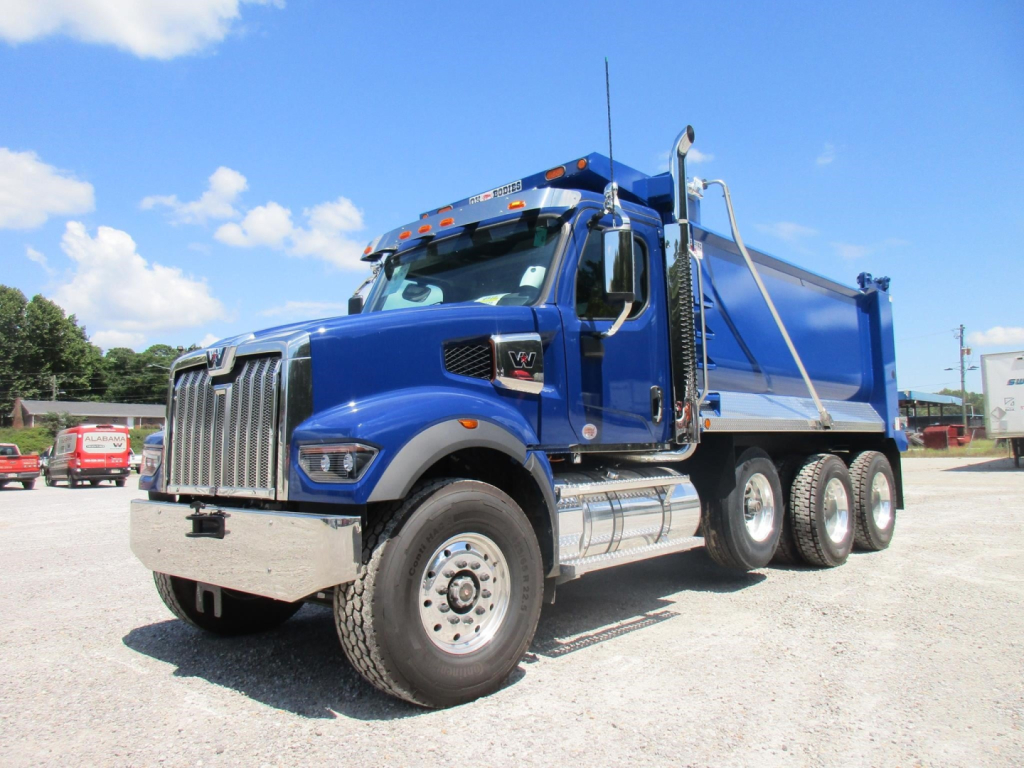
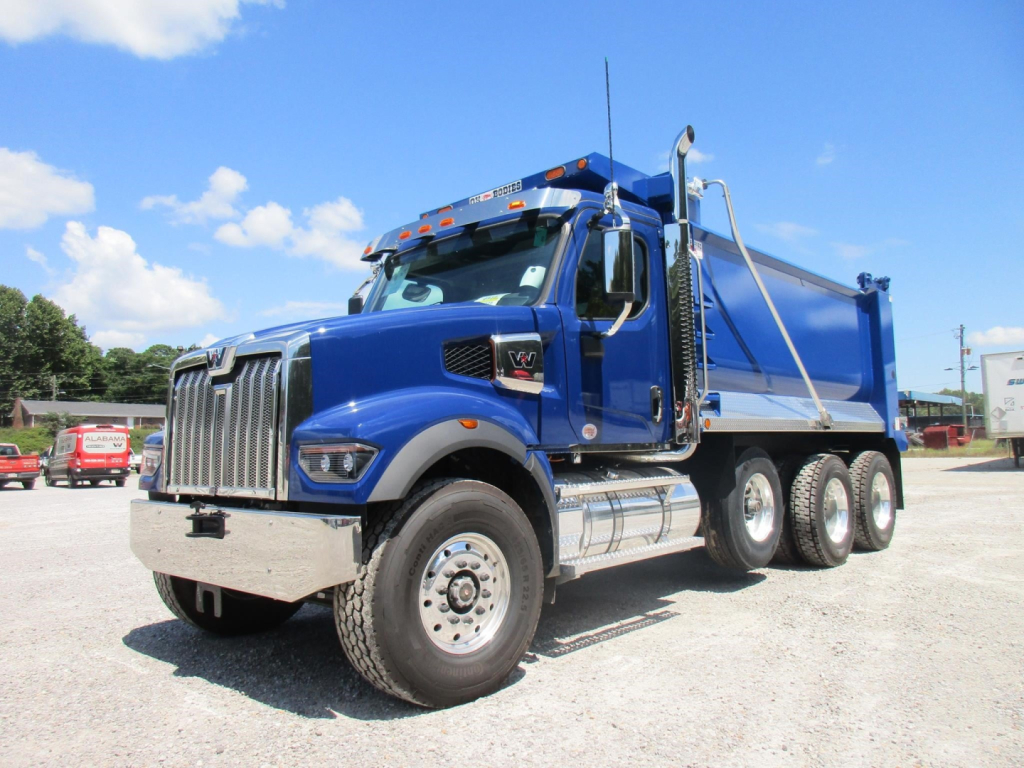
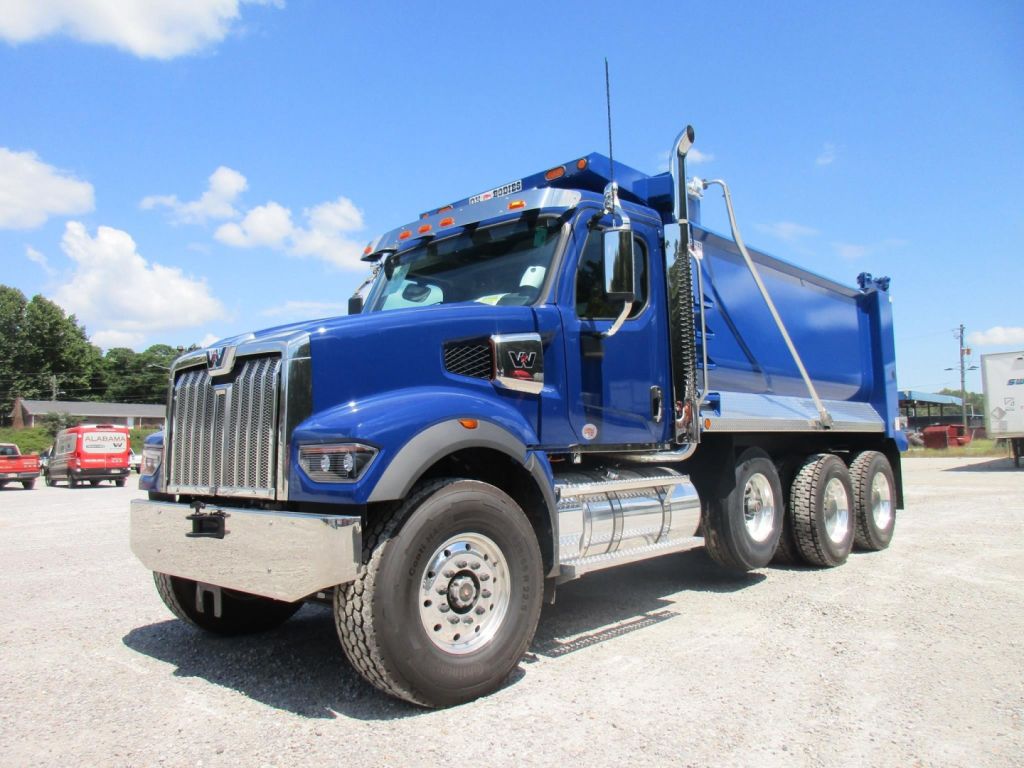
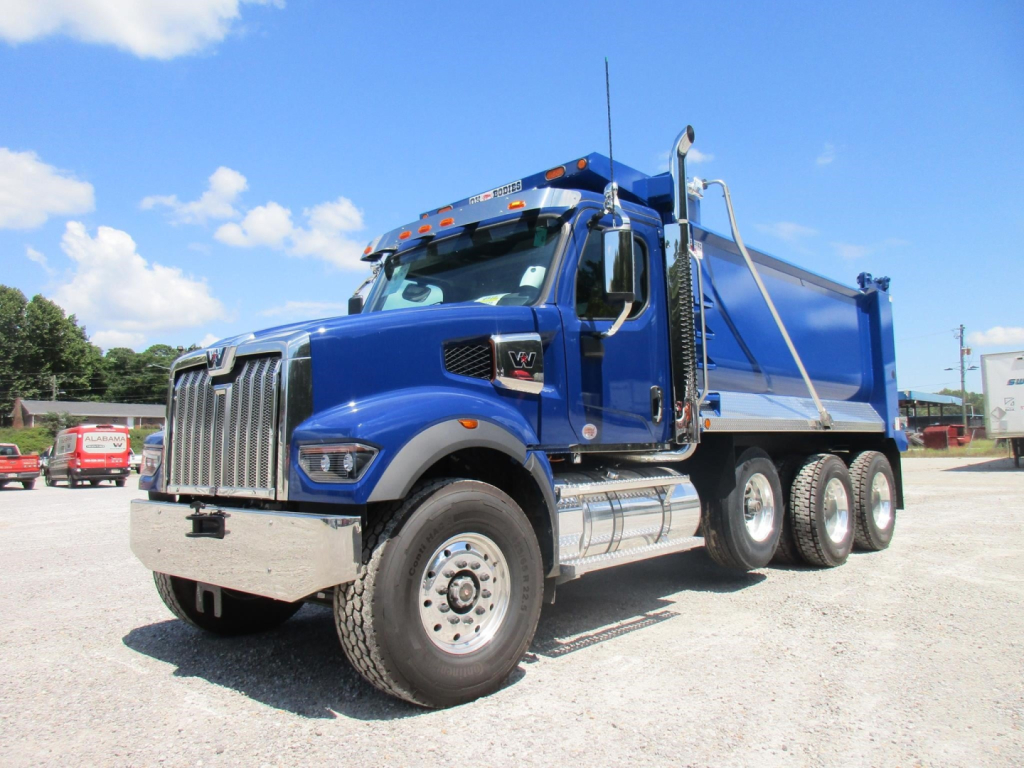
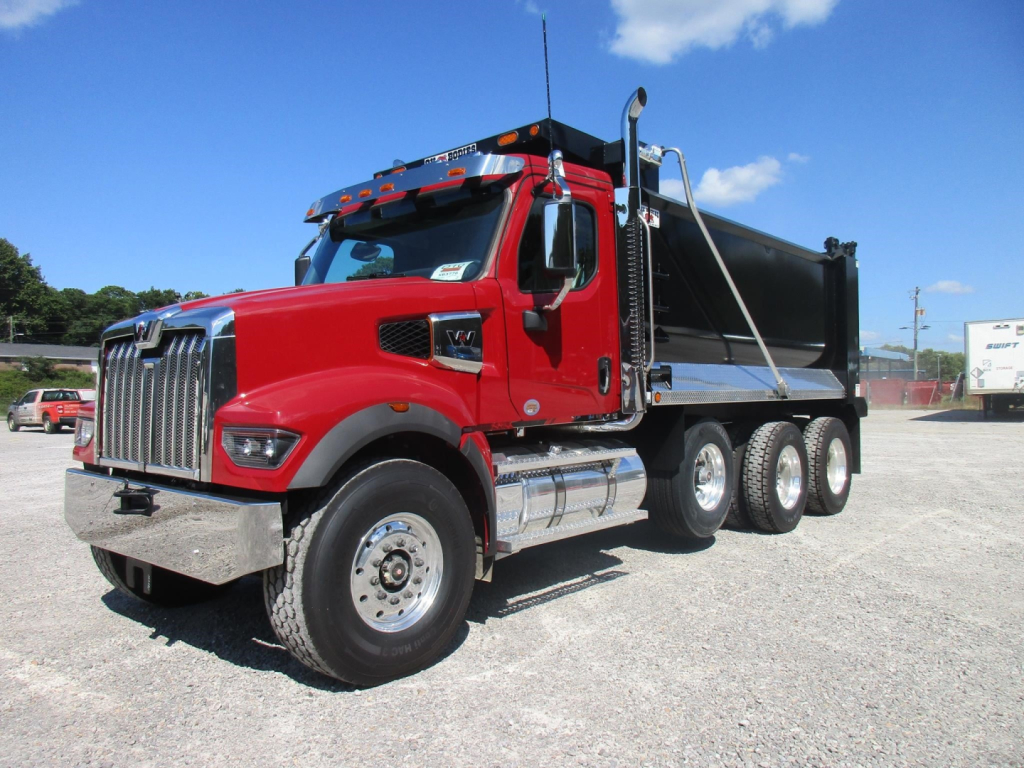
Showing 1 to 28 of 31 results
Selling a new 2027 commercial truck? List your new 2027 commercial truck for sale and reach thousands of commercial buyers.
New 2027 Commercial Trucks in Alabama
Alabama's automotive freight, Birmingham-area steel operations, timber hauling, and Port of Mobile traffic create very different duty cycles. An I-65 linehaul tractor benefits from gearing matched to highway cruise, while a construction or logging chassis needs appropriate startability, ground clearance, suspension, and traction. Check axle spacing and loaded weight distribution against the intended routes before choosing a lift axle or a longer body. Summer heat makes cooling capacity and air-conditioning performance practical buying checks. Gulf Coast exposure also warrants attention to corrosion protection, electrical sealing, and storage conditions.
New condition does not eliminate the need for a delivery inspection. Record odometer and ECM hours, inspect tires and fluid levels, and function-test brakes, safety systems, and any PTO-driven equipment. Confirm chassis, engine, transmission, and body warranty start dates and identify which party handles an upfit fault. For qualifying new heavy trucks, account for the 12% federal excise tax separately from registration and applicable state taxes. Resolve PTO provisions, frame modifications, and body mounting requirements before ordering rather than after delivery.
Frequently Asked Questions about New 2027 Commercial Trucks in Alabama
How much weight can a commercial truck legally haul on Alabama interstates?
Standard Interstate weight limits for commercial trucks in Alabama are 80,000 pounds gross, 20,000 pounds on a single axle, and 34,000 pounds on a tandem, subject to the Federal Bridge Formula. Those figures are loaded vehicle weights, not payload allowances. Chassis ratings, tire capacities, axle spacing, and posted restrictions can impose lower limits. Check non-Interstate routes and any applicable permit requirements separately.
Does federal excise tax apply to a new commercial truck in Alabama?
A 12% federal excise tax generally applies to the first retail sale of qualifying new heavy trucks and highway tractors in Alabama. Truck chassis and bodies rated at 33,000 pounds GVWR or less are generally exempt, but tractors have separate weight tests. Confirm the tax treatment of the completed vehicle and installed equipment rather than assuming every new commercial truck is taxable.
Should I choose an automatic or automated manual transmission for a new commercial truck?
A torque-converter automatic is usually the better fit for frequent stops, repeated backing, and low-speed vocational work in a new commercial truck. An automated manual often suits sustained highway operation, although vocational versions can also handle demanding applications. Compare loaded startability, transmission torque limits, PTO operation, and axle ratio. Confirm that the transmission's programmed operating modes support the actual body and duty cycle.
What warranty details should I verify on a new 2027 commercial truck?
Written coverage for the chassis, powertrain, emissions system, and installed body is the key warranty check on a new 2027 commercial truck. Coverage periods may differ by component and may use mileage, calendar time, or operating-hour limits. Verify that the intended vocational application is approved, identify authorized repair locations along Alabama routes, and check whether towing, diagnostic charges, and travel expenses are covered.
Do I need a CDL to drive a new commercial truck in Alabama?
A single commercial truck with a GVWR or actual gross weight of 26,001 pounds or more generally requires a Class B CDL in Alabama. A qualifying combination at 26,001 pounds or more generally requires Class A when the towed vehicle exceeds 10,000 pounds by rating or actual weight. Drivers must also meet applicable air-brake testing requirements and obtain endorsements for tank or hazardous-material service; statutory exemptions require separate verification.