
2026 Kenworth Trucks For Sale
Shop 2026 Kenworth trucks for sale. Compare T680, W990 and other Kenworth models by engine, sleeper, axle specs, drivetrain and application.
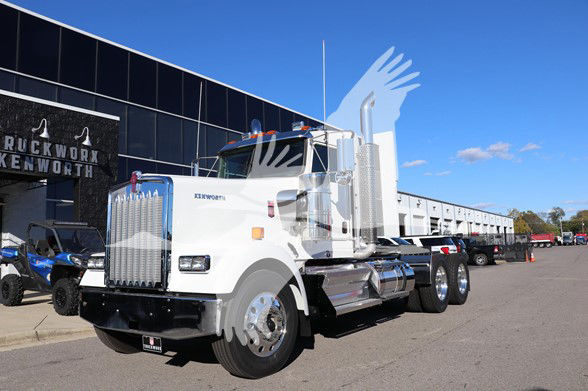
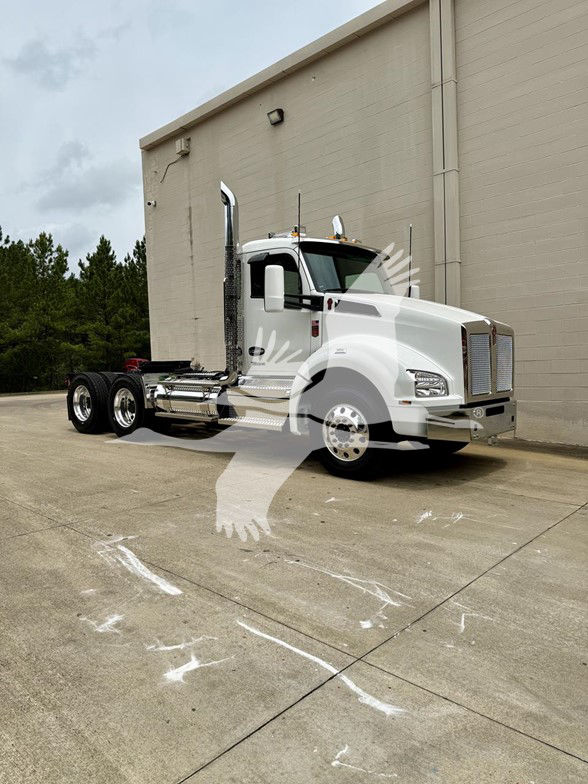
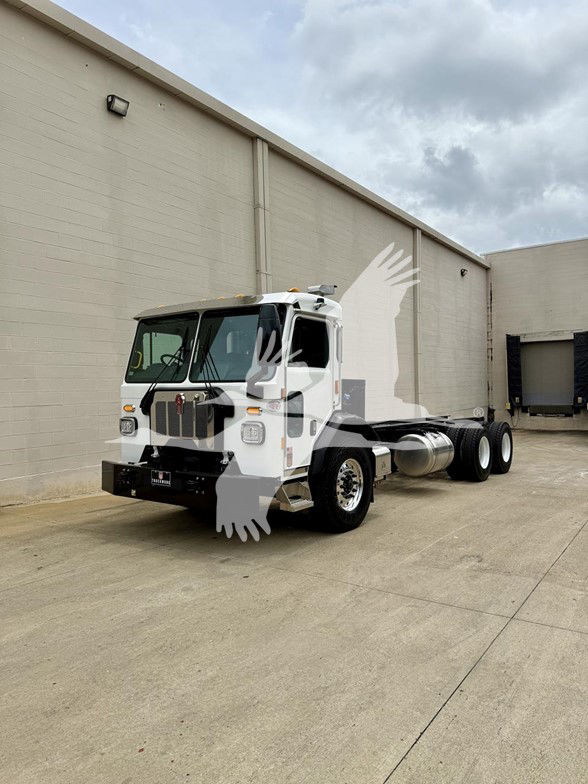
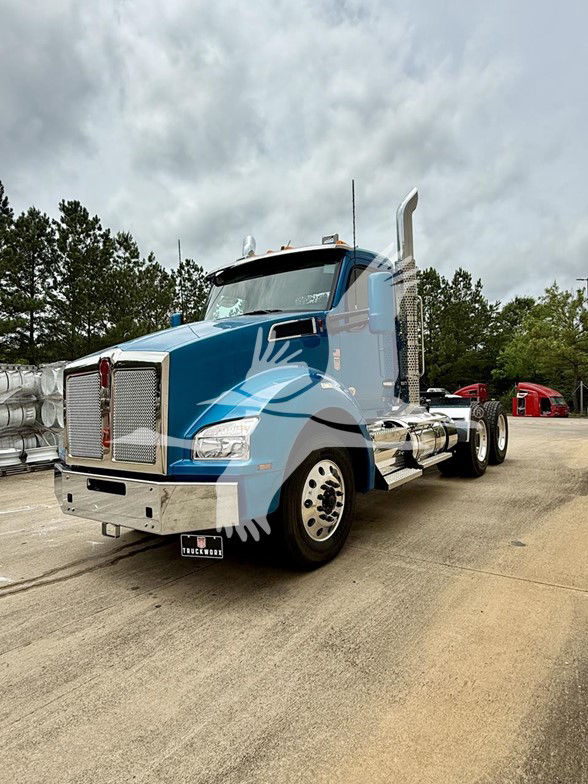
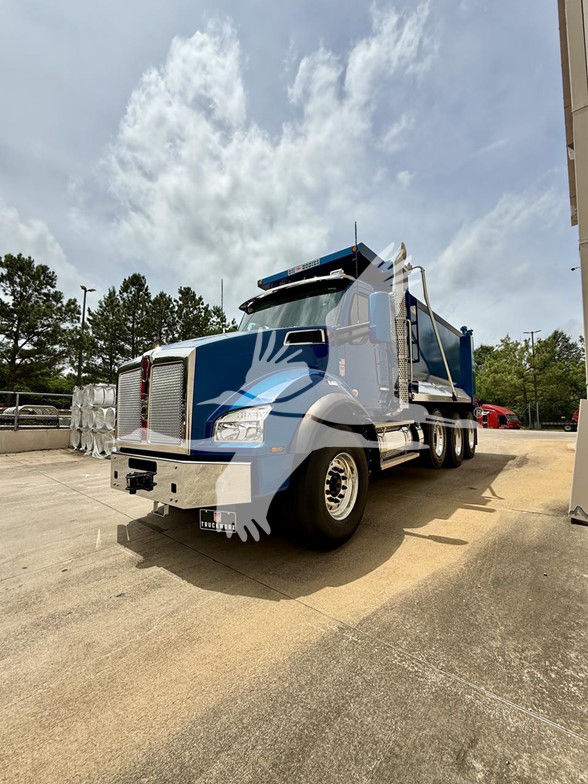
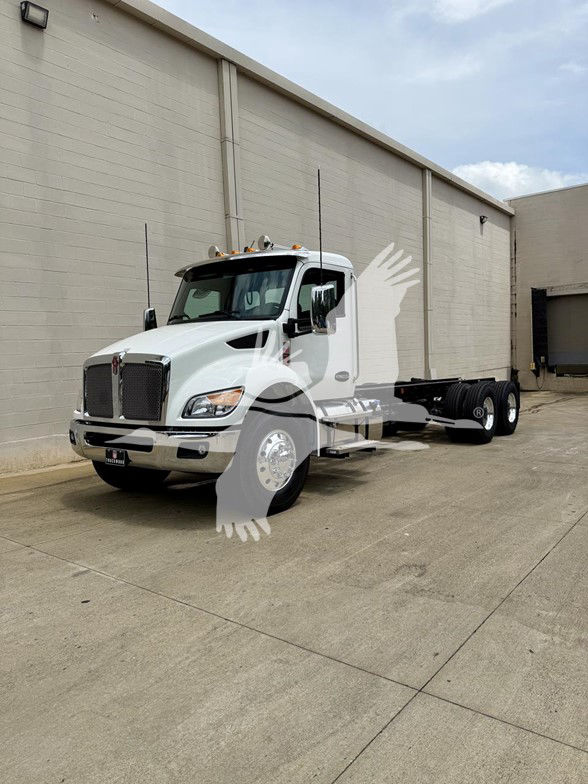
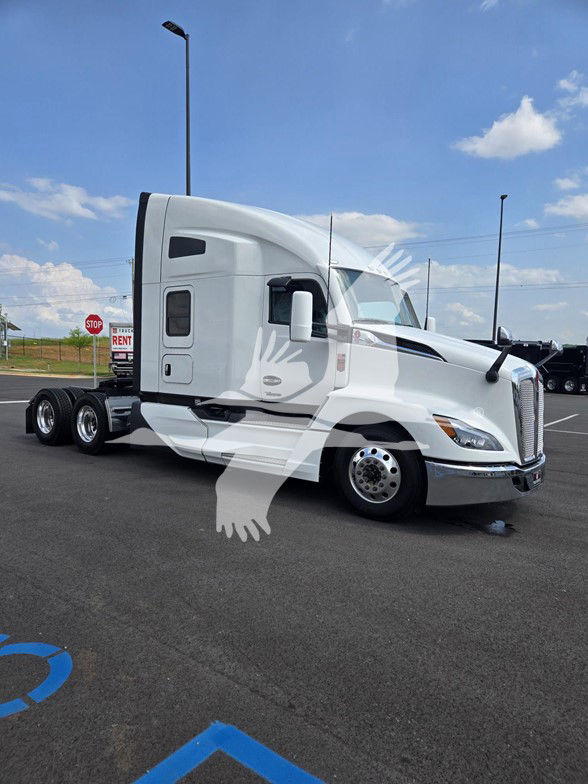
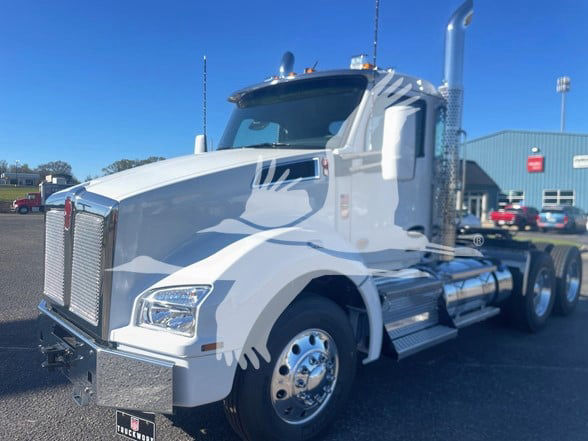
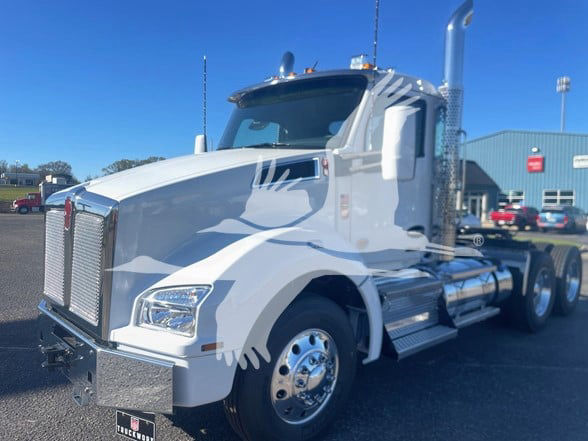
2026 Kenworth T880
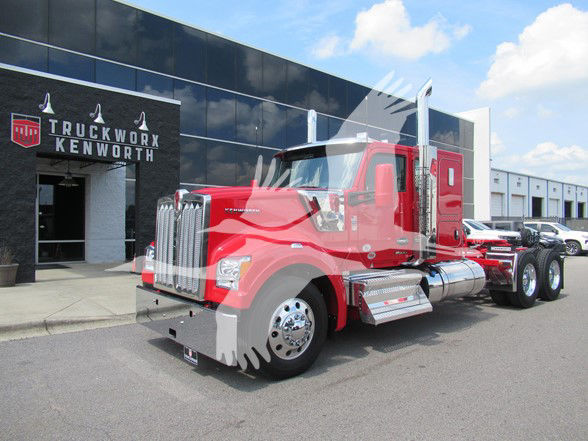
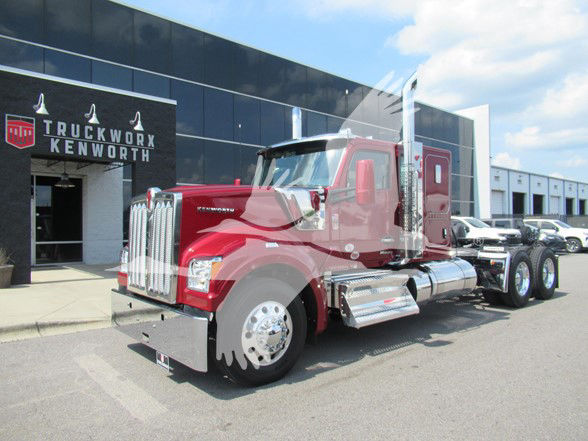
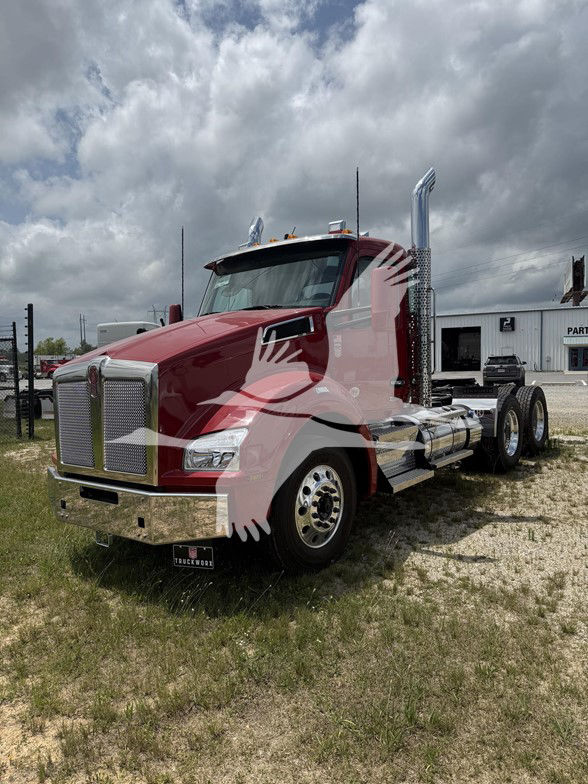
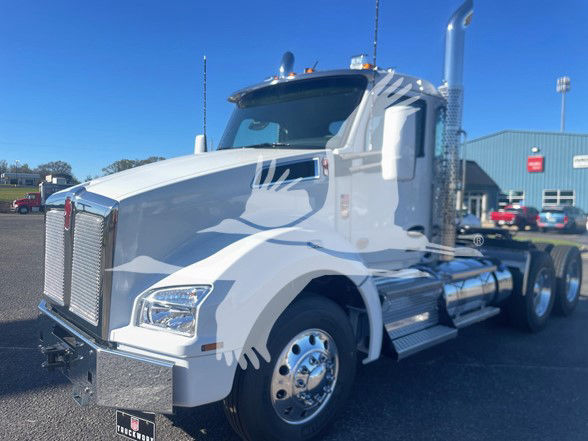
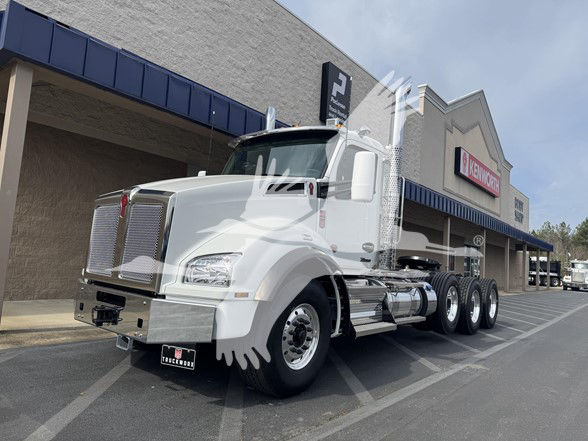
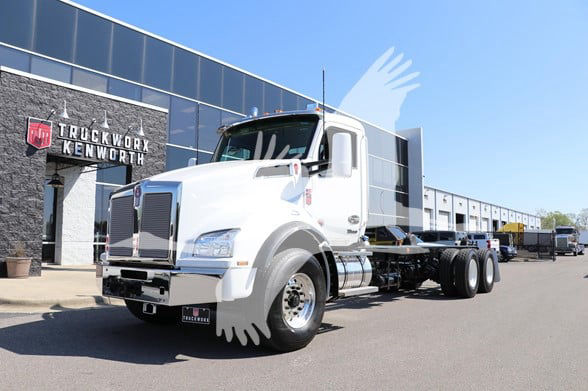
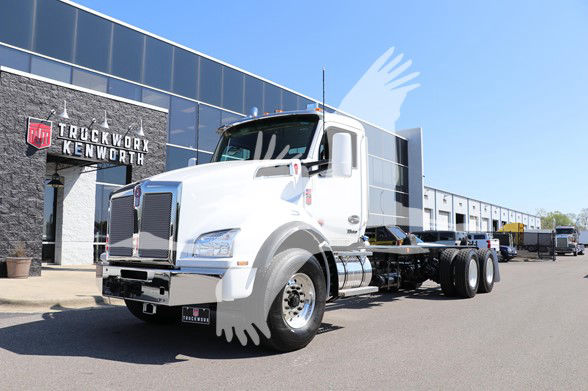
2026 Kenworth W990
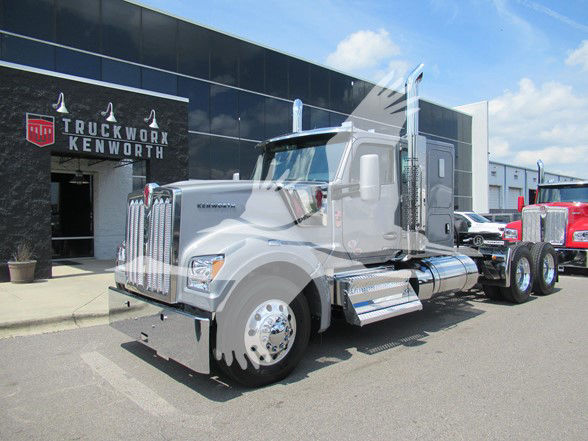
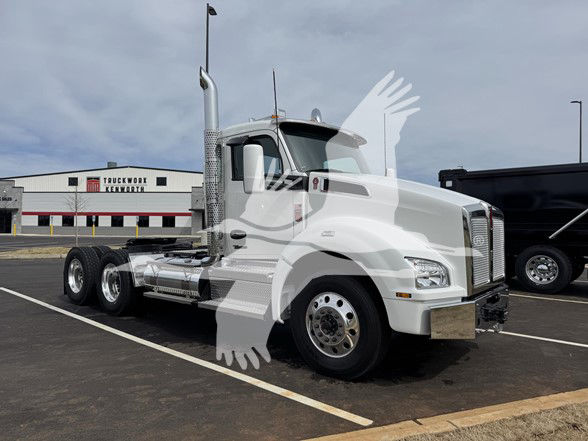
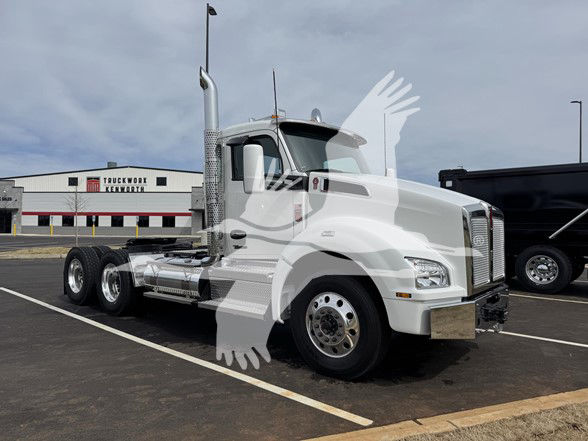
2026 Kenworth W990
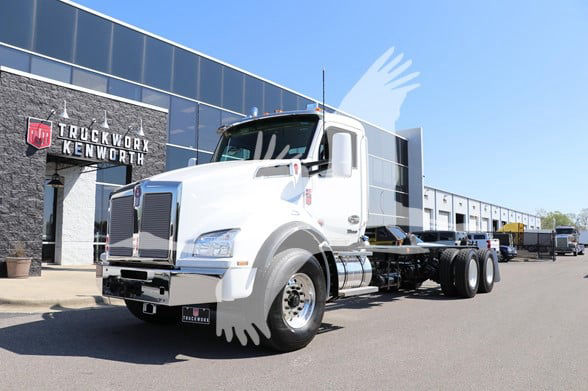
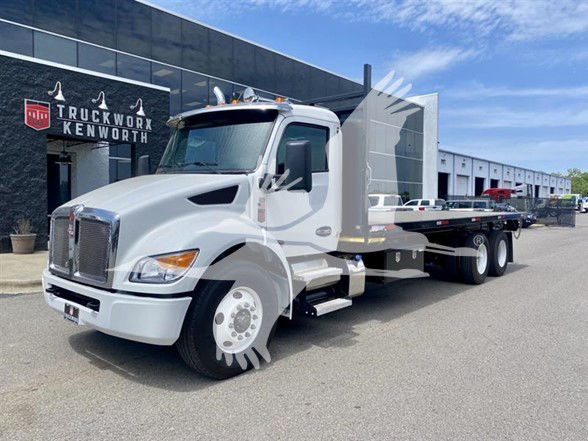
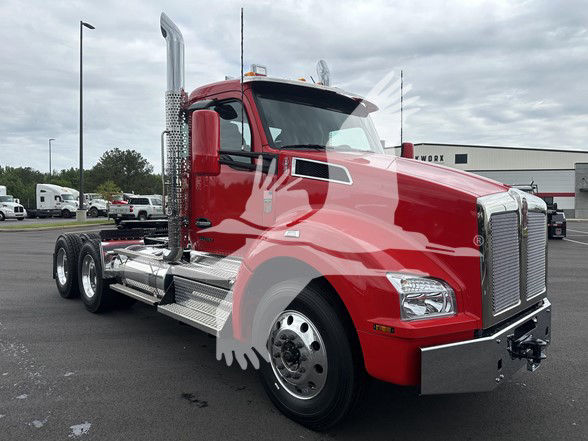
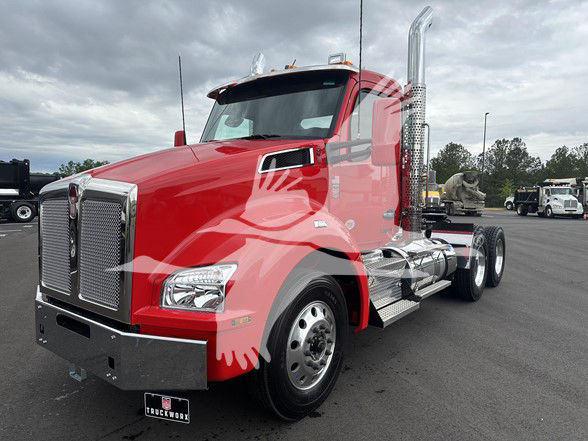
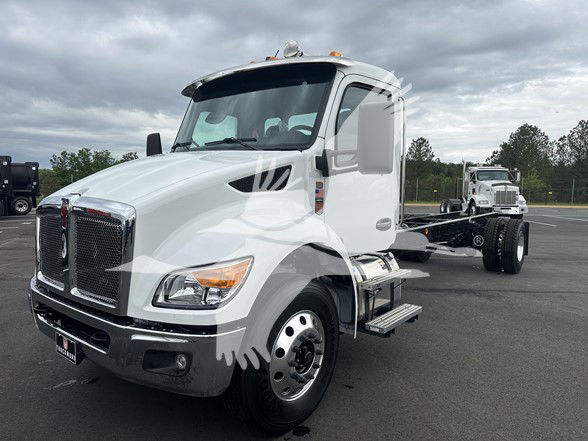
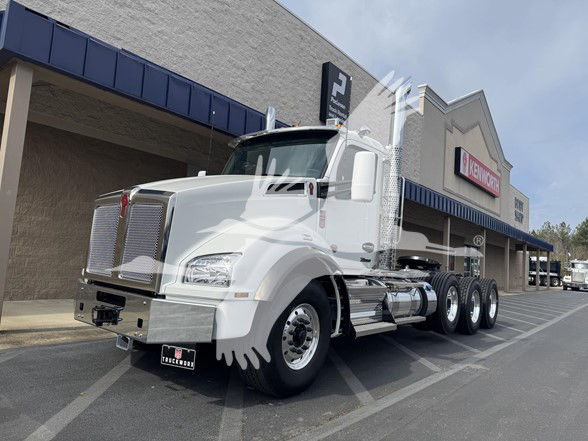
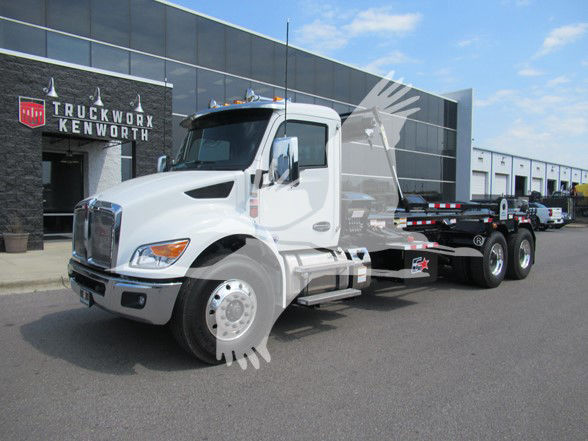
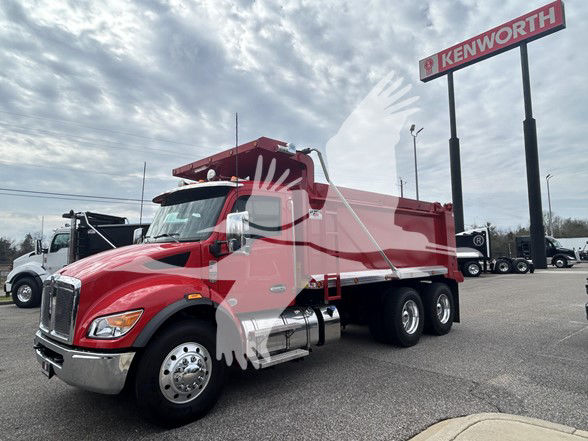
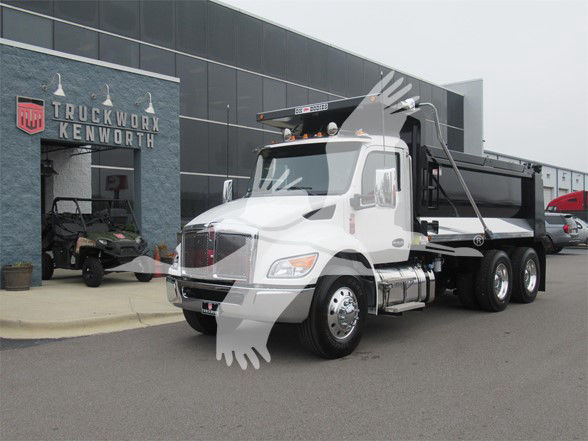
Showing 29 to 56 of 64 results
Selling a 2026 kenworth truck? List your 2026 kenworth truck for sale and reach thousands of commercial buyers.
2026 Kenworth Trucks
The most important buying decisions usually come down to powertrain, axle ratio, sleeper configuration, and wheelbase. Late-model Kenworth trucks commonly show up with Cummins X15 or PACCAR MX-13 engines, generally in horsepower ranges around 405 to 510 hp depending on the intended duty cycle. Automated manuals are common in fleet-oriented specs, while some buyers still prefer manual transmissions for control and service familiarity. Rear axle ratings around 40,000 pounds are standard on tandem highway tractors, and ratios such as 2.64, 3.08, or 3.25 each point to a different operating profile. Lower numerical ratios tend to support fuel-efficient over-the-road cruising, while deeper ratios can better suit heavier loads, more starts and stops, or routes with more grade.
Sleeper and chassis layout matter just as much as engine choice. Kenworth sleepers are commonly configured in mid-roof or high-roof layouts, often around 76 inches, with double-bunk arrangements on long-haul units. Buyers should look closely at wheelbase, fifth wheel type, tank capacity, and fairing package because those details affect trailer compatibility, turning radius, weight distribution, and fuel range. Features such as air ride suspension, air ride cab, front disc brakes, collision mitigation systems, digital dash packages, bunk heaters, APUs, and adjustable sliding fifth wheels can significantly change operating cost and driver retention. If the truck will stay on van or reefer lanes, aero packages and integrated powertrain specs usually matter more. If it will handle specialized freight, the priorities may shift toward frame layout, visibility, and access for custom equipment.
A 2026 Kenworth truck is also known in many listings as a conventional truck, highway tractor, sleeper truck, or day cab depending on configuration. The best way to compare trucks in this class is to match the spec to the lane. For long-haul freight, pay attention to sleeper comfort, fuel capacity, engine brake performance, and ratio-to-transmission pairing. For regional work, focus on maneuverability, automated shifting behavior, and maintenance history on emissions and aftertreatment components. Kenworth remains a strong choice for buyers who value a premium interior, predictable road manners, and a truck that can be ordered or selected in anything from a fuel-conscious fleet spec to a polished owner-operator build.
Frequently Asked Questions about 2026 Kenworth Trucks
What are the most common 2026 Kenworth truck models buyers compare?
The most commonly compared 2026 Kenworth trucks in the highway segment are the T680 and W990. The T680 is built around aerodynamic efficiency and is widely used in long-haul and regional fleet service. The W990 is a long-hood conventional that attracts buyers looking for classic styling, premium trim, and specs often associated with owner-operators or specialty applications. In vocational or straight truck configurations, buyers may also look at other Kenworth platforms depending on body type and axle requirements.
Which engine is better in a late-model Kenworth, Cummins X15 or PACCAR MX-13?
Both engines are common in Kenworth trucks, but the better choice depends on application and service preference. The Cummins X15 is widely recognized for broad dealer support, strong heavy-haul and long-haul performance, and familiarity across mixed fleets. The PACCAR MX-13 is a common choice in aerodynamic fleet specs where buyers want an integrated PACCAR drivetrain package. A buyer should compare horsepower and torque ratings, transmission pairing, local service support, and the truck's intended route profile before deciding.
What axle ratio should I look for on a 2026 Kenworth highway tractor?
Axle ratio should match speed, load, terrain, and transmission setup. Ratios like 2.64 are often selected for fuel-efficient highway cruising at lower engine rpm. Ratios such as 3.08 or 3.25 are more versatile for mixed terrain, heavier gross weights, or applications that require better startability. The ratio cannot be judged by itself, because tire size, engine torque curve, and transmission overdrive all affect road speed and drivability.
Is a high-roof or mid-roof sleeper better on a Kenworth truck?
A high-roof sleeper is usually better for teams, longer over-the-road cycles, and drivers who prioritize interior standing room and storage. A mid-roof sleeper can still work well for long-haul service but may be preferred in applications where weight, cost, or overall cab profile matters more. Buyers should compare bunk layout, cabinet space, HVAC options, idle management equipment, and the amount of time the truck will spend on the road each week.
What features matter most when comparing 2026 Kenworth trucks for sale?
The most important features are engine and transmission spec, rear axle ratio, sleeper size, wheelbase, suspension, brake type, and fifth wheel configuration. After that, buyers should evaluate practical items such as fuel tank capacity, collision mitigation, APUs, bunk heaters, digital instrumentation, and tire setup including duals or super singles. Those details directly affect fuel economy, maintenance cost, trailer compatibility, driver comfort, and resale value.