
2026 Kenworth Cab and Chassis Trucks For Sale
Shop 2026 Kenworth cab and chassis trucks, including T480 and T880 configurations, built for vocational bodies, PTO work, and custom upfits.
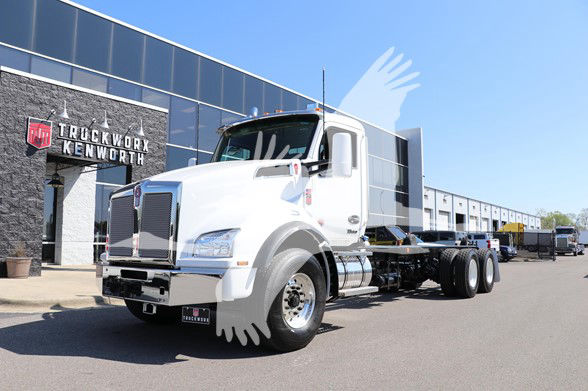
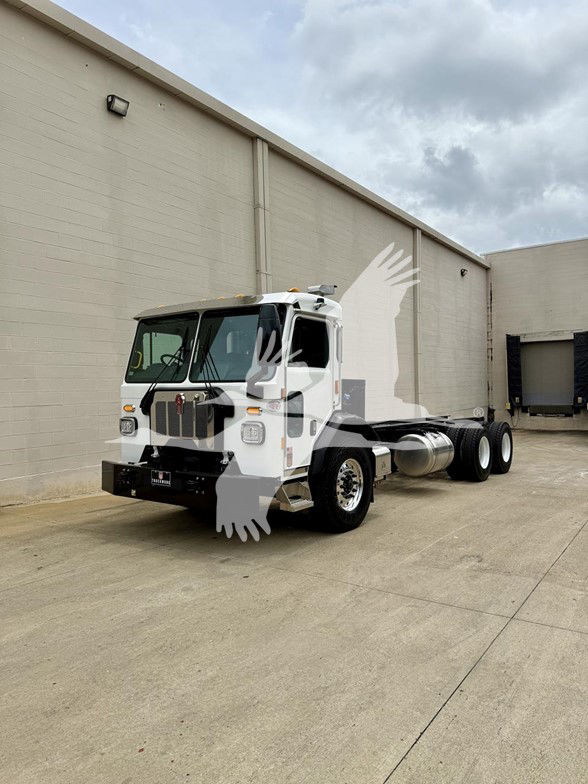
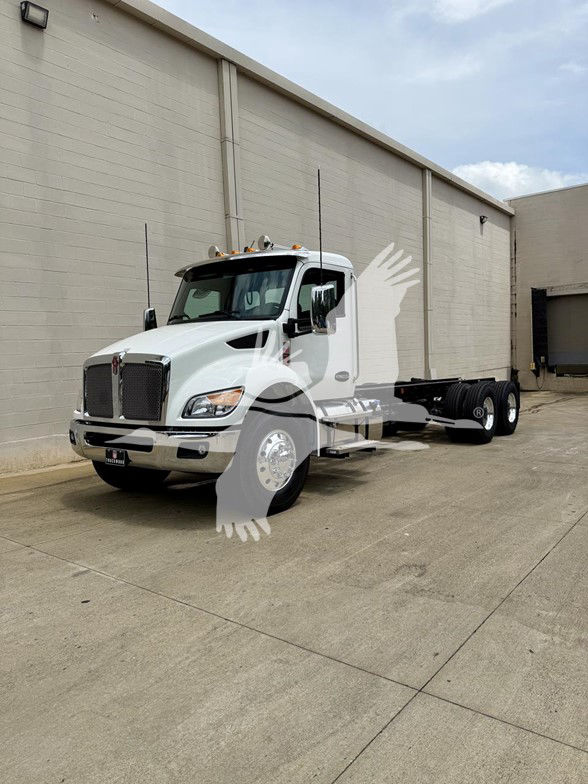
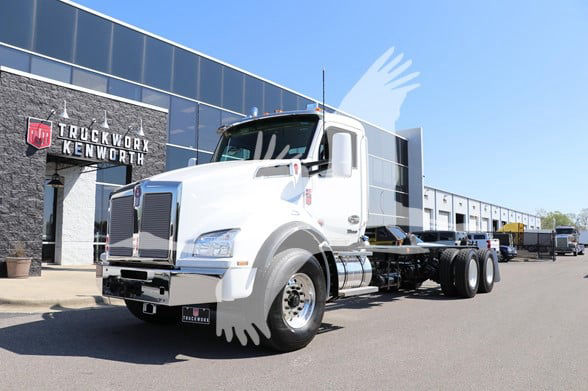
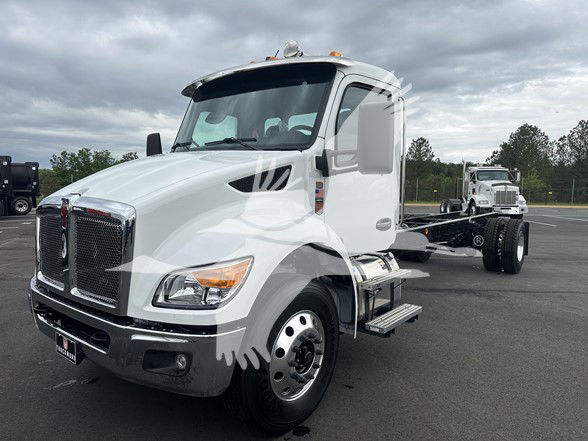
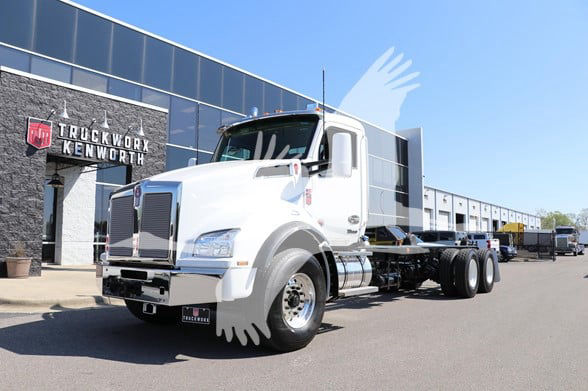
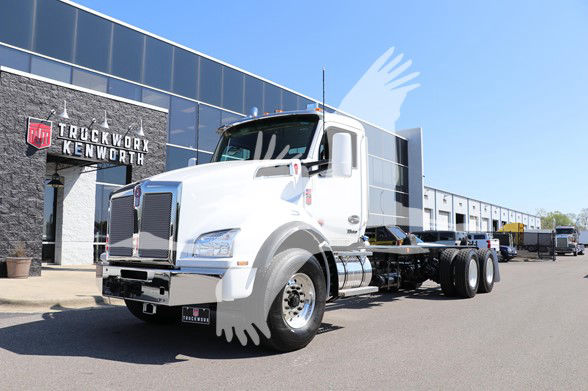
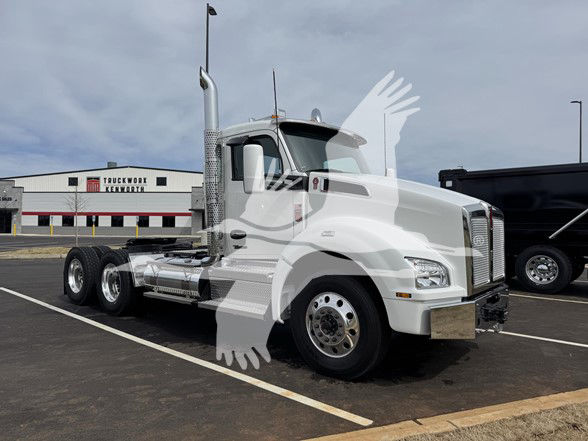
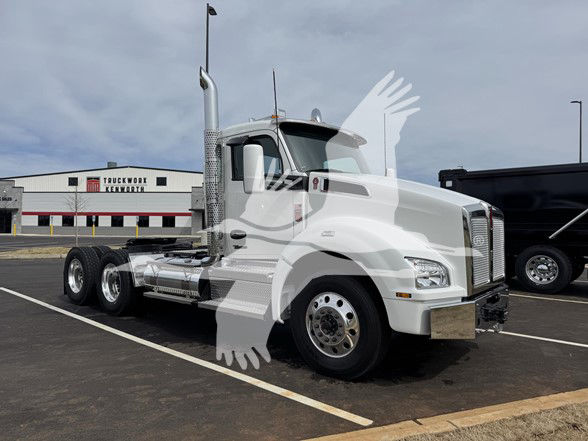
Selling a 2026 kenworth cab and chassis truck? List your 2026 kenworth cab and chassis truck for sale and reach thousands of commercial buyers.
2026 Kenworth Cab and Chassis Trucks
The first decision is usually application and body length. Wheelbase, back-of-cab to end-of-frame, and frame rail spec matter because they determine how easily the truck can accept a body and how well the finished unit will carry weight. Buyers should look closely at front axle and rear axle ratings, suspension type, bridge law needs, and whether the truck is set up as a single-axle, tandem, or heavier vocational platform. For PTO-driven equipment, transmission compatibility is a key detail. Many 2026 Kenworth cab and chassis trucks are ordered with Allison automatics or automated manual transmissions like the Endurant XD PRO, depending on duty cycle, operator preference, and PTO demands.
Engine selection tends to follow vocation. A Kenworth T480 is commonly spec'd with PACCAR PX-9 power for medium-duty and severe-service work where maneuverability and body integration are priorities. A T880 moves into heavier applications and is often chosen when higher GVWR, stronger front axle capacity, heavier suspensions, and more robust vocational packaging are required. Buyers comparing listings should pay attention to horsepower and torque, cooling package, engine brake, fuel tank placement, exhaust routing, and whether the chassis leaves clear room for outriggers, hoists, compressors, or other auxiliary equipment.
Cab layout and operating environment also matter. Day cabs are typical in this category, but interior trim, visibility, switch layout, and driver access can make a difference on trucks that spend all day on job sites or municipal routes. Practical details like pusher or tag axle prep, air ride versus spring suspension, frame reinforcement, crossmember spacing, and factory body-builder provisions often determine how cleanly the final truck can be completed. For a buyer comparing 2026 Kenworth cab and chassis trucks for sale, the best value usually comes from matching the chassis to the body builder's requirements first, then confirming drivetrain, axle spec, and frame dimensions support the payload and terrain the truck will actually see.
Frequently Asked Questions about 2026 Kenworth Cab and Chassis Trucks
What is a Kenworth cab and chassis truck used for?
A Kenworth cab and chassis truck is a factory truck delivered with the cab, engine, drivetrain, and frame so it can be fitted with a vocational body. Common uses include dump trucks, flatbeds, rollback carriers, utility trucks, mechanics trucks, vacuum units, tank trucks, service bodies, and municipal equipment. The chassis is selected around payload, PTO needs, and body length rather than over-the-road tractor requirements.
What is the difference between a Kenworth T480 and T880 cab and chassis?
The T480 is typically used for medium-duty and vocational applications that need a durable chassis with good maneuverability and flexible body installation options. The T880 is a heavier severe-duty platform designed for higher axle ratings, tougher jobsite conditions, and larger upfits. In practical terms, buyers often move to a T880 when they need more front axle capacity, heavier suspension options, larger frame rails, or a chassis intended for demanding construction and heavy vocational work.
Which specs matter most when buying a cab and chassis truck?
The most important specs are wheelbase, back-of-cab to axle, back-of-cab to end-of-frame, axle ratings, suspension, transmission, and PTO capability. These dimensions and components determine whether the truck can accept the intended body and operate the equipment attached to it. Buyers should also confirm frame strength, fuel tank placement, exhaust routing, and any factory body-builder prep because those details affect upfit cost and installation time.
Are automatic transmissions common in 2026 Kenworth cab and chassis trucks?
Yes. Automatic and automated manual transmissions are common in modern vocational Kenworth chassis because they improve driver consistency, reduce fatigue, and can be matched to PTO and start-stop duty cycles. Allison automatics remain popular for many body applications, while automated manuals such as the Endurant XD PRO are used in heavier specs where efficiency and vocational programming are priorities. The right choice depends on terrain, driver experience, and the power demands of the body equipment.
How do I know if a cab and chassis will fit the body I need?
The safest approach is to start with the body manufacturer's required dimensions and weight distribution targets, then compare them to the chassis wheelbase, frame length, axle placement, and available clear frame space. Body installation depends on more than overall length. Fuel tanks, battery boxes, DEF components, exhaust aftertreatment, and suspension layout can all affect fit. A chassis that looks correct on paper can still create upfit problems if those components are positioned in the wrong area of the frame.