
2026 Kenworth Cab and Chassis Trucks For Sale in Alabama
Shop 2026 Kenworth cab and chassis trucks in Alabama. Compare T380, T480, T880 and L770 specs for body upfit, wheelbase, GVWR, and drivetrain.
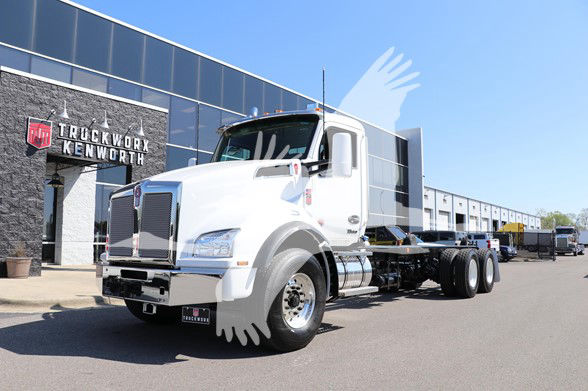
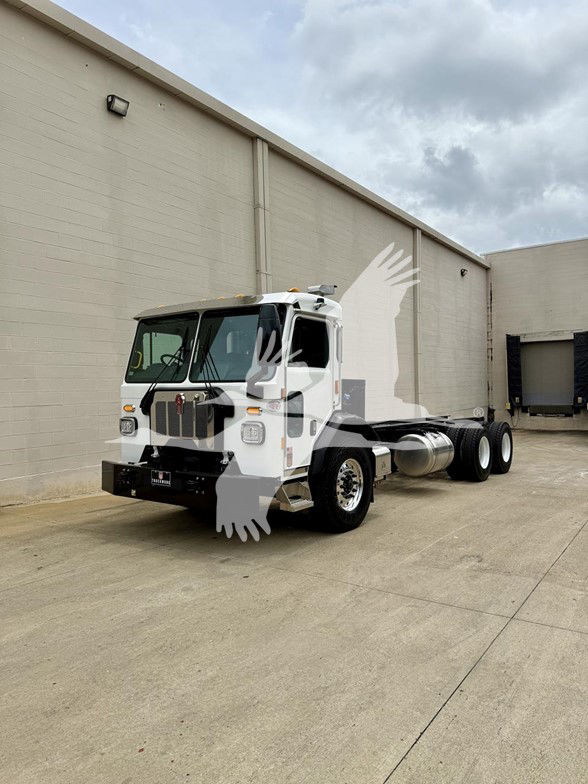
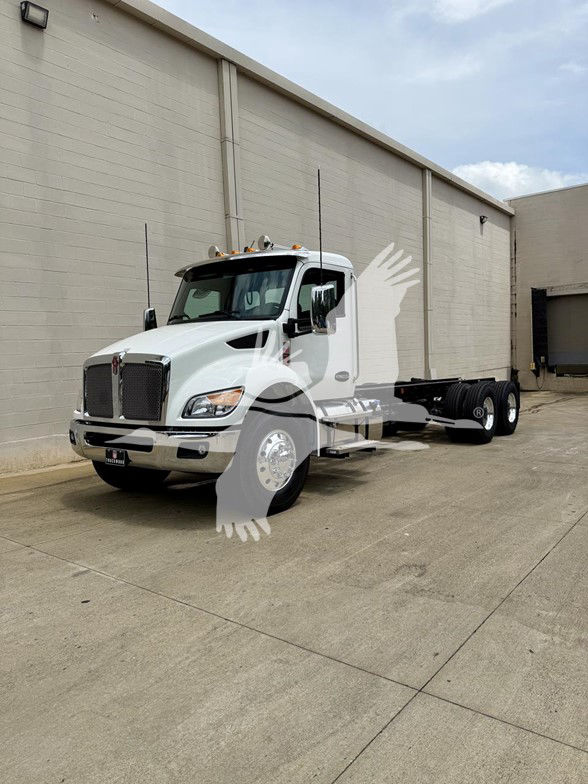
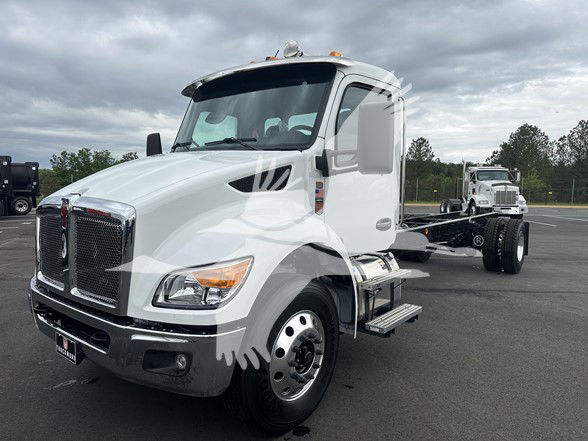
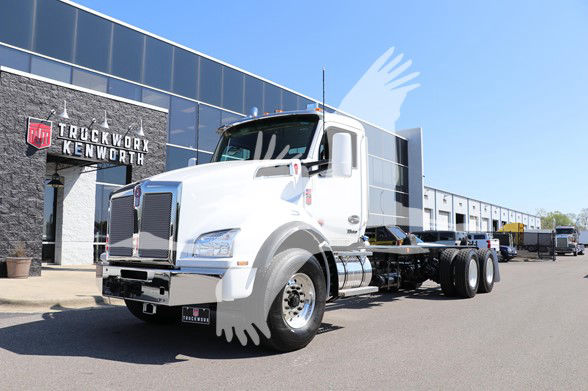
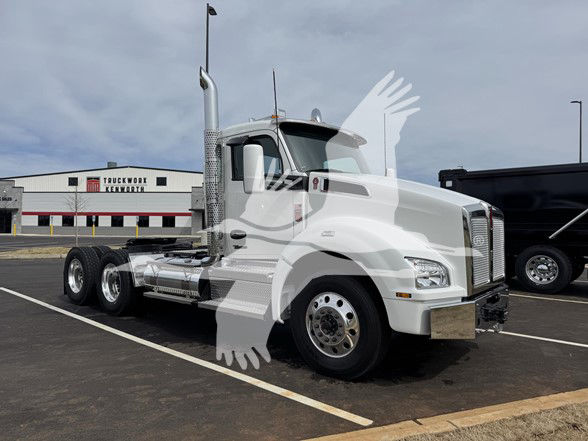
Selling a 2026 kenworth cab and chassis truck? List your 2026 kenworth cab and chassis truck for sale and reach thousands of commercial buyers.
2026 Kenworth Cab and Chassis Trucks in Alabama
The model range covers a wide spread of jobs. A Kenworth T380 is typically aimed at medium-duty municipal, box, landscape, and light vocational work, often with PX-7 power and simpler transmission setups for urban routes. The T480 moves further into severe-service and heavier commercial applications, often paired with PX-9 power and Allison automatic transmissions for stop-and-go work, PTO-driven equipment, and easier driver training. The T880 sits on the heavier end of the spectrum and is a common choice for dump, mixer, heavy equipment service, and other demanding vocational builds where set-forward or set-back front axle configurations, higher GVWRs, and stronger frame options matter. The L770 is more specialized and is often considered for low-cab-forward applications where maneuverability, visibility, and body length optimization are priorities.
A buyer should look closely at wheelbase and axle spacing before focusing on trim level. Cab and chassis trucks are sold to be upfitted, so a 256-inch wheelbase truck serves a very different body package than a 272-inch wheelbase truck. Front axle capacity, rear axle ratio, suspension type, frame RBM, and transmission programming all affect finished performance once the body, hoist, crane, compressor, or tanks are added. PTO openings, battery box location, DEF and fuel tank placement, exhaust routing, and clear frame space can save substantial time and cost during body installation. In Alabama heat and mixed highway-to-jobsite use, cooling package capacity, vocational air cleaners, and driver comfort features also deserve attention.
Kenworth cab and chassis trucks are known for vocational configurability, solid cab ergonomics, and broad upfitter acceptance. For many fleets, the value is in ordering the truck close to final application requirements instead of modifying a road tractor or general-purpose straight truck after the fact. When comparing 2026 units, the most useful approach is to start with the body and payload target, then confirm GVWR, frame specs, transmission type, and wheelbase fit. That method usually narrows the field quickly and helps avoid expensive rework once the truck reaches the body builder.
Frequently Asked Questions about 2026 Kenworth Cab and Chassis Trucks in Alabama
What is a Kenworth cab and chassis truck used for?
A Kenworth cab and chassis truck is built as a platform for a vocational upfit rather than as a finished body truck. Common uses include dump trucks, flatbeds, tow trucks, utility trucks, service trucks, tank trucks, refuse units, and rollback carriers. The correct use depends on wheelbase, frame strength, axle ratings, and PTO compatibility, because those factors determine what kind of body and equipment the chassis can support.
Which 2026 Kenworth model is best for vocational body installation?
The best model depends on the finished application. A T380 is often a fit for medium-duty delivery, municipal, and landscape work. A T480 is commonly selected for heavier municipal and vocational jobs that benefit from Allison automatic transmissions and stronger component options. A T880 is a frequent choice for severe-service applications such as dump, heavy service, and construction work. An L770 is better suited to applications where low-cab-forward packaging and maneuverability are priorities.
Why does wheelbase matter so much on a cab and chassis truck?
Wheelbase determines how a body fits on the frame and how weight is distributed across the axles. If the wheelbase is too short or too long for the intended body, the truck may require expensive frame modifications or may not balance payload correctly. It also affects turning radius, bridge law considerations, and back-of-cab clearance for equipment like hoists, cranes, and hydraulic systems.
What specs should I check before buying a cab and chassis for upfitting?
The most important specs are GVWR, front and rear axle ratings, wheelbase, cab-to-axle or cab-to-trunnion measurement, frame section and RBM, suspension type, engine horsepower and torque, transmission type, rear axle ratio, and PTO provisions. Buyers should also verify fuel tank placement, DEF tank location, battery box position, exhaust routing, and any factory body-builder wiring or switch options. These details directly affect how easily and cleanly the truck can be upfitted.
Are automatic transmissions common in Kenworth cab and chassis trucks?
Yes, automatic and automated transmissions are very common in this category. Allison automatics are widely used in municipal, refuse, utility, and stop-and-go vocational work because they work well with PTO-driven equipment and are easy for mixed-driver fleets to manage. Automated manuals such as heavy-duty 18-speed configurations are also used, especially in higher-GCWR or more demanding applications where gear spread and driveline efficiency are important.