
Freightliner Trucks For Sale in Georgia
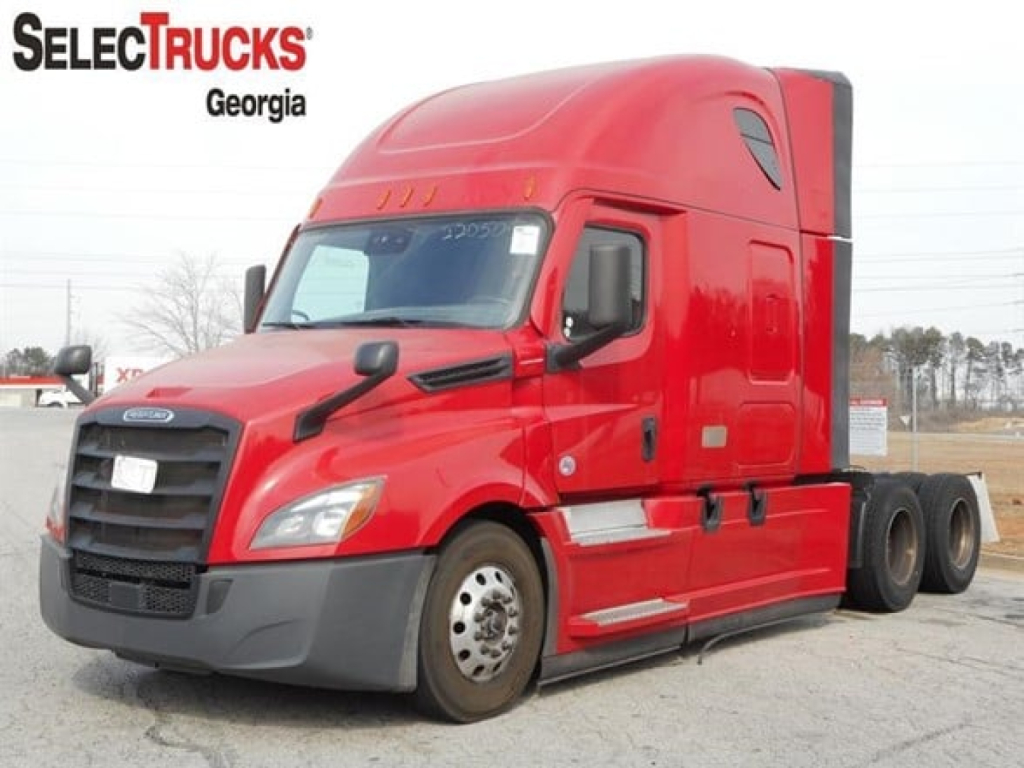
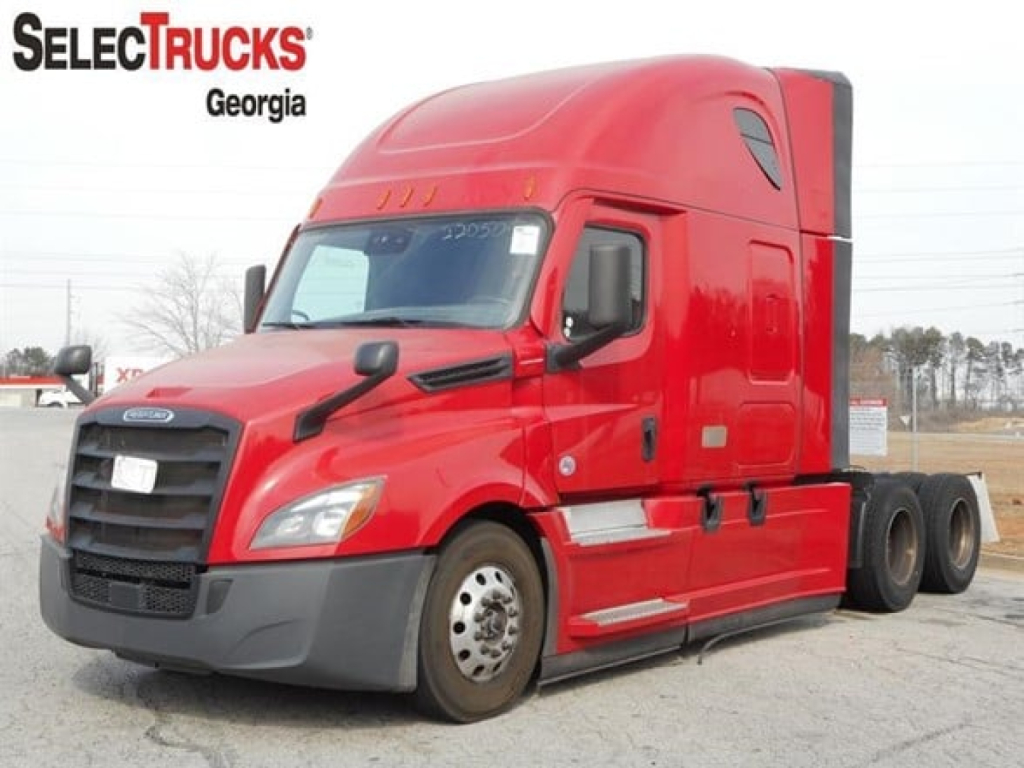
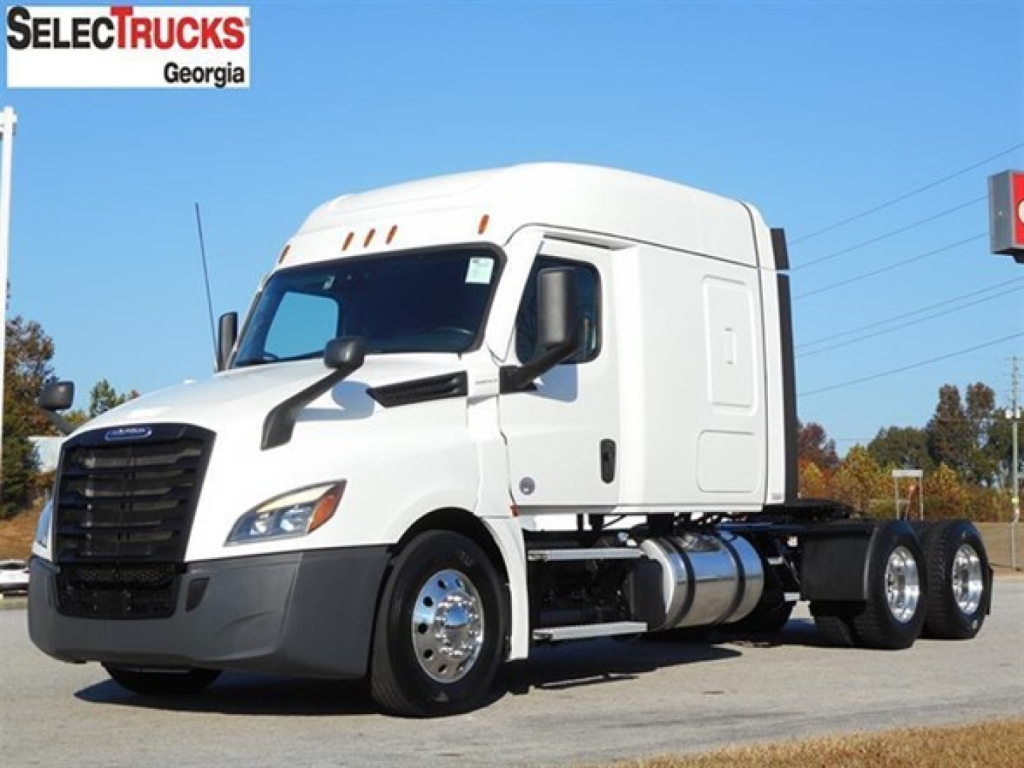
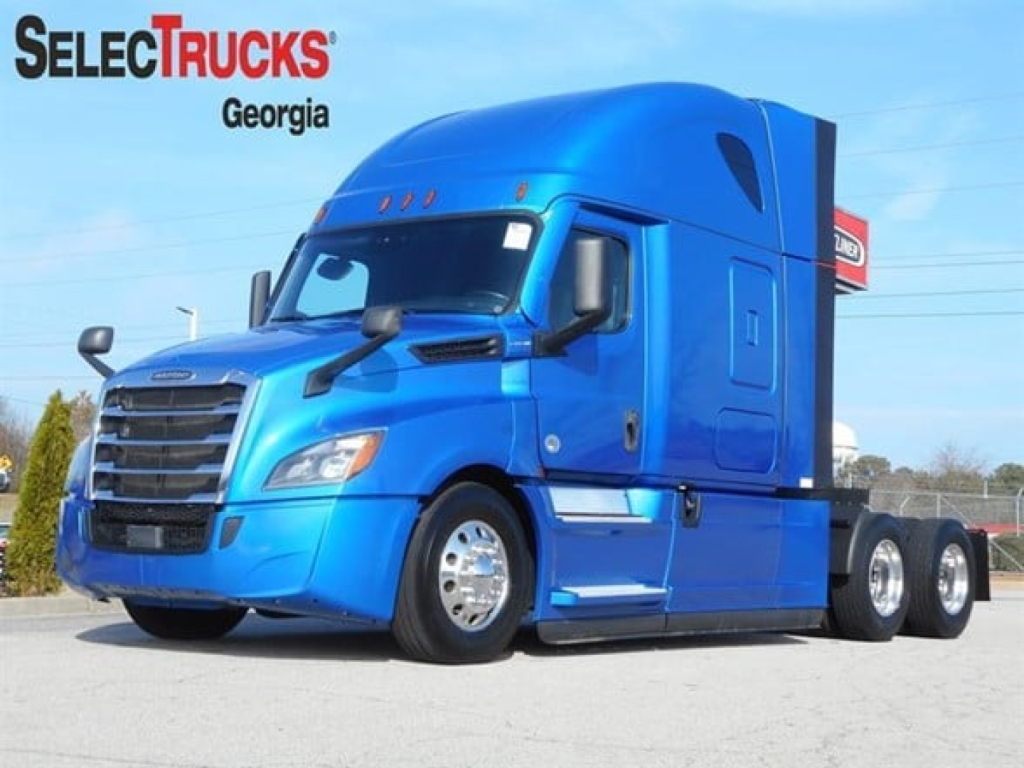
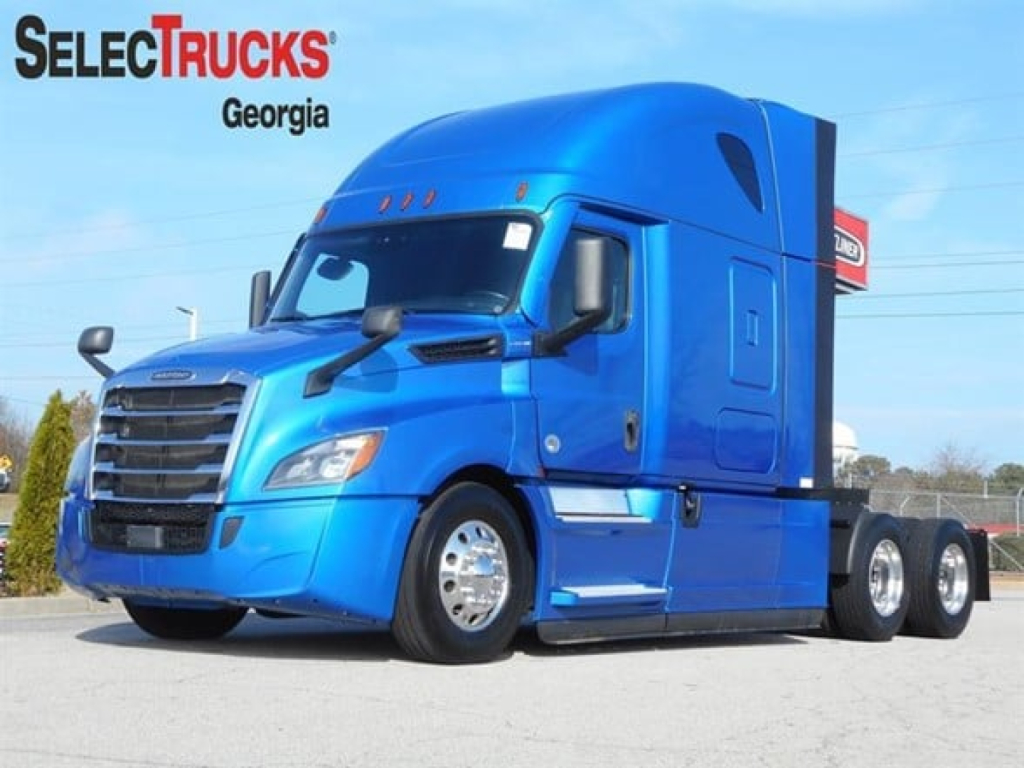
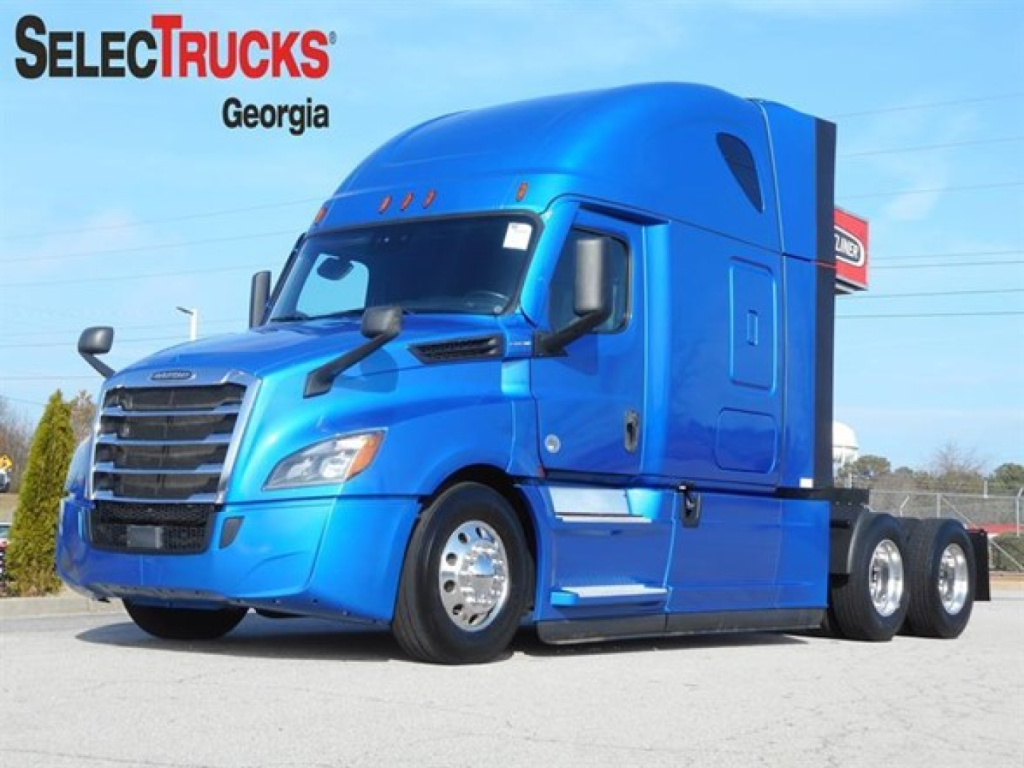
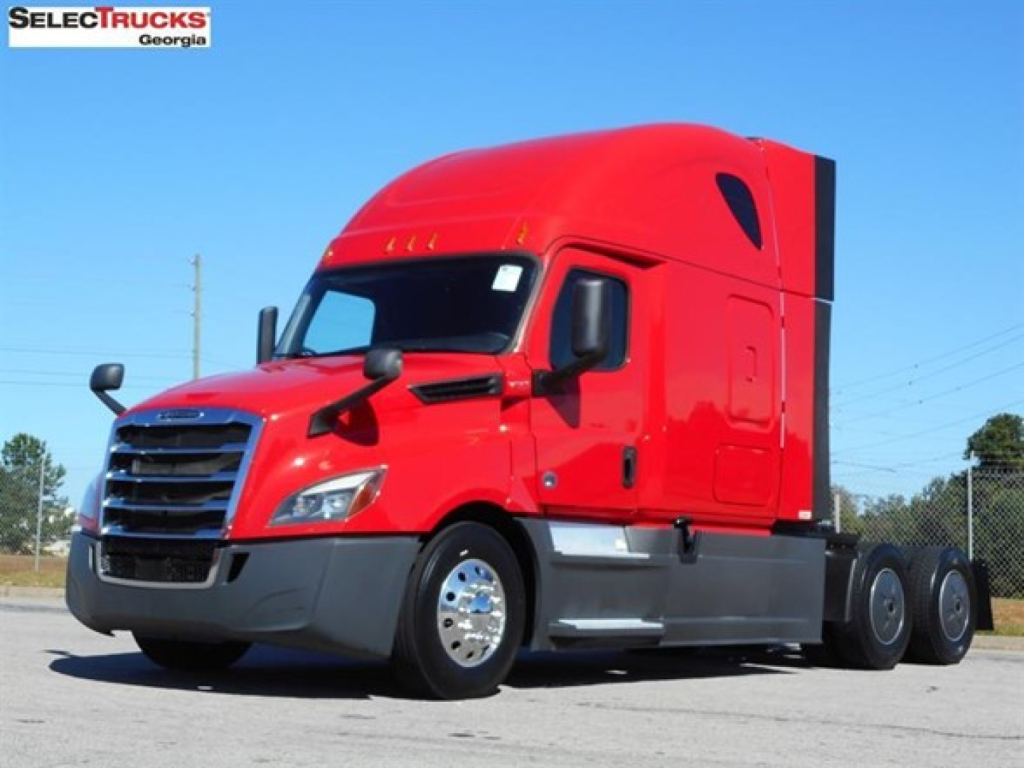
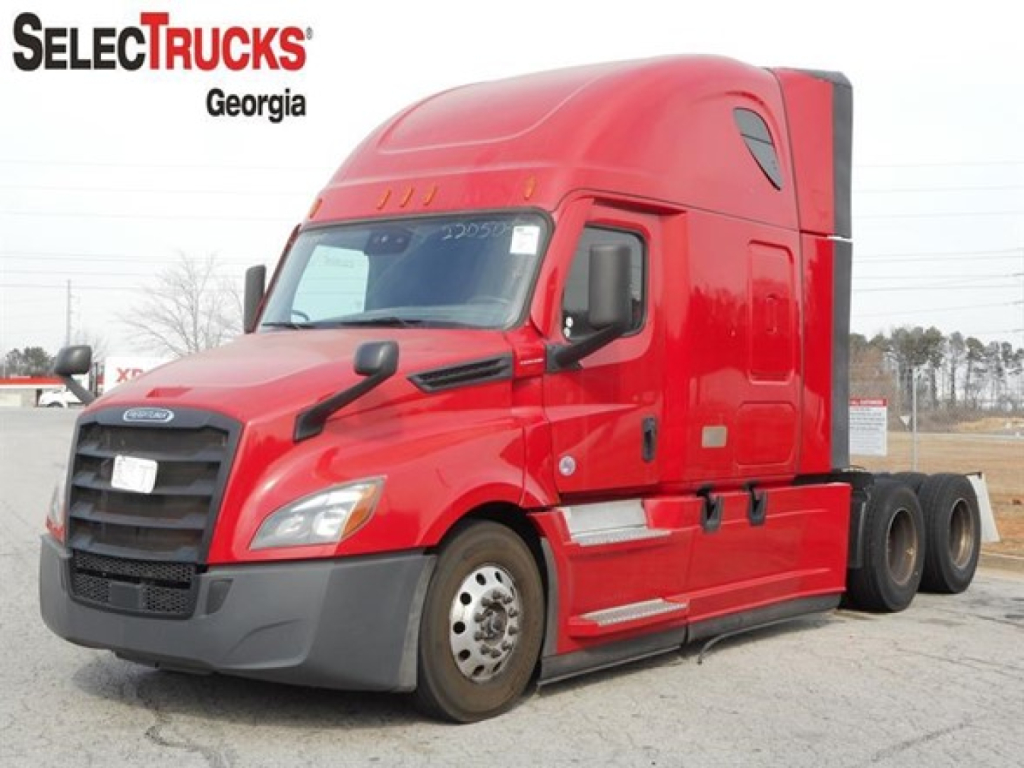
Freightliner trucks for sale in Georgia, from Cascadia sleepers to M2 box and vocational models, spec'd for heat, ports, and I-75 corridors statewide.
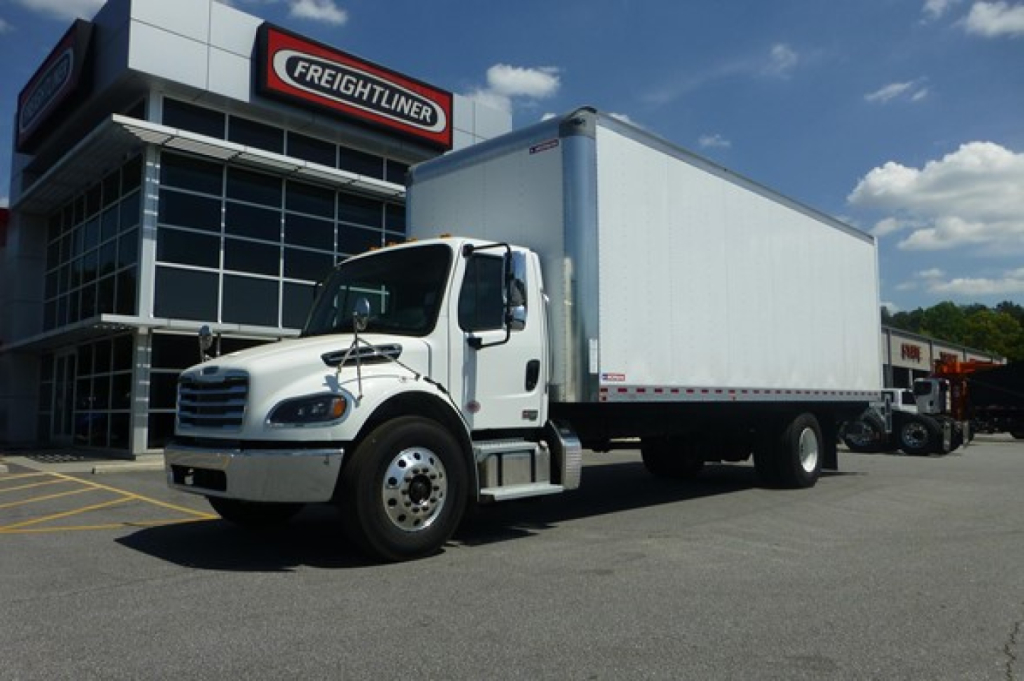
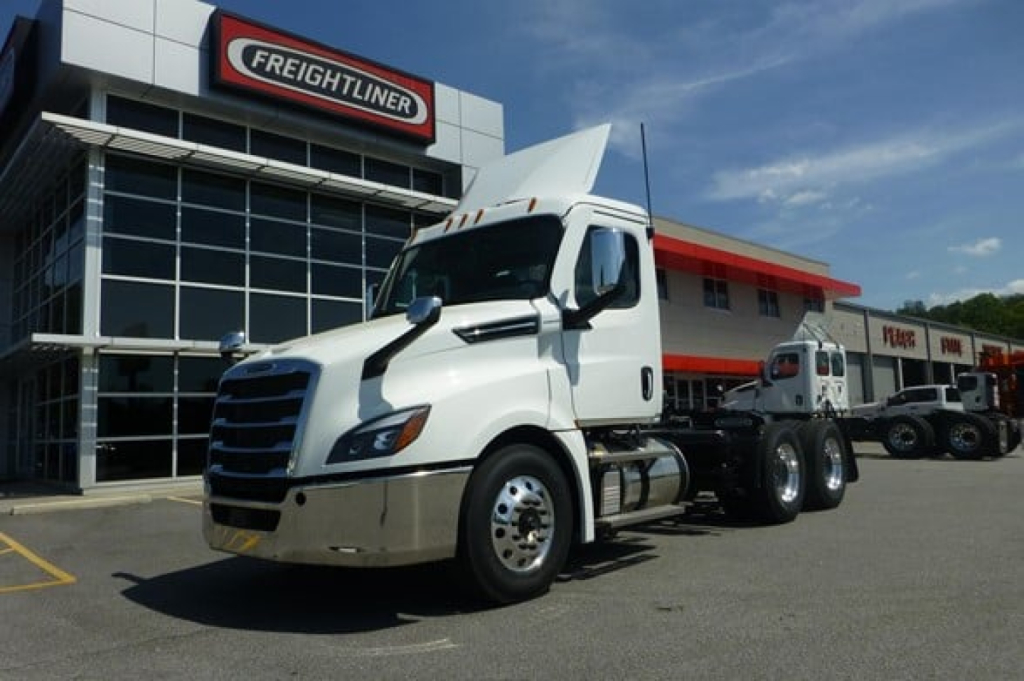
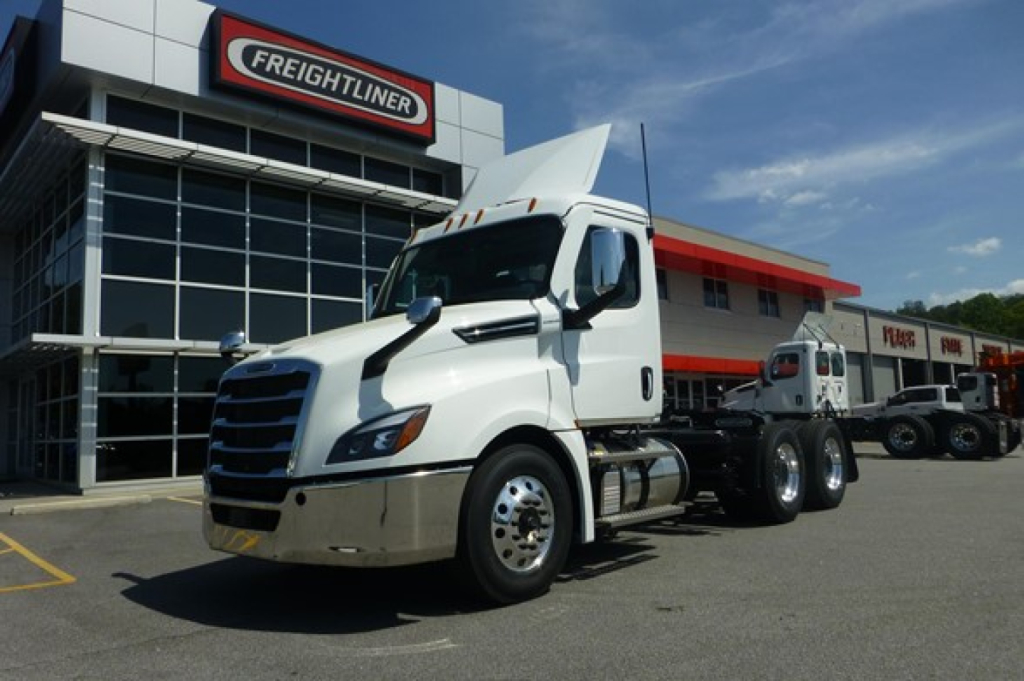
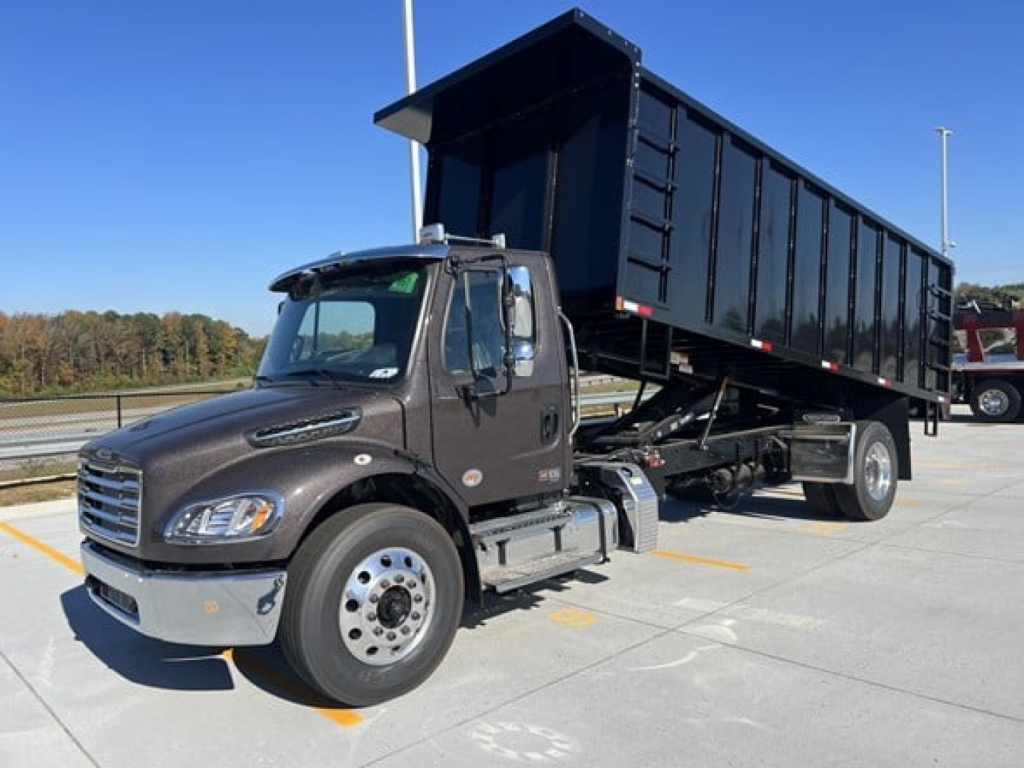
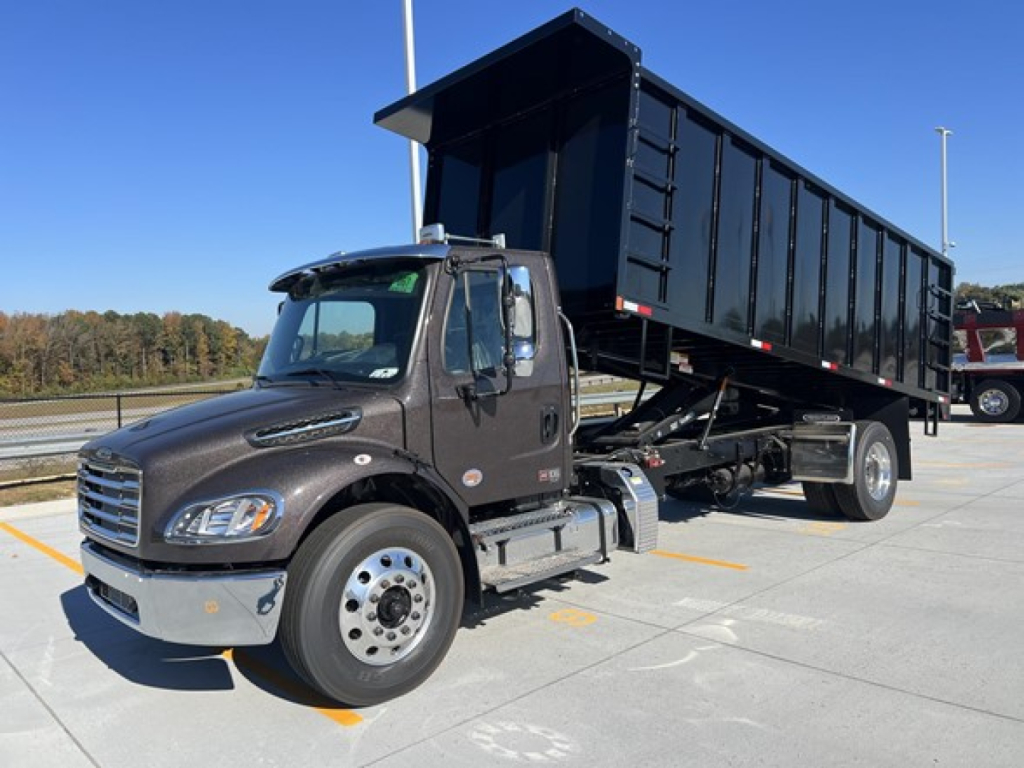
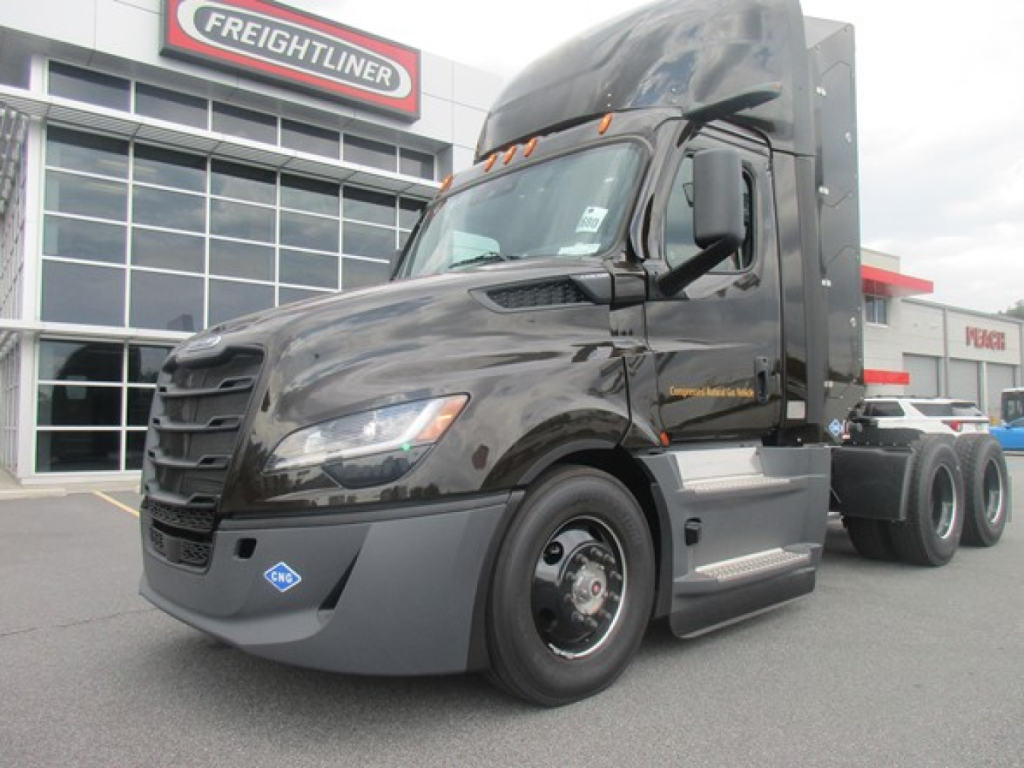
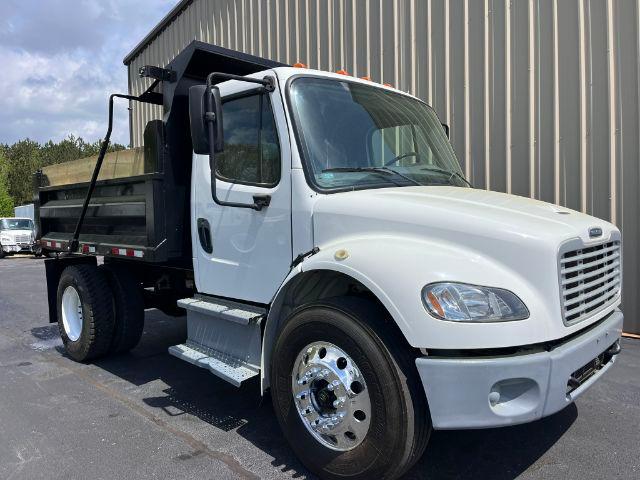
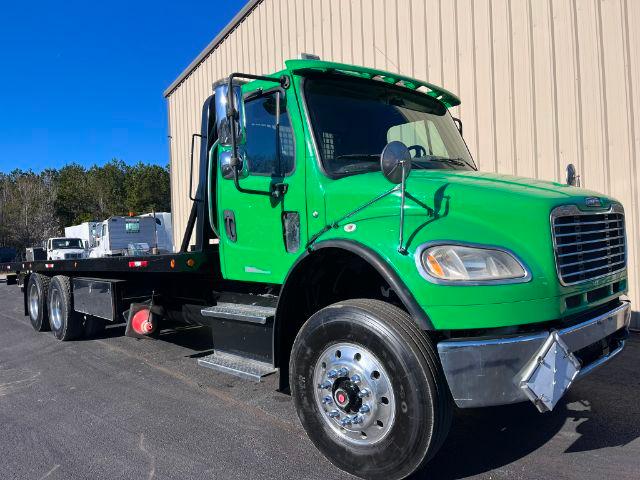
Showing 97 to 120 of 140 results
Have freightliner truck to sell? List it here to reach thousands of buyers.
Freightliner Trucks in Georgia
Corrosion resistance matters in Georgia’s humid climate. Freightliner aluminum cabs, composite hoods, and e-coated frame rails hold up well, but coastal humidity and road spray near ports warrant attention. Look for powder coated or galvanized crossmembers, sealed electrical connectors, stainless fasteners, and aluminum wheels to limit corrosion. Spec drum or air disc brakes with corrosion resistant hardware, and consider undercoating or full-liner frame options if the unit will see off-road clay, fertilizer, or salt air.
Floor strength is critical on straight trucks. The body should match your freight and handling equipment; forklift floor ratings, tighter crossmember spacing, and robust scuff liners protect cargo and structure. A 1-1/8 inch hardwood or aluminum duct floor with 12 inch on-center crossmembers handles palletized product, while 12 to 16 inch scuff liners reduce dock rash. For dump and roll-off builds on 114SD and 122SD, AR400 to AR450 floors in 3/16 to 1/4 inch improve durability but add weight, so balance thickness against payload. On tractors, tare weight savings come from aluminum hubs and wheels, single 120 gallon tanks, lightweight fifth wheels, and 6x2 axles; these help payload and fuel economy, but assess traction needs on job sites and uneven yards.
Thermal integrity and cooling capacity affect uptime and driver comfort in Georgia heat. On sleepers, quality insulation, tight seals, and APUs or battery HVAC reduce idle time and stabilize cab temperatures. For reefer straight trucks, foam-in-place insulated panels, verified R values, and well sealed doors maintain box temperature in hot, humid conditions. Cooling packages with larger radiators, charge air coolers, and high output fans protect aftertreatment and maintain power on summer grades in North Georgia. Integrated safety and efficiency tech like collision mitigation, adaptive cruise, telematics, and tire pressure monitoring or inflation systems adds uptime on dense metro routes.
Frequently Asked Questions about Freightliner Trucks in Georgia
Which Freightliner models fit Georgia operations best?
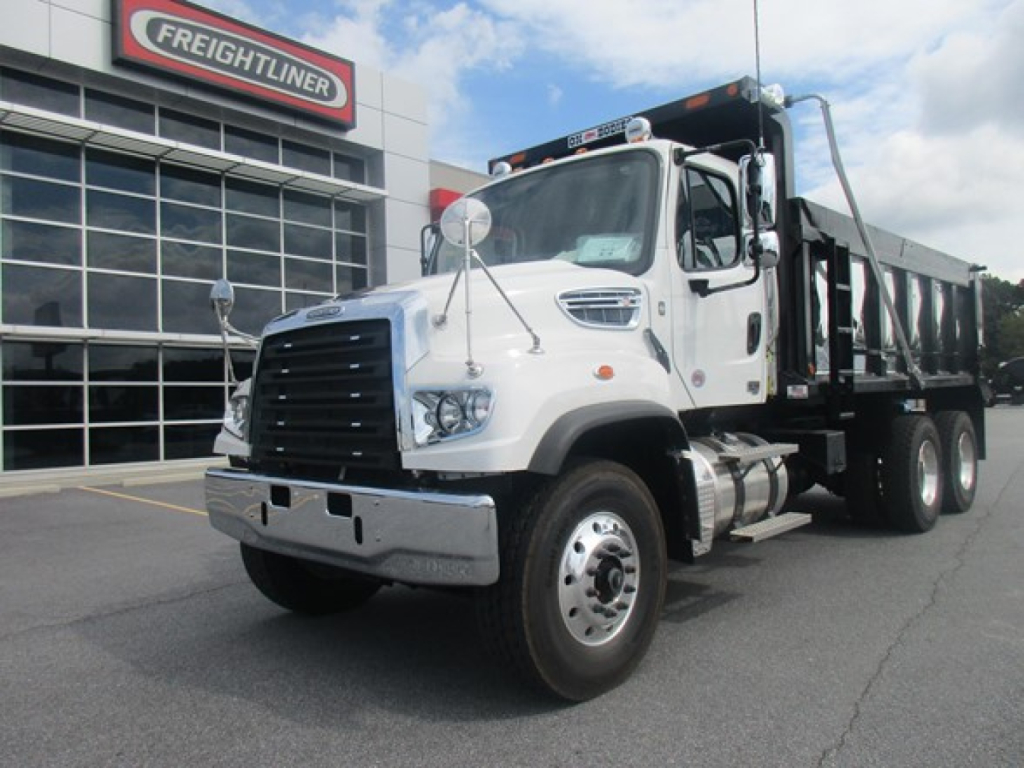
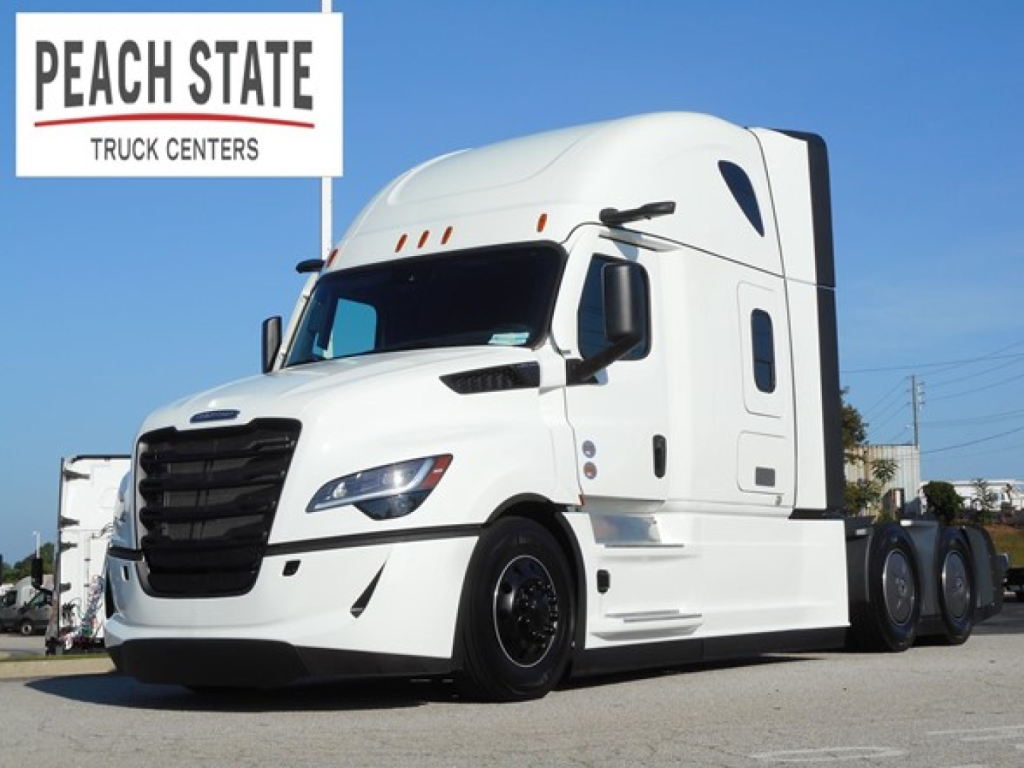
For over-the-road and regional loads, the Cascadia in day cab or sleeper form pairs Detroit DD engines with the DT12 for strong fuel economy and low RPM cruising on I-75 and I-16. For city P&D and utility work, the M2 106 with Allison automatic excels in stop-and-go traffic. For dump, mixer, and heavy vocational, the 114SD or 122SD provides rugged frame rails, higher axle ratings, and PTO friendly layouts suitable for North Georgia aggregates and red clay job sites, and for port drayage, day cab tractors with tight wheelbases ease terminal turns.
What should I look for to ensure corrosion resistance on Georgia-based trucks?
Inland Georgia trucks usually show limited frame scaling, but units that worked near the coast or in waste, fertilizer, or pulp operations can suffer galvanic reaction and rust. Inspect frame flanges, crossmember hangers, radiator supports, battery boxes, DEF tanks and brackets, and aluminum cab lower seams for pitting. Seek e-coated or powder coated frames, stainless or zinc plated fasteners, sealed harness connectors, and aluminum wheels. Consider undercoating and polymer fenders if the truck will see off-road or coastal duty.
How does tare weight impact payload and revenue on Freightliner trucks in this market?
Lower tare weight increases legal payload at a given GVW or GCW, important for bulk haulers, dump operators, and port drayage billing by the box. Freightliner lightweight specs such as aluminum hubs and tanks, Alcoa wheels, thinner fifth wheel plates, and single compressor options can remove hundreds of pounds. The trade off is durability and traction; extremely light specs like 6x2 axles save weight and fuel, but can reduce grip on wet job sites or uneven yards. Balance weight savings with the route, terrain, and commodity density.
What powertrain and axle ratios work well for Georgia heat and speed limits?
Detroit DD13 or DD15 with the DT12 automated manual is a common pairing, offering downspeeding and smooth shifts in Atlanta traffic, while Cummins with Eaton or Allison is also common. For highway dominant duty, ratios in the 2.28 to 2.85 range with overdrive or direct, matched to tire size and governed speed, control engine RPM and temperatures. In vocational trucks with frequent starts and hills, slightly deeper ratios improve launch and retarder performance. In hot weather, spec the heavier duty cooling package and verify fan, shroud, and CAC condition to protect aftertreatment.
For box and reefer Freightliner straight trucks, what floor and thermal specs matter?
Floor strength should match your handling equipment; look for forklift ratings and tighter crossmember spacing, often 12 inches on center, along with 1-1/8 inch hardwood or aluminum duct floors. Add 12 to 16 inch scuff liners and steel or high impact polymer rear frames for dock protection. Thermal integrity depends on true panel R values, foam-in-place insulation, vapor barriers, quality door seals, and smooth sidewalls to reduce heat gain. These choices cut compressor runtime in Georgia heat, lower fuel burn, and protect temperature sensitive cargo.