
Freightliner Day Cab Trucks For Sale in Georgia
Shop Freightliner day cab trucks in Georgia. Compare Cascadia specs, DD13 and X15N power, wheelbase, axle ratings, fuel options, and safety tech.
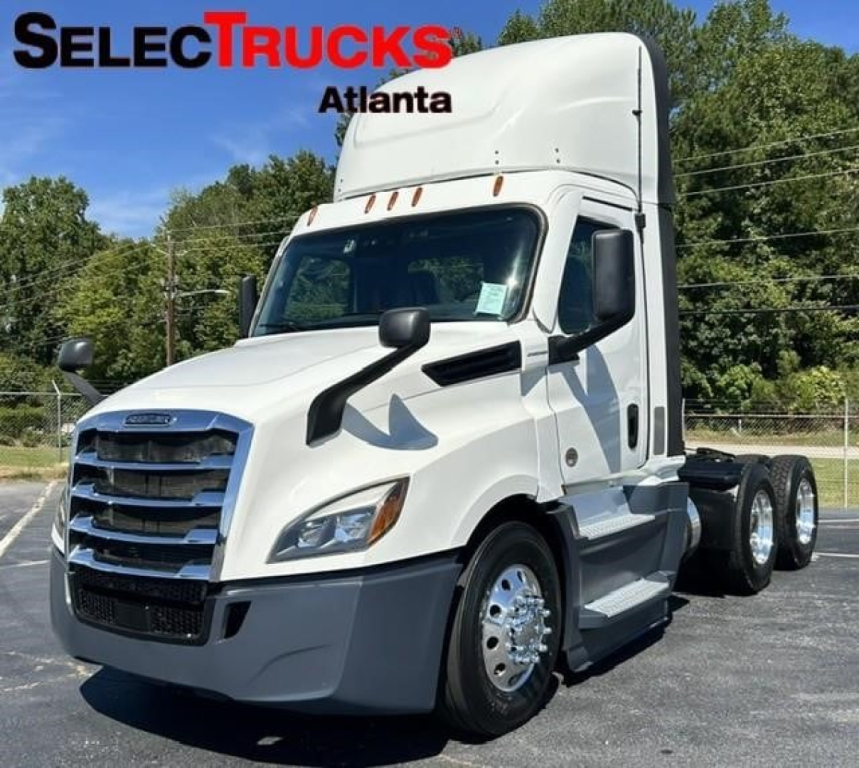
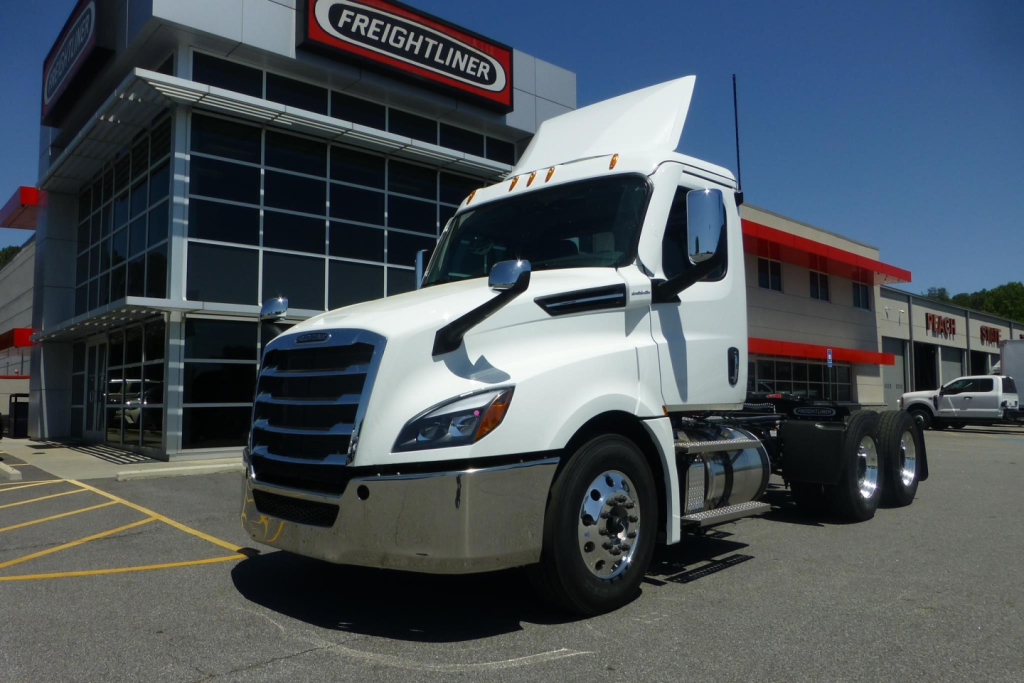
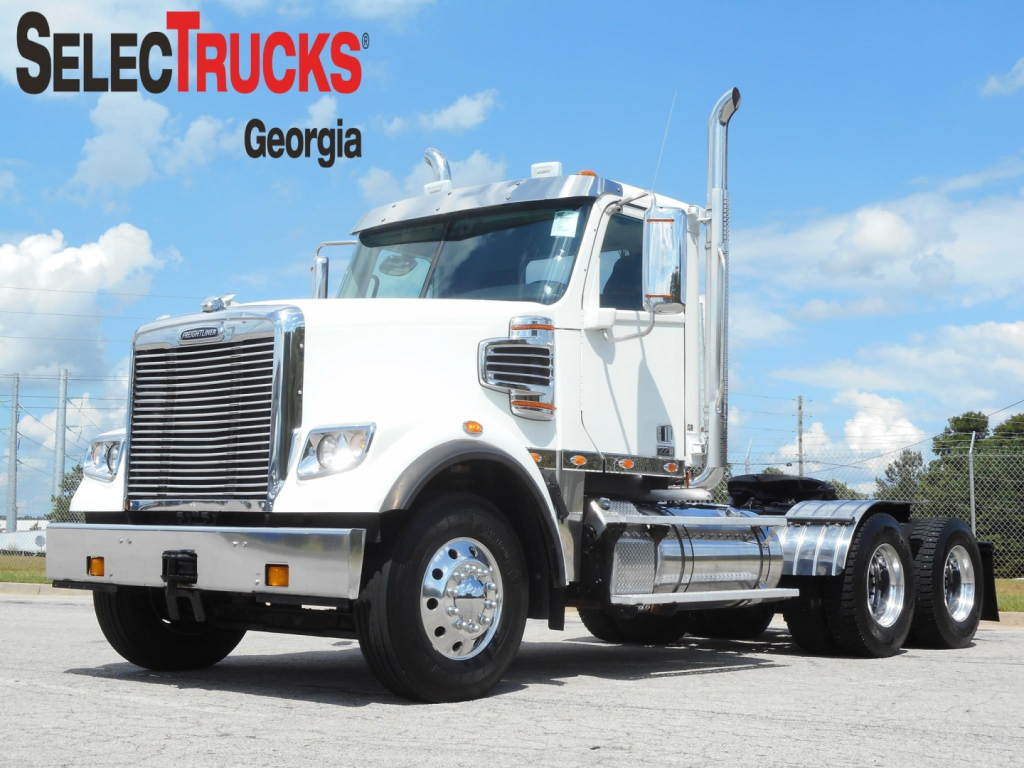
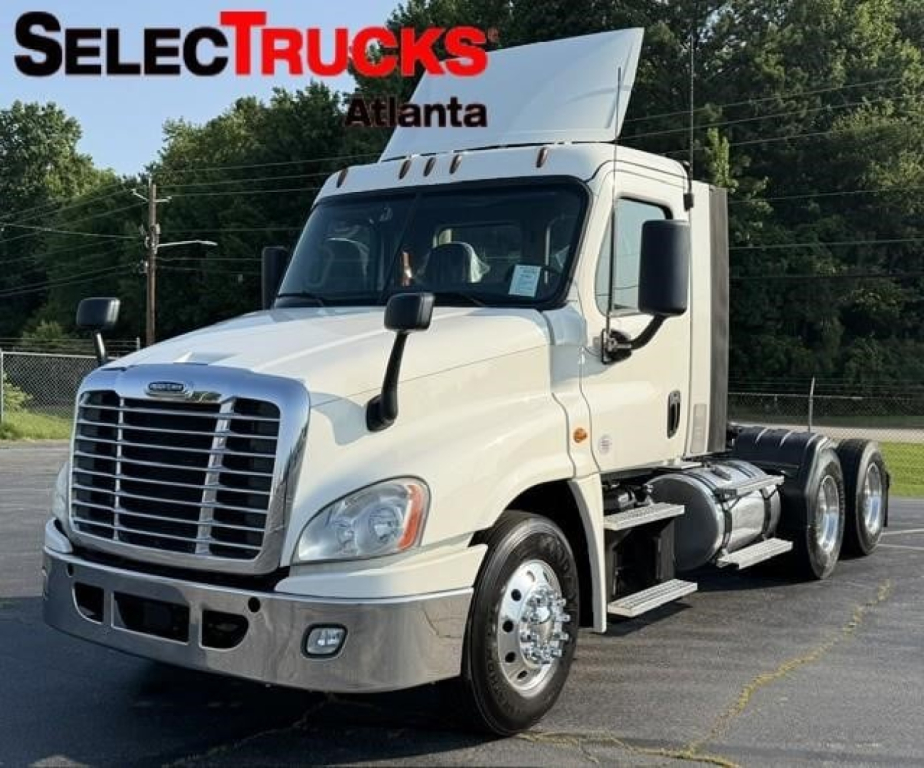
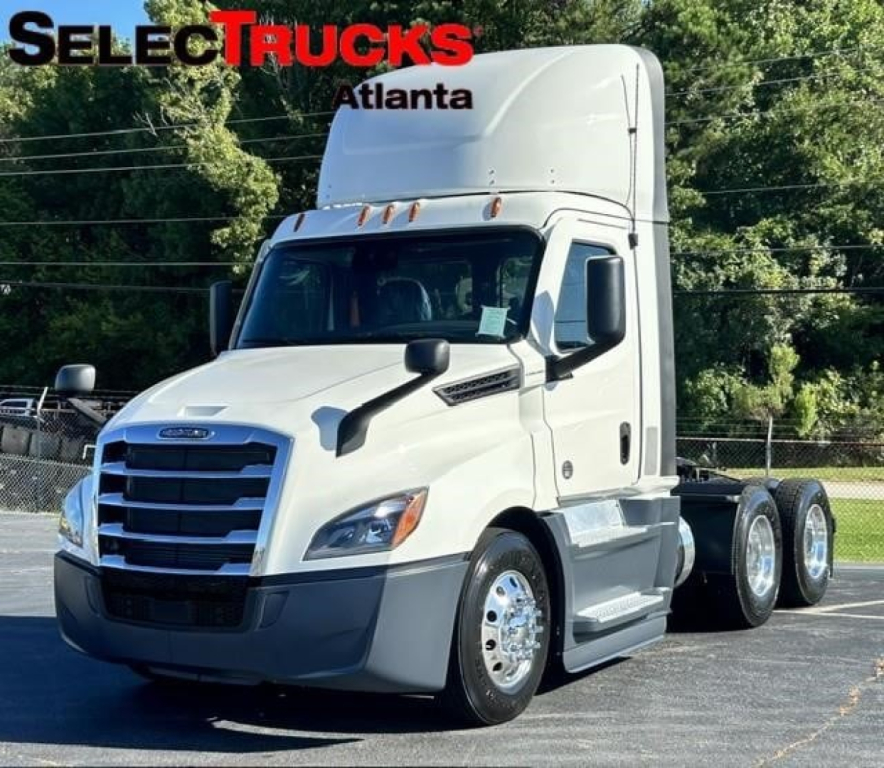
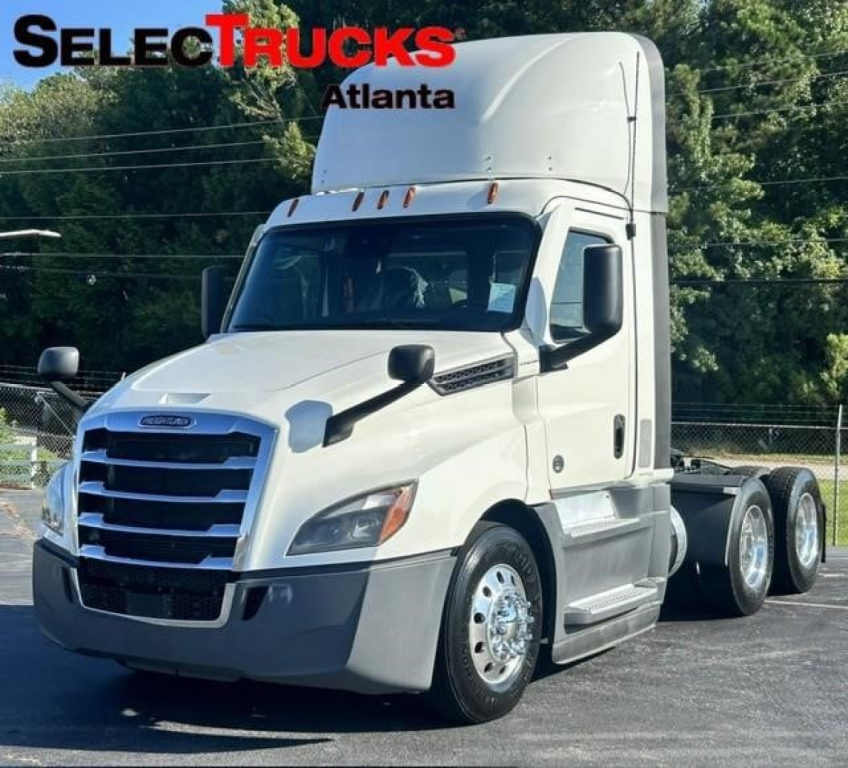
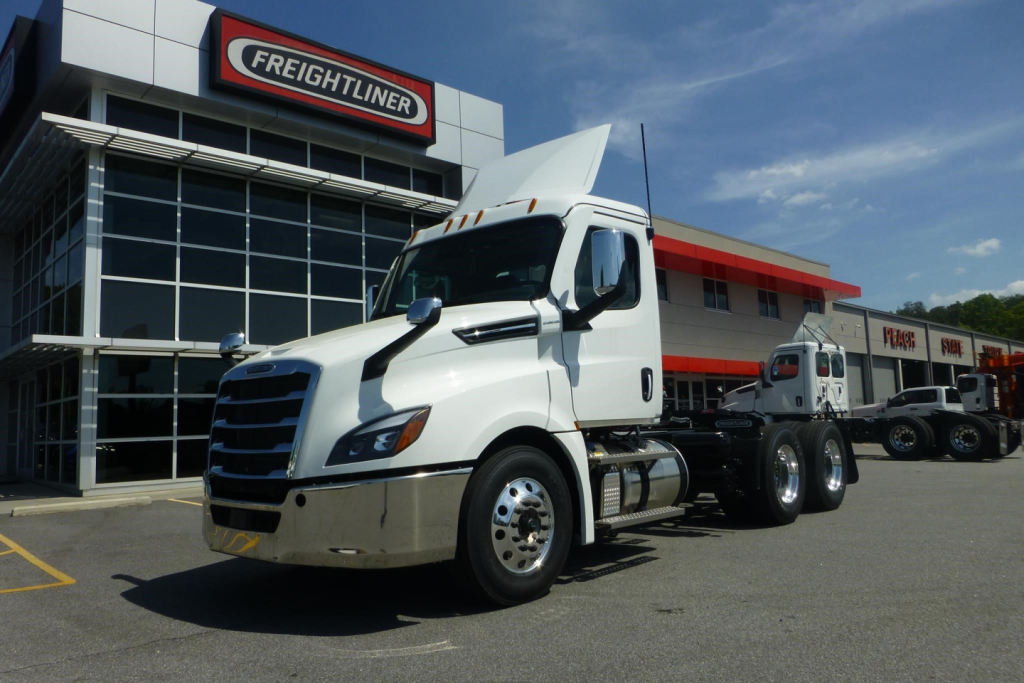

Selling a freightliner day cab truck? List your freightliner day cab truck for sale and reach thousands of commercial buyers.
Freightliner Day Cab Trucks in Georgia
The first buying decision is usually powertrain. Freightliner day cabs in this class are commonly spec'd with Detroit DD13 engines in the 350 to 450 horsepower range paired with the Detroit DT12 automated manual transmission. That setup fits regional freight well because it delivers strong drivability, good fuel efficiency, and straightforward integration with Detroit safety and telematics systems. Some buyers will also run into alternative fuel specs such as Cummins X15N natural gas trucks, which can make sense for private fleets or return-to-base operations with CNG fueling access. Rear axle ratios in the low 2s are common on highway-oriented specs, while wheelbases around 174 to 190 inches are typical depending on fifth wheel position, trailer swing clearance, and the need to balance maneuverability with frame space for fuel tanks, battery boxes, or CNG cabinets.
Cab and chassis details matter more on a day cab than many buyers expect. A short, efficient wheelbase helps in urban and terminal work, but it still needs to match kingpin setting and axle loading requirements for the trailers being pulled. Front axle ratings around 12,000 pounds and rear ratings around 40,000 pounds are standard on tandem road tractors, and brake spec can vary between drum and disc depending on age and intended duty cycle. Many newer Freightliner day cabs include collision mitigation, lane departure warning, side object detection, and in some cases MirrorCam systems. These features are increasingly relevant for fleets operating in dense traffic around Atlanta or on high-volume Southeast lanes where driver retention, insurance pressure, and preventable accident reduction all affect total operating cost.
On used Freightliner day cabs, condition and prior application should carry as much weight as model year. A well-maintained regional tractor with documented service history, clean aftertreatment operation, healthy bushings, and even tire wear can be a better value than a newer truck with heavy idle time or neglected PM intervals. Buyers should pay close attention to engine brake function, suspension wear, fifth wheel condition, transmission calibration, and signs of corrosion or frame repairs, especially if the truck has seen port, refuse transfer, or severe stop-and-go work. Freightliner remains a strong choice in this category because most technicians know the platform, parts availability is broad, and spec options range from basic fleet tractors to higher-trim day cabs with aluminum wheels, larger fuel capacity, and advanced driver-assist systems.
Frequently Asked Questions about Freightliner Day Cab Trucks in Georgia
What engine is most common in a Freightliner day cab truck?
The Detroit DD13 is one of the most common engines in Freightliner day cab tractors, especially in the Cascadia. It is widely used in regional haul and local fleet service because it offers a good balance of horsepower, fuel economy, and serviceability. Ratings around 350 to 450 horsepower are common. Some trucks are also spec'd with alternative fuel engines such as the Cummins X15N CNG engine for fleets that operate on fixed routes and have fueling infrastructure.
What wheelbase is typical for a Freightliner day cab?
A typical Freightliner day cab wheelbase often falls between about 174 and 190 inches, although the right number depends on the trailer type, required bridge law compliance, desired fifth wheel placement, and how much maneuverability the operation needs. A shorter wheelbase is usually preferred for city work, yard access, and tighter turns. A longer wheelbase may be needed for fuel capacity, axle spacing, frame-mounted equipment, or specialty applications.
Is a Freightliner Cascadia day cab good for regional hauling in Georgia?
Yes. The Freightliner Cascadia day cab is a strong fit for Georgia regional hauling because it is designed for highway efficiency but still works well in dense traffic, distribution center operations, and port-related freight. It is a common choice for lanes connecting Atlanta, Savannah, Macon, Augusta, and surrounding Southeast markets. Buyers also benefit from broad dealer support, familiar service procedures, and easy parts sourcing across the region.
What should I inspect on a used Freightliner day cab truck?
Focus on service records, engine and aftertreatment health, transmission performance, suspension wear, brake condition, and fifth wheel integrity. It is also important to inspect steer tire wear, frame condition, air system leaks, driveline vibration, and signs of excessive idle hours or hard vocational use. On newer units, confirm that collision mitigation, lane departure, and other driver-assist systems are functioning properly. A day cab used in regional highway service often wears differently than one used in port or heavy stop-and-go operations.
Are automated manual transmissions common in Freightliner day cabs?
Yes. Automated manual transmissions are now standard in many Freightliner day cab specs, with the Detroit DT12 being especially common behind DD13 engines. AMTs help with fuel efficiency, reduce driver fatigue in traffic, and support consistent shifting across a fleet. They are a practical fit for regional and local applications where trucks see repeated starts, lane changes, and mixed-speed operation throughout the day.