
2021 Freightliner Day Cab Trucks For Sale in Georgia
Shop 2021 Freightliner day cab trucks in Georgia. Compare Cascadia specs, Detroit power, axle setups, and local-route capabilities.
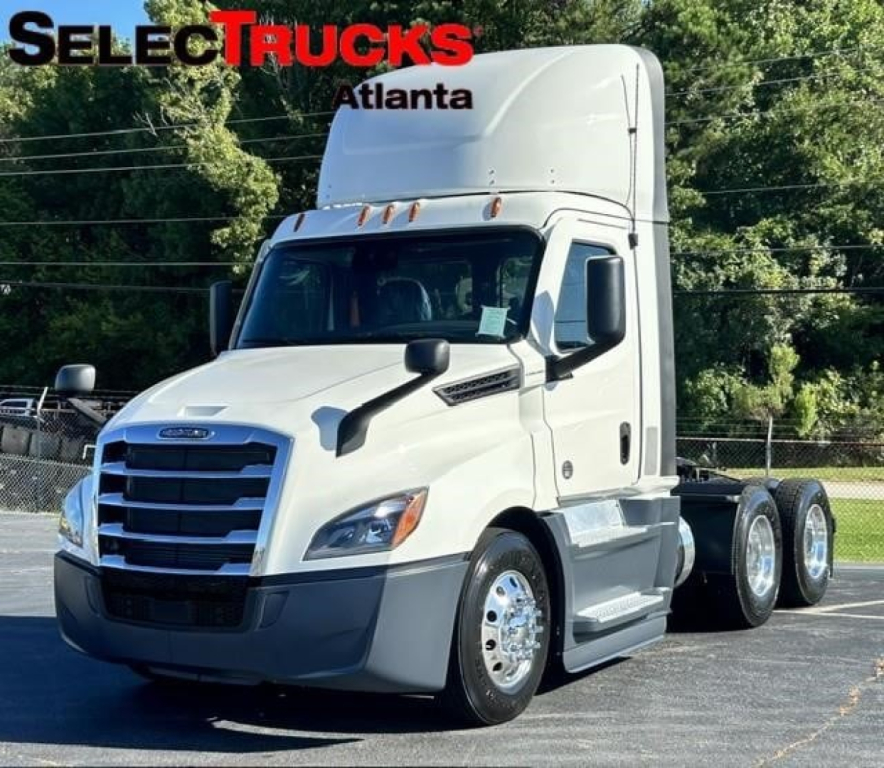
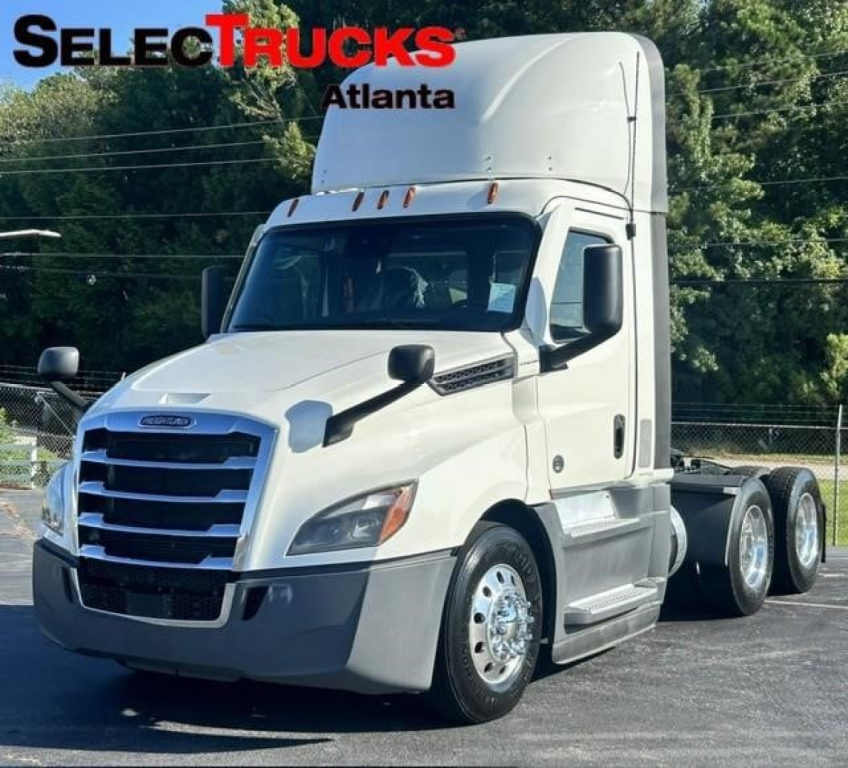

Selling a 2021 freightliner day cab truck? List your 2021 freightliner day cab truck for sale and reach thousands of commercial buyers.
2021 Freightliner Day Cab Trucks in Georgia
The main spec decision is usually engine and transmission. Many 2021 Freightliner day cabs are set up with the Detroit DD13 paired to the DT12 automated manual transmission. That combination is popular because it balances fuel economy, drivability, and maintenance familiarity across large fleets and owner-operators alike. Buyers should still verify horsepower and torque ratings, rear axle ratio, and whether the truck was ordered for stop-and-go city work or higher-speed regional lanes. A truck spec'd for frequent starts, heavier gross weights, or PTO use can feel very different from one built for light dry van or drop-and-hook work.
Cab and chassis details matter just as much as the powertrain. Wheelbase, fifth wheel position, front axle capacity, and tandem rating affect turning radius, bridge law compliance, trailer gap, and how well the truck handles different trailer lengths. Many Freightliner day cabs in this year range also include fleet-friendly features such as power windows, heated mirrors, Bluetooth radios, and aluminum wheels. If the truck will be used for intermodal, tanker, flatbed, or vocational-style trailer work, check for frame layout, air and electrical routing, suspension type, and available clearance behind the cab. A day cab that spent its life on consistent regional routes may show different wear than one used in port traffic or dense urban service.
A 2021 model often appeals to buyers who want newer emissions hardware and updated driver-assist technology without stepping into new-truck pricing. Freightliner also has one of the broadest service networks in the Southeast, which is a meaningful advantage for Georgia-based operations trying to limit downtime. Before buying, review idle hours, maintenance records, DOT inspection history, tire condition, brake life, and any signs of aftertreatment or transmission fault history. On a used day cab, the best value is usually the truck whose axle ratings, wheelbase, and drivetrain match the job from day one.
Frequently Asked Questions about 2021 Freightliner Day Cab Trucks in Georgia
What engine is most common in a 2021 Freightliner day cab?
The Detroit DD13 is one of the most common engines found in 2021 Freightliner day cabs, especially in Cascadia 126 configurations. It is widely used because it offers a strong mix of fuel efficiency, dependable regional-haul performance, and broad service support. Some trucks may be rated differently for horsepower and torque, so buyers should confirm the exact calibration instead of assuming all DD13 trucks are spec'd the same.
Is a 2021 Freightliner day cab good for Georgia regional and port work?
Yes. A 2021 Freightliner day cab is well suited for Georgia applications such as Atlanta-area distribution, short regional lanes, and drayage connected to Savannah and surrounding logistics corridors. The day cab layout improves maneuverability, reduces empty weight compared with a sleeper, and fits operations where the driver returns home daily. The right axle ratio, wheelbase, and suspension spec are important if the truck will spend more time in stop-and-go port traffic versus highway regional work.
What transmission is typically paired with the DD13 in these trucks?
Many 2021 Freightliner day cabs are equipped with the Detroit DT12 automated manual transmission. The DT12 is common in fleet service because it simplifies driver training, delivers consistent shift logic, and can help support fuel economy goals. Buyers should still confirm software programming, clutch history if applicable, and whether the transmission calibration matches the intended duty cycle.
What should I check first on a used 2021 Freightliner day cab?
Start with the truck's application-related specs and service history. Confirm the wheelbase, axle ratings, rear ratio, fifth wheel setup, and engine rating to make sure the truck matches the trailers and freight it will pull. Then review maintenance records, fault codes, aftertreatment history, DOT inspections, tire and brake wear, and engine idle hours. On a day cab, prior duty cycle matters because a local stop-and-go truck can show different wear patterns than a regional highway unit.
What is the difference between a Freightliner Cascadia 126 day cab and a Cascadia 116 day cab?
The Cascadia 126 generally has a longer hood and is often selected for linehaul or heavier regional specs where cooling package capacity, highway gearing, and broader drivetrain choices matter. The Cascadia 116 is typically favored when tighter packaging, lighter weight, or more maneuverable vocational and regional applications are the priority. The exact difference depends on how the truck was ordered, so buyers should compare wheelbase, axle capacities, and drivetrain specs rather than relying on model name alone.