
2021 Freightliner Day Cab Trucks For Sale
Shop 2021 Freightliner day cab trucks, including Cascadia models with DD13 power, DT12 automated transmissions, and fleet-ready specs.
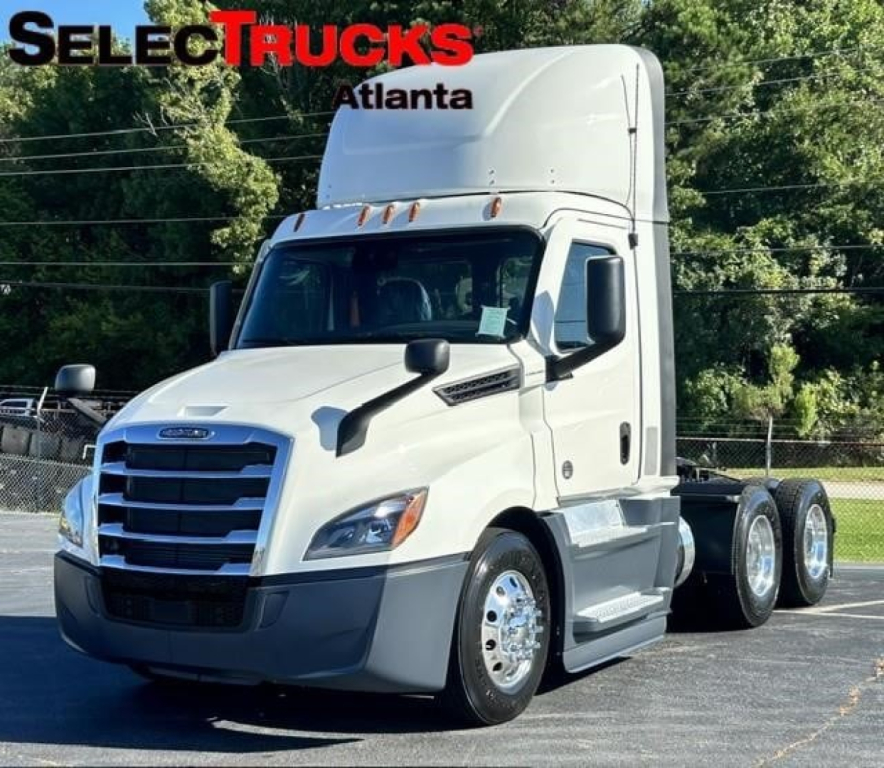
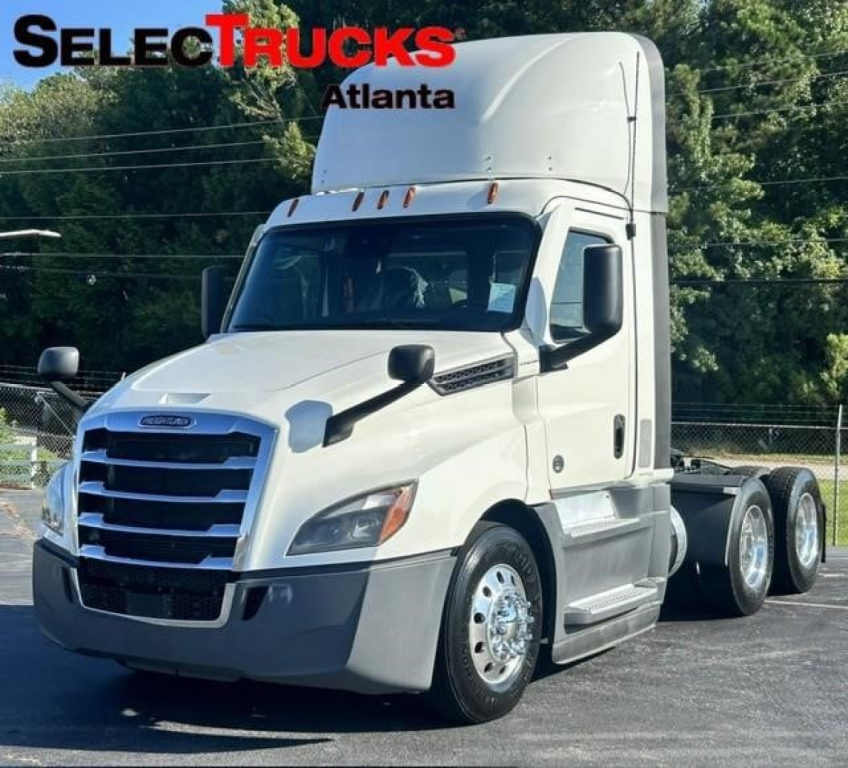
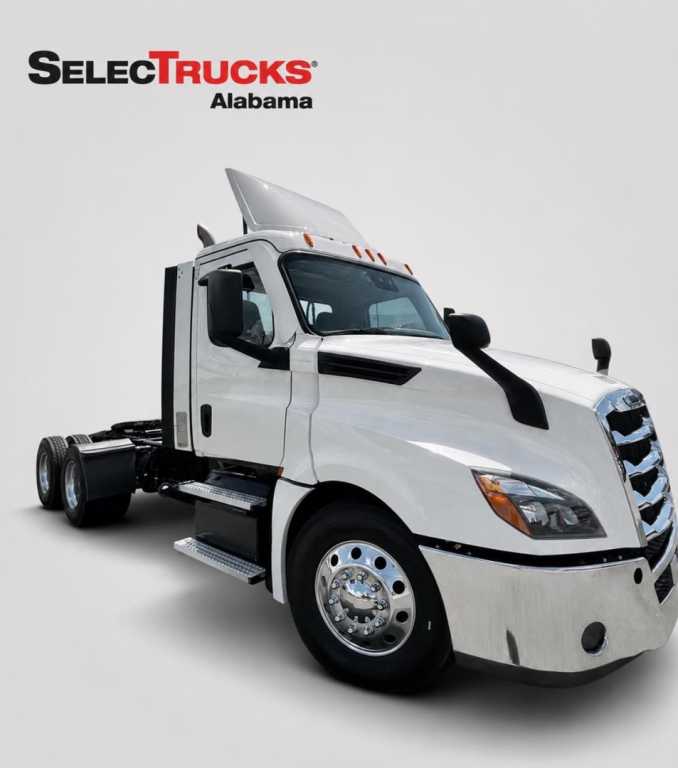

Selling a 2021 freightliner day cab truck? List your 2021 freightliner day cab truck for sale and reach thousands of commercial buyers.
2021 Freightliner Day Cab Trucks
The first buying decision is usually application. For urban and regional operations, a 2021 Freightliner day cab often makes sense with a shorter wheelbase, an air slide fifth wheel, and a rear axle ratio matched to frequent starts, tight yards, and mixed trailer lengths. Buyers pulling van, reefer, or container chassis should pay attention to fifth wheel travel, frame layout, and back-of-cab clearance, especially if the truck will switch between trailer types. Suspension rating, front axle capacity, and fuel tank placement also matter if the truck will see heavy PTO use, bulk hauling, or vocational crossover work. Some day cabs in this class are fleet spec, while others carry upgraded trim, aluminum wheels, heated mirrors, and driver convenience features that can make a difference in retention and daily use.
Powertrain and emissions history deserve close review on any used 2021 model. The Detroit DD13 is widely respected for fuel economy and service network support, but buyers should still verify maintenance records, idle hours, aftertreatment history, and software campaign status. The DT12 automated manual is a common choice in this segment because it reduces driver fatigue and tends to support consistent operation across multiple drivers. Look at rear tire condition, brake life, alignment wear, and the condition of the fifth wheel plate and slide rails. On a fleet-maintained truck, those details often tell you as much as the odometer. If the truck will run in California or other emissions-sensitive markets, confirm current compliance requirements and any idle or retrofit considerations tied to the intended operating area.
A well-matched 2021 Freightliner day cab can be a productive replacement cycle truck because it sits in a sweet spot between modern safety tech and familiar serviceability. Common features in this class include collision mitigation, lane departure warning, Bluetooth radio, power windows and locks, and heated power mirrors. Freightliner day cabs are also known as day cab semi trucks or day cab tractors, and they remain one of the most practical choices for fleets and owner-operators who need a road tractor optimized for daily return-to-base work. The best unit is usually the one with the right axle specs, wheelbase, fifth wheel setup, and maintenance background for the freight it will pull every day.
Frequently Asked Questions about 2021 Freightliner Day Cab Trucks
What engine and transmission are most common in a 2021 Freightliner day cab?
Many 2021 Freightliner day cab trucks, especially Cascadia 126 models, are equipped with a Detroit DD13 engine and Detroit DT12 automated transmission. This is a common fleet specification because it balances fuel economy, drivability, and service support. Horsepower ratings often land around the 400 to 450 HP range, which is enough for most regional and local tractor applications without stepping into heavier long-haul sleeper specs.
Is a 2021 Freightliner day cab good for regional and local hauling?
Yes. A 2021 Freightliner day cab is designed for operations where the truck returns to base rather than staying out overnight. That makes it a strong fit for regional freight, dedicated routes, port work, LTL, private fleet service, and short-haul trailer movement. The day cab layout reduces weight compared with a sleeper and can improve maneuverability, especially when paired with a shorter wheelbase and the right fifth wheel setup.
What should I check on a used 2021 Freightliner day cab before buying?
Focus on maintenance history, engine hours, aftertreatment service records, transmission operation, brake and tire wear, and evidence of alignment or suspension issues. Review the fifth wheel condition and confirm whether it is fixed or air slide, since that affects trailer compatibility. It is also smart to verify axle ratings, wheelbase, and any active safety systems so the truck matches the work it will actually perform.
What is the difference between a day cab and a sleeper tractor?
A day cab does not have a sleeper compartment behind the seats, so it is intended for drivers who do not need overnight accommodations in the truck. That usually means lower weight, a shorter overall package, and easier access in urban or terminal environments. A sleeper tractor is better suited to long-haul work, while a day cab is generally the more efficient choice for local and regional operations.
Are 2021 Freightliner day cabs typically fleet trucks?
Many are. Freightliner day cabs are widely used in large and medium fleets, so it is common to find 2021 models that were maintained on regular service intervals and spec'd for dependable regional use. Fleet origin can be a benefit if records are available and the truck was maintained consistently, but buyers should still inspect the truck carefully because actual wear depends on route type, driver turnover, loading conditions, and idle time.