
Freightliner Dump Trucks For Sale in Georgia
Shop Freightliner dump trucks for sale in Georgia, including M2 106 and 114SD models with single or tandem axles for hauling aggregate and debris.
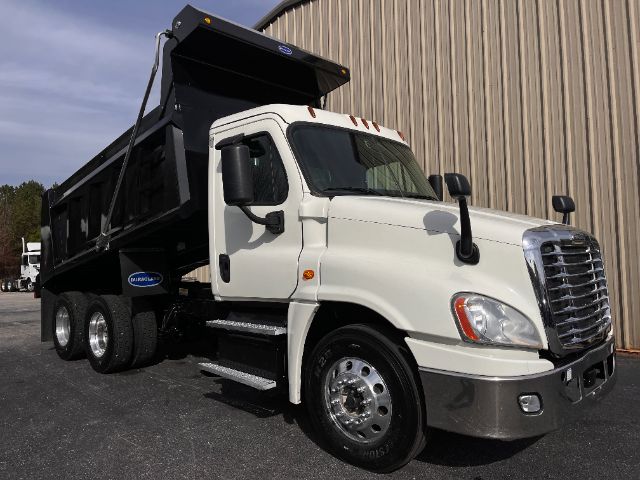
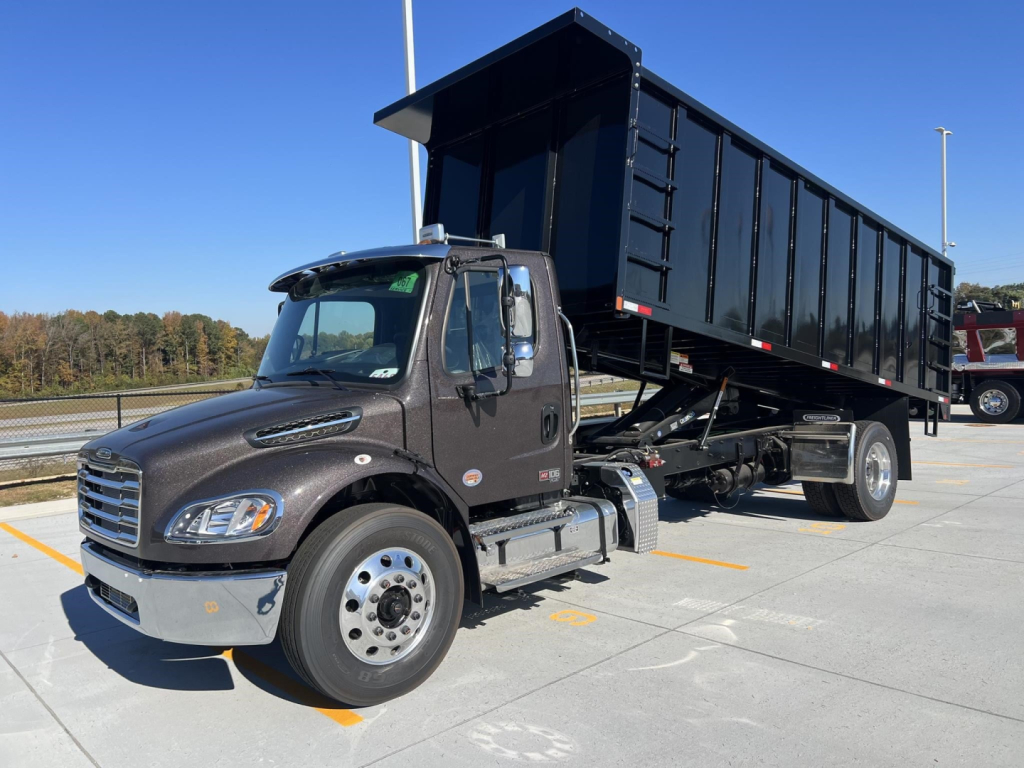
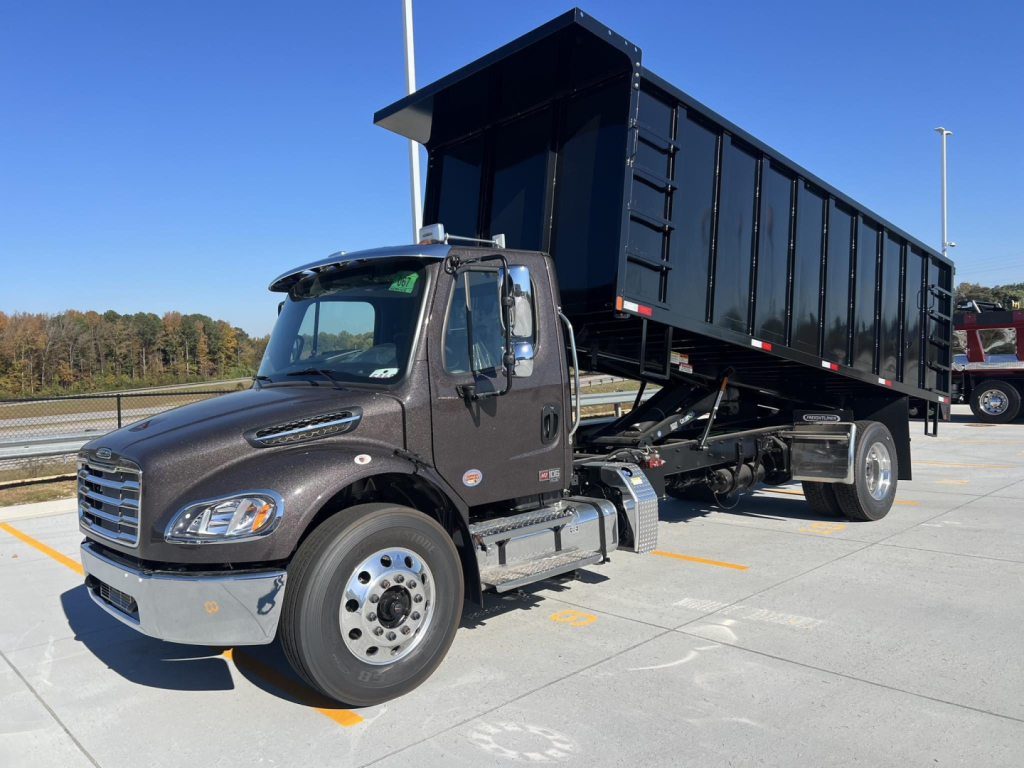
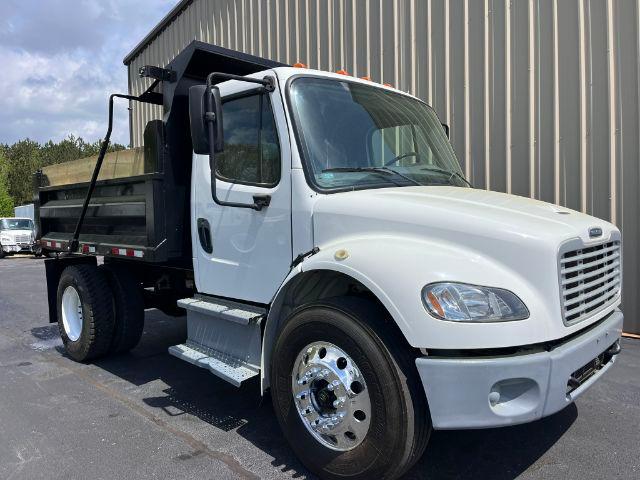
Selling a freightliner dump truck? List your freightliner dump truck for sale and reach thousands of commercial buyers.
Freightliner Dump Trucks in Georgia
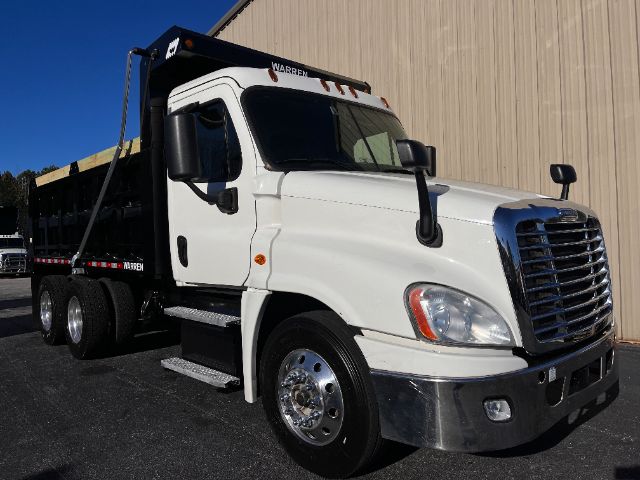
The first decision is usually single axle or tandem axle. A single-axle Freightliner dump truck, often built on an M2 106 chassis, is a practical fit for tighter residential access, shorter wheelbases, and lower GVWR requirements such as 26,000 pounds. Common specs include Cummins B6.7 power, Allison automatic transmissions, spring suspension, 10,000-pound front axles, and rear axles in the 16,000 to 20,000-pound range. Tandem-axle Freightliner dump trucks, commonly based on the 114SD or occasionally a converted highway chassis like a Cascadia, are built for higher payloads and tougher duty cycles. Typical specs include Detroit DD13 power, 6x4 drivetrains, 20,000-pound fronts, 40,000 to 46,000-pound rears, heavier suspensions, double frames, and dump bodies in the 15 to 16 foot range.
Body and hoist details matter as much as the cab and chassis. Georgia buyers should pay close attention to dump body length, side height, steel thickness, hoist type, tailgate configuration, tarp system, pintle or tow package, and whether the body is insulated for asphalt work. Steel bodies from builders such as Ox Bodies, Duraclass, and Ledwell are common in this segment because they hold up well in abrasive material service. A telescopic hoist is typical on many dump builds, while electric tarps, air tailgates, PTO wet kits, differential locks, and engine brakes are all valuable features depending on route and material. Suspension choice also affects the truck’s role. Spring ride is simple and durable for many vocational jobs, while heavier Hendrickson-style rear suspensions are common on tandem severe-duty units.
Freightliner dump trucks also stand out for parts availability and familiar controls, which helps mixed fleets and owner-operators keep drivers productive. When comparing listings, look beyond engine horsepower and focus on complete vocational spec: axle ratings, frame construction, wheelbase, rear ratio, transmission model, tire size, body brand, and empty weight. A truck with the right body, axle package, and gearing will usually outperform a higher-horsepower truck that was not built for dump service. For Georgia operations dealing with red clay, paving work, quarry runs, or municipal routes, matching the truck’s payload target and terrain to the suspension, body, and drivetrain is the key buying decision.
Frequently Asked Questions about Freightliner Dump Trucks in Georgia
What is the difference between a Freightliner M2 106 dump truck and a Freightliner 114SD dump truck?
The Freightliner M2 106 is typically a medium-duty vocational chassis used for lighter dump applications such as landscape material, municipal work, and smaller construction jobs. It is commonly found as a single-axle truck with GVWRs around 26,000 pounds and engines like the Cummins B6.7 paired with an Allison automatic. The Freightliner 114SD is a severe-duty Class 8 platform designed for heavier payloads, tandem-axle configurations, tougher frame requirements, and more demanding off-road or aggregate service. Buyers usually choose the M2 for maneuverability and lower operating weight, while the 114SD is chosen for payload, durability, and heavier body specs.
Are Freightliner dump trucks good for asphalt, aggregate, and construction hauling in Georgia?
Yes, Freightliner dump trucks are widely used in Georgia for asphalt, aggregate, site work, and general construction hauling. The right fit depends on the exact spec. Asphalt work often calls for an insulated steel body, electric tarp, air tailgate, and a drivetrain that can handle repeated stop-and-go hauling. Aggregate and dirt hauling usually require tandem axles, stronger rear suspensions, high axle ratings, and durable steel bodies. For smaller contractors and municipal routes, a single-axle Freightliner can be a practical choice, but heavier quarry or paving work typically points to a tandem 114SD or similarly spec’d truck.
What specs matter most when buying a used Freightliner dump truck?
The most important specs are axle ratings, GVWR, wheelbase, suspension type, frame construction, transmission model, rear ratio, body length, and empty weight. Buyers should also confirm whether the truck has a single frame or double frame, what type of hoist is installed, and whether the dump body is steel and suited to the intended material. Engine and transmission combinations such as Cummins with Allison or Detroit with Allison are common and generally easy to support, but the truck still has to be matched to payload and route conditions. A dump truck with the right axle package and body setup is usually more valuable than one with extra horsepower but weak vocational spec.
Is an automatic transmission a good choice in a Freightliner dump truck?
For many dump applications, yes. Allison automatic transmissions are very common in Freightliner dump trucks because they are easy to operate, reduce driver fatigue, and perform well in stop-and-go hauling, backing, and jobsite maneuvering. Automatic transmissions are especially useful in municipal service, paving support, and local construction routes where frequent shifts are required. Some tandem dump trucks may use automated manual transmissions, which can also work well, but buyers should consider driver preference, terrain, load cycle, and maintenance familiarity when comparing transmission types.
Can a Freightliner Cascadia be used as a dump truck?
Yes, some dump trucks are built on or converted from Freightliner Cascadia highway chassis, usually for specific on-road hauling applications. These trucks can work well when spec’d with the right dump body, axle package, hoist, and vocational equipment, especially for operations that spend more time on paved roads than rough jobsites. However, a purpose-built vocational model such as the 114SD is generally better suited for severe-duty use because it offers heavier frame options, more robust front axle capacity, and better durability for repeated off-road or high-impact work.