
2026 Freightliner Trucks For Sale in Georgia
Shop 2026 Freightliner trucks in Georgia, including Cascadia and M2 models for highway, box, reefer, and vocational applications.
Selling a 2026 freightliner truck? List your 2026 freightliner truck for sale and reach thousands of commercial buyers.
2026 Freightliner Trucks in Georgia
For sleeper tractors, a 2026 Freightliner Cascadia is likely to appeal to fleets focused on operating cost and driver retention. Current-spec Cascadias are commonly equipped with Detroit DD13 or DD15 engines, the DT12 automated manual transmission, aerodynamic fairings, and the latest safety electronics including collision mitigation and camera-based visibility systems. Buyers should pay close attention to horsepower and torque ratings, sleeper size, wheelbase, and rear axle ratio because those details determine where the truck performs best. A 72-inch double bunk sleeper, for example, fits team operations or longer-haul runs, while a day cab or smaller sleeper may make more sense for dedicated regional freight. In Georgia, where freight moves heavily through Atlanta, Savannah, and major interstate corridors, uptime, dealer support, and fuel efficiency often weigh just as heavily as purchase price.
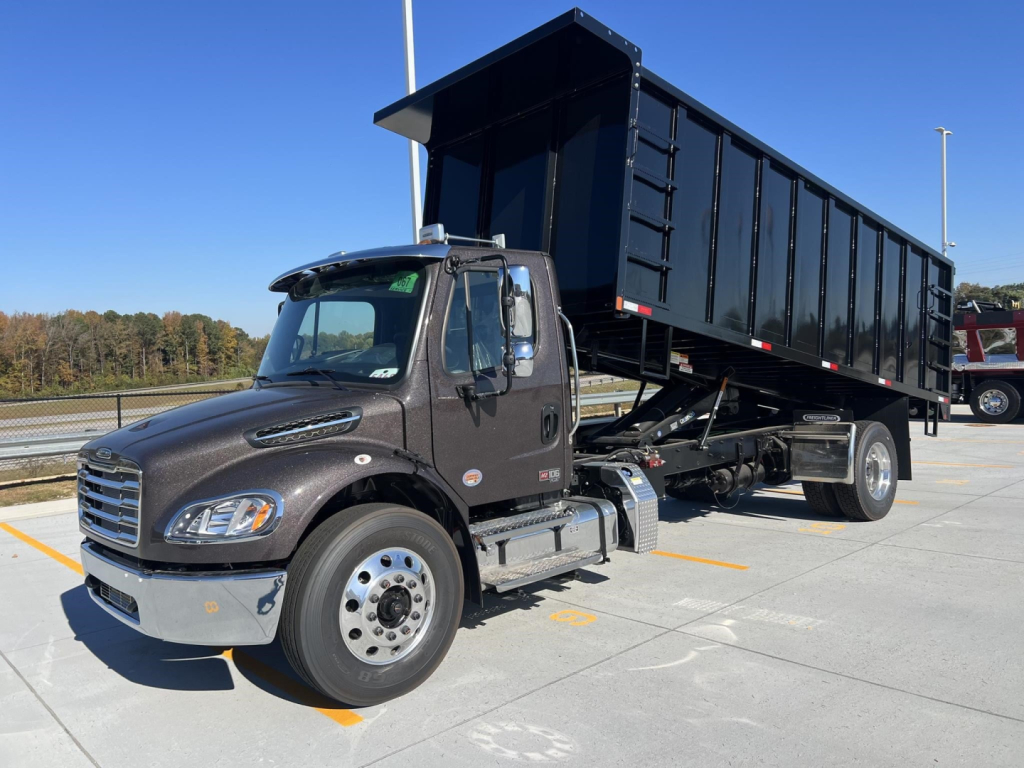
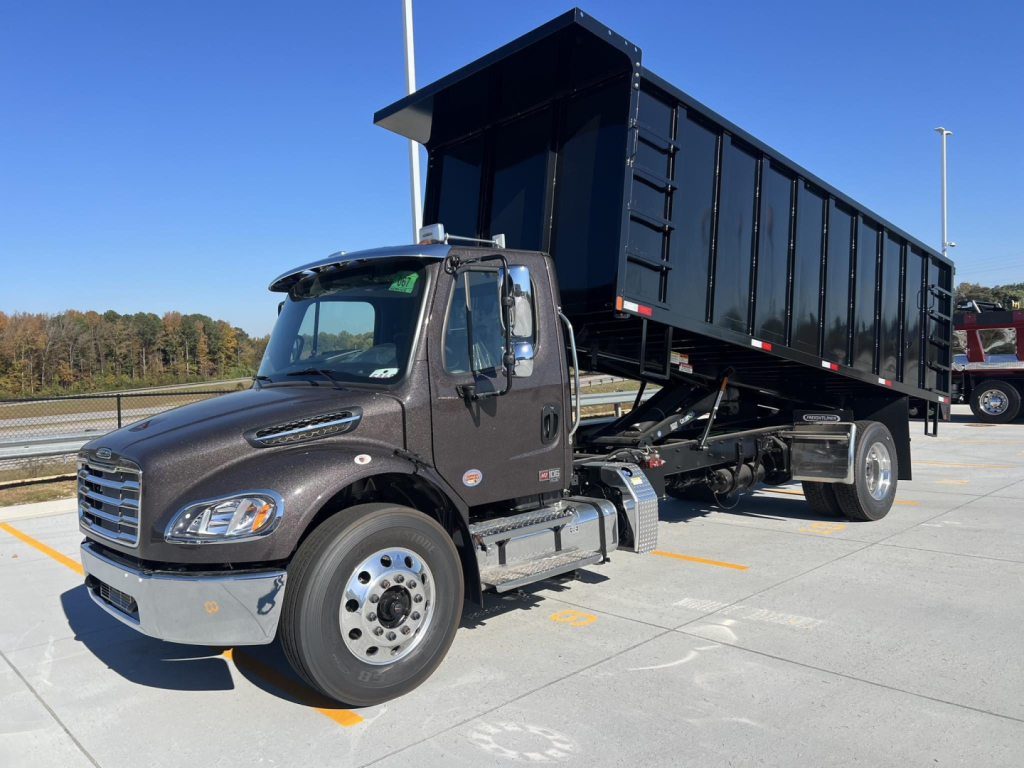
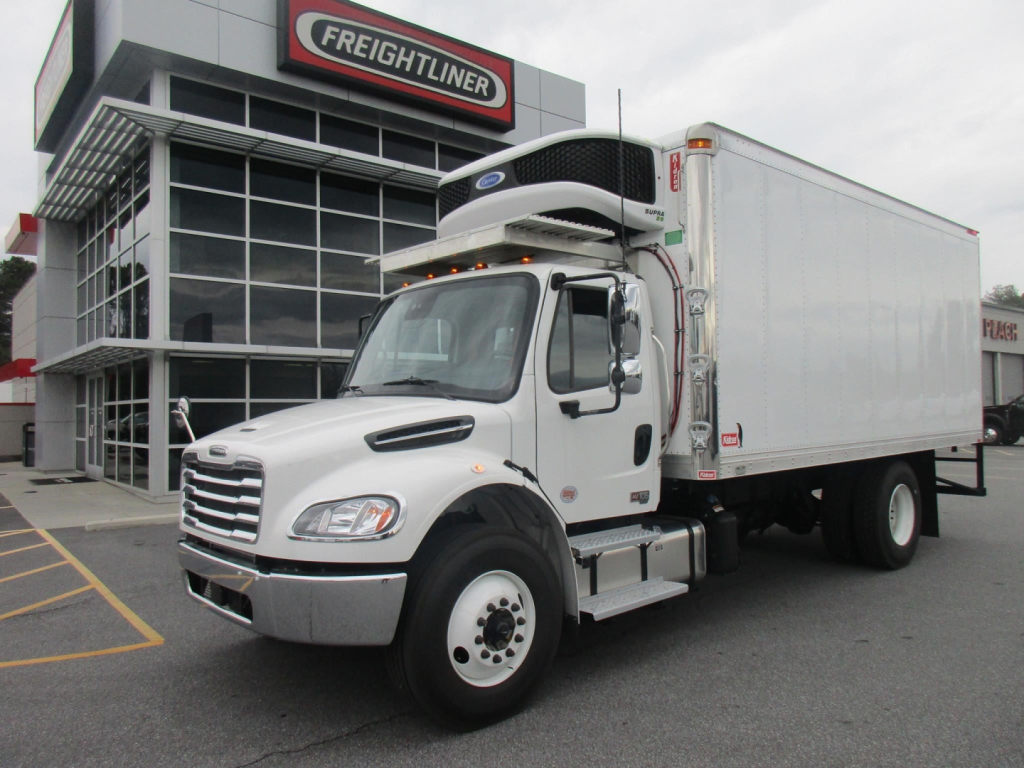
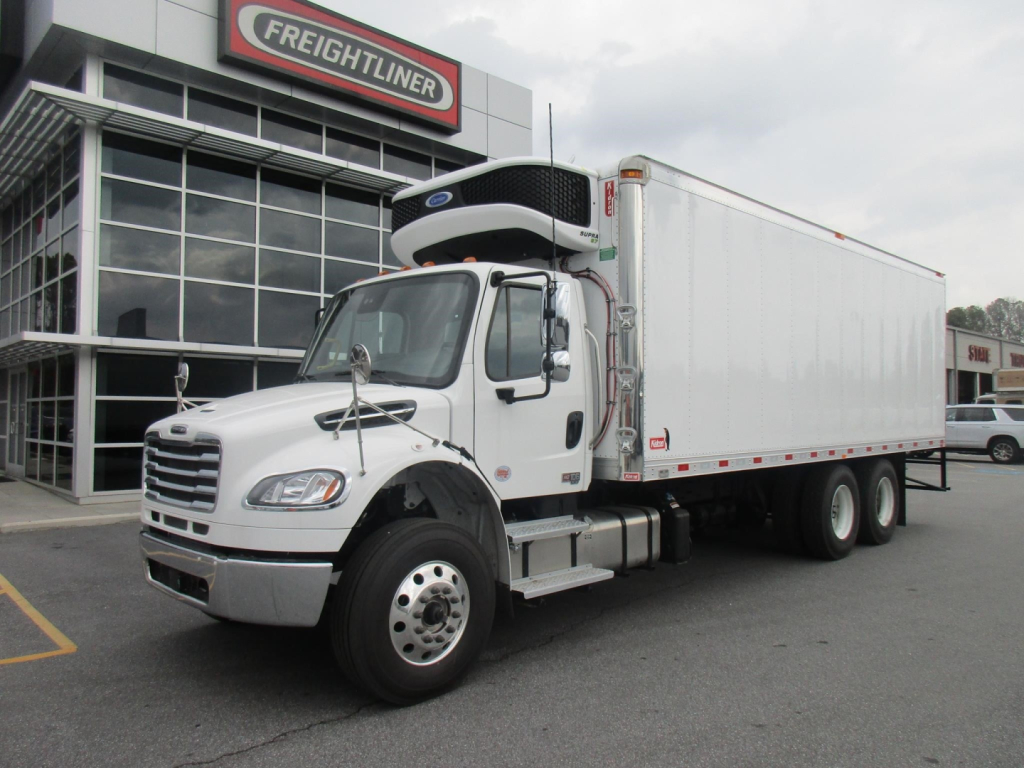
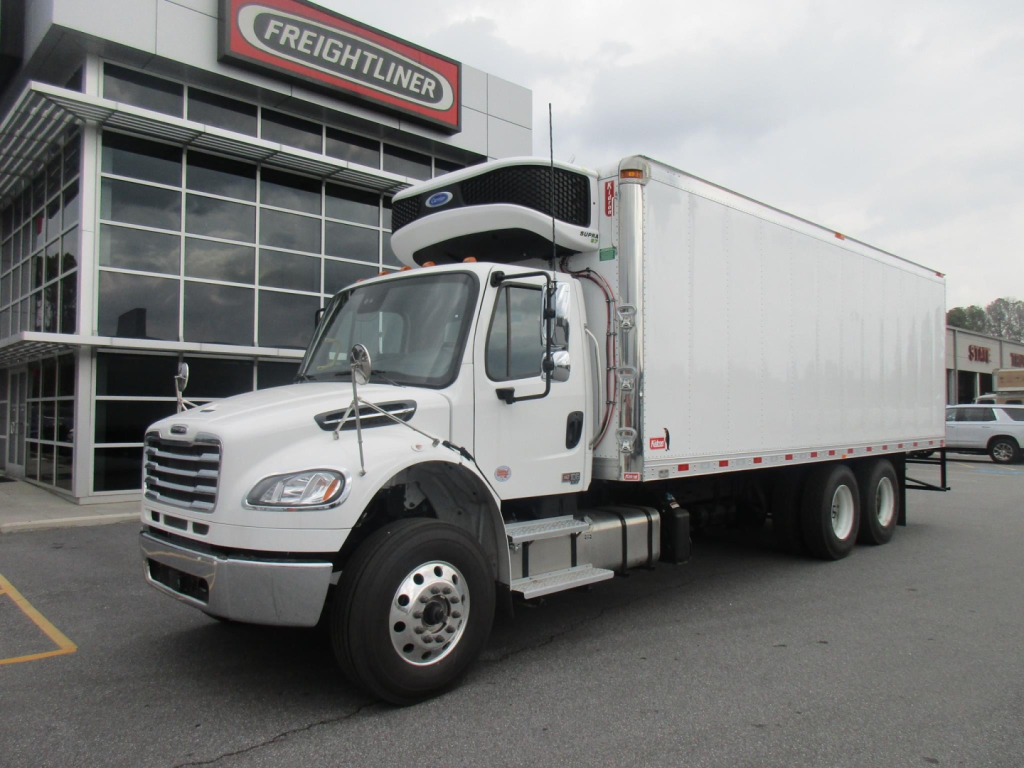
A 2026 Freightliner M2 106 Plus covers a different part of the market. It is commonly spec'd as a box truck, refrigerated truck, stake body, flatbed, dump truck, or service truck, and it is also well known for straight truck applications that need good maneuverability with higher GVWR capability. Typical engines include the Cummins B6.7 or L9, paired with Allison automatic transmissions for stop-and-go duty cycles. Buyers comparing M2 units should look at front axle rating, rear axle rating, suspension type, cab-to-axle dimension, wheelbase, and body integration. On reefer and dry freight units, details like liftgate capacity, E-track layout, insulated body construction, roll-up door type, and forklift package can have more impact on day-to-day usability than the chassis badge alone. For Georgia operators handling food distribution, retail delivery, or route work in urban and suburban traffic, that practical spec alignment is what determines long-term value.
Across both platforms, Freightliner remains a strong choice because of its broad service network, familiar controls, and proven resale demand. A buyer reviewing 2026 Freightliner trucks for sale should match the truck to the freight, route density, payload target, and maintenance model. On a sleeper tractor, that means evaluating emissions system history, safety package, and driveline efficiency. On an M2, it means checking body builder quality, PTO or auxiliary equipment needs, and whether the truck is sized correctly for dock access and legal payload. The best Freightliner spec is the one that fits the operation cleanly, not the one with the longest option sheet.
Frequently Asked Questions about 2026 Freightliner Trucks in Georgia
What are the main differences between a 2026 Freightliner Cascadia and a 2026 Freightliner M2 106 Plus?
The Cascadia is a Class 8 highway tractor built primarily for linehaul, regional haul, and sleeper applications, while the M2 106 Plus is a medium-duty to heavy-duty straight truck platform used for box, reefer, dump, flatbed, and service body work. The Cascadia emphasizes aerodynamics, fuel economy, sleeper comfort, and highway safety technology. The M2 106 Plus is designed around body versatility, tighter maneuvering, and vocational adaptability. The right choice depends on whether the truck will pull a trailer on highway lanes or carry its payload on the chassis itself.
What engine and transmission options are common on 2026 Freightliner trucks?
On 2026 Freightliner Cascadia models, Detroit DD13 and DD15 engines are common, usually paired with the Detroit DT12 automated manual transmission. On 2026 Freightliner M2 106 Plus trucks, Cummins B6.7 or L9 engines are frequently seen, often matched with Allison automatic transmissions for delivery and vocational work. Buyers should compare horsepower, torque, axle ratio, and transmission programming because those specs directly affect gradeability, fuel burn, launch performance, and driver acceptance.
Is a 2026 Freightliner M2 106 Plus a good choice for box truck or refrigerated delivery work in Georgia?
Yes, the M2 106 Plus is a strong fit for box and refrigerated delivery operations in Georgia because it offers a wide range of wheelbases, cab-to-axle dimensions, axle capacities, and body compatibility. That flexibility allows the chassis to be matched to 24-foot or 26-foot bodies, liftgates, reefer units, and route-delivery layouts. For operations running through Atlanta traffic, suburban delivery zones, or regional food distribution lanes, the combination of maneuverability, automatic transmission availability, and broad service support makes it a practical platform.
What should buyers check first on a 2026 Freightliner sleeper truck?
Start with the driveline and duty cycle match. Engine rating, torque, rear axle ratio, wheelbase, and sleeper size should all align with the freight being hauled and the average route length. After that, review the safety package, camera and visibility systems, bunk configuration, fuel capacity, and any idle-management or driver-comfort features. A well-matched sleeper spec will usually outperform a higher-horsepower truck that is geared incorrectly for the operation.
Why do Freightliner trucks hold strong appeal in the used and late-model market?
Freightliner trucks remain popular because they have wide dealer coverage, familiar component packages, strong parts availability, and broad acceptance across fleet and owner-operator operations. That support network helps reduce downtime and simplifies service planning, especially for multi-state operations. Resale demand also benefits from the fact that many buyers already know the Cascadia and M2 platforms, which makes late-model Freightliner equipment easier to evaluate, finance, and place into service.