
Used Ford Trucks For Sale in Florida
Browse used Ford trucks in Florida, including E-Series chassis, box trucks, flatbeds, and dump bodies for delivery, service, and landscape work.
Learn more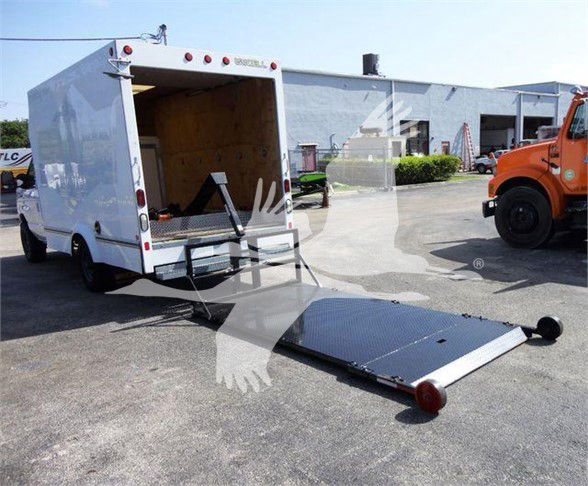
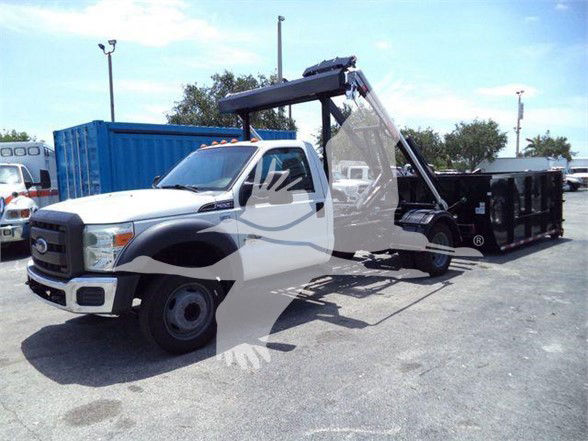
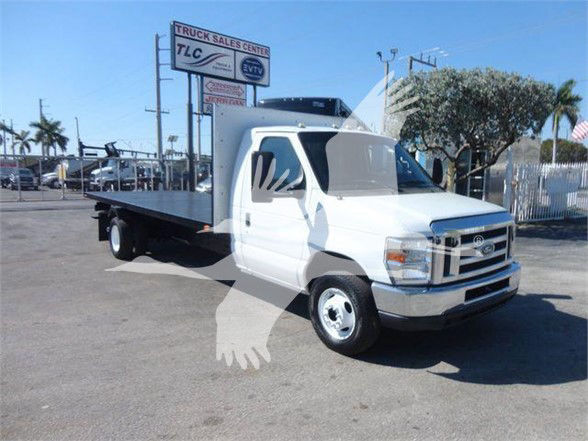
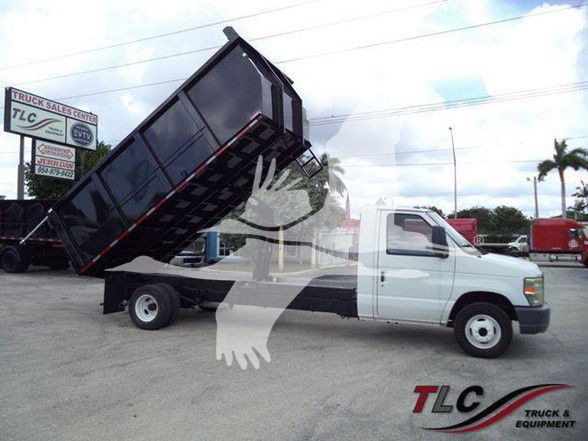
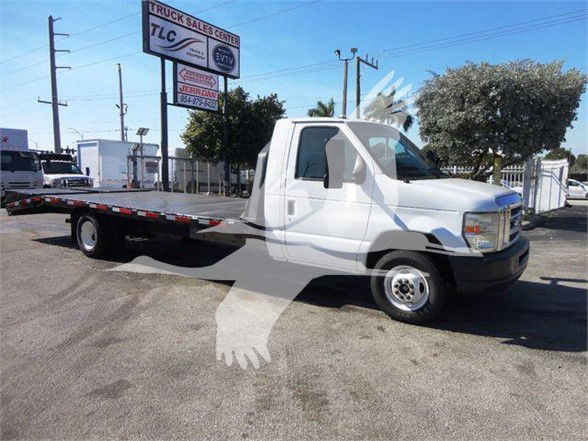
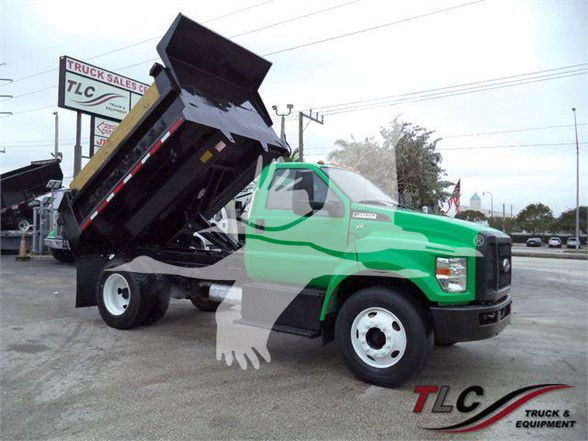
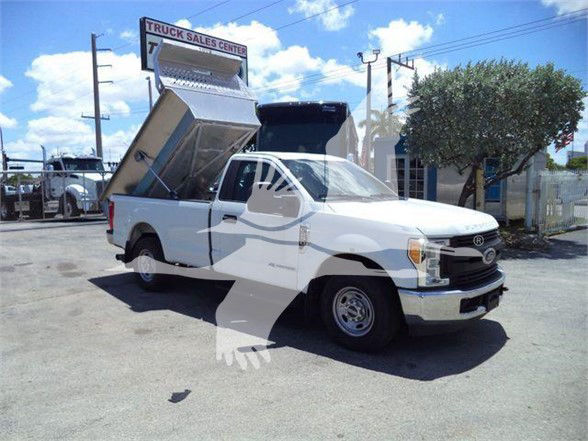
Showing 61 to 70 of 70 results
Have used ford truck to sell? List it here to reach thousands of buyers.
About Used Ford Trucks in Florida
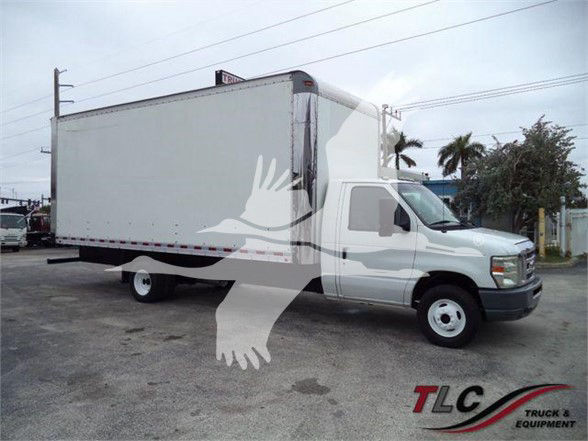
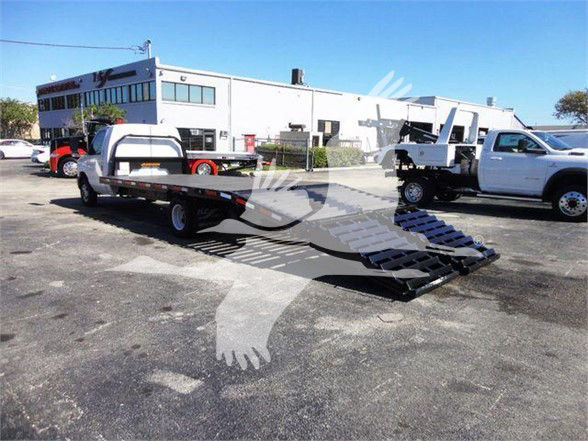
Body configuration matters more than the badge on this class of truck. A 20-foot box truck with a roll-up rear door and pull-out ramp is built for furniture, parcel, appliance, and general cargo service. A steel flatbed is better suited for palletized materials, equipment, and jobsite deliveries where side loading matters. A dump or trash body with tall sides, swing gate, tarp system, and trailer hitch is a better match for landscape debris, storm cleanup, and bulk light-material hauling. Florida buyers should pay close attention to body condition, floor integrity, rear door hardware, hoist performance, and signs of corrosion around mounts, bed crossmembers, and cab corners, especially on trucks that have seen coastal service.
On used Ford trucks, the core buying decision usually comes down to engine type, wheelbase, and how well the chassis matches the body. The 6.8L Triton V10 is common on older E-450 units and is valued for straightforward service and decent power in stop-and-go work, though fuel economy is not its strong point. Check transmission shift quality under load, cooling system condition, front suspension wear, brake performance, and the age of tires if the truck will be put straight into route service. For commercial buyers in Florida, air conditioning performance is not a small detail. Cab comfort, idle quality, and operating temperature in traffic matter on delivery and service routes.
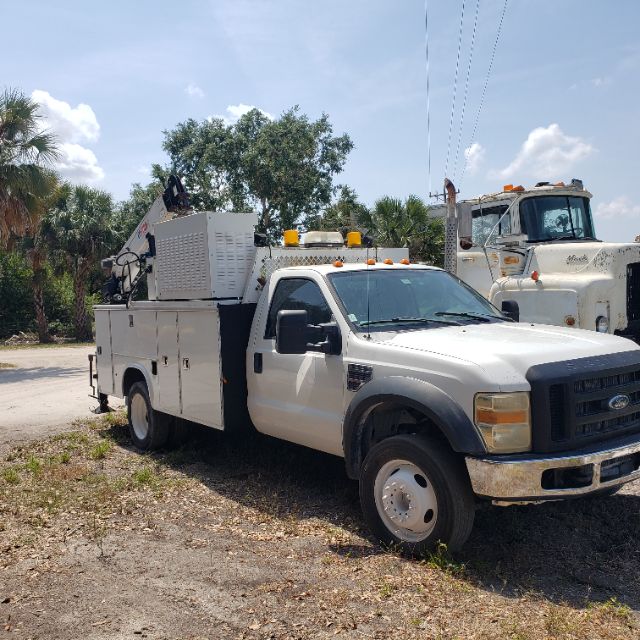
A used Ford truck makes the most sense when the truck’s past use aligns with your next job. Fleet-maintained chassis can be a plus, but upfit quality is just as important as drivetrain condition. Verify the actual payload needs against the posted GVWR, and remember that ramps, liftgates, dump inserts, tool storage, and reinforced beds all add curb weight. Buyers comparing Ford trucks should look at service history, body builder workmanship, title classification, and how easy the truck will be to register, insure, and keep working with minimal downtime. In a state like Florida, where trucks often spend their lives in heat, humidity, and dense traffic, a clean, correctly spec'd used Ford can still be a very efficient business asset.
Frequently Asked Questions
What are used Ford E-450 trucks commonly used for?
Used Ford E-450 trucks are commonly used for box truck delivery routes, moving services, flatbed work, landscape hauling, and light dump applications. The chassis is popular because it accepts a wide range of bodies and upfits while staying compact enough for urban and suburban operation. In Florida, that makes it especially useful for local delivery, contractor fleets, and service businesses that need medium-duty capacity without a large truck footprint.
Is a gasoline Ford V10 a good choice in a used commercial truck?
A gasoline Ford 6.8L V10 can be a solid choice for buyers focused on straightforward maintenance, lower initial purchase cost, and local or regional stop-and-go work. It is widely known in the commercial market and is commonly found in E-Series chassis. Buyers should still account for fuel consumption, especially if the truck will run high annual miles or carry heavy loads every day. The engine’s value depends on service records, cooling system condition, and how well the transmission performs under load.
What should I inspect on a used Ford box truck in Florida?
On a used Ford box truck, inspect the box structure, roof, floor, rear frame, roll-up door, ramp or liftgate, and all body seals for leaks or damage. On the chassis side, check the engine, transmission, brakes, steering components, suspension, and tire wear. Florida buyers should pay extra attention to rust around body mounts and electrical issues caused by humidity, as well as air conditioning output and engine cooling performance in traffic.
How important is GVWR when buying a used Ford truck?
GVWR is critical because it determines the truck’s legal operating weight, payload potential, and how well the chassis matches the body. A used truck with a box, flatbed, or dump body may have much less available payload than the chassis rating suggests once the upfit is installed. Buyers should compare the empty weight, intended cargo, passengers, fuel, and any towing needs against the rated capacity before making a decision.
Are used Ford dump and landscape trucks different from standard dump trucks?
Many used Ford dump and landscape trucks are built with lighter-duty dump bodies, higher side walls, swing rear doors, tarp systems, and hitch setups for hauling debris, mulch, brush, and similar materials. They are often called landscape dumps or trash dumps rather than heavy construction dumps. That distinction matters because body design, hoist capacity, and chassis rating may be ideal for volume-based loads but not for dense aggregate or continuous severe-duty operation.