
Used Ford Tow Trucks For Sale in Florida
Browse used Ford tow trucks for recovery, repossession, and transport jobs, including rollback and self-loader wrecker configurations.
No exact matches found for your search
Showing Used Ford Tow Trucks instead.
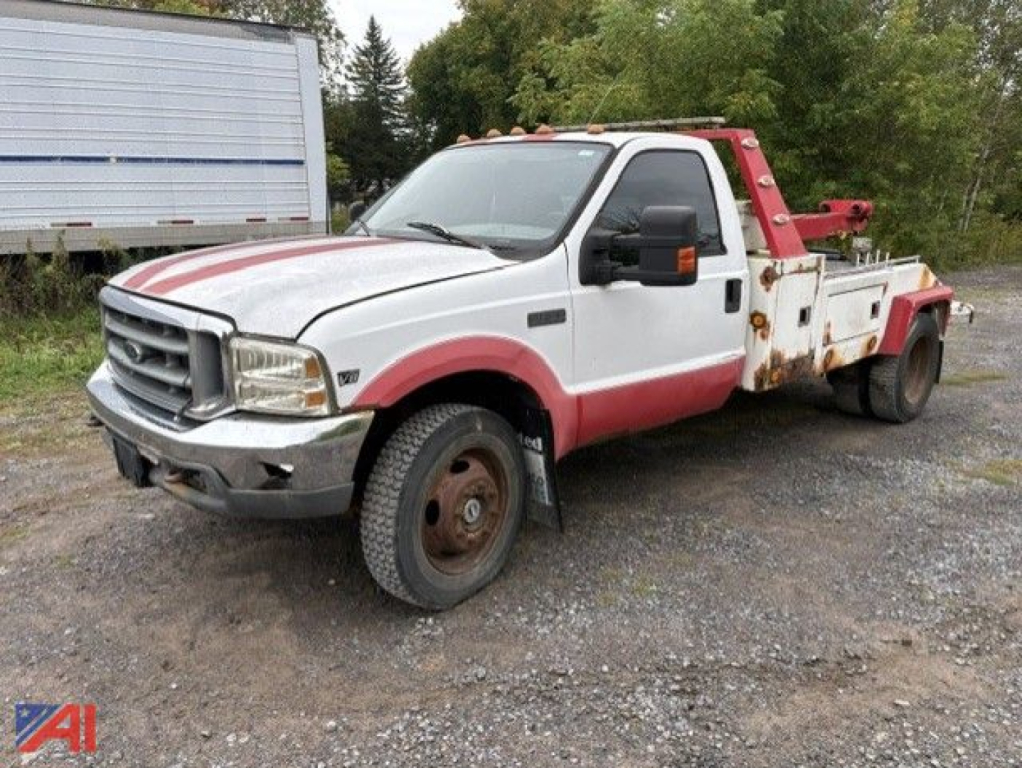
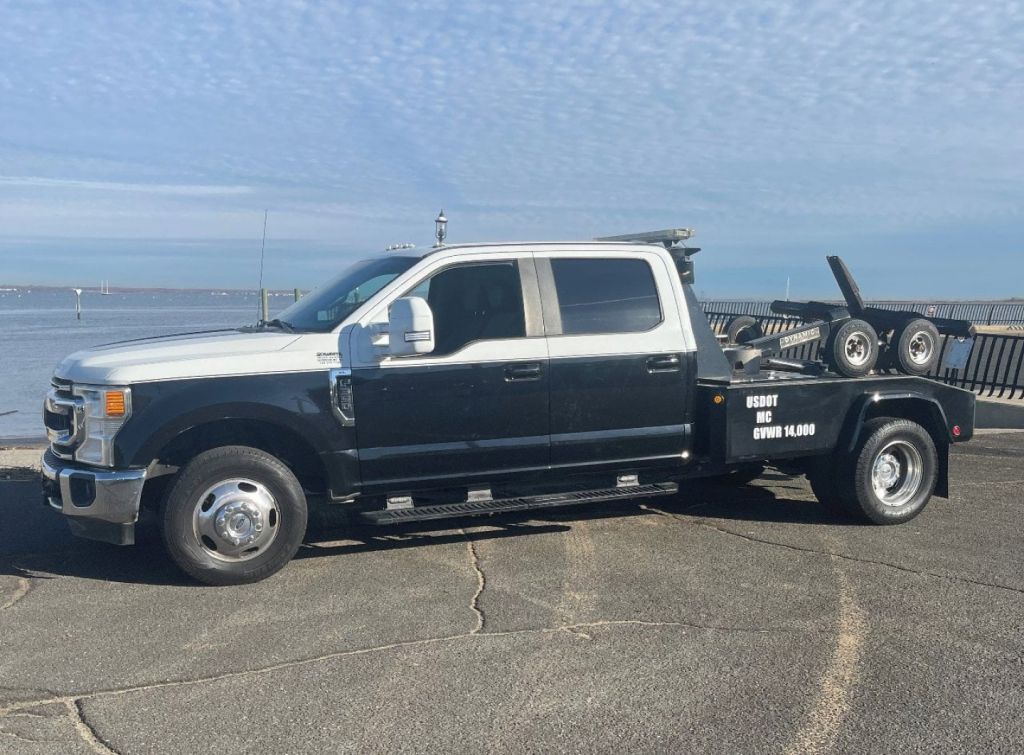
Have used ford tow truck to sell? List it here to reach thousands of buyers.
Used Ford Tow Trucks in Florida
The first buying decision is usually body style. A self-loader or auto-loader wrecker is geared toward high-cycle towing, parking enforcement, repossession, and short-distance moves where speed matters. Typical specs include an 8,000-lb drag winch, wheel-lift assemblies with L-arms, tow dollies, work lights, and light bars. A rollback, also known as a carrier or flatbed tow truck, is better suited for all-wheel-drive vehicles, lowered cars, damaged units, and general transport work. On Ford F-650 carriers, buyers often look for deck length around 21 to 22 feet, low center of gravity bed design, 102-inch bed width, 6-ton deck capacity, and a rear wheel-lift for added versatility.
On a used Ford tow truck, the body and hydraulic system deserve as much attention as the chassis. Check bed pins, slide pads, cylinders, winch condition, cable or synthetic line wear, pivot points, wheel-lift bushings, controls, and PTO engagement. Toolboxes, removable rails, lower work lights, and stainless door hardware add day-to-day value, but the expensive repairs usually come from neglected hydraulics, cracked deck structure, rust around crossmembers, or worn recovery components. On the chassis side, Ford diesel-powered units, especially 6.7L-powered F-450s, are commonly chosen for torque and towing performance, while F-650 models give buyers more gross vehicle weight capacity and a better platform for heavier carrier bodies.
A good used Ford tow truck should match the type of calls you actually run. If the truck will spend most of its time in tight lots, apartment complexes, and city streets, a shorter wheelbase self-loader can be the better revenue tool. If the work includes dealer transfers, auction runs, breakdown transport, or moving inoperable vehicles without driveline damage, a rollback is usually the stronger fit. Buyers should also verify GVWR, front and rear axle ratings, brake setup, tire condition, wheelbase, and any state or local requirements for emergency lighting and towing equipment. The right spec is less about brand loyalty and more about cycle time, payload, maneuverability, and how the body configuration supports the jobs on your route.
Frequently Asked Questions about Used Ford Tow Trucks in Florida
What is the difference between a Ford rollback tow truck and a Ford self-loader wrecker?
A Ford rollback tow truck uses a tilting bed, also called a carrier or flatbed, to load the entire vehicle onto the deck. That setup is preferred for all-wheel-drive vehicles, damaged cars, low-clearance units, and longer transport runs. A Ford self-loader wrecker uses a wheel-lift system to pick up the vehicle by the tires, which is faster for short hauls, impounds, repossession work, and high-volume city towing. The best choice depends on the type of calls, not just the chassis.
Which Ford chassis are most common in used tow truck listings?
Ford F-450 and F-650 models are among the most common chassis in the used tow truck market. The F-450 is widely used for light-duty wreckers and self-loaders because it offers good maneuverability, diesel torque, and a familiar pickup-based platform. The F-650 is more common under rollback carriers and heavier light-to-medium duty towing applications because it supports larger bodies, higher weight ratings, and more robust commercial use.
What should I inspect first on a used Ford tow truck?
Start with the body, hydraulic system, and recovery gear because those components directly affect earning ability and repair cost. Inspect the bed structure, wheel-lift, winch, PTO operation, hydraulic cylinders, hoses, controls, and all pivot points. Then review the Ford chassis for engine condition, transmission operation, brake wear, suspension condition, tire age, and any signs of frame corrosion or previous repairs. A clean cab does not tell you much if the towing equipment is worn out.
Are used Ford tow trucks a good fit for Florida operations?
Used Ford tow trucks can be a strong fit for Florida because service support and parts access are generally good, and Ford commercial chassis are common in fleet use. Buyers in Florida should pay extra attention to rust from coastal exposure, electrical condition in humid environments, cooling system performance, and the operation of lighting, controls, and hydraulic components. Heat, moisture, and stop-and-go duty cycles can accelerate wear on both the truck and the body.
What capacity range should I expect on a used Ford tow truck?
Capacity depends on the body style and chassis. Light-duty Ford self-loaders often feature wheel-lifts and drag winches in the range commonly used for passenger vehicles and light trucks, while Ford rollback carriers may have deck capacities around 6 tons with 21 to 22 foot beds. Buyers should always confirm the actual body rating, wheel-lift rating, GVWR, and axle ratings on the individual truck, because upfit specs can vary significantly even between trucks built on the same Ford model.