
Used 2016 Ford Commercial Trucks For Sale in Florida
Shop used 2016 Ford trucks in Florida, including common Ford chassis and work truck configurations for towing, hauling, service, and dump use.
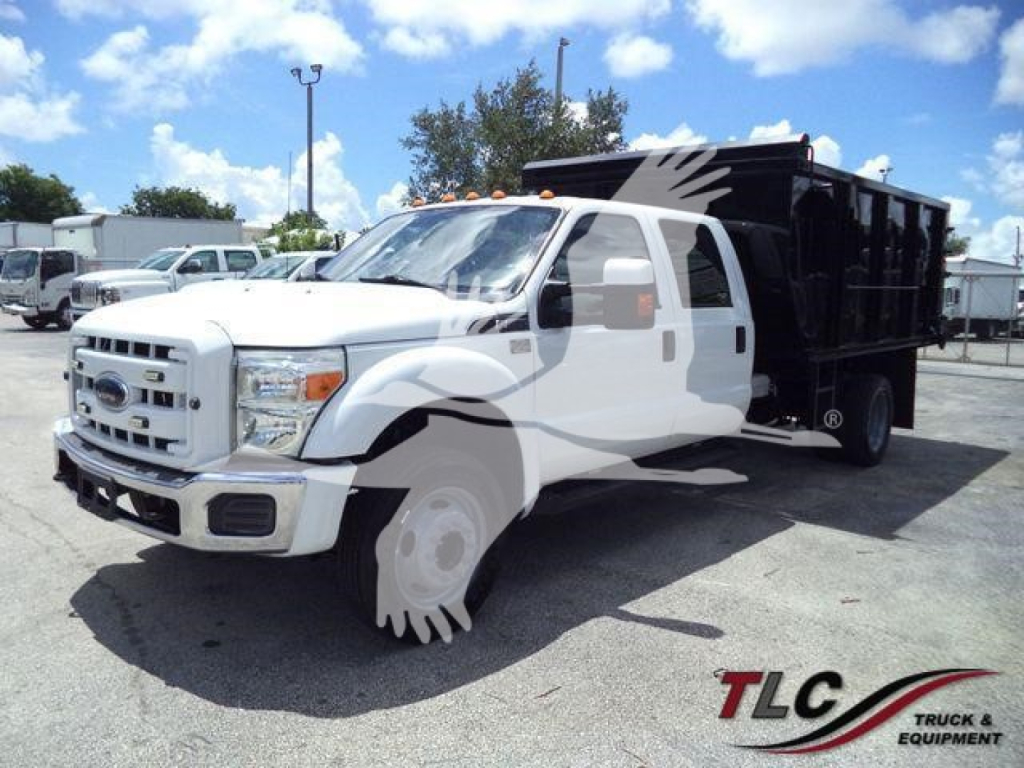
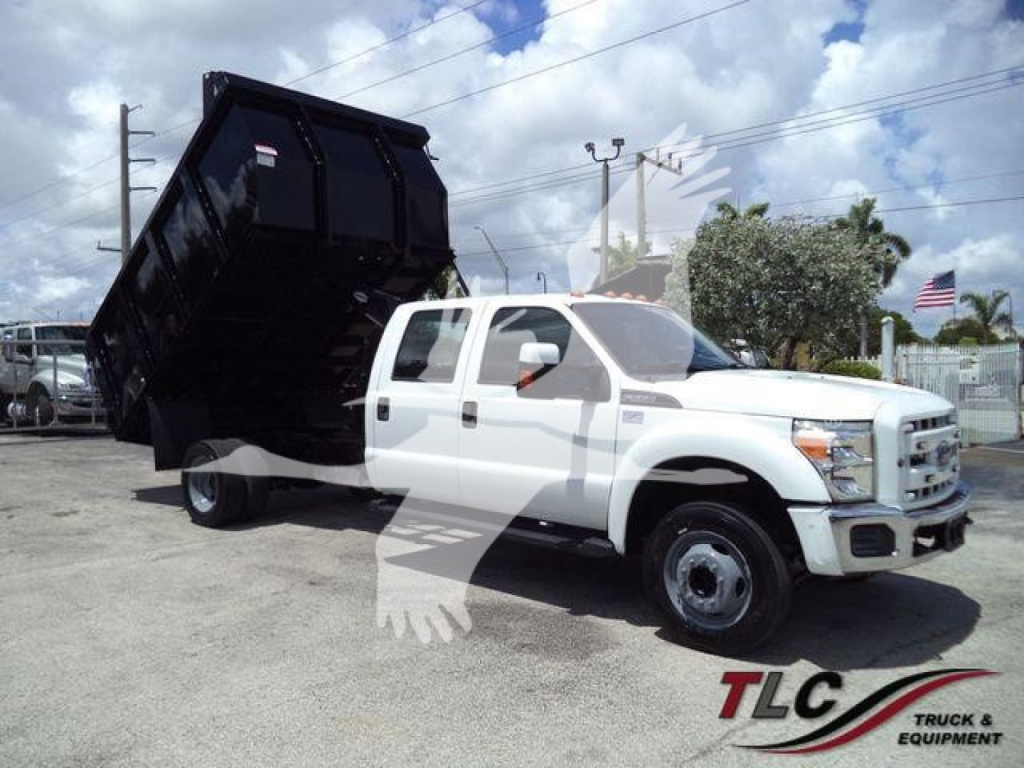
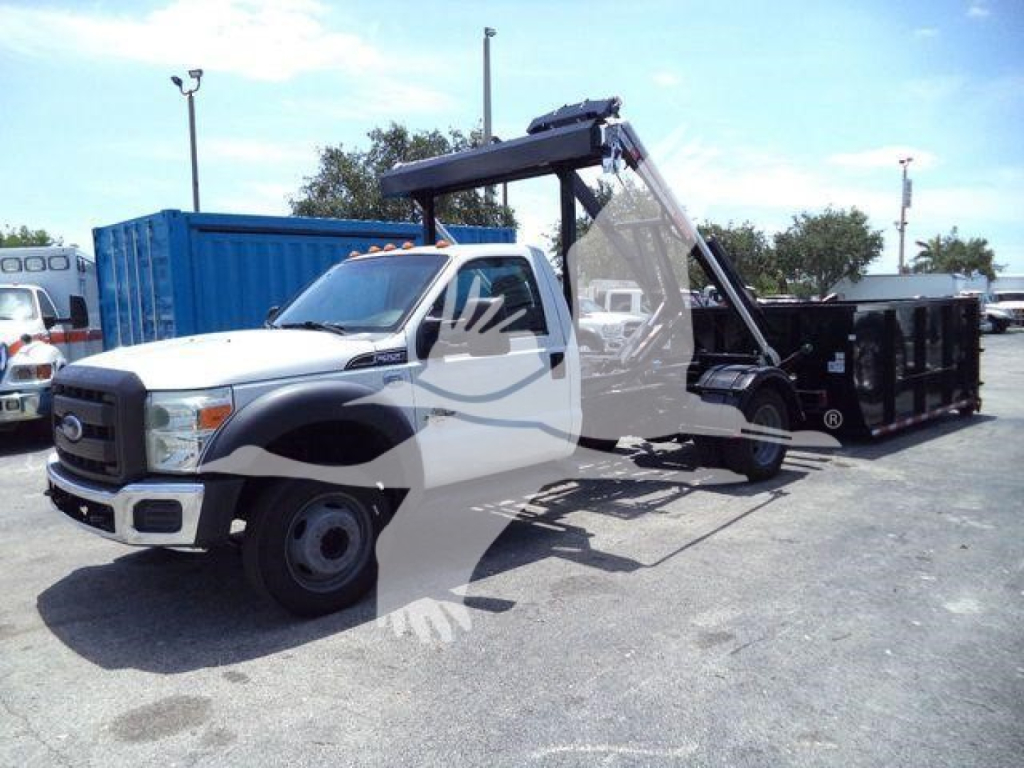
Selling a used 2016 ford commercial truck? List your used 2016 ford commercial truck for sale and reach thousands of commercial buyers.
Used 2016 Ford Commercial Trucks in Florida
For many buyers, 2016 Ford work trucks stand out because parts support is broad and the chassis lineup is familiar to most fleet shops. On lighter-duty configurations, gas engines can make sense for shorter routes, lower annual miles, and simpler maintenance planning. On heavier applications, buyers often compare engine output, transmission durability, rear axle ratio, and brake capacity against the body installed on the truck. A flatbed or rollback needs a different spec than a high-side landscape dump or utility body, so it pays to match the frame, suspension, and wheelbase to the upfit instead of shopping by cab style alone.
Florida buyers should pay close attention to corrosion exposure, cooling system condition, and how the truck was used in stop-and-go heat. Trucks operating in humid coastal areas can show rust on bed hardware, electrical connections, hoists, winch mounts, and underbody components even when the cab presents well. On dump and towing applications, inspect PTO operation, hydraulic response, cylinder seals, bed pivot points, wheel-lift components, and any signs of frame modification. On flatbeds, look at deck condition, stake pockets, tie-down points, headboard structure, and whether the body dimensions actually fit the loads you move most often.
A strong used 2016 Ford truck is usually the one with a clear service history, a body that matches the work, and axle and suspension ratings that leave margin instead of running at the limit every day. Buyers comparing multiple listings should verify GVWR, payload capacity, body manufacturer, cab-to-axle measurement, hitch rating, tire date codes, and any vocational equipment such as tarps, toolboxes, winches, or lift systems. Those details matter more in daily use than cosmetic differences, and they determine how productive the truck will be once it goes to work.
Frequently Asked Questions about Used 2016 Ford Commercial Trucks in Florida
What should I check first on a used 2016 Ford work truck?
Start with the chassis rating and body configuration. Confirm the GVWR, axle ratings, wheelbase, cab-to-axle dimension, engine, transmission, and the type of upfit installed. After that, review maintenance records and inspect wear points that match the truck’s job, such as hydraulic systems on dumps, winches and wheel-lifts on tow trucks, or deck and tie-down condition on flatbeds.
Are 2016 Ford trucks a good choice for vocational use in Florida?
They can be a strong choice because Ford work truck platforms are widely supported and familiar to many independent shops and fleet technicians. In Florida, the main concerns are heat, humidity, corrosion around body hardware and wiring, and wear from stop-and-go service. A truck with solid cooling system maintenance, clean electrical connections, and a body that has not been overloaded is usually a better buy than a cleaner-looking unit with weak service history.
Is a gas engine or diesel engine better in a used 2016 Ford truck?
That depends on the duty cycle and body installed. Gas engines often fit local delivery, lighter contractor work, and lower annual mileage because they can be simpler to maintain and easier to justify on lower-GVWR applications. Diesel power usually makes more sense when the truck carries heavier bodies, runs at higher combined weights, or spends more time under sustained load. Buyers should compare torque, service records, idle hours if available, and the actual weight the truck handles each day.
What body types are common on used 2016 Ford trucks?
Common configurations include flatbeds, dumps, tow and rollback bodies, service bodies, landscape bodies, and other vocational upfits built on Ford chassis. Each setup changes how the truck should be evaluated. A dump body adds hydraulic and hoist considerations, a flatbed puts more focus on deck length and securement points, and a tow body requires close inspection of the bed, wheel-lift, winch, and reinforcement points.
How important is wheelbase and cab-to-axle measurement on a 2016 Ford truck?
It is critical because wheelbase and cab-to-axle determine what body can be mounted correctly and how the finished truck balances weight across the axles. A truck can have the right engine and still be the wrong fit if the frame dimensions do not support the body length or payload distribution you need. Buyers replacing an existing unit should compare these measurements carefully so the truck works with the intended application without compromising turning radius, axle loading, or body compatibility.