
Used Conventional Sleeper Trucks For Sale in New York
Browse used conventional sleeper trucks in New York with common specs, engine options, sleeper sizes, drivetrain setups, and buyer tips.
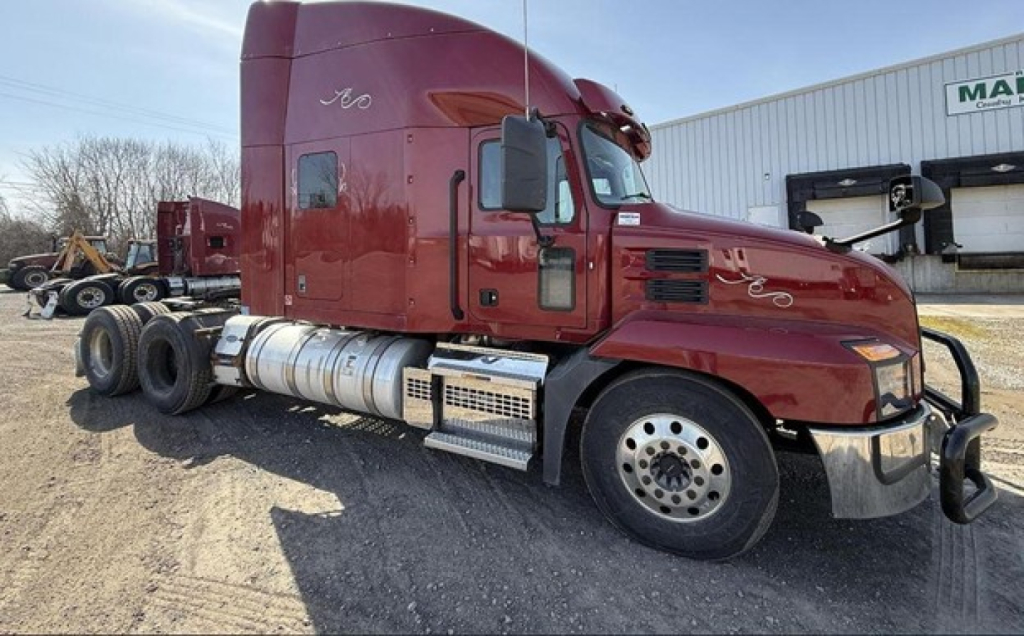
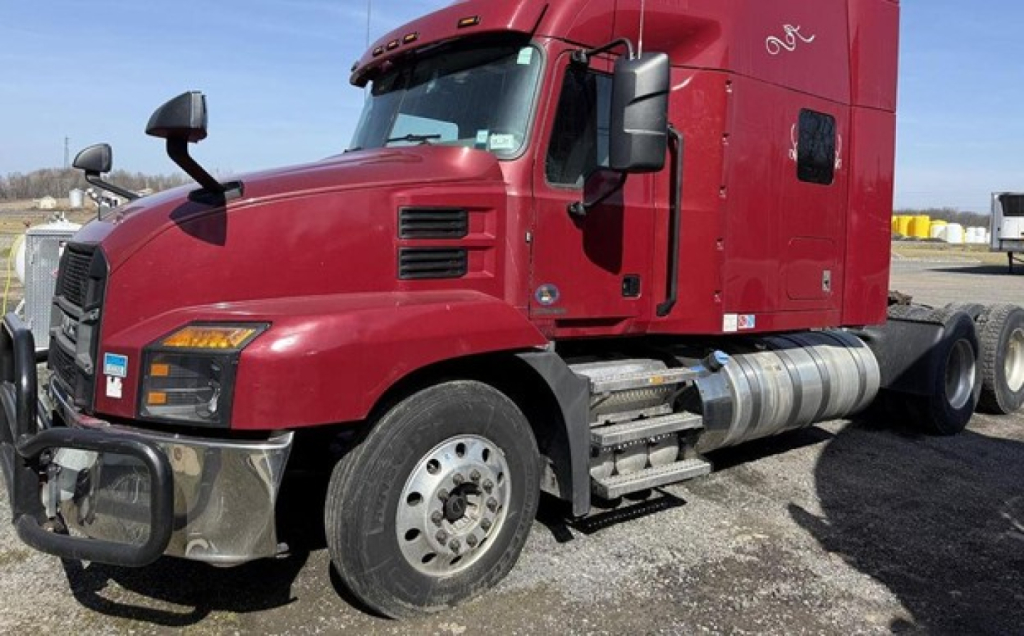
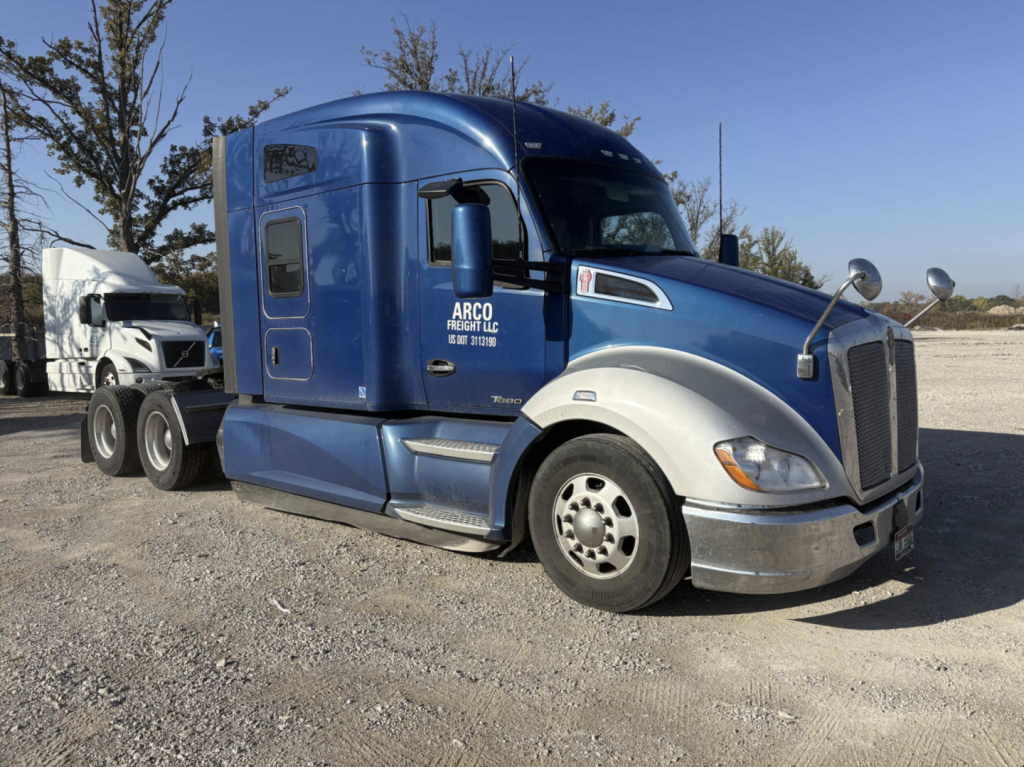
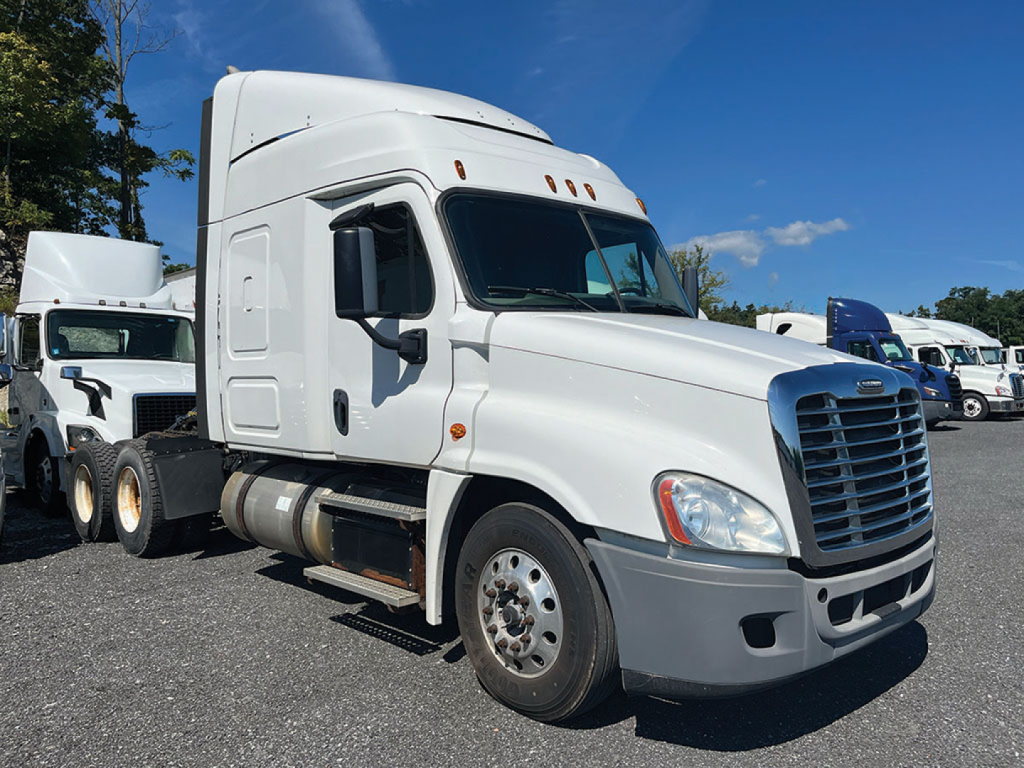
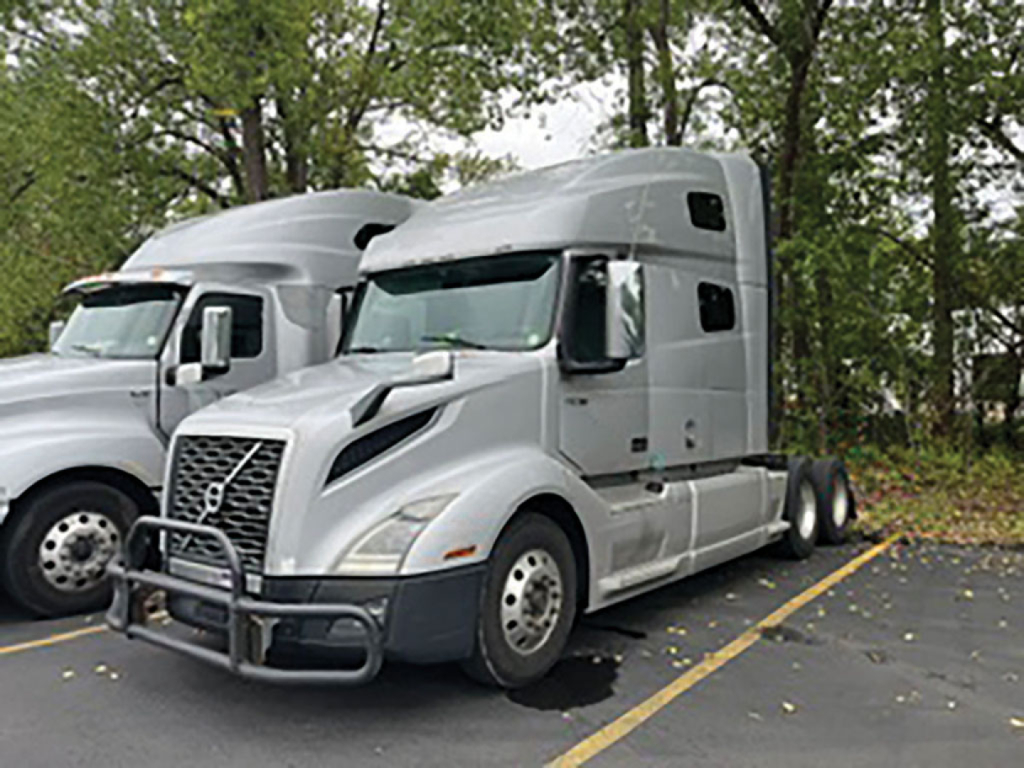
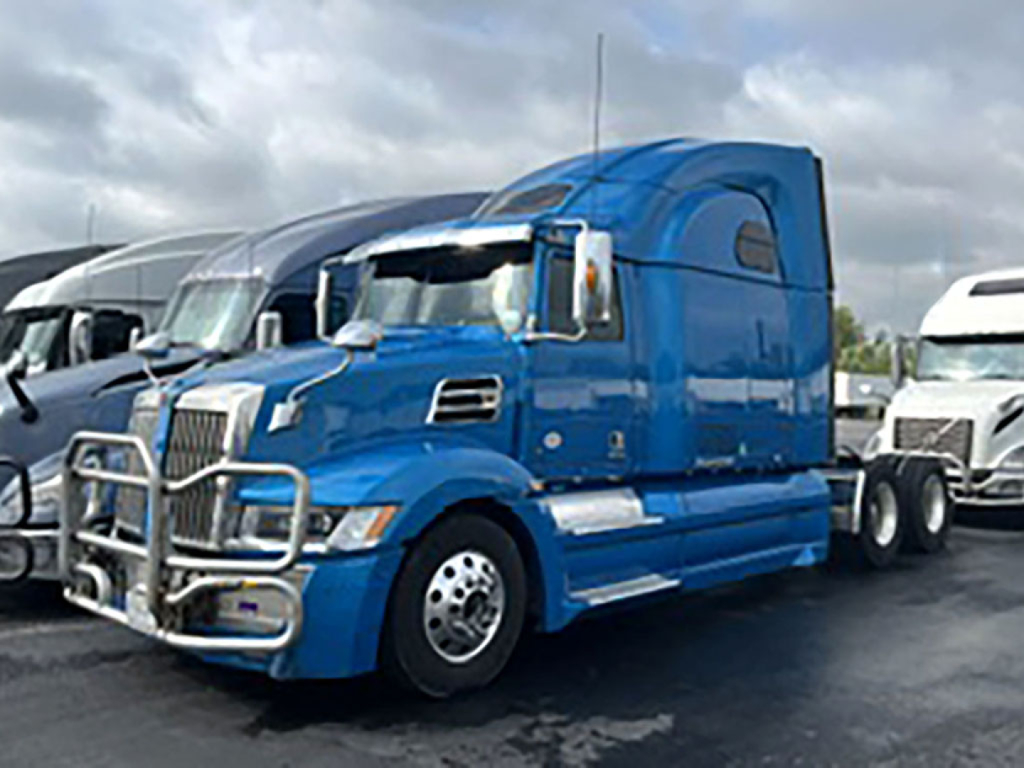
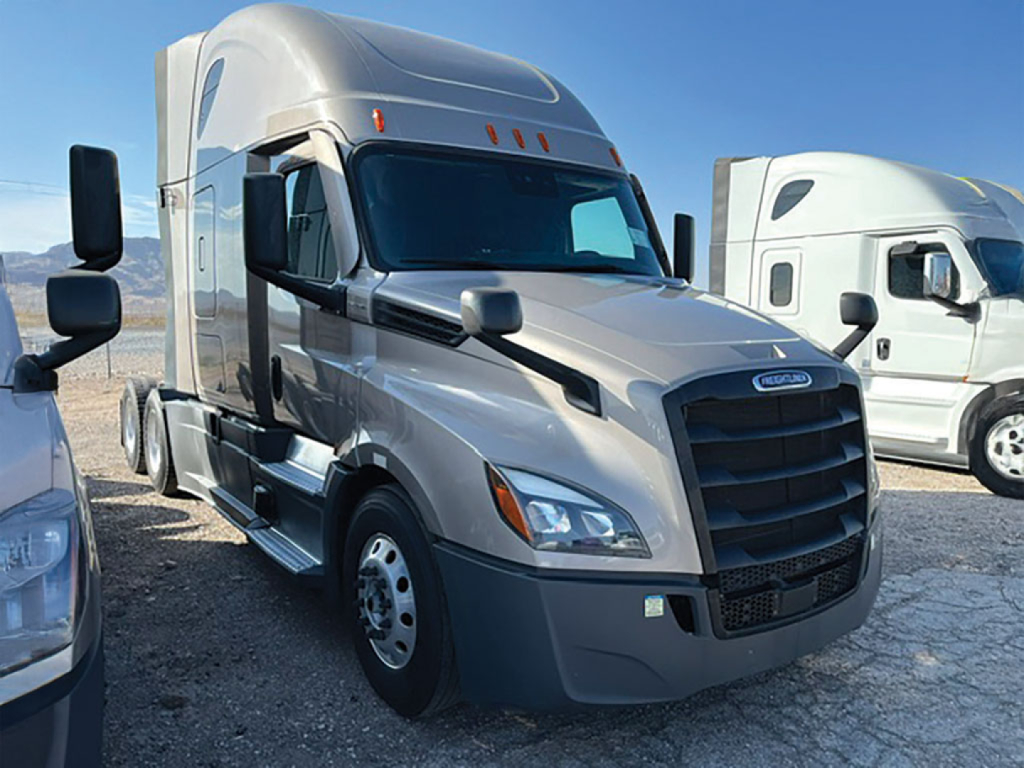
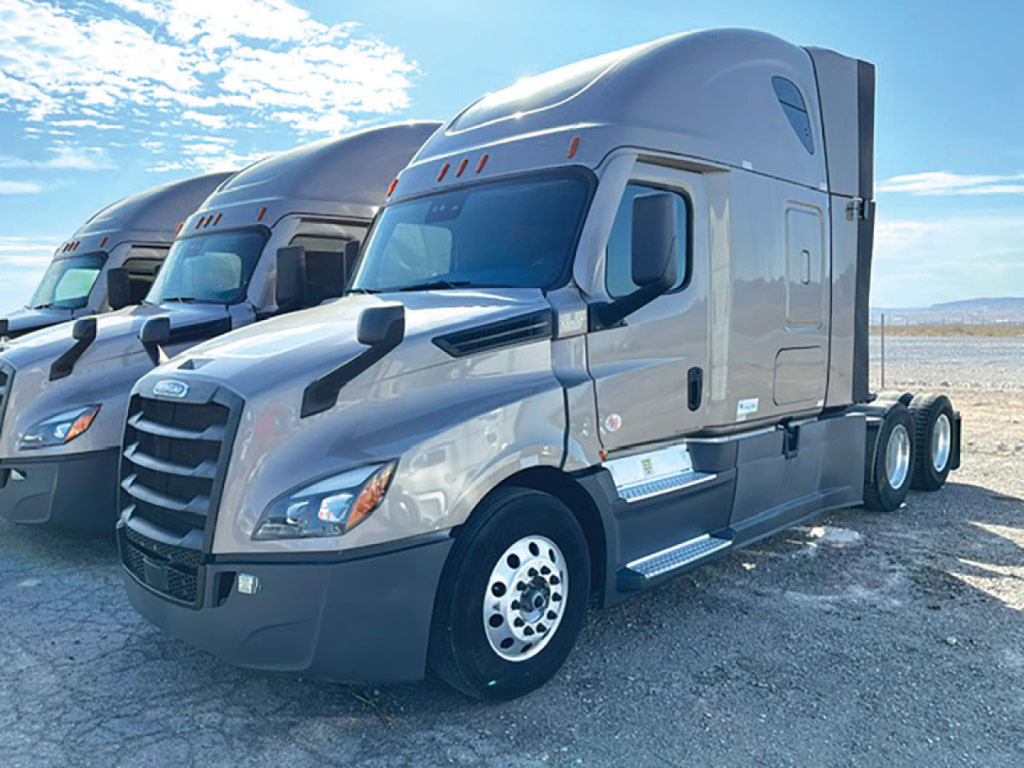
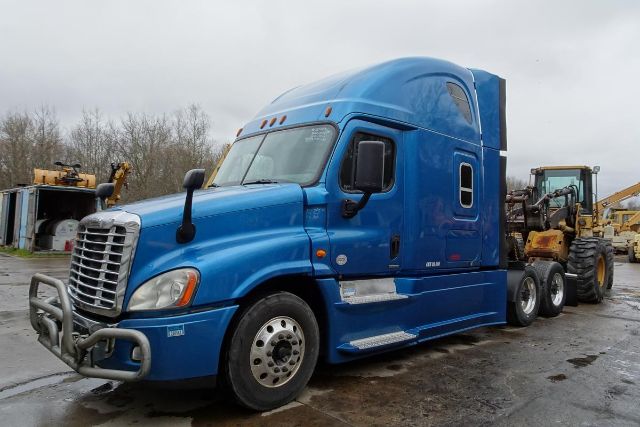
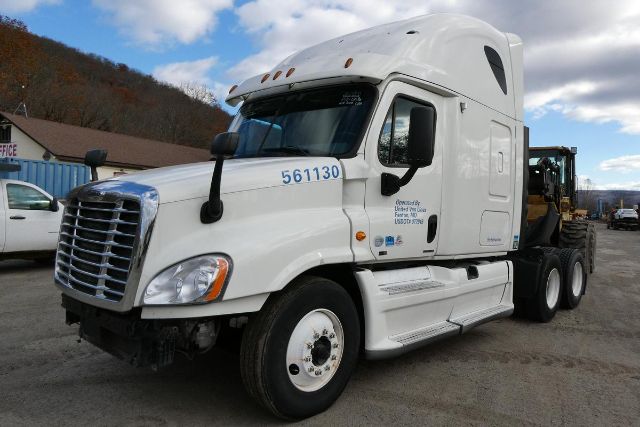
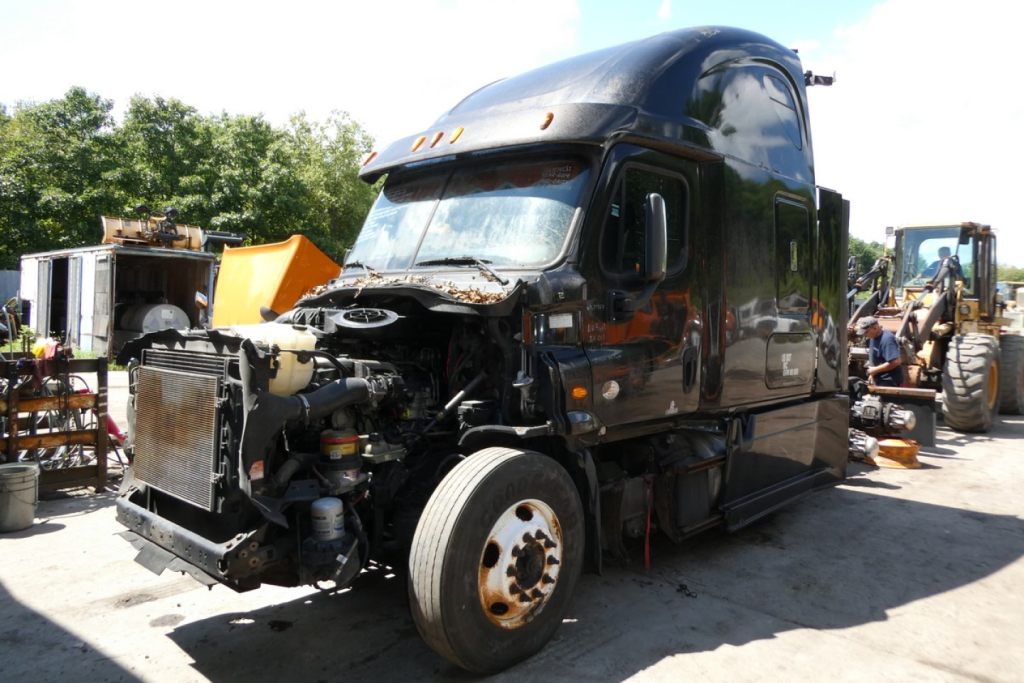
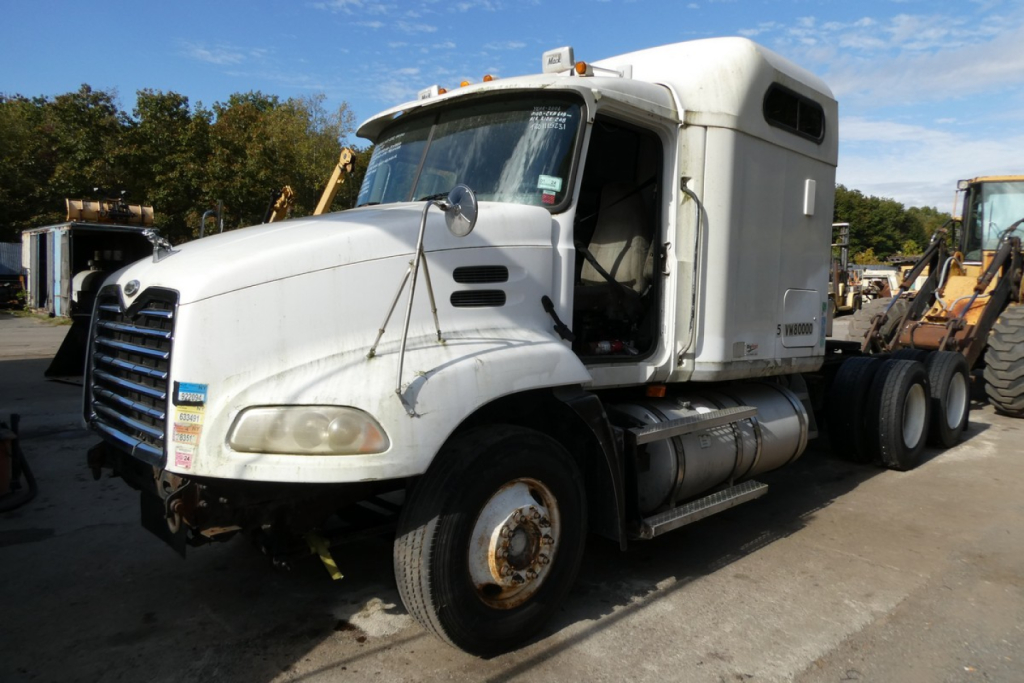
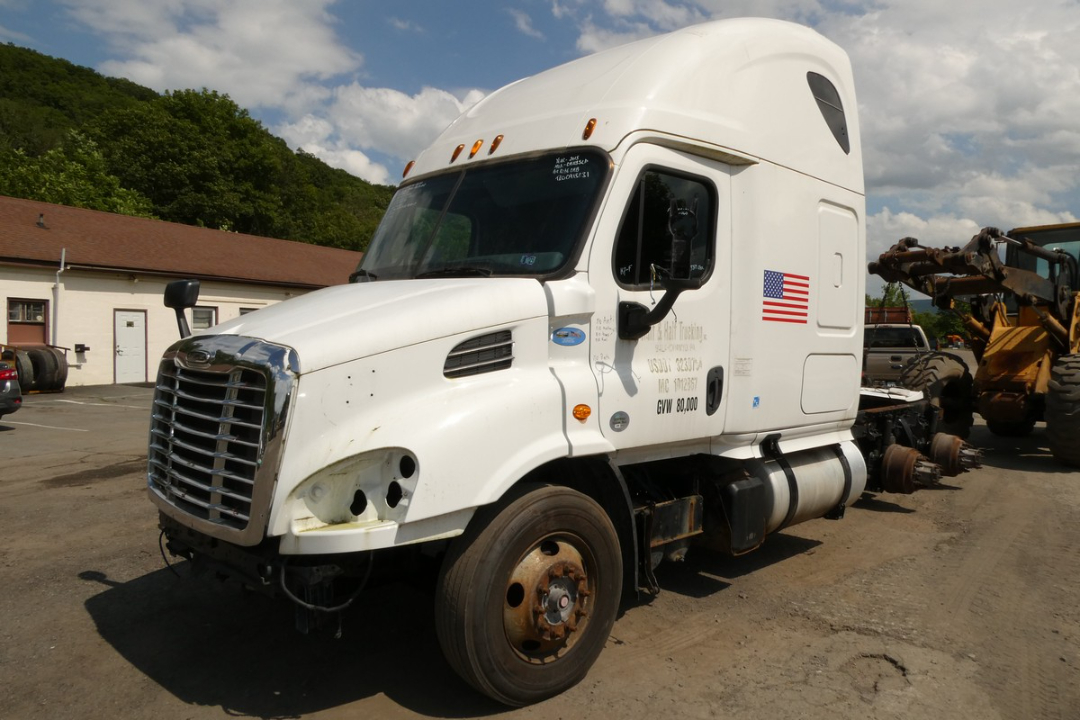
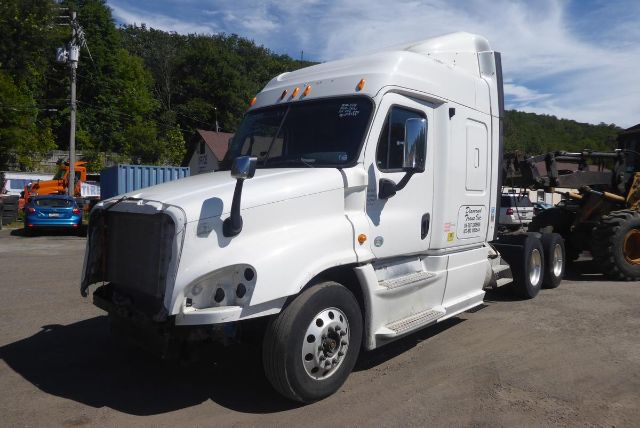
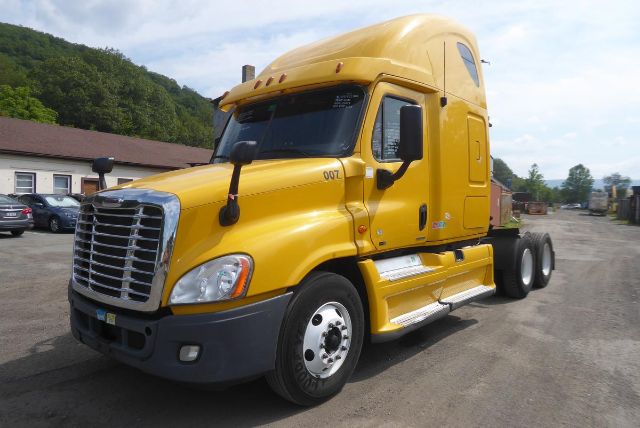
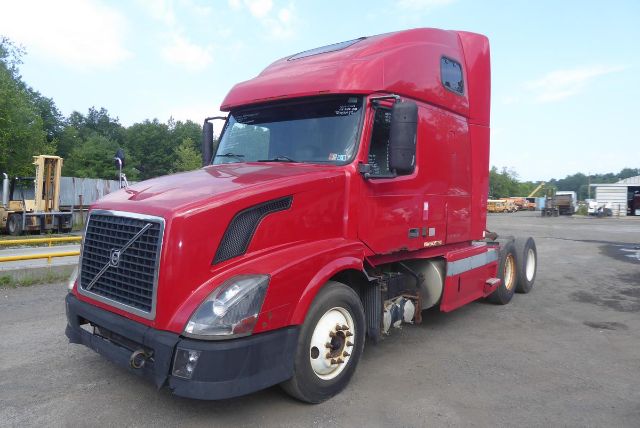
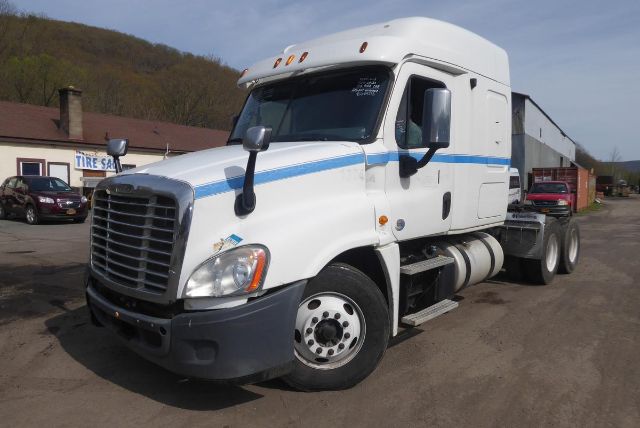
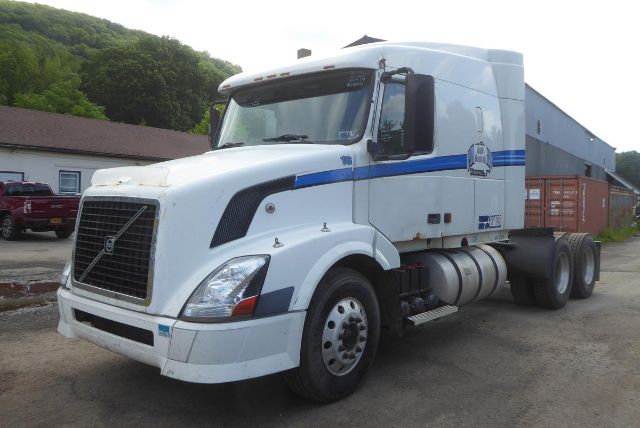
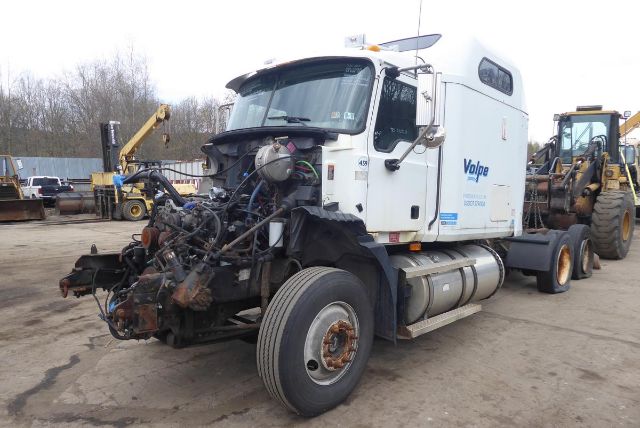
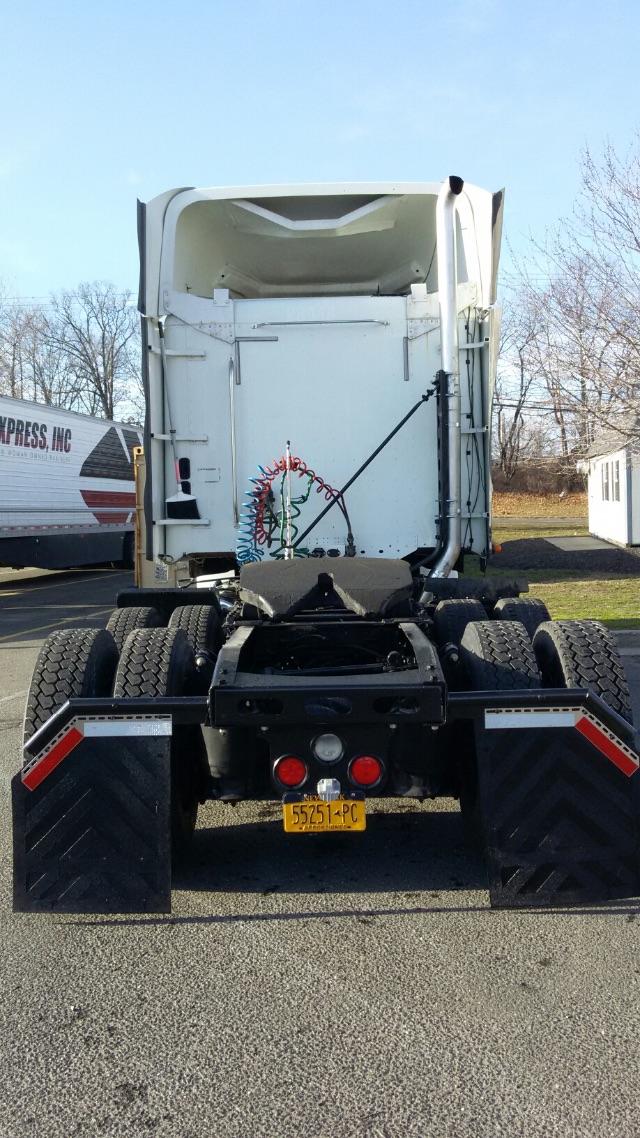

Showing 1 to 28 of 42 results
Selling a used conventional sleeper truck? List your used conventional sleeper truck for sale to reach thousands of commercial buyers.
Used Conventional Sleeper Trucks in New York
The most important buying decisions usually start with powertrain and axle ratio. Used conventional sleepers commonly carry Detroit DD15, Volvo D12 or D13, Cummins ISX, and older Detroit Series 60 engines, paired with 10-speed, 13-speed, or automated manual transmissions like the Detroit DT12. Horsepower often falls in the 425 to 505 hp range, with 40,000 lb rears, tandem drive axles, and 6x4 configurations being the standard setup. For Northeast freight, wheelbase, fifth wheel position, and kingpin setting matter because they affect bridge law compliance, trailer swing clearance, and maneuverability in tighter urban and warehouse environments. Buyers should also pay close attention to suspension type, front axle rating, and whether the truck has an air slide fifth wheel, especially if it will pull a mix of trailer lengths and load distributions.
Sleeper configuration has a direct effect on driver comfort and resale. Common used specs include 52-inch to 72-inch sleepers, high-roof packages, and single or double bunk layouts. Air ride sleeper suspensions, fairings, side skirts, and APUs are common on highway tractors intended to reduce driver fatigue and idle time. Inside the cab, condition matters as much as drivetrain spec. Seat wear, dash electronics, HVAC performance, bunk integrity, and signs of water intrusion can tell a buyer a lot about how the truck was maintained. On higher-mileage units, it is smart to compare odometer readings with ECM miles and engine hours, then review service history for major repairs such as turbochargers, aftertreatment components, clutches, transmission work, kingpins, steer axle parts, and cooling system updates.
For used conventional sleeper trucks, the best value is rarely just the lowest price. A strong candidate is one with a documented maintenance trail, a drivetrain matched to the intended lanes, and a sleeper size that fits the job without adding unnecessary weight. Trucks running New York and surrounding states benefit from clean emissions history, good turning radius for tighter terminals, and gearing that supports both highway cruise speed and stop-and-go freight movement. Buyers comparing listings should look closely at engine brake function, DEF system status, tire and brake condition, frame integrity, suspension wear, and any notes about noise in the transmission, non-running condition, or missing fifth wheel components. Those details usually determine whether a used sleeper is ready to work or headed for a major reconditioning bill.
Frequently Asked Questions about Used Conventional Sleeper Trucks in New York
What is a conventional sleeper truck used for?
A conventional sleeper truck is a highway tractor with a hooded front end and a built-in sleeping compartment behind the cab. It is primarily used for long-haul and regional freight where the driver needs overnight accommodations and enough storage for multi-day trips. This truck class is commonly paired with dry van, refrigerated, flatbed, and other semi-trailers in over-the-road service.
What engine and transmission setups are common in used conventional sleeper trucks?
Most used conventional sleeper trucks are equipped with heavy-duty diesel engines in the 12 to 15 liter range, including Detroit DD15, Volvo D12 or D13, Cummins ISX, and older Detroit Series 60 platforms. Common transmissions include 10-speed and 13-speed manuals as well as automated manuals such as the Detroit DT12. The right setup depends on route profile, gross weight, driver preference, and how important fuel economy is compared with simplicity and service familiarity.
What should I check first on a used conventional sleeper truck?
Start with engine health, transmission operation, aftertreatment condition, and maintenance records. Then verify odometer miles against ECM data and engine hours if available. Buyers should also inspect frame rails, suspension bushings, airbags, brakes, tire wear patterns, steer axle components, and fifth wheel condition. In the sleeper, check HVAC performance, bunk condition, cab electronics, and any signs of leaks or excessive interior wear.
Why do wheelbase and axle ratio matter on a sleeper tractor?
Wheelbase affects ride quality, trailer clearance, turning radius, and bridge law positioning, which is especially important in states like New York with tighter roads and dense freight lanes. Axle ratio influences startability, cruise RPM, grade performance, and fuel economy. A truck with the wrong wheelbase or gearing for the intended trailer and route can be harder to load legally, less efficient on the highway, or less maneuverable in city and terminal work.
How many miles is too many on a used conventional sleeper truck?
High mileage by itself does not automatically make a sleeper tractor a poor buy. Many well-maintained highway trucks run far past 800,000 miles or even into the million-mile range, but condition and repair history are what matter most. A truck with complete service records, strong oil and coolant history, verified overhead and aftertreatment maintenance, and recent major component work can be a better value than a lower-mile truck with neglected maintenance.