
Used 2018 Conventional Sleeper Trucks For Sale in New York
Shop used 2018 conventional sleeper trucks in New York. Compare cab specs, powertrain options, sleeper sizes, wheelbases, and axle ratings.
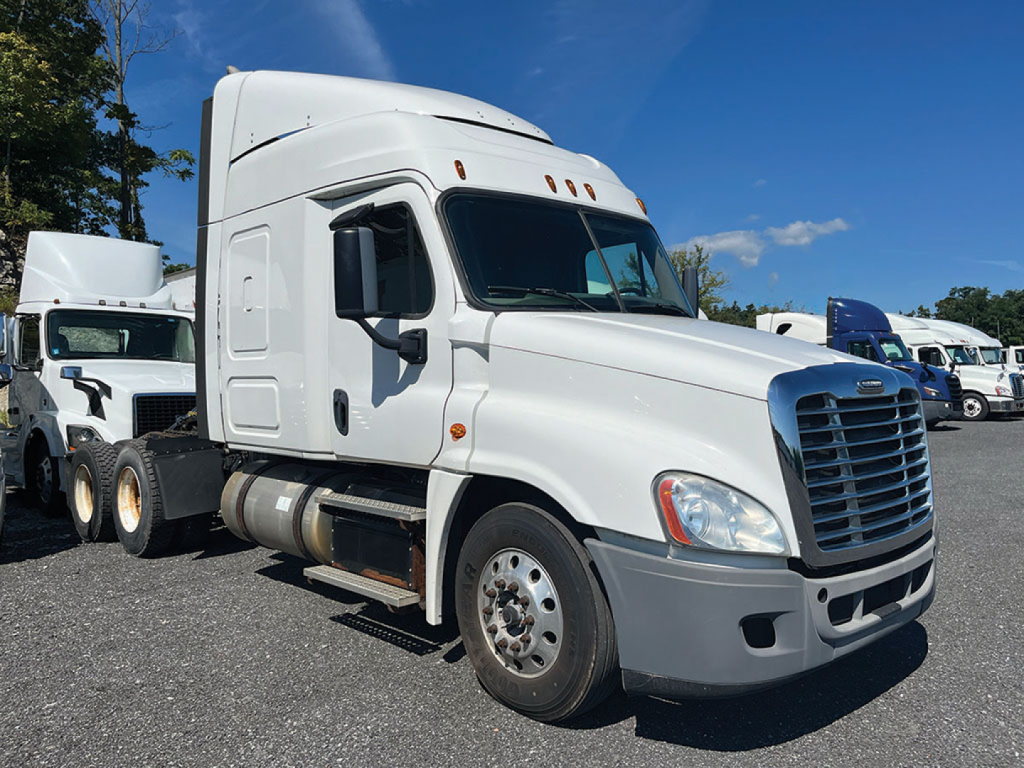

Looking for the easiest place to sell your used 2018 conventional sleeper truck? List it here to reach thousands of buyers.
Used 2018 Conventional Sleeper Trucks in New York
The key buying decisions usually start with the powertrain. Most 2018 conventional sleepers are spec'd with 12.8L to 15L diesel engines in the 400 to 505 horsepower range, paired with automated manual transmissions such as Detroit DT12, Volvo I-Shift, or Eaton Endurant, though some trucks still carry 10-speed or 13-speed manuals. Common rear axle ratings are 40,000 pounds with ratios like 2.47, 2.64, 2.85, or 3.08 depending on intended cruise speed and load profile. A lower numerical ratio generally supports fuel-efficient highway operation, while a deeper ratio may suit mixed terrain, heavier gross weights, or more stop-and-go work. Wheelbase, fifth wheel travel, and tank placement matter if the truck will pull a wide mix of trailer lengths or needs to stay flexible for different customer contracts.
Sleeper configuration has a direct effect on resale, driver retention, and route fit. Many 2018 models use 60-inch to 80-inch sleepers in mid-roof or high-roof layouts, with double bunk setups, bunk heaters, inverters, storage cabinets, and room for a refrigerator or workstation. High-roof sleepers tend to be favored in long-haul service because they give drivers more standing room and better livability on multi-day runs. For regional applications, a smaller sleeper can reduce weight and simplify the spec. Buyers should also check cab insulation, HVAC performance, fairing condition, mattress and bunk hardware, and signs of water intrusion around roof seams, marker lights, and sleeper windows.
On a used 2018 conventional sleeper, condition matters more than brand loyalty. Pay attention to engine idle hours, aftertreatment service history, clutch life on AMTs, suspension wear, kingpins, driveline vibration, frame corrosion, and the operation of the air slide fifth wheel. Disc versus drum brake spec, tire size, wheel type, and remaining rubber can change reconditioning cost quickly. If the truck spent time in northeastern service, inspect crossmembers, battery boxes, fairing mounts, and wiring for salt-related damage. A strong candidate in this category is usually one with documented maintenance, a clean fault history, stable emissions performance, and a sleeper spec that matches the freight lane instead of adding unnecessary weight or complexity.
Frequently Asked Questions about Used 2018 Conventional Sleeper Trucks in New York
What is a conventional sleeper truck?
A conventional sleeper truck is a highway tractor with a hooded cab design and an integrated sleeping compartment behind the driver area. It is also commonly called a sleeper tractor or road tractor. This configuration is built for over-the-road and regional hauling where drivers may need overnight accommodations, added storage, and a larger fuel capacity than a day cab.
What engine and transmission specs are common in a 2018 conventional sleeper?
Most 2018 conventional sleeper trucks are equipped with diesel engines in the 400 to 505 horsepower range and torque ratings suited for 80,000-pound GCWR operation. Common engines include Detroit DD13 and DD15, Cummins X15, PACCAR MX-13, and Volvo D13. Automated manual transmissions are very common in this model year, although some units still have manual gearboxes. Rear axle ratings around 40,000 pounds and fuel-economy-oriented axle ratios are typical in fleet highway specs.
Is a 2018 conventional sleeper truck good for regional work, or only long-haul?
A 2018 conventional sleeper can fit both applications if the spec matches the route. Long-haul trucks usually have larger sleepers, taller rooflines, and highway axle ratios for fuel economy at cruising speed. Regional trucks may use a smaller sleeper, shorter wheelbase, and a setup that handles more city traffic, tighter yards, and more frequent trailer changes. The best choice depends on trailer mix, annual miles, idle time, and how much driver living space matters in the operation.
What should I inspect first on a used sleeper tractor in New York?
Start with rust exposure, maintenance records, and emissions system history. In New York and the broader Northeast, road salt can affect frame components, brackets, battery boxes, steps, fairing mounts, and electrical connections. After that, check DPF and SCR service records, fault codes, engine hours versus miles, suspension wear, brake life, and fifth wheel function. Sleeper condition also matters because roof leaks, HVAC issues, and damaged bunk components can turn into expensive downtime items.
What sleeper size is best in a used conventional sleeper truck?
The right sleeper size depends on duty cycle and driver needs. A 60-inch to 72-inch sleeper is common for many fleet applications and gives a good balance of comfort, storage, and weight. Larger 70-inch to 80-inch high-roof sleepers are better for teams or extended over-the-road runs where standing room and onboard storage improve livability. Smaller sleepers can make sense for regional lanes where overnight use is occasional and payload or maneuverability is a higher priority.