
Used 2022 Conventional Sleeper Trucks For Sale in New York
Browse used 2022 conventional sleeper trucks in New York. Compare high-roof specs, powertrains, wheelbase, bunk size, and fleet-ready features.
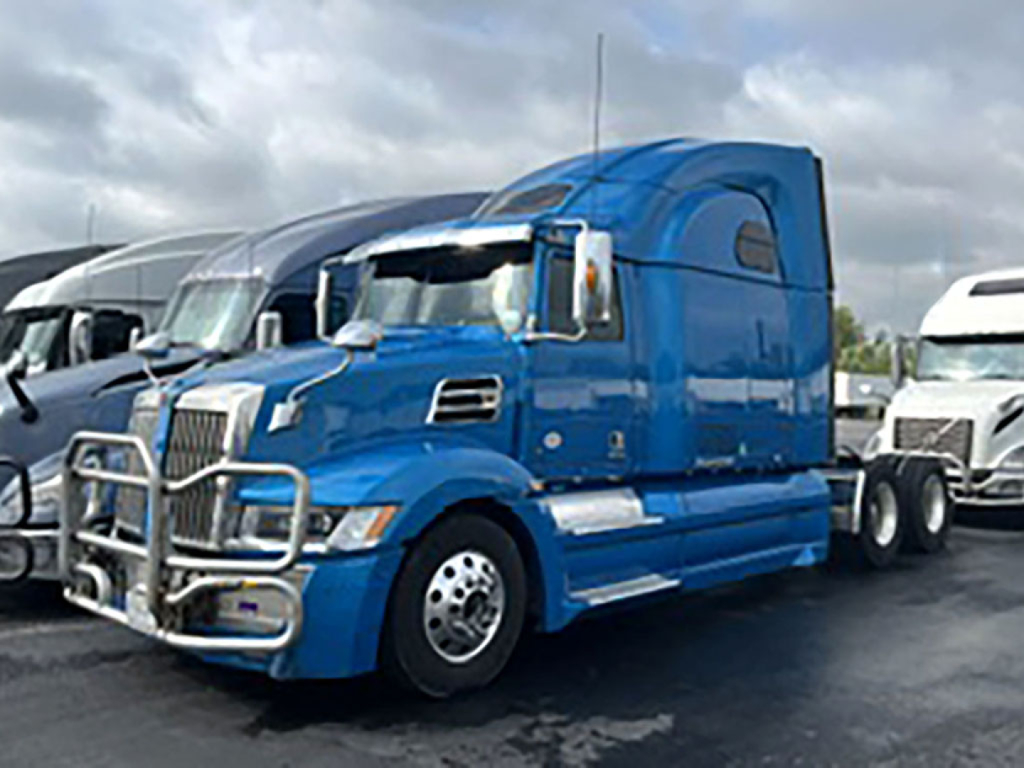

Have used 2022 conventional sleeper truck to sell? List it here to reach thousands of buyers.
Used 2022 Conventional Sleeper Trucks in New York
For 2022 units, the most common engines are in the 13-liter to 15-liter class, including the Detroit DD13 and DD15, PACCAR MX-13, Cummins X15, and Volvo D13. Horsepower is often in the 400 to 505 hp range, with torque set up for highway speed and downspeeding. Automated manual transmissions dominate this year range, including Detroit DT12, PACCAR automated options, Volvo I-Shift, and Eaton Endurant variants, though some trucks still carry 10-speed or 12-speed manuals. Rear axle ratings are commonly 40,000 pounds with ratios like 2.64, 2.79, 2.85, or 3.08 for fuel-efficient linehaul work. In New York, buyers should pay close attention to axle ratio, wheelbase, and fifth wheel slide because those details affect bridge law compliance, trailer gap, and maneuverability in tighter terminals and urban delivery areas.
Sleeper layout and driver amenities can make a major difference in resale value and retention. A typical 2022 conventional sleeper may include double bunks, bunk heaters, battery or diesel APUs, inverters, refrigerators, cabinet storage, and upgraded climate control. Safety and driver-assist features are more common in this year than older trucks, including collision mitigation, lane departure warning, adaptive cruise, and disc brakes on some specs. It is also worth checking for aluminum wheels, low-profile 22.5 tires, air ride suspension, dual fuel tanks, and fairing condition, since these affect both tare weight and operating efficiency. If the truck will stay on interstate lanes through New York and the Northeast, corrosion exposure, DPF and SCR service history, and idle management strategy deserve close review.
A used 2022 conventional sleeper truck often hits a practical middle ground between newer emissions-era technology and manageable acquisition cost. Many have modern telematics, cleaner interiors, and improved aerodynamics without reaching the price tier of late-model replacements. The best buying approach is to compare engine hours against odometer miles, confirm aftertreatment maintenance records, inspect the bunk and cab mounts for wear, and review tire, brake, and suspension condition as carefully as the powertrain. For buyers moving van, reefer, or general freight, this category remains one of the most versatile choices in the Class 8 market, also known simply as a highway sleeper tractor or sleeper semi truck.
Frequently Asked Questions about Used 2022 Conventional Sleeper Trucks in New York
What should I look for first on a used 2022 conventional sleeper truck?
Start with the powertrain specification and service history. Engine model, transmission type, rear axle ratio, and aftertreatment maintenance records tell you more about the truck's intended duty cycle and likely operating cost than cosmetic condition alone. On a 2022 sleeper, it is important to verify DPF cleanings, SCR and DEF system repairs, software updates, and any warranty campaign history. After that, review engine hours, idle hours, tire wear, brake condition, and signs of suspension or fifth wheel wear.
Are 2022 conventional sleeper trucks mostly automatic?
Yes. Most used 2022 conventional sleeper tractors are equipped with automated manual transmissions rather than traditional manual gearboxes. Systems such as the Detroit DT12, Volvo I-Shift, Eaton Endurant, and PACCAR automated transmissions are common in this model year. They are popular because they improve driver consistency, support fuel economy strategies, and reduce clutch-related wear. Buyers should still confirm how the transmission is programmed, especially if the truck was used in heavy Northeast traffic or on hilly regional routes.
What sleeper size is most common on a 2022 highway tractor?
High-roof sleepers in the 72-inch to 76-inch range are among the most common configurations for 2022 conventional sleeper trucks. These setups usually provide standing room, larger storage, and space for a lower bunk and upper bunk. Smaller 60-inch class sleepers are still common in regional applications where lower weight and shorter wheelbase matter more than interior space. The right choice depends on trip length, team driving needs, and how much time the driver spends in the truck between loads.
Why do axle ratio and wheelbase matter for New York buyers?
Axle ratio and wheelbase affect fuel economy, turning radius, trailer gap, and legal weight distribution. In New York, where routes can include congested urban areas, toll roads, and strict bridge formula considerations, the wrong spec can create operating headaches. A tall overdrive transmission with a fuel-focused rear ratio may run efficiently on interstate freight but feel less flexible in stop-and-go service. A longer wheelbase can improve ride quality and sleeper packaging, but it may limit maneuverability in tighter yards and city streets.
How many miles is too many on a used 2022 conventional sleeper?
Mileage by itself is not the best measure of value on a Class 8 sleeper. A well-maintained 2022 truck with higher highway miles can be a better buy than a lower-mile unit with excessive idle time, poor aftertreatment history, or neglected chassis maintenance. Compare odometer miles to engine hours and look for a service pattern that matches linehaul use rather than chronic short-trip operation. The strongest candidates usually show consistent PM intervals, documented emissions work, and even wear across tires, brakes, suspension, and interior components.