
Used 2020 Conventional Sleeper Trucks For Sale in New York
Browse used 2020 conventional sleeper trucks in New York. Compare raised-roof and mid-roof specs, powertrains, wheelbases, and sleeper options.
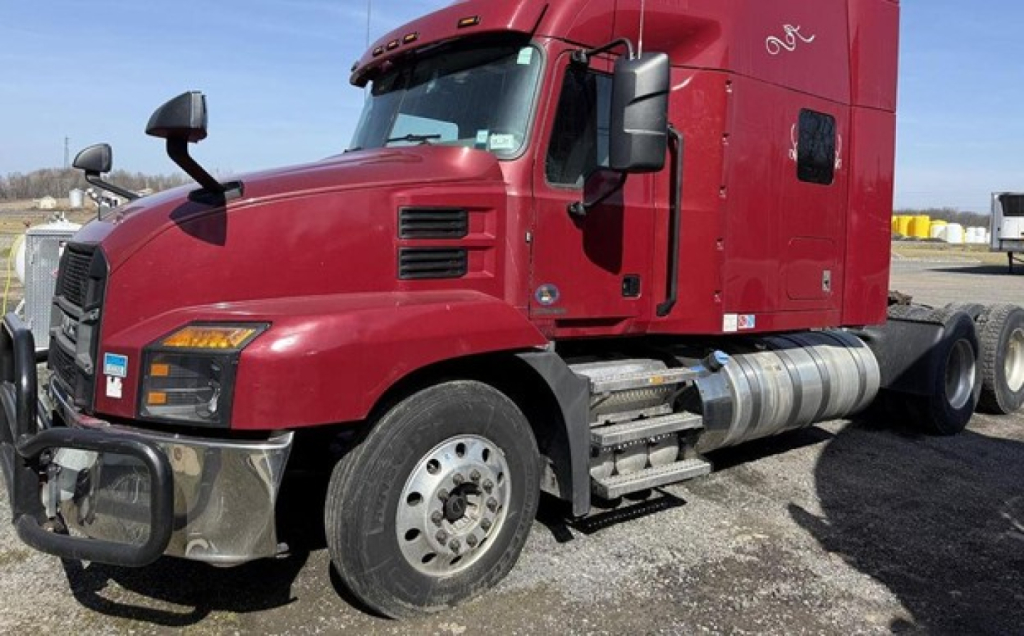

Have used 2020 conventional sleeper truck to sell? List it here to reach thousands of buyers.
Used 2020 Conventional Sleeper Trucks in New York
The 2020 model year commonly brings proven 12.8L to 15L diesel platforms in the 400 to 505 horsepower range, paired with either automated manual transmissions or traditional 10-speed manuals. Typical specs include 40,000 lb tandem rears, air ride suspension, engine brakes, sliding fifth wheels, and wheelbases around 228 to 230 inches. Raised-roof sleepers remain the standard for long-distance operators who need full standing room and upper bunk capacity, while mid-roof sleepers can make sense for fleets prioritizing lower overall height, a little less weight, and a simpler regional spec. Common highway-focused ratios such as 2.64, 3.08, and 3.36 each point to a different use case, from fuel-efficient linehaul to more versatile mixed-route operation.
Buyers comparing used 2020 conventional sleeper trucks should look past the badge and focus on how the truck was spec'd. Fuel tank capacity, fairings, cab extenders, quarter fenders, tire size, and brake type all influence operating cost and uptime. Disc brakes are increasingly attractive for stopping consistency and serviceability, while 22.5 low-profile rubber versus 24.5-inch tires can change ride height, gearing feel, and replacement cost. Sleeper amenities such as bunk heaters, climate control, upper bunks, and storage layout matter if the truck will stay out for multiple nights at a time. A 72-inch sleeper is still one of the most common and desirable formats because it balances livability with manageable tractor length.
Condition matters more than headline year on this category. Service records, idle hours, emissions system history, clutch or transmission work, and evidence of consistent PM intervals should carry real weight in the buying decision. On a used 2020 sleeper tractor, it is smart to inspect DPF and DEF system performance, check for uneven tire wear that may point to alignment or suspension issues, and confirm that the fifth wheel, bunk HVAC, and electrical accessories operate as they should. A well-maintained conventional sleeper from this model year can still be a strong revenue truck for dry van, reefer, and general freight applications if the spec matches the lane and trailer it is expected to pull.
Frequently Asked Questions about Used 2020 Conventional Sleeper Trucks in New York
What is a conventional sleeper truck used for?
A conventional sleeper truck is designed for over-the-road freight where the driver needs both highway performance and onboard living space. It is commonly used for dry van, refrigerated freight, dedicated contract lanes, and regional runs that involve overnight trips. The sleeper compartment adds bunk space, storage, and climate features that make multi-day dispatch more practical than a day cab.
What should I look for on a used 2020 conventional sleeper truck?
Focus on powertrain history, emissions maintenance, sleeper condition, and the original spec. Engine hours, PM records, DPF cleanings, DEF system repairs, clutch or transmission service, and suspension wear are all important. Buyers should also confirm axle ratio, wheelbase, fifth wheel type, tire size, and sleeper height because those details determine how well the truck fits the freight and routes it will actually run.
Is a raised-roof or mid-roof sleeper better on a 2020 highway tractor?
A raised-roof sleeper is usually better for long-haul work because it provides more headroom, better storage, and often a more comfortable living environment for extended trips. A mid-roof sleeper can still be a smart choice for regional operations, lighter weight targets, or fleets that want a more compact package. The right choice depends on trip length, driver preference, and any height-sensitive routes or terminals in the operating area.
What axle ratio is best for a used conventional sleeper truck?
The best axle ratio depends on speed, terrain, trailer weight, and transmission pairing. Ratios like 2.64 generally favor fuel-efficient highway cruising with automated manuals and steady interstate work. Ratios such as 3.08 or 3.36 can offer a more flexible balance for mixed terrain, heavier freight, or buyers who want stronger launch performance. The ratio should be matched to tire size and engine torque curve, not chosen in isolation.
Are 2020 conventional sleeper trucks good for Northeast and New York operation?
Yes, if the truck is spec'd correctly for the region. New York and the broader Northeast reward trucks with strong cooling performance, dependable engine brakes, practical wheelbases, and sleeper features that support cold-weather operation such as bunk heaters. Buyers should also consider maneuverability for tighter terminals, toll-road efficiency, and corrosion exposure from winter road treatment when evaluating a used unit from this category.