
Used Conventional Sleeper Trucks For Sale in Mississippi
Browse used conventional sleeper trucks in Mississippi. Compare specs, sleeper sizes, powertrains, axle setups, and long-haul applications.
Learn more
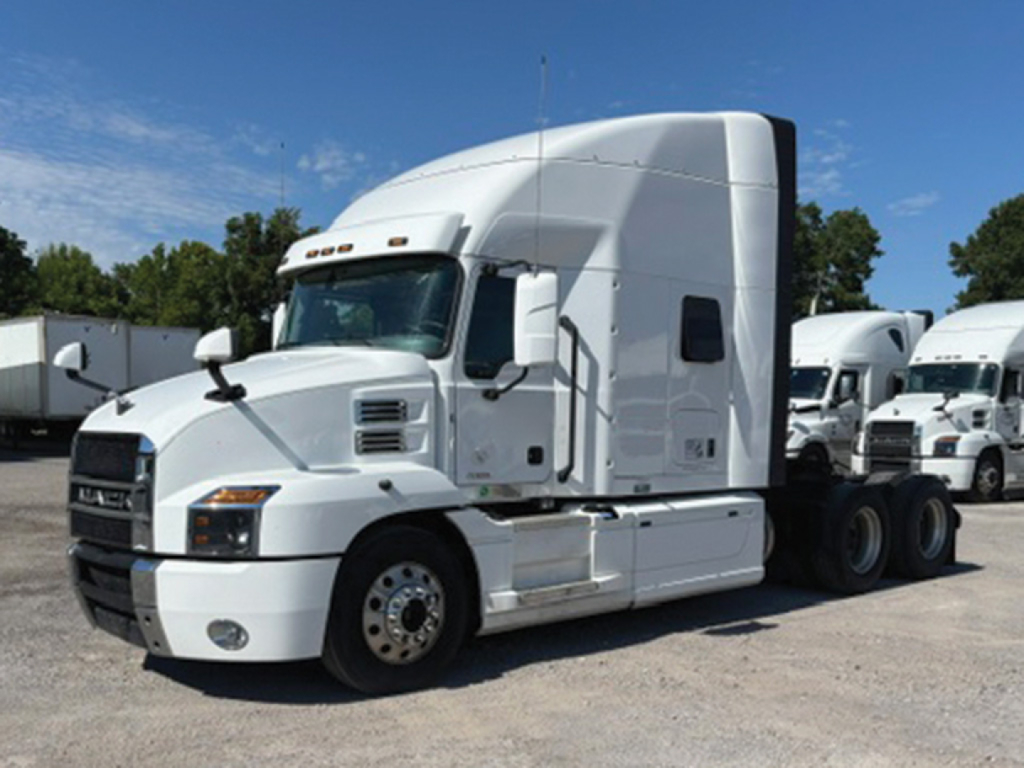
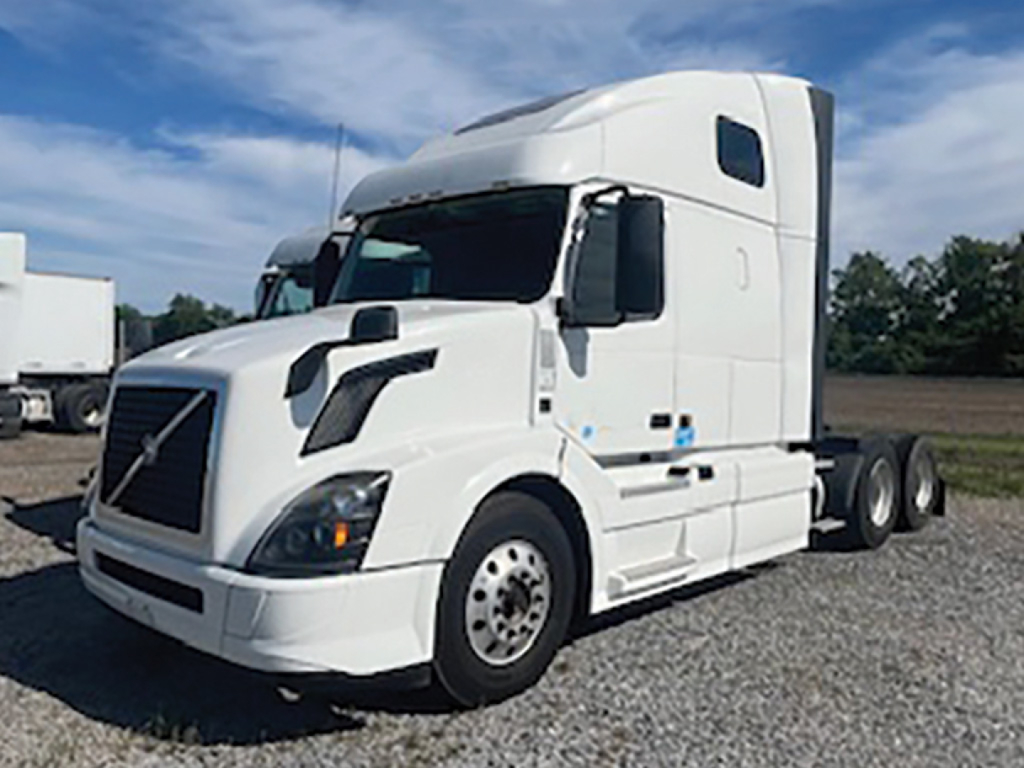
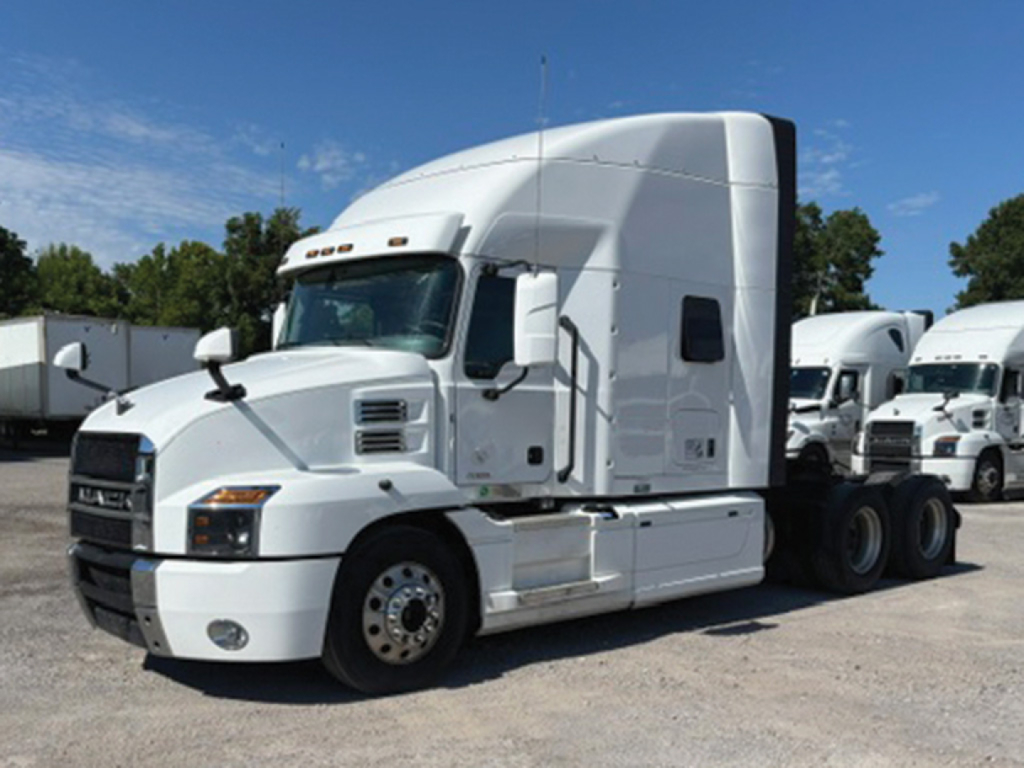
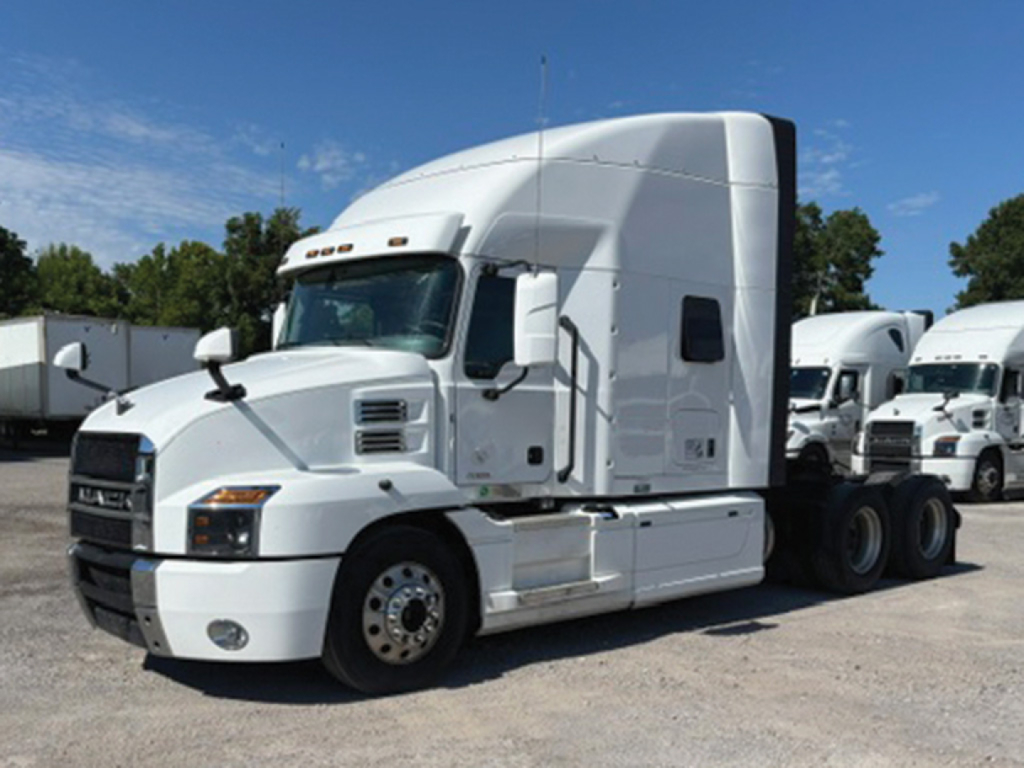
Showing 37 to 48 of 57 results
Have used conventional sleeper truck to sell? List it here to reach thousands of buyers.
About Used Conventional Sleeper Trucks in Mississippi
Sleeper configuration is one of the first decisions to narrow down. Mid-roof and raised-roof sleepers are common for van, reefer, and general long-haul operations, while flat-top layouts still appeal in vocational crossover and heavy-haul applications where overall height, weight, or appearance matter. Common sleeper sizes range from around 60 inches to 86 inches, with 72-inch sleepers being a popular middle ground for solo operators who need practical living space without stretching wheelbase more than necessary. Buyers should also compare single bunk versus double bunk layouts, cabinet storage, inverter prep, APU installation, and HVAC condition. On a used truck, sleeper seals, bunk heater function, condenser performance, and signs of water intrusion are worth checking closely.
Powertrain choices vary widely across used conventional sleepers. Many long-haul specs center on 13-liter to 15-liter diesel engines from Cummins, Paccar, Volvo, or Detroit, paired with automated manual transmissions or traditional 10-, 13-, or 18-speed manuals. Higher horsepower and multi-speed manual setups are common in trucks spec'd for lowboy, heavy-haul, or mountain work, especially on long-hood models such as the Kenworth W900. For general freight, a more moderate horsepower rating with an overdrive transmission and fuel-efficient rear ratio can lower operating cost. Axle configuration matters just as much. A standard tandem axle sleeper is the most common, but some used units are set up as tri-axles for specialized hauling. Check wheelbase, fifth wheel position, suspension type, front axle rating, locking differentials, and PTO provisions if the truck may pull a specific trailer or support auxiliary equipment.
Condition and spec discipline matter more in this category than model year alone. A used conventional sleeper should be evaluated for maintenance history, emissions system health, clutch or AMT service records, tire and brake wear, frame condition, and evidence of prior fifth wheel or suspension stress. Buyers in Mississippi should also look for corrosion patterns from coastal exposure, cooling system performance in high-heat conditions, and idle management features that affect driver comfort in a humid climate. The strongest value usually comes from a truck with a known service background, a sleeper and wheelbase matched to the intended freight, and a driveline that supports the expected gross weight without paying for unnecessary horsepower or complexity.
Frequently Asked Questions
What is a conventional sleeper truck?
A conventional sleeper truck is a highway tractor with a hooded engine layout and an integrated sleeping compartment behind the cab. It is designed for long-haul or multi-day operations where the driver needs onboard sleeping and storage space. This category includes raised-roof, mid-roof, and flat-top sleeper tractors used in general freight, refrigerated freight, tanker, flatbed, and specialized hauling.
What sleeper size is best for a used conventional sleeper truck?
The best sleeper size depends on route length, driver needs, and wheelbase limits. A 60-inch to 72-inch sleeper is a practical choice for many solo over-the-road operations because it gives enough room for rest and storage without adding more truck than the application needs. Larger sleepers can improve comfort on extended runs, but they may add weight and increase turning radius, which matters for regional work or tighter loading areas.
Should I choose an automated manual or a manual transmission in a used sleeper tractor?
Automated manual transmissions are common in late-model used sleeper tractors because they can improve fuel economy, reduce driver fatigue, and simplify hiring. Manual transmissions still have a strong place in heavy-haul, off-road, and highly specialized applications where precise gear control matters, especially with high-horsepower engines and 18-speed setups. The better choice depends on driver preference, terrain, gross weight, and maintenance history on the specific truck.
What should I inspect first on a used conventional sleeper truck?
Start with the engine, transmission, and emissions system service history, then move to the sleeper condition, frame, suspension, brakes, and tires. On the sleeper itself, check for water leaks, HVAC performance, bunk and cabinet condition, and APU or inverter operation if equipped. A buyer should also review fault codes, hours, mileage, axle ratings, and signs of heavy trailer stress around the fifth wheel and frame rails.
Are long-hood sleeper trucks like the Kenworth W900 better for all applications?
Long-hood sleeper trucks are popular for appearance, service access, and heavy-spec applications, but they are not automatically the best fit for every fleet or owner-operator. They often work well in heavy-haul, specialized flatbed, and custom spec operations where horsepower, wheelbase, and component choice are priorities. For general over-the-road freight, an aerodynamic conventional sleeper may deliver better fuel economy and a lower total operating cost.